Advanced Pultrusion Mold Manufacturing: Precision Composite Profile Production Solutions

All Categories

Get a Free Quote

A professional manufacturer of composite material molds.
Email
WhatsApp
Name
Company Name
Message
0/1000
Attachment
Please upload at least an attachment
Up to 3 files,more 30mb,suppor jpg、jpeg、png、pdf、doc、docx、xls、xlsx、csv、txt

pultrusion mold manufacturing

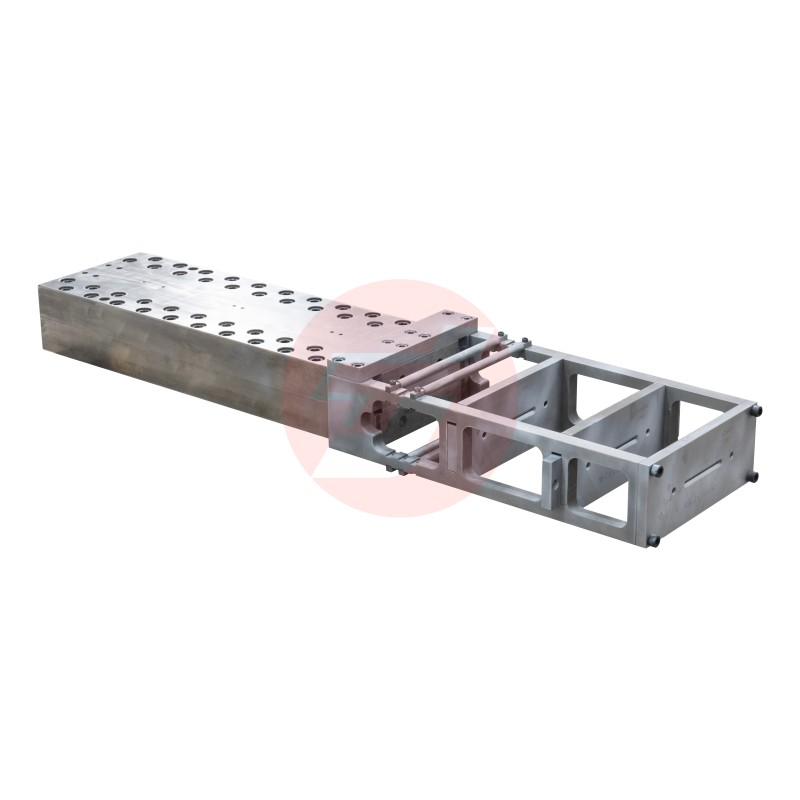
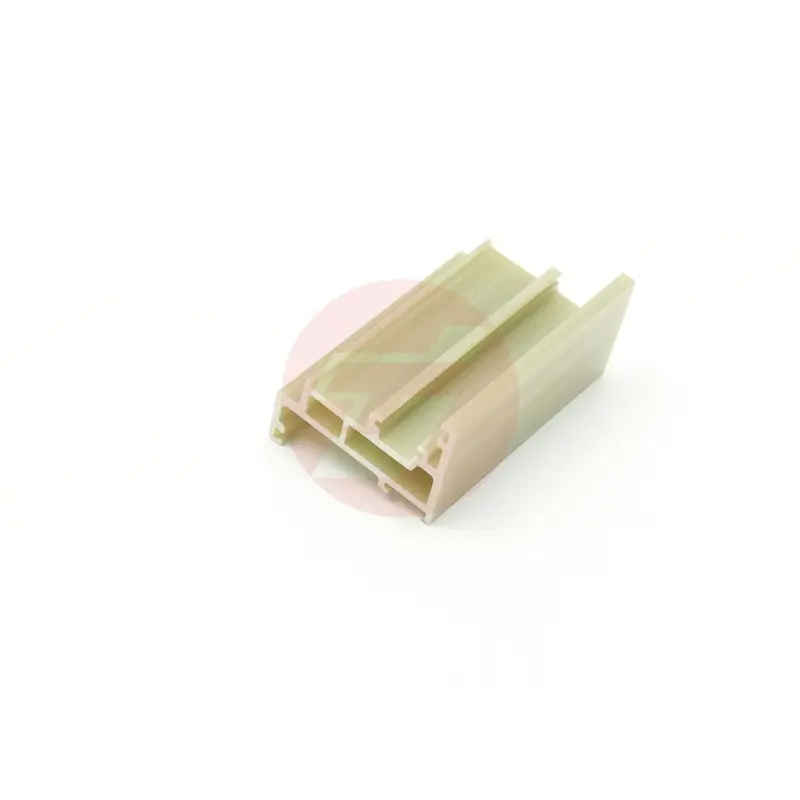
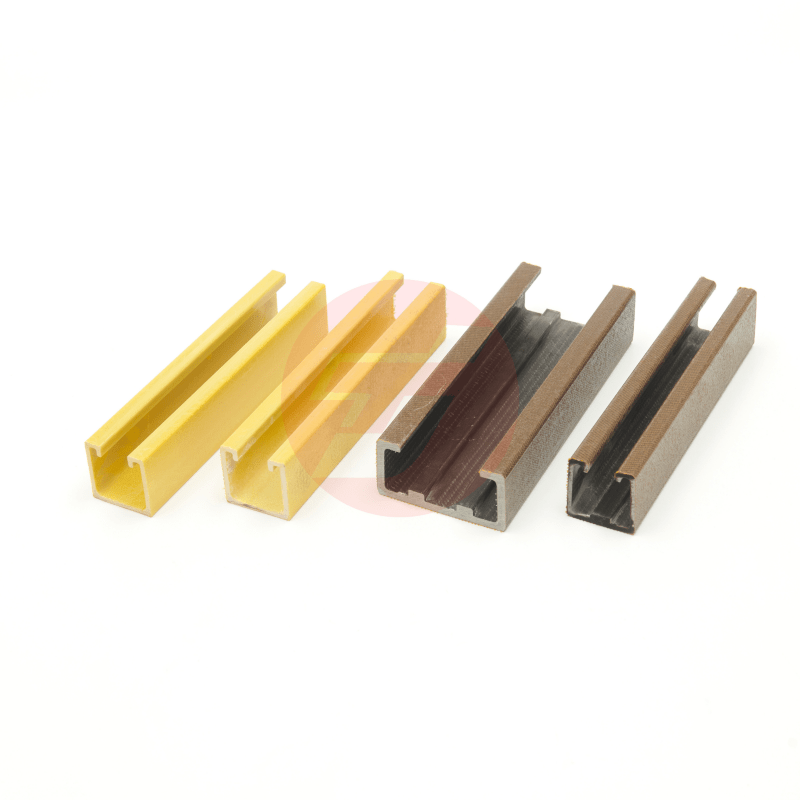
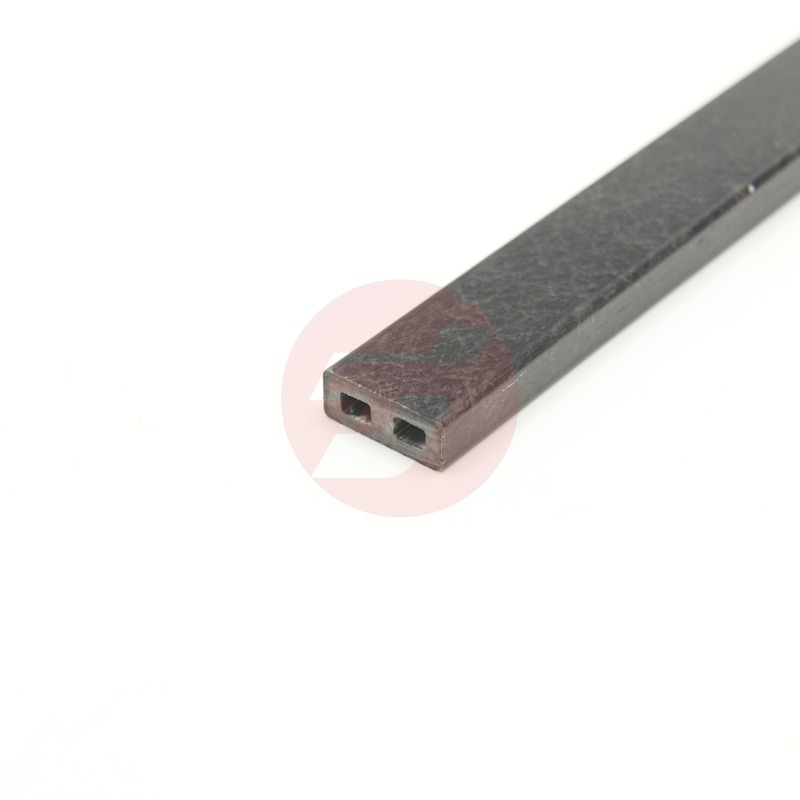
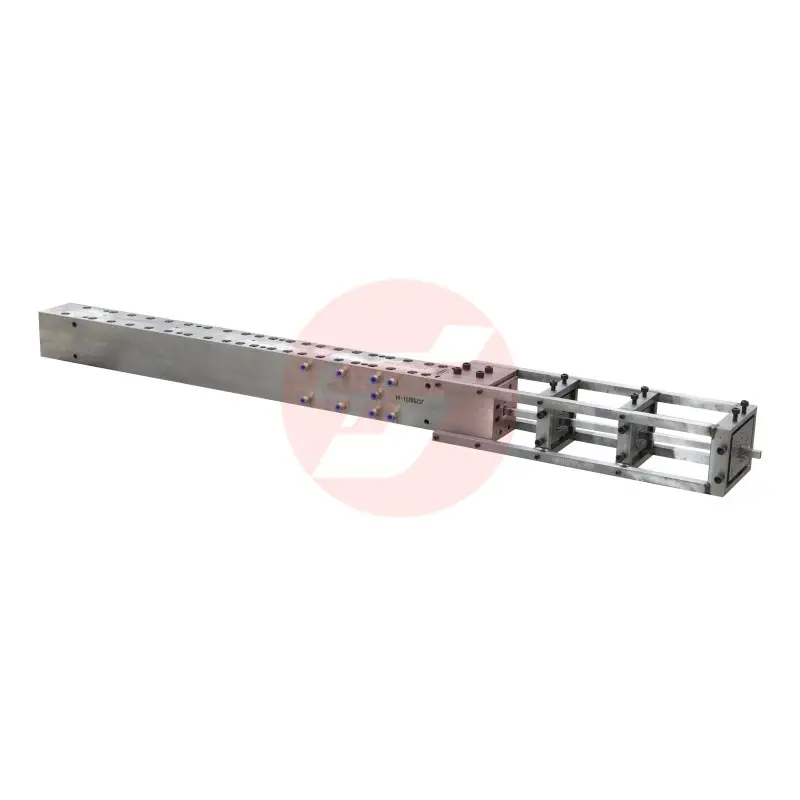
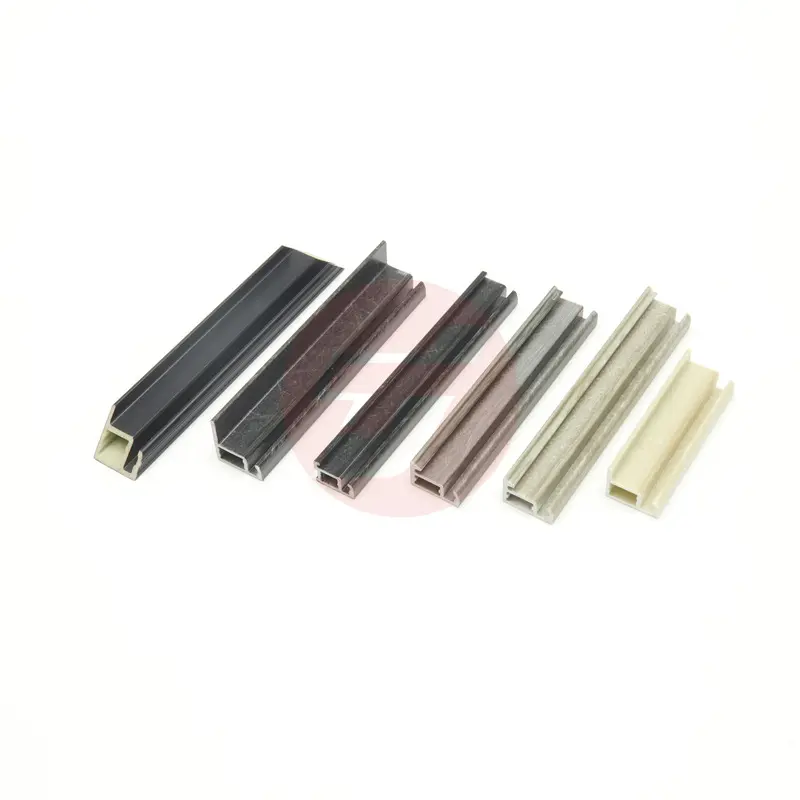
Pultrusion mold manufacturing represents a sophisticated composite fabrication process that creates continuous fiber-reinforced plastic profiles through a specialized molding system. This advanced manufacturing technique involves pulling reinforcing fibers such as glass, carbon, or aramid through a resin bath before guiding them into a heated steel mold. The pultrusion mold manufacturing process operates on a continuous basis, producing consistent cross-sectional profiles with exceptional dimensional accuracy and superior mechanical properties. The primary functions of pultrusion mold manufacturing include creating structural components for construction, infrastructure, automotive, aerospace, and marine industries. The technology features precise temperature control systems that cure thermosetting resins while maintaining optimal fiber orientation throughout the profile length. Modern pultrusion mold manufacturing incorporates computer-controlled pulling systems that ensure consistent line speeds and uniform product quality. The heated molds typically operate between 250-350 degrees Fahrenheit, depending on the resin system and desired curing characteristics. Key technological features include progressive heating zones within the mold, advanced release systems, and integrated cooling sections that stabilize the cured profile. The manufacturing process accommodates various fiber architectures including unidirectional rovings, woven fabrics, and continuous strand mats. Applications span numerous industries where lightweight, high-strength materials are essential. Construction applications include structural beams, bridge decking, handrails, and architectural elements. Transportation sectors utilize pultruded profiles for truck trailers, railcar components, and marine structures. The process enables production of complex geometries including hollow sections, multi-chambered profiles, and integrated attachment points. Quality control systems monitor pulling force, temperature distribution, and dimensional tolerances throughout production cycles. Environmental benefits include reduced material waste compared to traditional manufacturing methods and the ability to incorporate recycled fiber content in certain applications.


New Product Releases

Pultrusion mold manufacturing offers substantial cost-effectiveness through continuous production capabilities that significantly reduce per-unit manufacturing expenses compared to traditional molding methods. Companies benefit from consistent quality output with minimal material waste, as the automated process eliminates human error and maintains precise fiber-to-resin ratios throughout production runs. The technology delivers exceptional dimensional accuracy, producing profiles with tolerances as tight as ±0.005 inches, which eliminates costly secondary machining operations in most applications. Manufacturing efficiency reaches new heights with pultrusion mold manufacturing, as production lines operate continuously without stopping for part removal or mold cleaning between cycles. This continuous operation translates to higher throughput rates and improved return on investment for manufacturers seeking to scale their composite production capabilities. Energy consumption remains relatively low compared to autoclave curing or compression molding, as the heated mold zones require less overall energy input while achieving superior cure characteristics. Material versatility stands out as a major advantage, allowing processors to combine various fiber types, resin systems, and additives within a single production run to meet specific performance requirements. The process accommodates thermoplastic and thermoset resin systems, providing flexibility for different end-use applications and market demands. Quality consistency emerges as a critical benefit, with each linear foot of pultruded profile maintaining identical mechanical properties and surface finish characteristics. This consistency reduces quality control costs and minimizes rejection rates during customer inspections. Speed advantages become apparent when comparing pultrusion mold manufacturing to batch processing methods, as continuous pulling eliminates cure cycle waiting periods. Environmental benefits include reduced volatile organic compound emissions compared to open molding processes and the ability to achieve near-net-shape manufacturing with minimal post-processing requirements. Labor cost advantages result from automated operation that requires fewer skilled operators per pound of finished product. Design flexibility allows engineers to optimize cross-sectional geometry for specific load requirements while maintaining manufacturability constraints. Tool longevity exceeds many alternative composite manufacturing methods, with properly maintained pultrusion molds lasting through millions of linear feet of production before requiring significant refurbishment.

Latest News

How Can Carbon Fiber Pultrusion Reduce Manufacturing Costs for B2B Buyers?

29

Dec

How Can Carbon Fiber Pultrusion Reduce Manufacturing Costs for B2B Buyers?

Manufacturing costs continue to challenge B2B buyers across industries, driving the need for innovative production methods that deliver superior performance while maintaining economic efficiency. Carbon fiber pultrusion has emerged as a transformativ...
View More
Why Are Epoxy Pultrusion Products Ideal for High-Strength Applications?

29

Dec

Why Are Epoxy Pultrusion Products Ideal for High-Strength Applications?

Epoxy pultrusion represents a revolutionary manufacturing process that combines the superior strength properties of epoxy resins with the continuous production capabilities of pultrusion technology. This advanced composite manufacturing method has tr...
View More
What Factors Determine the Lifespan of Carbon Fiber Pultruded Products?

13

Feb

What Factors Determine the Lifespan of Carbon Fiber Pultruded Products?

Carbon fiber pultrusion represents one of the most advanced manufacturing processes for creating high-performance composite materials with exceptional strength-to-weight ratios. This innovative technique produces continuous fiber-reinforced profiles ...
View More
Which Industries Rely Most on Glass Fiber Pultruded Profiles?

13

Feb

Which Industries Rely Most on Glass Fiber Pultruded Profiles?

Modern manufacturing across diverse industries increasingly depends on advanced composite materials that deliver exceptional strength, durability, and versatility. Glass fiber pultruded profiles have emerged as a cornerstone solution for applications...
View More

Get a Free Quote

A professional manufacturer of composite material molds.
Email
WhatsApp
Name
Company Name
Message
0/1000
Attachment
Please upload at least an attachment
Up to 3 files,more 30mb,suppor jpg、jpeg、png、pdf、doc、docx、xls、xlsx、csv、txt

pultrusion mold manufacturing

Advanced Temperature Control Systems for Superior Product Quality

Advanced Temperature Control Systems for Superior Product Quality

Temperature control systems in pultrusion mold manufacturing represent the cornerstone technology that ensures consistent product quality and optimal mechanical properties throughout the production process. These sophisticated systems incorporate multiple independently controlled heating zones along the mold length, allowing precise temperature profiling that matches the specific cure kinetics of different resin formulations. The technology typically features progressive heating zones starting with lower temperatures at the mold entrance to prevent premature gelation, followed by higher temperature zones that complete the crosslinking reaction. Advanced control algorithms monitor thermocouple feedback from strategic locations within the mold cavity, automatically adjusting heating element output to maintain target temperatures within ±2 degrees Fahrenheit. This precision enables pultrusion mold manufacturing to achieve consistent cure states regardless of ambient conditions or production rate variations. The temperature control systems incorporate safety features including over-temperature protection, thermal runaway prevention, and emergency cooling capabilities that protect both the mold and the product from thermal damage. Modern installations utilize programmable logic controllers with touchscreen interfaces that allow operators to store multiple temperature profiles for different product configurations, facilitating rapid changeovers between production runs. The systems accommodate various heating methods including electric resistance heaters, induction heating, and steam heating, depending on the specific requirements of the pultrusion mold manufacturing application. Energy efficiency improvements result from advanced insulation materials and heat recovery systems that capture waste heat from cooling zones and redirect it to preheating applications. Predictive maintenance capabilities monitor heating element performance and alert operators to potential failures before they impact production quality. The integration of these temperature control systems with overall process monitoring ensures that pultrusion mold manufacturing achieves the highest levels of product consistency while minimizing energy consumption and maintenance requirements. Quality assurance benefits include real-time temperature logging that provides complete traceability for regulatory compliance and customer quality documentation requirements.
Continuous Production Capability Maximizing Manufacturing Efficiency

Continuous Production Capability Maximizing Manufacturing Efficiency

Continuous production capability distinguishes pultrusion mold manufacturing from batch-based composite manufacturing processes by eliminating the start-stop cycles that traditionally limit throughput and increase production costs. This fundamental advantage enables manufacturers to achieve unprecedented efficiency levels through uninterrupted material flow from raw fiber and resin inputs to finished pultruded profiles. The continuous nature of pultrusion mold manufacturing eliminates cure cycle waiting periods, part removal delays, and mold preparation time between production cycles, resulting in dramatically higher equipment utilization rates compared to compression molding or autoclave processes. Production lines can operate 24 hours per day with minimal supervision, maximizing return on capital investment while reducing labor costs per unit of finished product. The technology accommodates variable production speeds typically ranging from 12 inches per minute for thick-walled profiles to over 120 inches per minute for thin-walled sections, allowing manufacturers to optimize throughput based on specific product requirements and market demands. Continuous operation reduces energy consumption per unit by eliminating the repeated heating and cooling cycles associated with batch processes, while maintaining consistent temperature profiles throughout extended production runs. Quality consistency improves dramatically through continuous production capability, as process parameters remain stable without the variations introduced by repeated startup and shutdown sequences. The elimination of production interruptions reduces material waste associated with startup scrap and end-of-run trim losses, contributing to improved material utilization efficiency. Maintenance scheduling becomes more predictable with continuous operation, as equipment wear patterns follow consistent loading cycles rather than the variable stresses associated with intermittent operation. Production planning benefits from the predictable output rates enabled by continuous pultrusion mold manufacturing, allowing manufacturers to commit to precise delivery schedules with greater confidence. The technology supports just-in-time manufacturing philosophies by enabling rapid response to demand fluctuations without the inventory buildup required by batch processes. Continuous production capability also facilitates automated downstream operations including cutting, drilling, and assembly processes that can be integrated directly with the pultrusion line for complete part finishing.
Exceptional Dimensional Accuracy and Surface Quality Standards

Exceptional Dimensional Accuracy and Surface Quality Standards

Dimensional accuracy in pultrusion mold manufacturing surpasses most alternative composite fabrication methods through the combination of rigid tooling constraints and continuous process control that maintains precise geometry throughout the entire profile length. The steel mold cavities provide unwavering dimensional references that resist the thermal expansion and deformation issues common in flexible tooling systems, ensuring that finished profiles maintain tolerances as tight as ±0.005 inches across critical dimensions. This exceptional precision eliminates costly secondary machining operations in the majority of applications, reducing overall part costs while shortening lead times for customers. Surface quality benefits from the continuous contact between the curing composite and the precision-machined mold surfaces, resulting in smooth finishes that often require no additional surface preparation before painting or assembly operations. The controlled curing environment within the mold cavity prevents surface defects such as fiber print-through, resin-rich areas, and porosity that commonly occur in open molding processes. Geometric consistency extends along the entire profile length, with cross-sectional variations typically held within 0.002 inches per foot of length, enabling precision assembly operations and interchangeable part manufacturing. The rigid tooling system accommodates complex cross-sectional geometries including hollow sections, integral stiffening ribs, and multiple wall thicknesses within a single profile, all while maintaining the exceptional dimensional accuracy standards. Quality control systems integrated with pultrusion mold manufacturing operations continuously monitor critical dimensions using laser measurement systems and automated rejection mechanisms that remove non-conforming products before they reach customers. The process stability inherent in pultrusion mold manufacturing minimizes dimensional variation between production runs, enabling manufacturers to establish reliable statistical process control parameters and reduce inspection requirements. Tool design flexibility allows optimization of critical dimensions while maintaining manufacturability constraints, enabling engineers to specify tight tolerances only where functionally required while relaxing tolerances in non-critical areas to reduce production costs. The exceptional dimensional accuracy achieved through pultrusion mold manufacturing supports precision assembly applications in aerospace, automotive, and medical device industries where component interchangeability and fit-up requirements demand the highest quality standards. Long-term dimensional stability of pultruded profiles exceeds many alternative materials due to the controlled fiber orientation and complete resin cure achieved during the manufacturing process.

Get a Free Quote

A professional manufacturer of composite material molds.
Email
WhatsApp
Name
Company Name
Message
0/1000
Attachment
Please upload at least an attachment
Up to 3 files,more 30mb,suppor jpg、jpeg、png、pdf、doc、docx、xls、xlsx、csv、txt