thermoset polyurethane molds
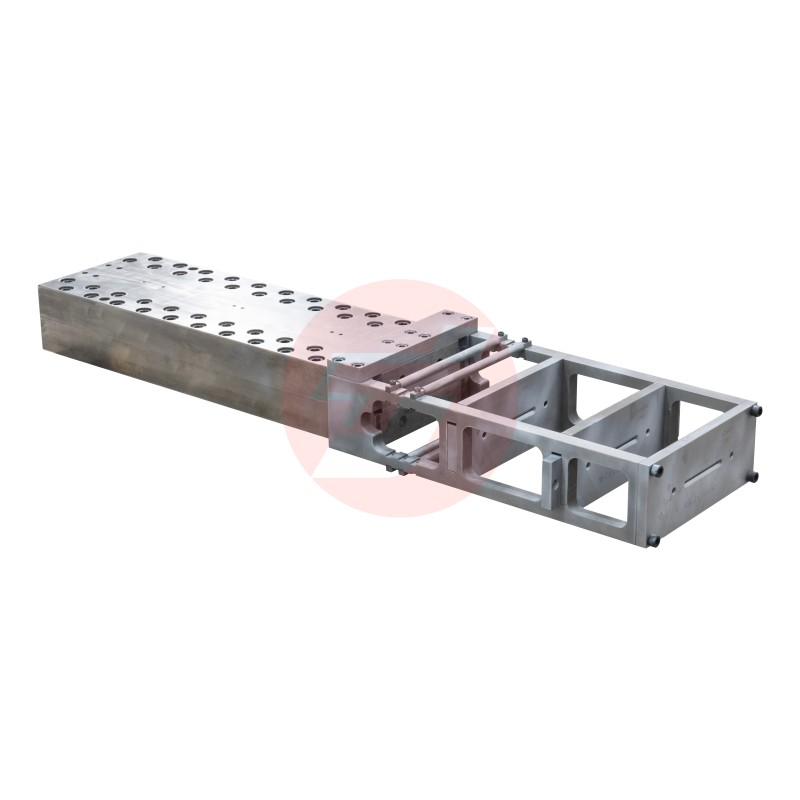
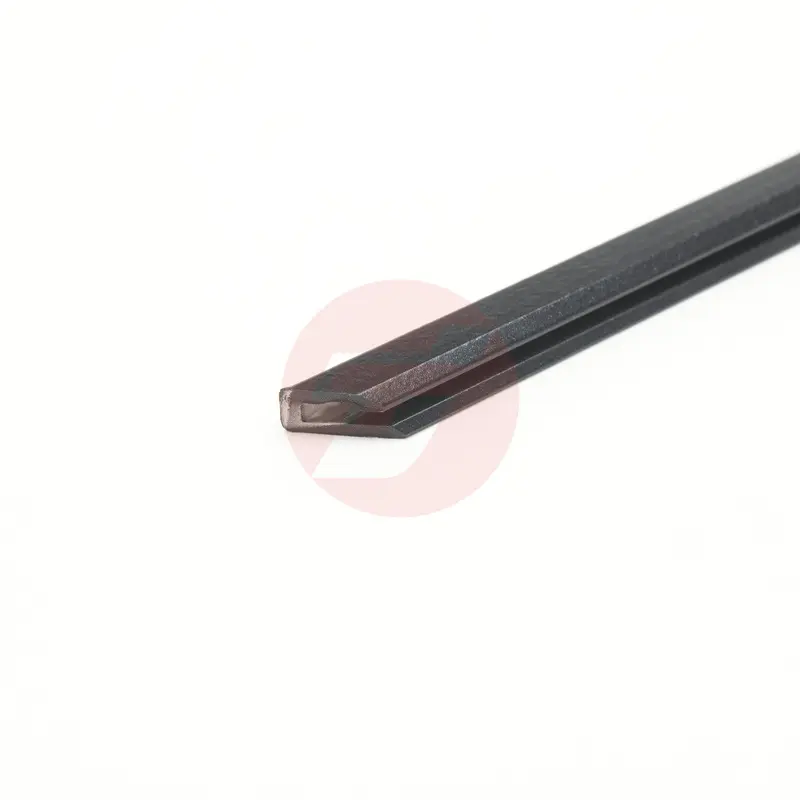
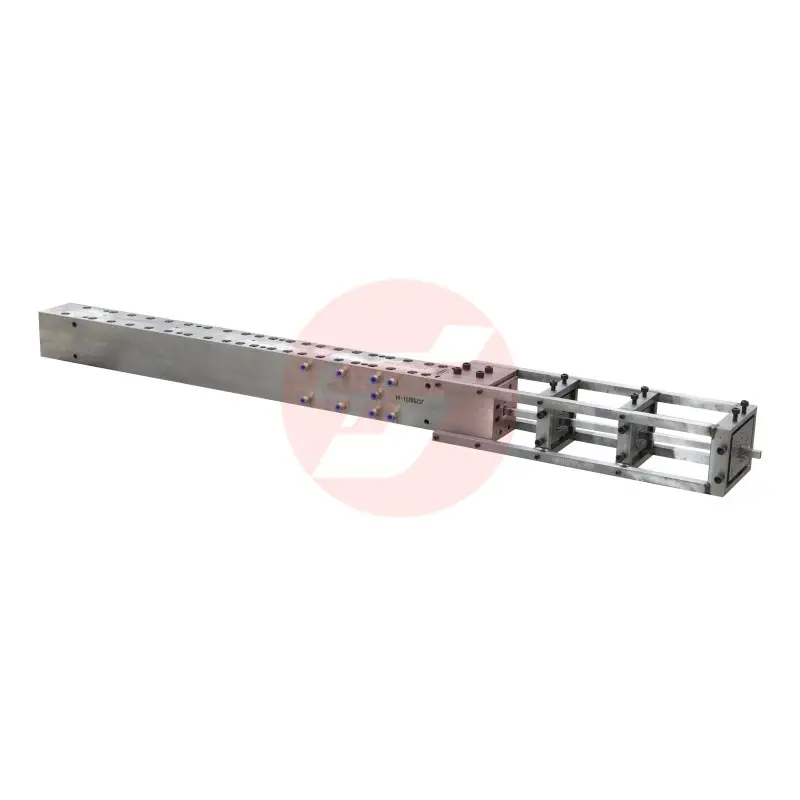
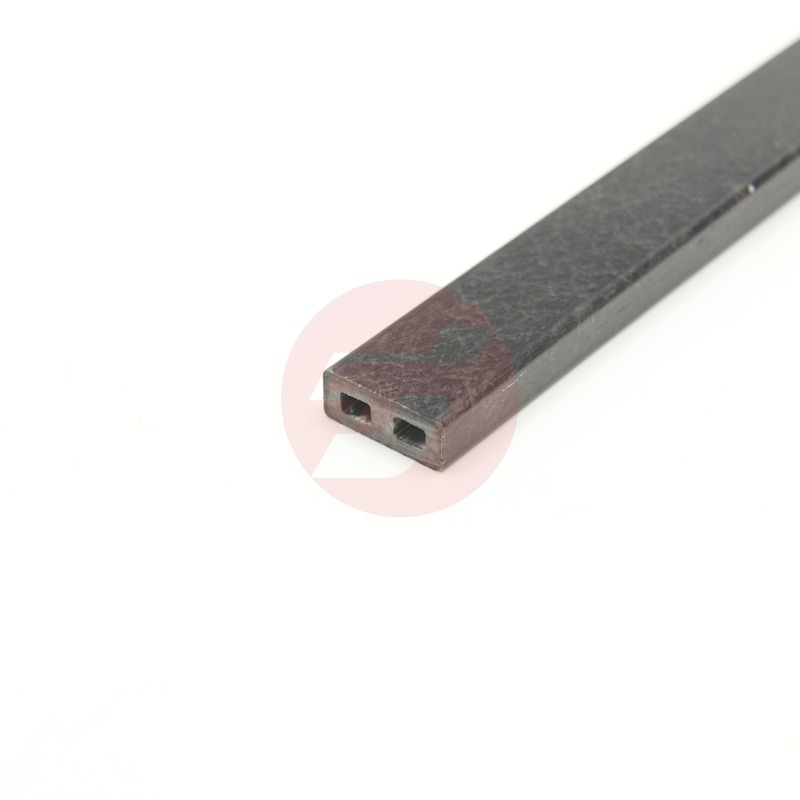
Thermoset polyurethane molds represent a revolutionary advancement in manufacturing technology, offering exceptional versatility and precision for creating complex parts across diverse industries. These specialized molds utilize thermoset polyurethane materials that undergo irreversible chemical changes when heated, forming permanent cross-linked polymer structures that maintain their shape and properties throughout repeated use cycles. The fundamental technology behind thermoset polyurethane molds combines advanced polymer chemistry with precision engineering to deliver superior performance characteristics. The main functions of thermoset polyurethane molds include shaping liquid materials into specific geometries, maintaining dimensional accuracy during the curing process, and providing consistent surface finishes across multiple production runs. These molds excel at creating intricate details and complex undercuts that would be challenging or impossible with traditional metallic tooling systems. The technological features of thermoset polyurethane molds encompass excellent chemical resistance properties, outstanding dimensional stability under varying temperature conditions, and remarkable flexibility that prevents part damage during demolding operations. The material composition allows for rapid heat transfer, ensuring efficient curing cycles while maintaining uniform temperature distribution throughout the mold cavity. Applications for thermoset polyurethane molds span numerous sectors including aerospace components, automotive parts, medical devices, electronics housings, architectural elements, and consumer goods manufacturing. In aerospace applications, these molds produce lightweight composite parts with exceptional strength-to-weight ratios. Automotive manufacturers utilize thermoset polyurethane molds for creating interior trim pieces, gaskets, and specialized components that require precise tolerances. Medical device production benefits from the biocompatible properties and ability to create intricate geometries necessary for surgical instruments and implantable devices. The electronics industry leverages these molds for producing protective housings and components requiring electromagnetic shielding properties.

 EN
EN