High-Performance Pultrusion Production Mold Solutions - Advanced Composite Manufacturing Technology

All Categories

Get a Free Quote

A professional manufacturer of composite material molds.
Email
WhatsApp
Name
Company Name
Message
0/1000
Attachment
Please upload at least an attachment
Up to 3 files,more 30mb,suppor jpg、jpeg、png、pdf、doc、docx、xls、xlsx、csv、txt

pultrusion production mold

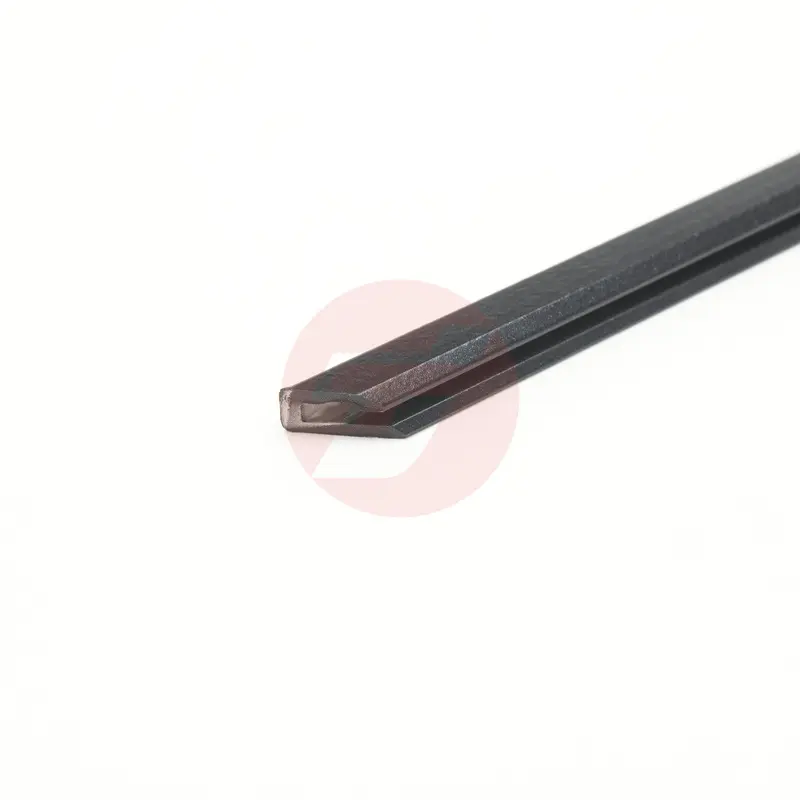
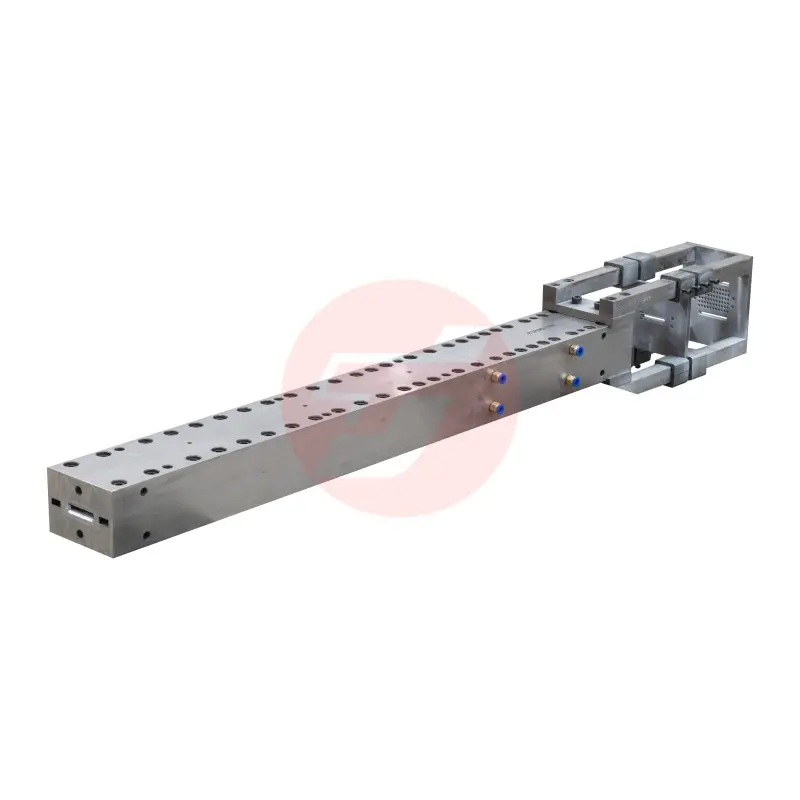
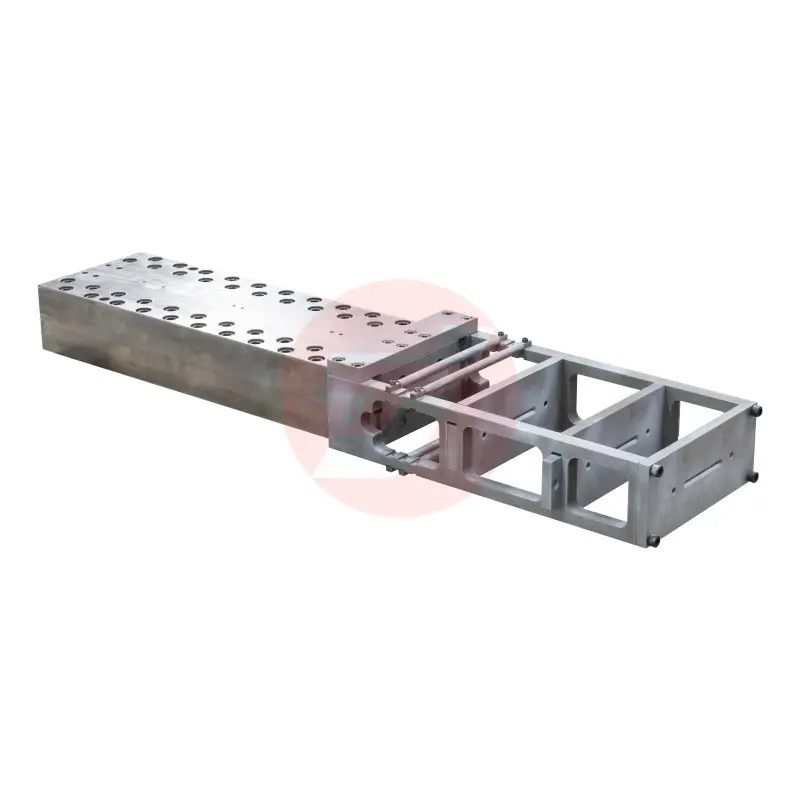
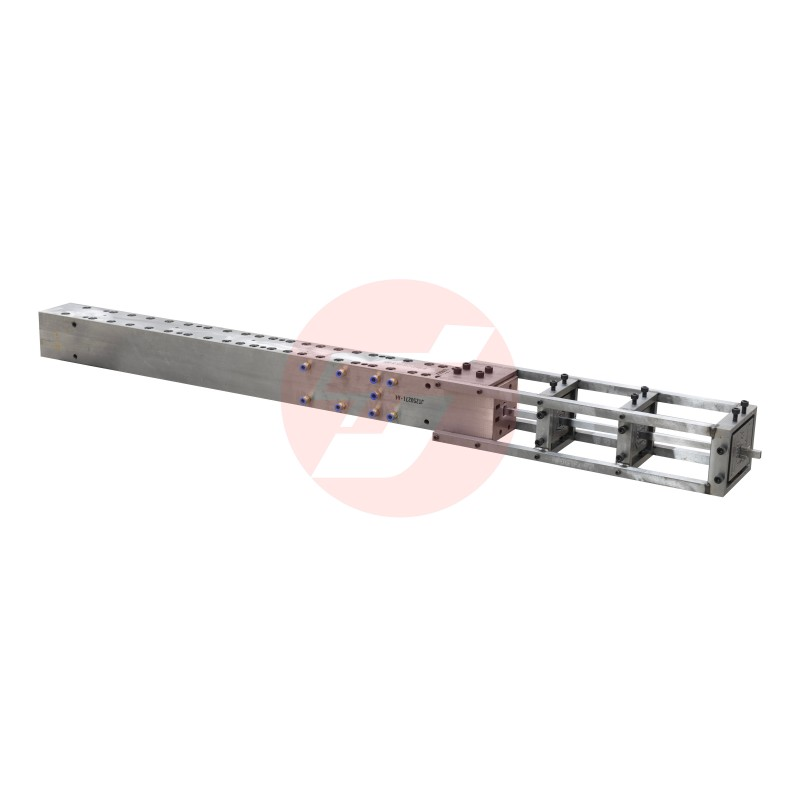
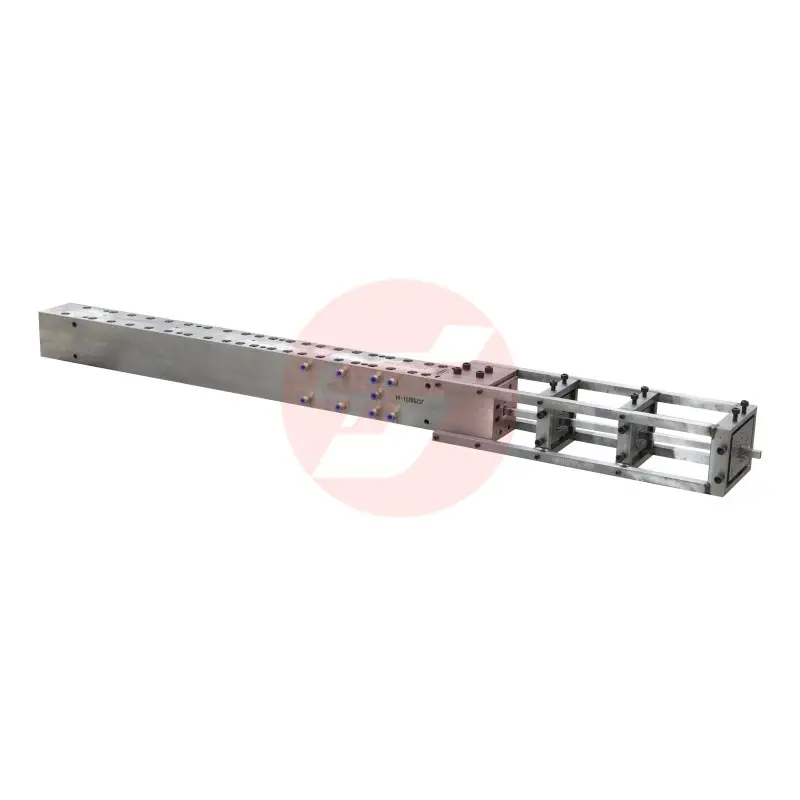
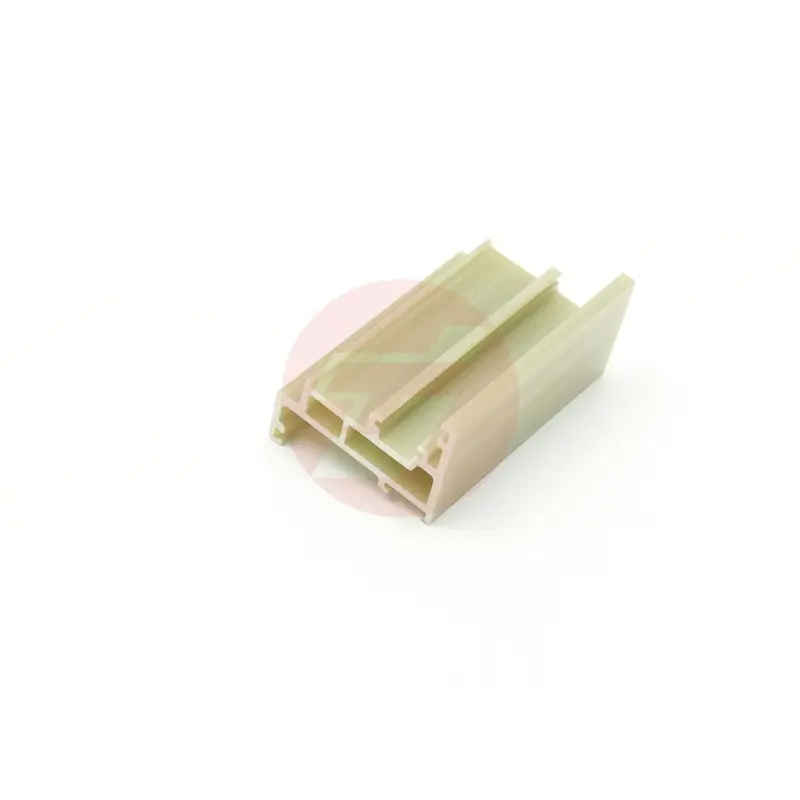
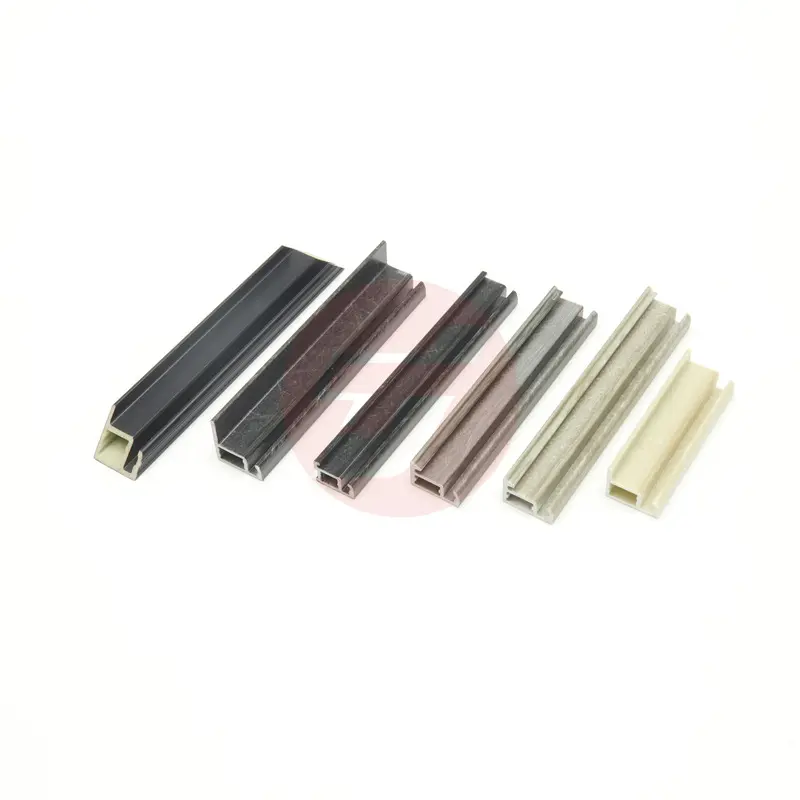
Pultrusion production mold represents a fundamental component in the manufacturing of continuous fiber-reinforced composite profiles through the pultrusion process. This specialized tooling system serves as the critical element that shapes and consolidates reinforcement fibers with resin matrix materials to create strong, lightweight composite products. The pultrusion production mold consists of a heated steel or aluminum die that maintains precise dimensional control while the composite material passes through it. The primary function involves guiding continuous reinforcement materials such as glass, carbon, or aramid fibers through a resin bath before entering the heated die cavity. Inside the pultrusion production mold, the resin undergoes polymerization under controlled temperature conditions, typically ranging from 120°C to 200°C, depending on the resin system being used. The technological features of modern pultrusion production mold include advanced heating systems with precise temperature control zones, specialized surface treatments for optimal release properties, and modular design capabilities that allow for quick profile changes. These molds incorporate cooling channels for thermal management and feature hardened surfaces to withstand the continuous production demands. The dimensional accuracy achieved through pultrusion production mold technology enables manufacturers to produce profiles with tolerances as tight as ±0.1mm. Applications span across diverse industries including construction, automotive, aerospace, marine, and infrastructure sectors. Common products manufactured using pultrusion production mold include structural beams, handrails, electrical insulators, antenna masts, bridge decking, and utility poles. The versatility of pultrusion production mold allows for complex cross-sectional geometries including hollow sections, channels, angles, and custom-designed profiles that meet specific engineering requirements.


Popular Products

The pultrusion production mold offers numerous practical benefits that directly translate into cost savings and improved manufacturing efficiency for businesses across various industries. First, this manufacturing solution delivers exceptional dimensional consistency, ensuring that every product meets exact specifications without variation. This reliability eliminates costly rework and reduces material waste, directly impacting your bottom line. The continuous production capability of pultrusion production mold systems allows manufacturers to achieve high output rates, often producing hundreds of linear feet per hour depending on profile complexity. This efficiency significantly reduces labor costs compared to traditional manufacturing methods while maintaining superior quality standards. The pultrusion production mold creates products with outstanding strength-to-weight ratios, making them ideal for applications where reducing weight without compromising structural integrity is crucial. These lightweight yet strong profiles help end users save on transportation costs and installation expenses. Durability represents another key advantage, as products manufactured through pultrusion production mold exhibit excellent resistance to corrosion, chemicals, and environmental factors. This longevity reduces maintenance requirements and replacement costs over the product lifecycle. The versatility of pultrusion production mold enables manufacturers to create complex geometries and integrate multiple functions into single profiles, reducing assembly time and component count in final applications. Material costs remain competitive because the process efficiently utilizes reinforcement fibers and resin without significant waste. The automated nature of pultrusion production mold operations reduces dependency on skilled labor while maintaining consistent quality output. Energy efficiency is notable, as the continuous process requires less energy per unit produced compared to batch manufacturing methods. Quality control becomes straightforward with pultrusion production mold systems, as the process parameters remain stable throughout production runs. The scalability of pultrusion production mold operations allows businesses to adjust production volumes based on demand without major equipment changes. Finally, the surface finish quality achieved through proper pultrusion production mold design often eliminates secondary finishing operations, further reducing manufacturing costs and delivery times.

Practical Tips

What Affects the Dimensional Accuracy of Epoxy Pultruded Products?

05

Jan

What Affects the Dimensional Accuracy of Epoxy Pultruded Products?

The dimensional accuracy of epoxy pultruded products plays a crucial role in determining their performance and suitability for various industrial applications. Manufacturing professionals across aerospace, automotive, and construction industries rely...
View More
How Does Polyurethane Enhance Performance in Pultruded Components?

05

Jan

How Does Polyurethane Enhance Performance in Pultruded Components?

The construction and manufacturing industries are constantly seeking materials that deliver superior performance while maintaining cost-effectiveness. Polyurethane pultrusion has emerged as a revolutionary process that combines the excellent properti...
View More
Why Do Wind Turbine OEMs Prefer High-Accuracy Carbon Fiber Beam Molds?

05

Jan

Why Do Wind Turbine OEMs Prefer High-Accuracy Carbon Fiber Beam Molds?

The wind energy sector has experienced unprecedented growth as global demand for renewable energy solutions continues to surge. Original Equipment Manufacturers (OEMs) in the wind turbine industry face increasing pressure to deliver high-performance,...
View More
How to Maintain Carbon Fiber Pultrusion Molds for Long-Term Stability?

13

Feb

How to Maintain Carbon Fiber Pultrusion Molds for Long-Term Stability?

Carbon fiber pultrusion molds represent one of the most critical components in manufacturing high-performance composite materials for industries ranging from aerospace to renewable energy. These precision-engineered tools require meticulous maintenan...
View More

Get a Free Quote

A professional manufacturer of composite material molds.
Email
WhatsApp
Name
Company Name
Message
0/1000
Attachment
Please upload at least an attachment
Up to 3 files,more 30mb,suppor jpg、jpeg、png、pdf、doc、docx、xls、xlsx、csv、txt

pultrusion production mold

Advanced Temperature Control Technology

Advanced Temperature Control Technology

The sophisticated temperature control system integrated into modern pultrusion production mold represents a revolutionary advancement in composite manufacturing technology. This feature utilizes multiple heating zones along the die length, each independently controlled to optimize the curing profile for different resin systems and product geometries. The precision temperature management ensures complete resin polymerization while preventing thermal degradation that could compromise product quality. Advanced sensors continuously monitor temperature distribution throughout the pultrusion production mold, providing real-time feedback to automated control systems that make instant adjustments to maintain optimal curing conditions. This technology eliminates hot spots and cold zones that traditionally caused product defects, ensuring uniform mechanical properties across the entire cross-section of manufactured profiles. The thermal efficiency of these systems reduces energy consumption by up to 30% compared to conventional heating methods, directly lowering operating costs for manufacturers. The rapid response capability of modern temperature control systems allows for quick startup and shutdown procedures, minimizing waste during production transitions. Additionally, the precise thermal management enables manufacturers to process a wider range of resin systems, from fast-curing polyester to high-performance epoxy and vinyl ester formulations. The consistent temperature control achieved through advanced pultrusion production mold systems results in products with superior surface finish quality, reducing or eliminating the need for secondary finishing operations. This temperature precision also enables the production of thicker-walled sections without compromising cure quality, expanding the range of possible product applications. The integration of predictive maintenance features within these control systems helps prevent unexpected downtime by monitoring system performance and alerting operators to potential issues before they cause production disruptions.
Modular Design Flexibility

Modular Design Flexibility

The modular design approach incorporated into contemporary pultrusion production mold systems provides unprecedented flexibility for manufacturers seeking to optimize their production capabilities and respond quickly to changing market demands. This innovative design philosophy allows individual components of the pultrusion production mold to be easily replaced, modified, or reconfigured without requiring complete system replacement. The modular architecture enables manufacturers to produce multiple profile geometries using a single base system, significantly reducing capital equipment investment while maximizing production versatility. Quick-change mechanisms integrated into the pultrusion production mold design allow operators to swap die components in minutes rather than hours, minimizing downtime during product transitions and maximizing overall equipment effectiveness. The standardized interfaces between modules ensure perfect alignment and sealing, maintaining the precision required for high-quality composite production. This flexibility extends to the ability to accommodate varying wall thicknesses, different reinforcement configurations, and multiple resin systems within the same basic pultrusion production mold framework. The modular approach also facilitates easier maintenance procedures, as individual components can be serviced or replaced without affecting the entire system, reducing maintenance costs and extending overall equipment life. Future expansion capabilities are built into modular pultrusion production mold systems, allowing manufacturers to add new features or upgrade existing components as technology advances or production requirements change. The cost-effectiveness of modular design becomes apparent when considering the ability to share common components across multiple product lines, reducing inventory requirements and simplifying spare parts management. Training requirements are minimized with modular pultrusion production mold systems, as operators need to learn fewer unique procedures and can apply their knowledge across different configurations. The precision engineering of modular components ensures that dimensional accuracy is maintained regardless of configuration changes, preserving product quality standards across all manufactured profiles.
Enhanced Surface Treatment and Release Properties

Enhanced Surface Treatment and Release Properties

The advanced surface treatment and release properties engineered into modern pultrusion production mold systems represent a critical innovation that directly impacts production efficiency, product quality, and overall manufacturing economics. These specialized surface treatments utilize cutting-edge coating technologies and metallurgical processes to create ultra-smooth, non-stick surfaces that facilitate easy part release while maintaining dimensional precision throughout extended production runs. The proprietary surface treatments applied to pultrusion production mold components significantly reduce friction between the curing composite material and die surfaces, minimizing pulling forces required during the continuous production process. This reduction in friction translates directly into lower energy consumption and reduced wear on pulling equipment, extending machinery life and reducing maintenance costs. The enhanced release properties eliminate the need for external release agents in many applications, reducing material costs and eliminating potential contamination issues that can affect product quality or subsequent bonding operations. The durability of these advanced surface treatments ensures consistent performance over millions of linear feet of production, maintaining smooth part release characteristics even under demanding production schedules. The precision surface finish achieved through specialized treatment processes contributes directly to superior product surface quality, often eliminating the need for secondary finishing operations and reducing overall manufacturing time. These surface treatments also exhibit excellent chemical resistance, maintaining their effectiveness even when processing aggressive resin systems or when exposed to cleaning solvents during maintenance procedures. The thermal stability of modern surface treatments allows pultrusion production mold systems to operate at higher temperatures when required for specific resin systems, expanding processing capabilities without compromising performance. Easy cleaning procedures are facilitated by the non-stick properties, reducing downtime between production runs and simplifying color changes or material transitions. The longevity of these surface treatments provides excellent return on investment, as the initial coating cost is amortized over years of trouble-free production. Quality consistency is enhanced through the uniform release characteristics, ensuring that dimensional variations due to sticking or pulling irregularities are eliminated from the manufacturing process.

Get a Free Quote

A professional manufacturer of composite material molds.
Email
WhatsApp
Name
Company Name
Message
0/1000
Attachment
Please upload at least an attachment
Up to 3 files,more 30mb,suppor jpg、jpeg、png、pdf、doc、docx、xls、xlsx、csv、txt