lightweight frp pultrusion molds
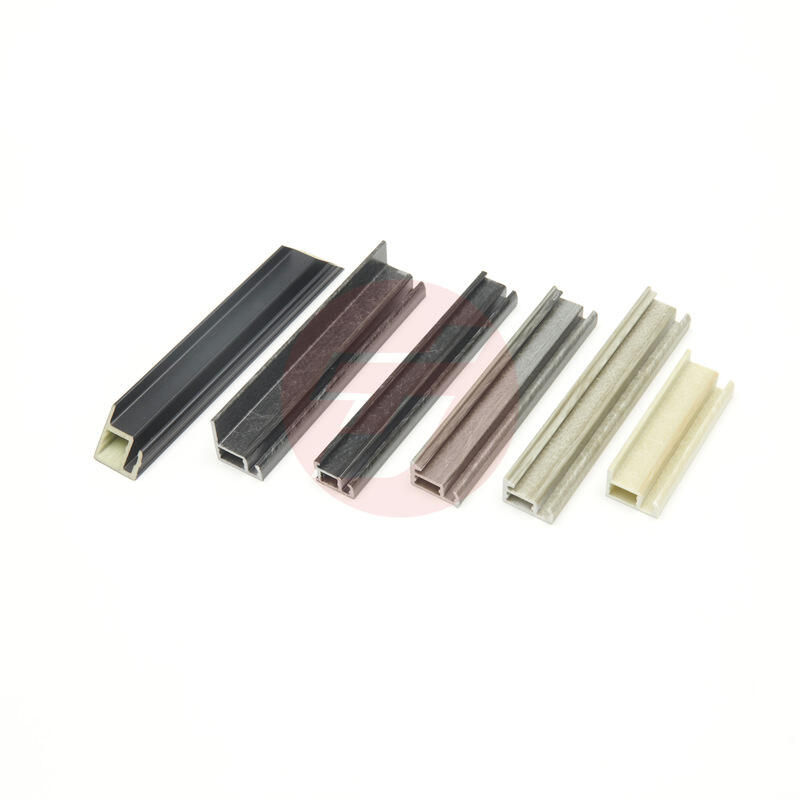
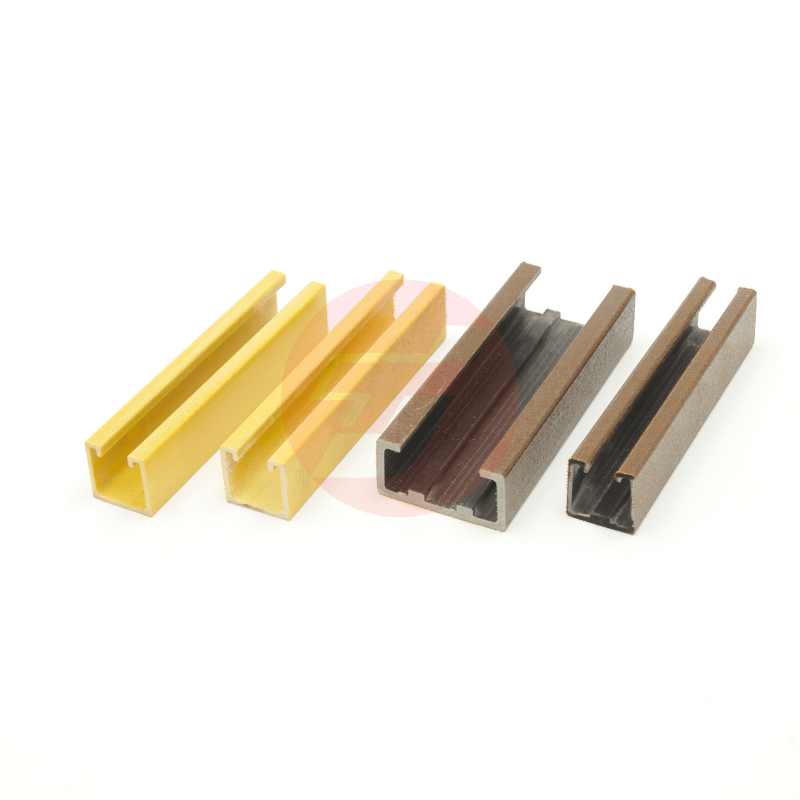
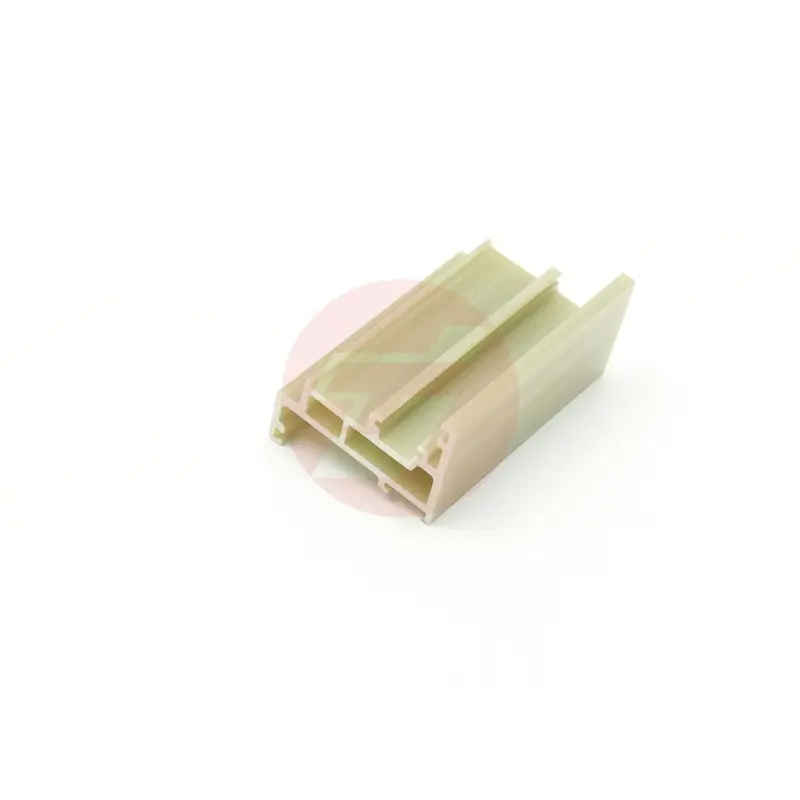
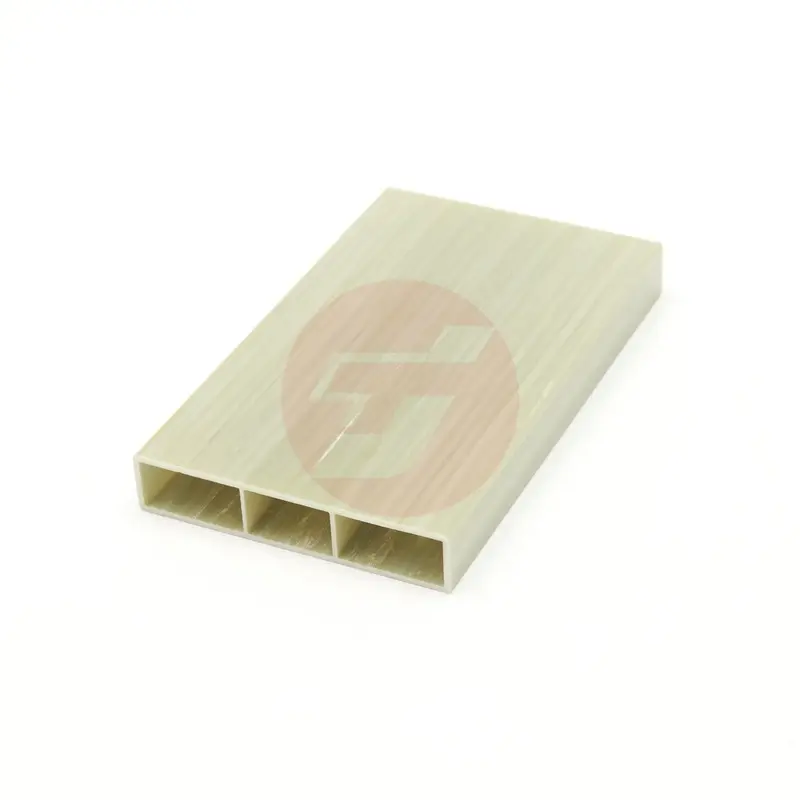
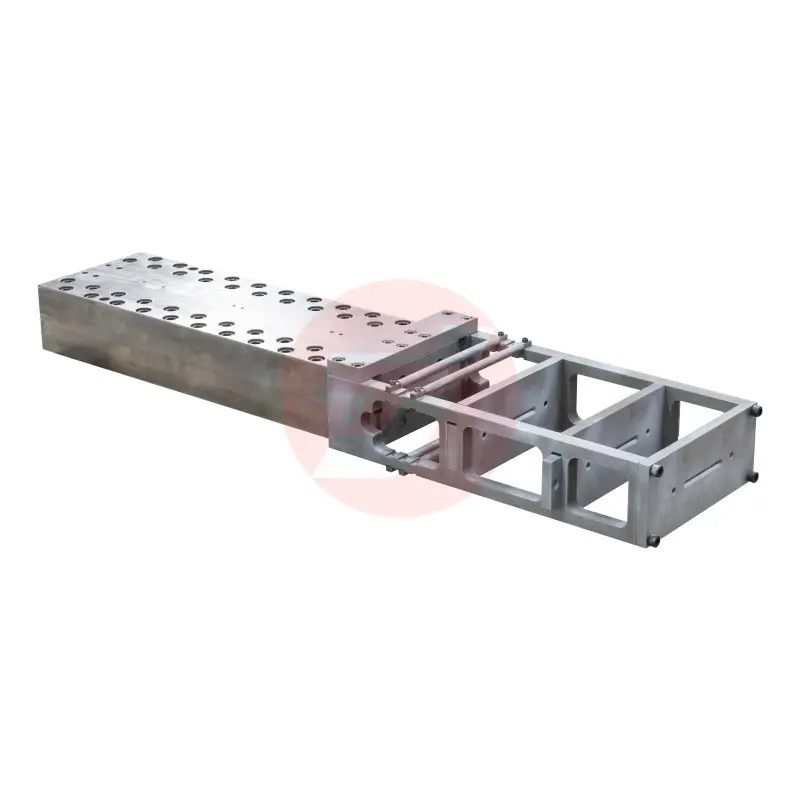
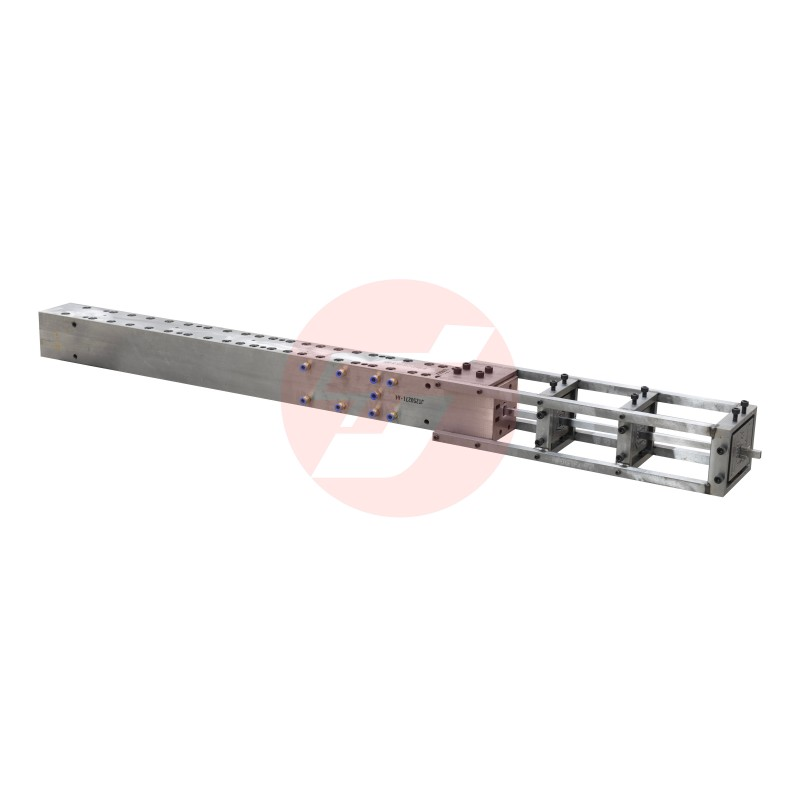
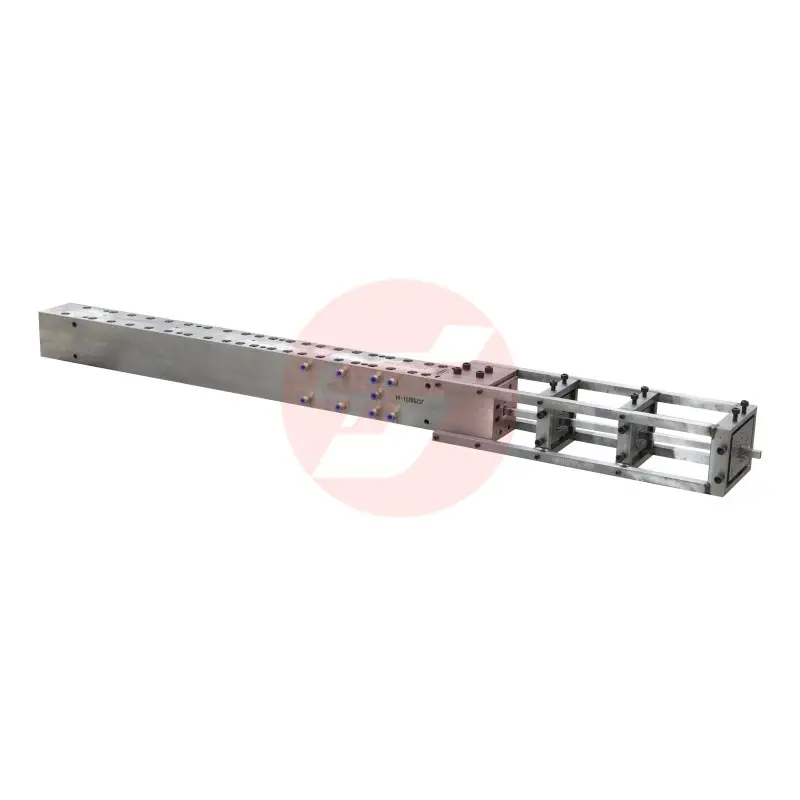
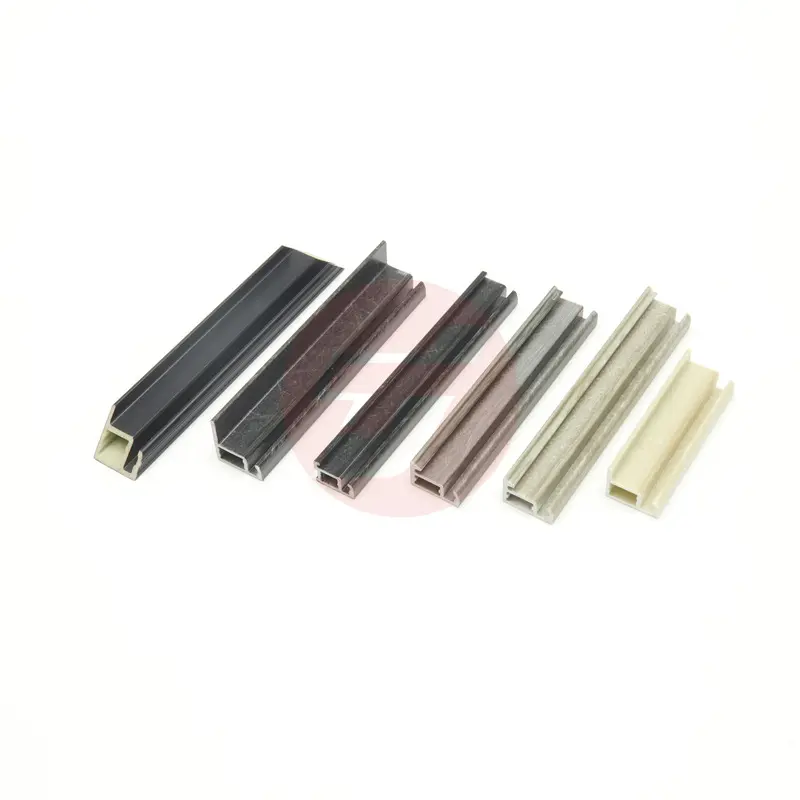
Lightweight FRP pultrusion molds represent a revolutionary advancement in composite manufacturing technology, designed specifically for creating high-performance fiber-reinforced plastic products through the pultrusion process. These specialized molds serve as the cornerstone of efficient composite production, enabling manufacturers to produce consistent, dimensionally accurate profiles with exceptional strength-to-weight ratios. The primary function of lightweight frp pultrusion molds involves shaping continuous fiber reinforcements impregnated with resin systems as they pass through heated die cavities, resulting in cured composite profiles with predetermined cross-sectional geometries. The technological features of these molds include precision-machined steel construction, advanced heating systems for optimal temperature control, and sophisticated cooling mechanisms that ensure proper curing cycles. Modern lightweight frp pultrusion molds incorporate computer-controlled temperature monitoring systems, allowing operators to maintain precise thermal profiles throughout the manufacturing process. The design flexibility of these molds enables production of complex geometries, including hollow sections, multi-cellular structures, and intricate surface textures that meet specific engineering requirements. Applications for lightweight frp pultrusion molds span across diverse industries, including construction, aerospace, automotive, marine, and infrastructure sectors. In construction applications, these molds produce structural beams, deck planking, and architectural elements that offer superior corrosion resistance and reduced maintenance requirements compared to traditional materials. The aerospace industry utilizes lightweight frp pultrusion molds to manufacture aircraft components, satellite structures, and drone frames where weight reduction is critical for performance optimization. Automotive manufacturers employ these molds for creating crash-resistant bumper beams, chassis components, and body panels that contribute to improved fuel efficiency through weight savings. Marine applications include production of boat hulls, masts, and offshore platform components that withstand harsh saltwater environments while maintaining structural integrity over extended service periods.

 EN
EN