Versatile Multi-Material Processing Capabilities
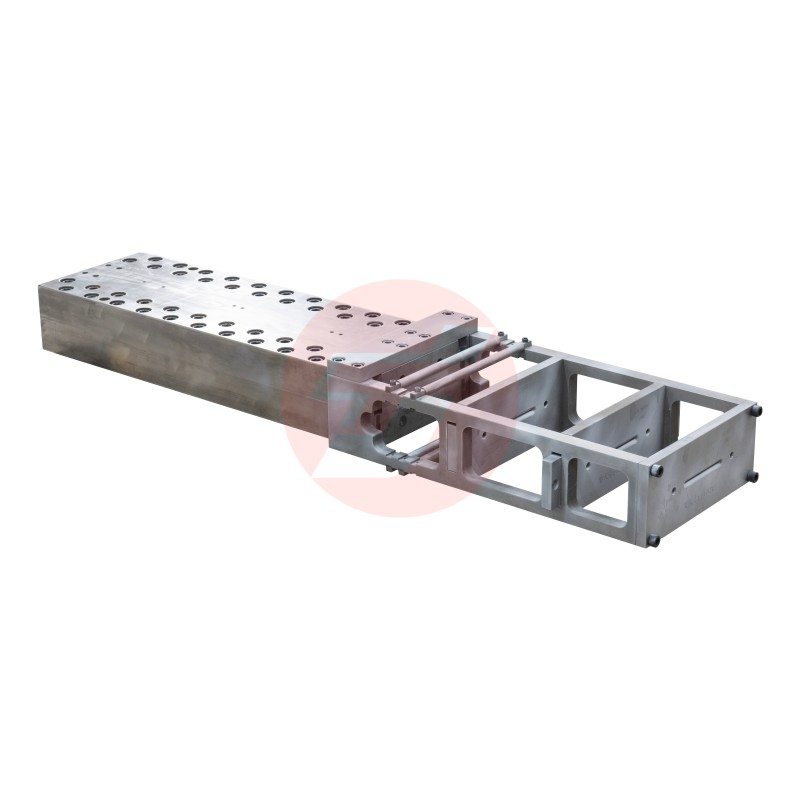
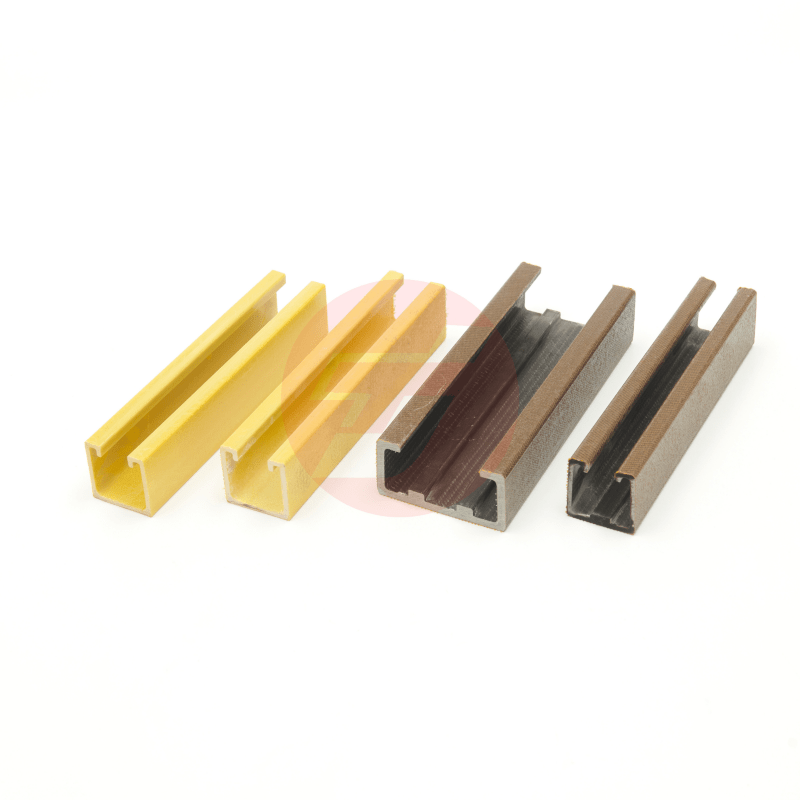
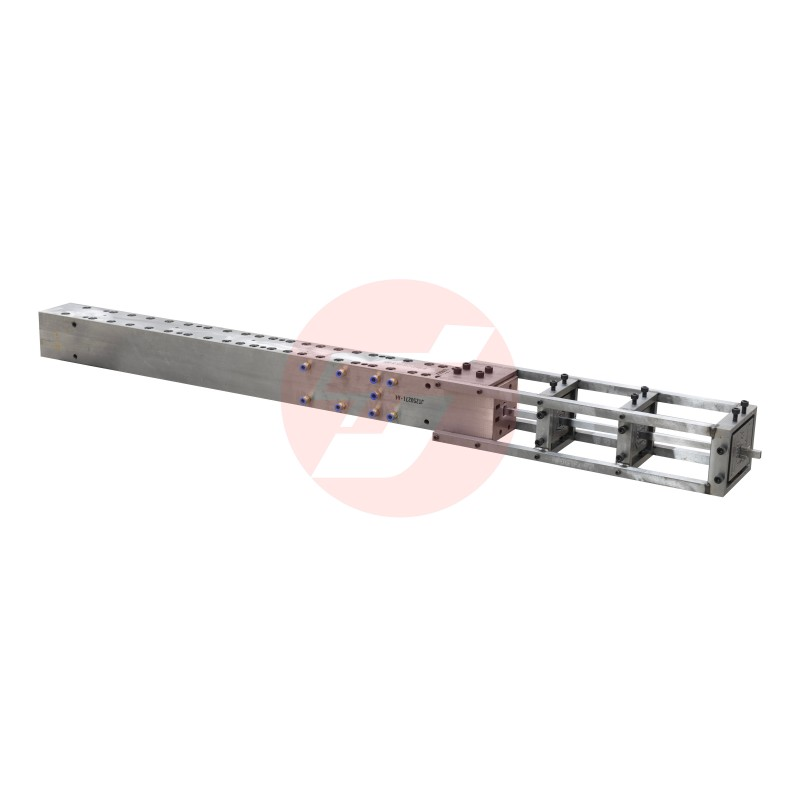
The frp composite compression mold demonstrates exceptional versatility in its ability to process a wide range of composite materials and configurations, making it an invaluable asset for manufacturers serving diverse markets and applications. This multi-material processing capability stems from the mold's adaptable design features, adjustable processing parameters, and compatibility with various fiber reinforcement systems and resin formulations. The mold can effectively process short-fiber compounds, continuous fiber reinforcements, woven fabrics, unidirectional preforms, and hybrid material combinations without requiring significant modifications or specialized tooling changes. This flexibility extends to various resin systems, including thermoset materials like epoxy, polyester, and vinyl ester resins, as well as thermoplastic matrix materials that require different processing approaches. The importance of this versatility cannot be understated in today's dynamic manufacturing environment, where companies must respond quickly to changing market demands and customer specifications. The ability to process multiple material types using a single mold platform significantly reduces capital equipment requirements, simplifies production planning, and enables manufacturers to pursue new market opportunities without substantial additional investments. The frp composite compression mold achieves this versatility through carefully engineered design features that accommodate different material characteristics and processing requirements. Adjustable cavity dimensions, removable inserts, and modular tooling components allow rapid reconfiguration for different part geometries and material systems. The sophisticated control systems can store multiple processing recipes and automatically adjust temperature, pressure, and timing parameters for different materials, ensuring optimal results regardless of the specific composite system being processed. The value proposition for potential customers is compelling and multifaceted. Manufacturers can maximize their equipment utilization by running different materials and products on the same mold platform, improving return on investment and reducing per-part tooling costs. The ability to process diverse materials also enables companies to serve multiple market segments and respond quickly to customer requests for different material specifications. This flexibility provides a significant competitive advantage in industries where material requirements are evolving rapidly or where customers demand customized solutions. Furthermore, the multi-material processing capabilities enable manufacturers to experiment with new material combinations and develop innovative products that can differentiate them in the marketplace.

 EN
EN