
 EN
EN
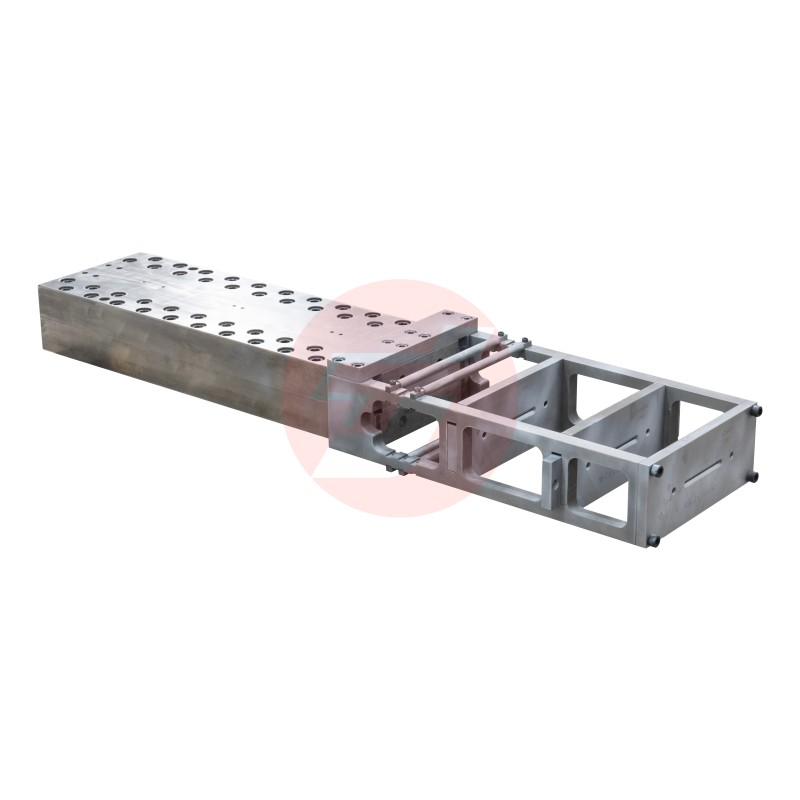
Manufacturing costs continue to challenge B2B buyers across industries, driving the need for innovative production methods that deliver superior performance while maintaining economic efficiency. Carbon fiber pultrusion has emerged as a transformative manufacturing process that addresses these concerns by offering consistent quality, reduced waste, and scalable production capabilities. This advanced composite manufacturing technique enables businesses to produce high-strength, lightweight components with remarkable cost-effectiveness compared to traditional manufacturing methods.
The pultrusion process represents a significant advancement in composite manufacturing, where continuous reinforcement fibers are pulled through a resin bath and then through a heated die to create constant cross-section profiles. This method has gained substantial traction among B2B buyers seeking to optimize their production costs while maintaining exceptional product quality. Industries ranging from aerospace and automotive to construction and renewable energy have recognized the economic advantages that carbon fiber pultrusion brings to their manufacturing operations.
Understanding the Economic Advantages of Carbon fiber pultrusion
Material Efficiency and Waste Reduction
Carbon fiber pultrusion excels in material utilization efficiency, significantly reducing waste compared to conventional composite manufacturing processes. The continuous nature of the pultrusion process ensures that nearly all input materials are incorporated into the final product, with waste levels typically below 2-3% of total material consumption. This efficiency translates directly into cost savings for B2B buyers, as raw material expenses often constitute 40-60% of total production costs in composite manufacturing.
Traditional manufacturing methods like hand lay-up or autoclave molding frequently generate substantial material waste through trimming, excess resin, and rejected parts. Carbon fiber pultrusion minimizes these inefficiencies by maintaining precise control over fiber-to-resin ratios and producing consistent cross-sectional profiles. The automated nature of the process also reduces human error, further decreasing material waste and associated costs.
The controlled environment of pultrusion manufacturing allows for accurate prediction and management of material consumption, enabling better inventory planning and reduced carrying costs. B2B buyers benefit from predictable material usage patterns that facilitate more accurate cost forecasting and budget allocation for their manufacturing operations.
Labor Cost Optimization
The automated characteristics of carbon fiber pultrusion significantly reduce labor requirements compared to traditional composite manufacturing methods. While hand lay-up processes may require skilled technicians for extended periods, pultrusion operations can run continuously with minimal operator intervention once properly configured. This automation advantage allows B2B buyers to allocate their workforce more efficiently and reduce overall labor costs per unit produced.
Skilled composite technicians command premium wages in most markets, making labor-intensive manufacturing processes increasingly expensive. Carbon fiber pultrusion addresses this challenge by requiring fewer specialized operators while maintaining consistent quality standards. The learning curve for pultrusion operators is also typically shorter than for complex hand lay-up techniques, reducing training costs and time-to-productivity for new employees.
The continuous production capability of carbon fiber pultrusion enables manufacturers to achieve higher throughput rates with existing labor resources. This productivity improvement directly impacts the cost per unit, making pultrusion an attractive option for B2B buyers focused on maximizing their return on labor investment.
Production Speed and Throughput Benefits
Continuous Manufacturing Process
The continuous nature of carbon fiber pultrusion provides substantial advantages in production speed compared to batch-based manufacturing processes. Unlike autoclave curing or press molding, which require discrete cycles for each part or batch, pultrusion can operate continuously for extended periods, limited primarily by raw material supply and planned maintenance intervals. This continuous operation capability allows B2B buyers to achieve higher production volumes without proportional increases in equipment investment.
Production rates in carbon fiber pultrusion typically range from 1-10 feet per minute, depending on part complexity and cure requirements. This speed advantage becomes particularly significant when producing long, constant cross-section components such as structural beams, tubes, or rods. The ability to produce these components continuously rather than in discrete lengths reduces manufacturing time and associated overhead costs.
The elimination of cure cycle downtime between parts represents a major efficiency gain over traditional composite manufacturing methods. While autoclave processes may require several hours of cure time per batch, carbon fiber pultrusion maintains continuous output, maximizing equipment utilization and reducing the cost per unit produced.
Scalability and Volume Production
Carbon fiber pultrusion offers excellent scalability characteristics that benefit B2B buyers planning for growth or varying production volumes. The process can be easily scaled up by increasing line speed or adding parallel production lines without fundamental changes to the manufacturing approach. This scalability provides flexibility for buyers to adjust production capacity based on market demand without major capital expenditures.
Volume production capabilities of carbon fiber pultrusion enable economies of scale that reduce per-unit costs as production volumes increase. The fixed costs associated with equipment setup and tooling can be amortized over larger production runs, improving the overall cost-effectiveness of the manufacturing process. This advantage is particularly valuable for B2B buyers in markets with high volume requirements or seasonal demand fluctuations.
The consistency of pultrusion manufacturing also supports lean production principles, enabling just-in-time manufacturing strategies that reduce inventory carrying costs. B2B buyers can maintain lower finished goods inventory levels while ensuring reliable supply to their customers, improving cash flow and reducing working capital requirements.
Quality Consistency and Reduced Rejection Rates
Process Control and Repeatability
Carbon fiber pultrusion provides exceptional process control capabilities that result in consistent product quality and reduced rejection rates. The controlled environment of the pultrusion process, including precise temperature management, consistent pull speeds, and automated resin application, minimizes variability that can lead to defective parts. This consistency is crucial for B2B buyers who require reliable quality standards for their end products.
Advanced process monitoring systems used in modern carbon fiber pultrusion equipment provide real-time feedback on critical parameters such as temperature profiles, cure advancement, and fiber tension. This monitoring capability enables immediate adjustments to maintain optimal processing conditions, preventing the production of defective parts that would require costly rework or disposal.
The repeatability of the pultrusion process ensures that each linear foot of product maintains identical properties and dimensions, reducing variability in downstream processing and assembly operations. This consistency eliminates the need for extensive quality sorting and reduces the risk of field failures that could result in warranty claims and customer dissatisfaction.
Dimensional Accuracy and Surface Quality
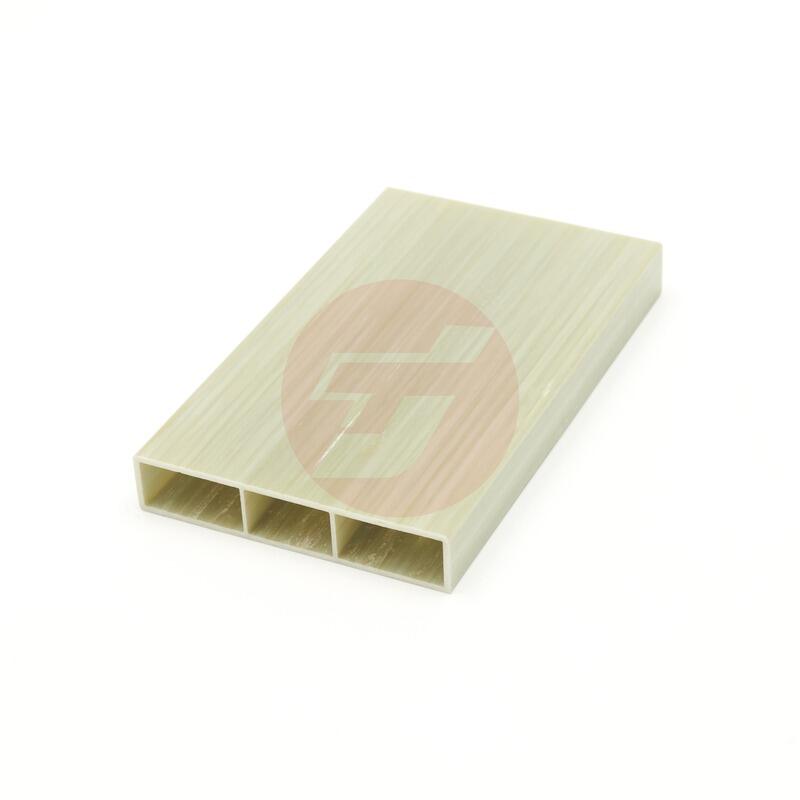
The controlled nature of carbon fiber pultrusion produces components with excellent dimensional accuracy and superior surface quality compared to many alternative manufacturing methods. The heated die system ensures consistent cross-sectional dimensions along the entire length of the product, eliminating the dimensional variations common in hand lay-up or spray-up processes.
Superior surface quality achieved through pultrusion often eliminates or reduces secondary finishing operations, providing additional cost savings for B2B buyers. The smooth, consistent surface finish typical of pultruded components may require minimal preparation for painting, bonding, or other finishing processes, reducing labor and material costs in downstream operations.
The dimensional consistency of carbon fiber pultrusion products facilitates automated assembly processes and reduces the need for custom fitting or adjustment during installation. This accuracy translates into labor savings during final product assembly and reduces the risk of assembly errors that could impact product performance or customer satisfaction.
Energy Efficiency and Environmental Benefits
Reduced Energy Consumption
Carbon fiber pultrusion typically requires less energy per unit of production compared to alternative composite manufacturing processes, contributing to reduced manufacturing costs for B2B buyers. The continuous heating system used in pultrusion maintains steady-state temperatures more efficiently than batch processes that require repeated heating and cooling cycles. This energy efficiency translates directly into lower utility costs and improved environmental performance.
The elimination of autoclave processing, which requires high pressure and temperature for extended periods, provides significant energy savings in carbon fiber pultrusion applications. Autoclave cycles can consume substantial amounts of energy for heating, pressurization, and cooling, while pultrusion maintains continuous operation at more moderate energy levels.
Modern pultrusion equipment incorporates energy recovery systems that capture and reuse waste heat, further improving energy efficiency. These systems can reduce overall energy consumption by 15-25% compared to conventional heating systems, providing ongoing operational cost benefits for B2B buyers focused on sustainable manufacturing practices.
Sustainability and Regulatory Compliance
The environmental advantages of carbon fiber pultrusion extend beyond energy efficiency to include reduced emissions and waste generation. The closed-loop nature of many pultrusion systems minimizes volatile organic compound emissions, helping B2B buyers meet increasingly stringent environmental regulations while avoiding potential compliance costs and penalties.
Waste reduction in carbon fiber pultrusion operations contributes to lower disposal costs and reduced environmental impact. The minimal waste generation typical of pultrusion processes reduces the volume of composite waste requiring specialized disposal methods, which can be costly and logistically challenging for manufacturers.
The ability to incorporate recycled carbon fibers into pultrusion processes provides additional sustainability benefits while potentially reducing raw material costs. This capability allows B2B buyers to participate in circular economy initiatives and meet customer sustainability requirements without compromising product performance or significantly increasing costs.
Tooling and Equipment Considerations
Initial Investment and Payback Period
While carbon fiber pultrusion requires initial investment in specialized equipment and tooling, the payback period for B2B buyers is typically favorable compared to alternative composite manufacturing methods. The durability and longevity of pultrusion dies, combined with high production rates, enable rapid amortization of tooling costs across large production volumes.
Pultrusion tooling generally exhibits longer service life than molds used in other composite processes, reducing the frequency and cost of tool replacement. Steel dies used in carbon fiber pultrusion can often produce millions of linear feet of product before requiring replacement, spreading tooling costs across substantial production volumes.
The modular nature of many pultrusion systems allows for incremental capacity expansion without complete equipment replacement. B2B buyers can add production lines or upgrade existing equipment as demand grows, providing flexibility in capital investment planning and risk management.
Maintenance and Operational Costs
Carbon fiber pultrusion equipment typically requires less maintenance than complex autoclave or press systems, contributing to lower operational costs for B2B buyers. The continuous operation characteristics of pultrusion reduce the mechanical stress associated with repeated heating and cooling cycles, extending equipment service life and reducing maintenance frequency.
Preventive maintenance programs for pultrusion equipment are generally straightforward and can be performed by in-house maintenance staff with appropriate training. This capability reduces dependence on external service providers and allows for better maintenance cost control and scheduling flexibility.
The reliability of modern carbon fiber pultrusion systems minimizes unplanned downtime, which can be costly in high-volume production environments. Predictable maintenance schedules enable better production planning and reduce the risk of delivery delays that could impact customer relationships and revenue.
Market Applications and Industry-Specific Benefits
Aerospace and Defense Applications
The aerospace and defense industries have recognized the cost advantages of carbon fiber pultrusion for producing structural components that require high strength-to-weight ratios. Pultruded carbon fiber components can replace metal parts while providing weight savings that translate into improved fuel efficiency and performance in aircraft applications.
Certification requirements in aerospace applications often demand consistent quality and traceability, which carbon fiber pultrusion processes can provide through documented process control and material tracking systems. This capability reduces certification costs and timeline compared to less controlled manufacturing processes.
The ability to produce long, continuous structural elements through carbon fiber pultrusion eliminates joints and connections that could represent failure points in critical applications. This structural integrity advantage can reduce assembly costs and improve overall system reliability for aerospace and defense B2B buyers.
Renewable Energy Sector Applications
Wind energy applications have become major consumers of carbon fiber pultrusion products, particularly for turbine blade structural elements and tower components. The cost-effectiveness of pultrusion enables wind energy developers to achieve competitive electricity generation costs while maintaining the structural performance required for long-term operation in demanding environments.
Solar energy installations utilize pultruded carbon fiber components for tracking systems and support structures, where the combination of lightweight design and corrosion resistance provides lifecycle cost advantages over traditional materials. The durability of carbon fiber pultrusion products reduces maintenance requirements and extends system service life.
The scalability of carbon fiber pultrusion production aligns well with the volume requirements of renewable energy projects, enabling cost-effective supply of standardized components across multiple installations. This scalability helps renewable energy developers achieve project economics that support widespread deployment of clean energy technologies.
FAQ
What is the typical cost savings percentage when switching to carbon fiber pultrusion?
Cost savings from carbon fiber pultrusion typically range from 20-40% compared to traditional composite manufacturing methods, depending on production volume, part complexity, and specific application requirements. These savings result from reduced material waste, lower labor requirements, improved production speed, and decreased quality-related costs. Higher volume applications generally achieve greater percentage savings due to economies of scale and fixed cost amortization.
How does production volume affect the cost-effectiveness of carbon fiber pultrusion?
Carbon fiber pultrusion becomes increasingly cost-effective as production volume increases, with break-even points typically occurring at relatively low volumes compared to alternative processes. The continuous production capability and minimal setup time between runs make pultrusion economical for both moderate and high-volume applications. Fixed costs such as equipment and tooling are amortized over larger production quantities, reducing per-unit costs substantially in high-volume scenarios.
What are the main factors that determine pultrusion manufacturing costs?
The primary cost factors in carbon fiber pultrusion include raw material costs, energy consumption, labor requirements, equipment amortization, and tooling expenses. Material costs typically represent the largest component, making efficient material utilization crucial for cost control. Production speed, quality yield rates, and equipment utilization also significantly impact overall manufacturing costs. Proper process optimization and maintenance can help minimize these cost components.
How quickly can carbon fiber pultrusion equipment pay for itself?
Payback periods for carbon fiber pultrusion equipment typically range from 18 months to 4 years, depending on production volume, product mix, and market conditions. High-volume applications with consistent demand generally achieve faster payback through better equipment utilization and economies of scale. The continuous production capability and lower operational costs of pultrusion systems contribute to favorable return on investment compared to batch-based manufacturing processes.
Table of Contents
- Understanding the Economic Advantages of Carbon fiber pultrusion
- Production Speed and Throughput Benefits
- Quality Consistency and Reduced Rejection Rates
- Energy Efficiency and Environmental Benefits
- Tooling and Equipment Considerations
- Market Applications and Industry-Specific Benefits
-
FAQ
- What is the typical cost savings percentage when switching to carbon fiber pultrusion?
- How does production volume affect the cost-effectiveness of carbon fiber pultrusion?
- What are the main factors that determine pultrusion manufacturing costs?
- How quickly can carbon fiber pultrusion equipment pay for itself?