Thermoset Compression Molds - Advanced Manufacturing Solutions for High-Performance Components

All Categories

Get a Free Quote

A professional manufacturer of composite material molds.
Email
WhatsApp
Name
Company Name
Message
0/1000
Attachment
Please upload at least an attachment
Up to 3 files,more 30mb,suppor jpg、jpeg、png、pdf、doc、docx、xls、xlsx、csv、txt

thermoset compression molds

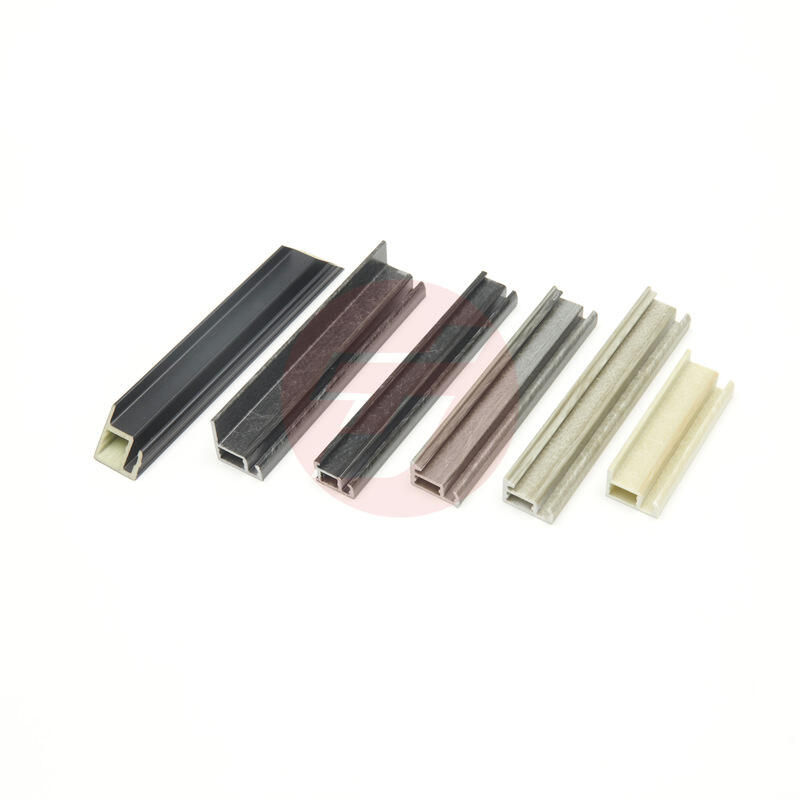
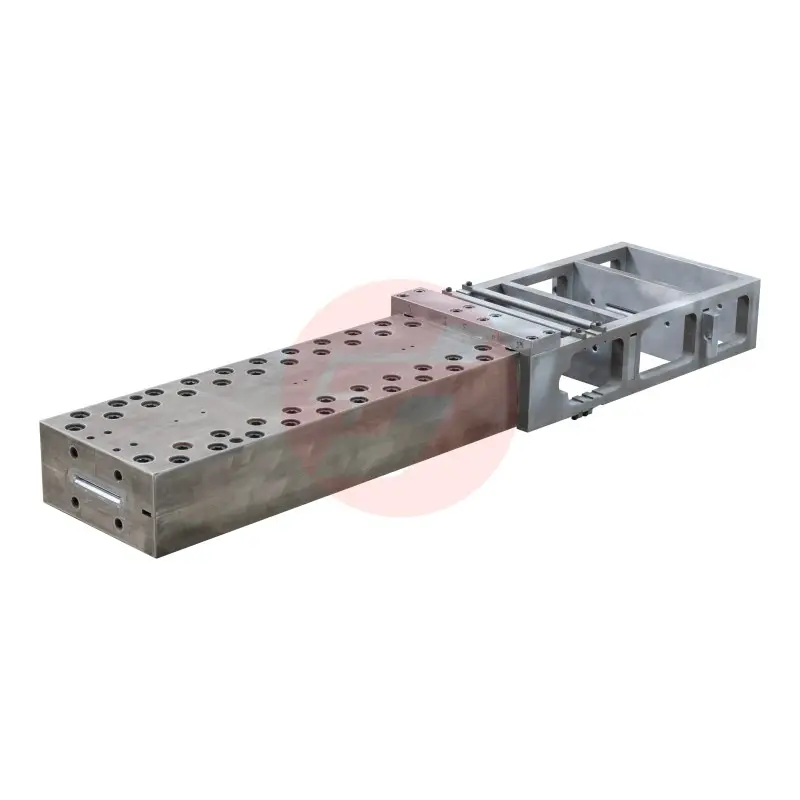
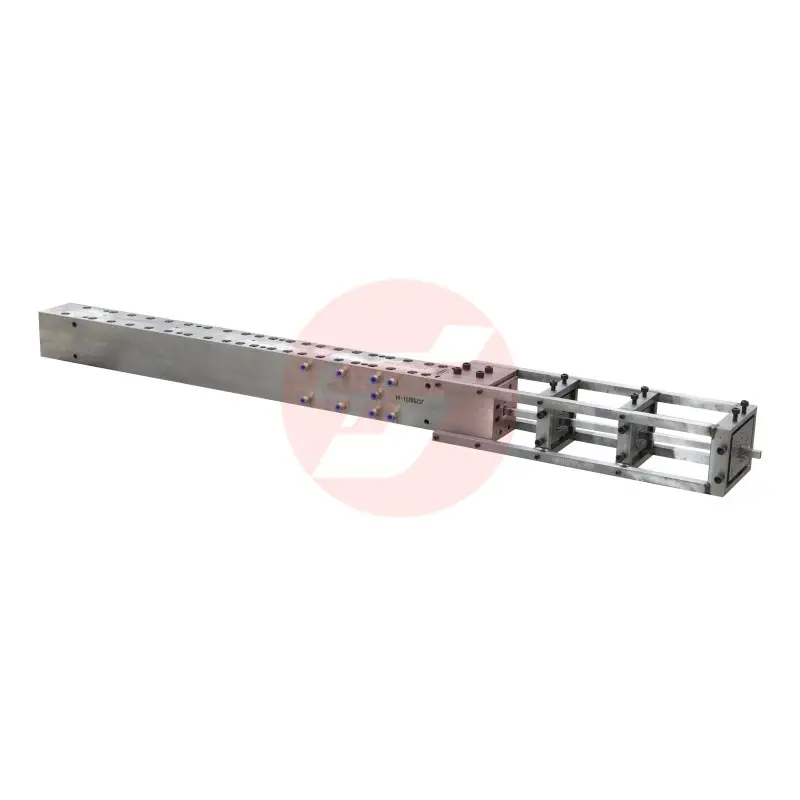
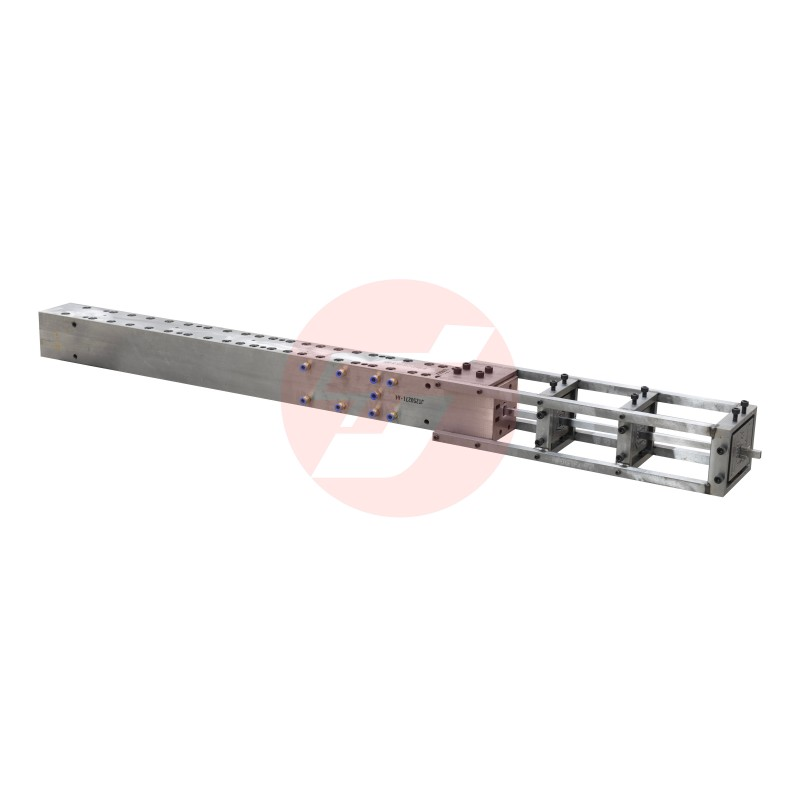
Thermoset compression molds represent a cornerstone technology in modern manufacturing, designed specifically for shaping thermosetting materials through controlled heat and pressure application. These precision-engineered tools facilitate the transformation of raw thermosetting compounds into finished products with exceptional dimensional accuracy and surface quality. The fundamental operation involves placing thermosetting material into the mold cavity, where simultaneous heat and compression trigger irreversible chemical cross-linking reactions that permanently cure the material into its final form. Unlike thermoplastic processing, thermoset compression molds work with materials that undergo permanent chemical changes during the molding process, creating products with superior heat resistance, chemical stability, and mechanical strength properties. The mold construction typically features hardened steel or specialized alloy materials capable of withstanding repeated thermal cycles and high compression forces. Advanced thermoset compression molds incorporate sophisticated temperature control systems, ensuring uniform heat distribution throughout the molding cycle. These systems often include embedded heating elements, thermal sensors, and computerized control units that maintain precise temperature profiles during material curing. The compression mechanism employs hydraulic or mechanical systems to apply consistent pressure across the entire mold surface, eliminating voids and ensuring complete material consolidation. Modern thermoset compression molds feature modular designs that accommodate various part geometries and production volumes. The mold cavity surface receives specialized treatments or coatings to facilitate easy part release while maintaining excellent surface finish transfer to the molded components. Ventilation systems within the mold structure allow volatile compounds to escape during the curing process, preventing defects and ensuring consistent part quality. The technological sophistication of contemporary thermoset compression molds enables manufacturers to produce complex geometries with tight tolerances, multi-cavity operations for enhanced productivity, and automated demolding sequences that reduce labor requirements while maintaining consistent cycle times throughout production runs.


New Products

Thermoset compression molds deliver exceptional manufacturing benefits that directly impact production efficiency and product quality outcomes. These specialized tools produce components with outstanding dimensional stability, maintaining precise measurements even under extreme temperature variations and mechanical stress conditions. The compression molding process ensures complete material consolidation, eliminating internal voids and weak points that compromise structural integrity in finished products. Manufacturers benefit from significantly reduced material waste compared to alternative forming methods, as the compression process utilizes nearly all input material without generating substantial trim waste or requiring extensive secondary machining operations. The superior surface finish quality achieved through thermoset compression molds eliminates costly post-processing steps, delivering production-ready components directly from the mold. These tools accommodate a wide range of thermosetting materials, including phenolic resins, epoxy compounds, melamine formulations, and advanced composite matrices, providing manufacturers with extensive material selection flexibility. The robust construction of thermoset compression molds ensures extended operational life spans, often exceeding hundreds of thousands of cycles with proper maintenance protocols. This durability translates into lower per-part tooling costs and reduced production interruptions for mold replacement or major repairs. The compression molding process operates at relatively low pressures compared to injection molding alternatives, reducing equipment investment requirements and operational energy consumption while maintaining excellent part quality standards. Automated features integrated into modern thermoset compression molds enhance productivity through consistent cycle times, reduced labor dependencies, and improved workplace safety conditions. The technology accommodates both prototype development and high-volume production scenarios, allowing manufacturers to scale operations efficiently as demand increases. Quality control benefits include excellent repeatability between production cycles, minimal part-to-part variation, and consistent material properties throughout production runs. The enclosed mold environment protects materials from contamination during processing, ensuring reliable performance characteristics in finished components. These advantages combine to deliver significant cost savings, improved product performance, and enhanced manufacturing competitiveness across diverse industrial applications requiring high-performance thermosetting components.

Latest News

How to Select Carbon Fiber Pultruded Profiles for Engineering Projects?

29

Dec

How to Select Carbon Fiber Pultruded Profiles for Engineering Projects?

Carbon fiber pultruded profiles represent one of the most advanced composite materials available for modern engineering applications. These lightweight yet incredibly strong structural components have revolutionized industries ranging from aerospace ...
View More
What Advantages Do Glass Fiber Pultruded Products Offer in Construction?

29

Dec

What Advantages Do Glass Fiber Pultruded Products Offer in Construction?

Construction professionals are increasingly turning to advanced composite materials to meet the demanding requirements of modern infrastructure projects. Among these innovative solutions, glass fiber pultruded products have emerged as a superior alte...
View More
Why Are Photovoltaic Frame Pultrusion Molds Key to Panel Stability?

05

Jan

Why Are Photovoltaic Frame Pultrusion Molds Key to Panel Stability?

Solar panel manufacturing requires precision engineering at every stage, particularly when it comes to creating the structural frames that protect and support photovoltaic cells. The photovoltaic frame pultrusion mold represents a critical component ...
View More
How to Maintain Carbon Fiber Pultrusion Molds for Long-Term Stability?

13

Feb

How to Maintain Carbon Fiber Pultrusion Molds for Long-Term Stability?

Carbon fiber pultrusion molds represent one of the most critical components in manufacturing high-performance composite materials for industries ranging from aerospace to renewable energy. These precision-engineered tools require meticulous maintenan...
View More

Get a Free Quote

A professional manufacturer of composite material molds.
Email
WhatsApp
Name
Company Name
Message
0/1000
Attachment
Please upload at least an attachment
Up to 3 files,more 30mb,suppor jpg、jpeg、png、pdf、doc、docx、xls、xlsx、csv、txt

thermoset compression molds

Superior Temperature Control and Heat Distribution Systems

Superior Temperature Control and Heat Distribution Systems

Advanced thermoset compression molds incorporate state-of-the-art temperature management technologies that ensure optimal curing conditions throughout the entire molding process. These sophisticated systems feature precisely positioned heating elements strategically distributed across the mold structure to eliminate temperature variations that could compromise material curing uniformity. The integrated thermal control architecture includes multiple temperature zones, each equipped with independent sensors and heating circuits that respond to real-time temperature feedback. This multi-zone approach enables manufacturers to implement complex temperature profiles that accommodate different material formulations and part geometries, optimizing cure rates while preventing thermal degradation or incomplete cross-linking reactions. The thermal mass optimization of modern thermoset compression molds ensures rapid heat-up times and stable temperature maintenance during production cycles, reducing overall cycle times and improving manufacturing throughput. Advanced insulation systems minimize heat loss to the surrounding environment, improving energy efficiency while maintaining consistent mold temperatures. The temperature control systems feature programmable logic controllers that store multiple recipe profiles, allowing operators to quickly switch between different product specifications without manual recalibration procedures. Emergency thermal protection systems prevent overheating damage to both the mold and work materials, incorporating automatic shutdown sequences and alarm systems that alert operators to thermal anomalies. The precision temperature control capabilities enable manufacturers to process advanced thermosetting formulations that require specific thermal cure profiles for optimal performance characteristics. These systems support gradient heating techniques that accommodate thick-section parts requiring controlled thermal penetration to prevent surface curing before core material reaches proper curing temperatures. The integration of predictive thermal modeling software helps optimize heating strategies for new part designs, reducing development time and material waste during process optimization phases.
Advanced Pressure Distribution and Force Management

Advanced Pressure Distribution and Force Management

The pressure application systems within thermoset compression molds represent critical technology that directly influences part quality, dimensional accuracy, and production consistency. Modern compression molds utilize sophisticated hydraulic or servo-electric systems that deliver precisely controlled compression forces across the entire mold surface area. These advanced pressure systems eliminate the common problems associated with uneven force distribution, such as material flow irregularities, dimensional variations, and surface defects that compromise finished part quality. The force management architecture incorporates multiple pressure zones that can be independently controlled to accommodate complex part geometries with varying wall thicknesses or material requirements. This multi-zone capability enables manufacturers to optimize pressure profiles for specific regions within the same part, ensuring complete material consolidation while preventing over-compression that could damage delicate features or create stress concentrations. Real-time pressure monitoring systems provide continuous feedback on force application throughout the molding cycle, enabling automatic adjustments that maintain optimal compression conditions even as material properties change during the curing process. The pressure control systems feature programmable force curves that can be customized for different material formulations, allowing manufacturers to optimize compression profiles for various thermosetting compounds without extensive trial-and-error development procedures. Safety systems integrated into the pressure management architecture prevent excessive force application that could damage the mold or create unsafe working conditions, incorporating pressure relief valves and emergency stop mechanisms. The uniform pressure distribution achieved through advanced platen designs and force transmission systems ensures consistent part thickness across the entire molded component, eliminating the dimensional variations that require costly secondary machining operations. Energy-efficient pressure systems reduce operational costs while maintaining excellent force control precision, incorporating regenerative hydraulic circuits and optimized servo-electric drives that minimize power consumption during compression cycles.
Precision Material Flow Control and Cavity Design Innovation

Precision Material Flow Control and Cavity Design Innovation

Contemporary thermoset compression molds feature revolutionary cavity design innovations and material flow control systems that optimize the distribution of thermosetting compounds throughout complex part geometries. These advanced design features incorporate sophisticated flow simulation analysis that predicts material movement patterns during the compression process, enabling engineers to optimize cavity configurations for uniform material distribution and complete mold filling. The precision-machined cavity surfaces feature calculated draft angles, radius transitions, and flow channel designs that guide material movement while minimizing flow-induced stresses that could create weak points in finished components. Advanced venting systems integrated into the cavity design allow controlled escape of volatile compounds and trapped air during material consolidation, preventing defects such as voids, blisters, or incomplete filling that compromise part integrity. The material flow control architecture includes strategically positioned gates and runners that ensure balanced material distribution in multi-cavity configurations, maintaining consistent part weights and properties across all molded components. Innovative cavity surface treatments and specialized release coatings facilitate easy part removal while preserving excellent surface finish transfer from the mold to the finished product. The precision cavity machining capabilities enable the production of complex internal features, undercuts, and intricate surface textures that would be impossible or extremely costly to achieve through secondary manufacturing operations. Modular cavity inserts allow manufacturers to modify part designs or accommodate design changes without complete mold reconstruction, significantly reducing tooling costs and development timelines for product variations. The cavity design optimization incorporates thermal expansion compensation features that maintain dimensional accuracy throughout temperature cycling, preventing the dimensional drift that affects part quality in conventional molding systems. Advanced simulation software integration enables virtual testing of material flow patterns and cavity filling sequences before physical mold construction, reducing development risks and optimizing design parameters for first-article success rates in new product launches.

Get a Free Quote

A professional manufacturer of composite material molds.
Email
WhatsApp
Name
Company Name
Message
0/1000
Attachment
Please upload at least an attachment
Up to 3 files,more 30mb,suppor jpg、jpeg、png、pdf、doc、docx、xls、xlsx、csv、txt