
 EN
EN
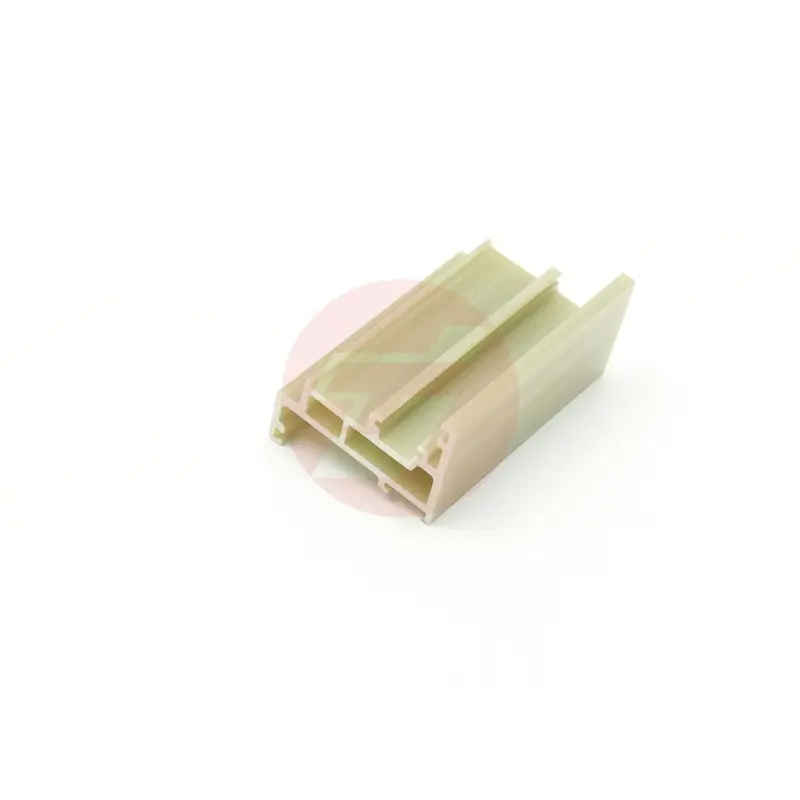
Epoxy pultrusion represents a revolutionary manufacturing process that combines the superior strength properties of epoxy resins with the continuous production capabilities of pultrusion technology. This advanced composite manufacturing method has transformed how industries approach high-strength material requirements, offering unprecedented performance characteristics that surpass traditional materials. Understanding the unique advantages of epoxy pultrusion helps engineers and manufacturers make informed decisions for demanding applications where structural integrity and performance are paramount.
The mechanical properties achieved through epoxy pultrusion manufacturing processes deliver exceptional tensile strength, flexural modulus, and impact resistance that consistently outperform conventional materials. Advanced fiber reinforcement combined with precisely controlled resin chemistry creates composite structures with predictable performance characteristics across diverse operating conditions. Modern industrial applications increasingly rely on these engineered materials to meet stringent performance specifications while maintaining cost-effectiveness and manufacturing efficiency.
Advanced Manufacturing Process and Technology
Continuous Production Methodology
The epoxy pultrusion process utilizes continuous fiber reinforcement pulled through heated dies containing catalyzed epoxy resin systems. This manufacturing approach ensures consistent cross-sectional geometry and uniform material properties throughout the entire length of produced components. Temperature control systems maintain precise curing conditions that optimize the cross-linking density of epoxy matrices, resulting in superior mechanical performance compared to discontinuous manufacturing methods.
Automated tension control systems regulate fiber alignment and resin impregnation during the pultrusion process, eliminating common defects associated with manual layup techniques. The continuous nature of epoxy pultrusion enables high-volume production while maintaining strict quality standards essential for critical applications. Modern pultrusion lines incorporate real-time monitoring systems that track temperature profiles, pull speeds, and resin gel times to ensure consistent product quality.
Precision Tooling and Die Design
Sophisticated tooling systems specifically designed for epoxy pultrusion applications enable the production of complex cross-sectional geometries with tight dimensional tolerances. Advanced die heating systems provide uniform temperature distribution that promotes complete epoxy cure while preventing thermal degradation of reinforcement fibers. Precision-machined dies ensure consistent wall thickness and surface quality that meet demanding industrial specifications.
The tooling design process for epoxy pultrusion incorporates computational fluid dynamics modeling to optimize resin flow patterns and eliminate potential void formation. Multi-zone heating systems allow independent temperature control across different die sections, enabling customized cure profiles for specific epoxy formulations. This level of process control results in components with predictable performance characteristics and minimal variation between production batches.
Superior Material Properties and Performance
Exceptional Strength-to-Weight Characteristics
Products manufactured through epoxy pultrusion demonstrate remarkable strength-to-weight ratios that significantly exceed those of traditional metallic materials. The combination of high-modulus reinforcement fibers with epoxy matrix systems creates composite structures capable of withstanding extreme mechanical loads while maintaining minimal weight penalties. These characteristics prove particularly valuable in aerospace, automotive, and marine applications where weight reduction directly impacts performance and efficiency.
Tensile strength values achieved through optimized epoxy pultrusion processes often surpass 1000 MPa in fiber direction, with specific strength values exceeding those of high-grade steel alloys. The anisotropic nature of pultruded composites allows engineers to tailor mechanical properties by adjusting fiber orientation and volume fractions to match specific loading conditions. This design flexibility enables the creation of optimized structures that deliver maximum performance with minimal material usage.
Chemical and Environmental Resistance
Epoxy pultrusion products exhibit outstanding resistance to harsh chemical environments, UV radiation, and extreme temperature variations that would rapidly degrade conventional materials. The cross-linked epoxy matrix provides excellent barrier properties against moisture absorption and chemical penetration, ensuring long-term durability in aggressive service environments. This chemical inertness makes epoxy pultrusion components ideal for chemical processing equipment, marine structures, and industrial infrastructure applications.
Thermal stability characteristics of epoxy pultrusion materials enable continuous operation at elevated temperatures without significant property degradation. Advanced epoxy formulations maintain mechanical properties at temperatures exceeding 150°C while resisting thermal cycling effects that cause fatigue in metallic components. The low coefficient of thermal expansion minimizes dimensional changes during temperature variations, ensuring precise fit and function in demanding applications.
Industrial Applications and Market Sectors
Aerospace and Defense Industries
The aerospace industry increasingly relies on epoxy pultrusion technology to produce lightweight structural components that meet stringent safety and performance requirements. Aircraft manufacturers utilize pultruded composite elements for wing spars, fuselage frames, and control surface structures where high strength and fatigue resistance are critical. The predictable mechanical properties and quality consistency achieved through epoxy pultrusion processes enable certification compliance and long-term operational reliability.
Defense applications benefit from the electromagnetic transparency and radar stealth characteristics inherent in epoxy pultrusion composites. Military vehicle armor systems incorporate pultruded components to achieve ballistic protection while minimizing weight penalties that affect mobility and fuel efficiency. The design flexibility of epoxy pultrusion enables the creation of complex geometries required for advanced defense systems while maintaining manufacturing cost-effectiveness.
Infrastructure and Construction Applications
Modern construction projects increasingly specify epoxy pultrusion products for structural elements where corrosion resistance and dimensional stability are paramount. Bridge decking systems, architectural panels, and utility poles manufactured through epoxy pultrusion processes provide decades of maintenance-free service in harsh environmental conditions. The non-conductive properties of these materials eliminate concerns about electrical hazards and galvanic corrosion that plague metallic alternatives.
Seismic retrofit applications utilize the energy absorption capabilities of epoxy pultrusion components to enhance structural resilience during earthquake events. The high damping characteristics and ductile failure modes of these composites provide improved safety margins compared to brittle conventional materials. Urban infrastructure projects benefit from the design flexibility and rapid installation capabilities enabled by lightweight epoxy pultrusion systems.
Economic Advantages and Cost-Effectiveness
Manufacturing Efficiency and Scalability
The continuous production nature of epoxy pultrusion processes delivers significant economic advantages through reduced labor costs and increased manufacturing throughput. Automated production lines operate with minimal operator intervention while maintaining consistent quality standards that eliminate costly rework and rejection rates. The scalability of epoxy pultrusion technology enables manufacturers to efficiently adjust production volumes based on market demand without major capital investments.
Energy efficiency advantages of epoxy pultrusion manufacturing result from the localized heating requirements and shorter cure cycles compared to autoclave processing methods. The elimination of expensive tooling changeouts and setup times enables rapid product transitions and reduced inventory carrying costs. These operational efficiencies translate into competitive pricing for end users while maintaining superior performance characteristics.
Lifecycle Cost Benefits
Long-term economic benefits of epoxy pultrusion products stem from their exceptional durability and minimal maintenance requirements throughout extended service lives. The corrosion resistance and dimensional stability of these materials eliminate periodic replacement costs associated with traditional materials in aggressive environments. Reduced maintenance intervals and extended service lives provide substantial lifecycle cost savings that offset higher initial material costs.
Insurance and liability benefits result from the predictable performance and safety characteristics of epoxy pultrusion components in critical applications. The consistent quality and traceability provided by controlled manufacturing processes reduce risk exposure and enable favorable insurance rates for projects utilizing these advanced materials. Performance guarantees and extended warranty coverage further enhance the economic attractiveness of epoxy pultrusion solutions.
Future Developments and Innovation Trends
Advanced Resin Systems and Formulations
Research and development efforts continue to advance epoxy pultrusion technology through the introduction of next-generation resin systems with enhanced performance characteristics. Bio-based epoxy formulations provide environmental benefits while maintaining the superior mechanical properties required for demanding applications. Nanostructured additives enhance matrix properties and enable new functionality such as self-healing capabilities and enhanced conductivity.
Smart material integration enables epoxy pultrusion products with embedded sensing capabilities for structural health monitoring and predictive maintenance applications. Advanced cure monitoring systems provide real-time feedback during manufacturing to optimize process parameters and ensure consistent product quality. These technological advances position epoxy pultrusion as a key enabling technology for next-generation industrial applications.
Sustainability and Environmental Considerations
Environmental sustainability initiatives drive the development of recyclable epoxy pultrusion materials and closed-loop manufacturing processes. Advanced recycling technologies enable the recovery and reuse of both fiber reinforcements and matrix materials from end-of-life components. Life cycle assessment studies demonstrate the environmental advantages of epoxy pultrusion products through reduced material consumption and extended service lives.
Carbon footprint reduction efforts focus on renewable energy integration in epoxy pultrusion manufacturing facilities and the utilization of sustainable raw materials. Industry collaborations promote the development of standardized recycling protocols and material identification systems to facilitate circular economy principles. These sustainability initiatives ensure the long-term viability of epoxy pultrusion technology in environmentally conscious markets.
FAQ
What makes epoxy pultrusion superior to traditional manufacturing methods
Epoxy pultrusion offers superior dimensional consistency, continuous production capabilities, and optimized fiber-to-resin ratios that result in predictable mechanical properties. The process eliminates many defects common in hand layup methods while providing cost-effective high-volume production. The controlled environment ensures complete cure and uniform quality throughout the entire component length.
How do the mechanical properties of epoxy pultrusion products compare to metals
Epoxy pultrusion products typically achieve higher specific strength and stiffness values compared to steel and aluminum while offering superior fatigue resistance and corrosion immunity. The anisotropic properties allow engineers to optimize material placement for specific loading conditions, often resulting in more efficient structural designs than isotropic metallic materials.
What are the typical applications where epoxy pultrusion excels
Epoxy pultrusion components excel in applications requiring high strength-to-weight ratios, corrosion resistance, and dimensional stability such as aerospace structures, marine components, electrical insulators, and infrastructure elements. The technology is particularly valuable where traditional materials experience performance limitations due to environmental factors or weight constraints.
What factors should be considered when selecting epoxy pultrusion for a project
Key considerations include loading requirements, environmental conditions, dimensional tolerances, production volumes, and cost objectives. The cross-sectional complexity, fiber orientation requirements, and surface finish specifications also influence the feasibility and economics of epoxy pultrusion for specific applications. Consultation with experienced manufacturers ensures optimal material selection and design optimization.