 EN
EN
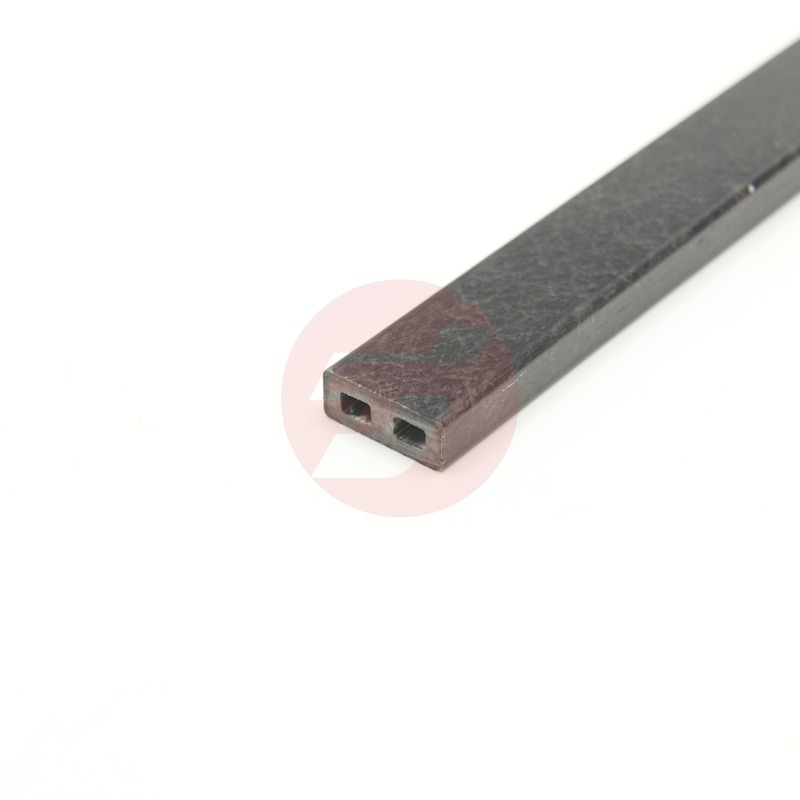
Modern manufacturing across diverse industries increasingly depends on advanced composite materials that deliver exceptional strength, durability, and versatility. Glass fiber pultruded profiles have emerged as a cornerstone solution for applications requiring high-performance structural components that resist corrosion, provide electrical insulation, and maintain dimensional stability under extreme conditions. These engineered composites combine continuous glass fiber reinforcement with polymer resins through a precise pultrusion manufacturing process, creating profiles that outperform traditional materials in numerous industrial applications. Understanding which industries rely most heavily on these innovative materials reveals the transformative impact of composite technology on modern infrastructure and manufacturing processes.
Construction and Infrastructure Applications
Structural Framework Systems
The construction industry represents one of the largest consumers of glass fiber pultruded profiles, utilizing these materials for structural framework systems that demand exceptional strength-to-weight ratios. Modern building projects increasingly specify pultruded composite profiles for applications ranging from pedestrian bridges to industrial platforms, where corrosion resistance and dimensional stability are paramount. These profiles eliminate the maintenance concerns associated with steel structures while providing comparable load-bearing capabilities.
Architects and structural engineers favor glass fiber pultruded profiles for their design flexibility and consistent mechanical properties across varying environmental conditions. The pultrusion process enables precise control over fiber orientation and resin distribution, resulting in profiles that maintain structural integrity under cyclic loading and temperature fluctuations. This reliability makes them ideal for critical infrastructure projects where long-term performance is essential.
Decking and Platform Solutions
Industrial decking applications extensively utilize glass fiber pultruded profiles for their superior slip resistance and chemical compatibility with harsh environments. Manufacturing facilities, water treatment plants, and offshore platforms rely on these composite materials to create safe working surfaces that resist degradation from exposure to chemicals, moisture, and UV radiation. The inherent electrical insulation properties of glass fiber pultruded profiles also provide additional safety benefits in electrical installations.
Platform construction using pultruded composite profiles significantly reduces installation time and maintenance requirements compared to traditional materials. The lightweight nature of these profiles simplifies handling and transportation while their standardized dimensions ensure consistent installation quality. This efficiency translates to reduced project costs and improved safety during construction phases.
Transportation and Automotive Industries
Railway Infrastructure Components
Railway systems worldwide increasingly incorporate glass fiber pultruded profiles for infrastructure components that must withstand dynamic loading and environmental stresses. Signal gantries, platform structures, and electrification supports benefit from the electrical insulation properties and corrosion resistance of these composite materials. The non-conductive nature of glass fiber pultruded profiles eliminates concerns about electrical interference with sensitive railway signaling systems.
Modern high-speed rail networks particularly value the dimensional stability of pultruded composite profiles under thermal cycling conditions. Traditional materials often experience significant thermal expansion that can compromise track alignment and system performance, while glass fiber composites maintain their structural geometry across wide temperature ranges. This stability ensures consistent performance and reduces maintenance interventions.
Automotive Manufacturing Applications
Automotive manufacturers utilize glass fiber pultruded profiles for specialized applications requiring lightweight yet durable components. Battery enclosures for electric vehicles benefit from the electrical insulation and fire retardant properties available in specially formulated pultruded profiles. The automotive industry's focus on weight reduction to improve fuel efficiency and electric vehicle range drives continued adoption of these advanced composite materials.
Production tooling and assembly fixtures in automotive plants often incorporate glass fiber pultruded profiles for their dimensional accuracy and chemical resistance to manufacturing processes. These profiles maintain their shape and properties when exposed to elevated temperatures and cleaning solvents commonly used in automotive production environments. Their consistent properties enable precise manufacturing tolerances essential for modern vehicle quality standards.
Marine and Offshore Engineering
Coastal Infrastructure Systems
Marine environments present unique challenges that make glass fiber pultruded profiles particularly valuable for coastal infrastructure projects. Seawalls, marina structures, and offshore platforms benefit from the exceptional corrosion resistance of these composite materials when exposed to saltwater and marine atmospheres. Unlike steel or aluminum alternatives, glass fiber pultruded profiles maintain their structural properties without protective coatings or cathodic protection systems.
The marine industry values glass fiber pultruded profiles for their resistance to galvanic corrosion and biological fouling. These materials do not support marine organism growth and resist the electrochemical processes that rapidly degrade metallic structures in seawater environments. This inherent resistance significantly extends service life and reduces maintenance costs for marine infrastructure projects.
Offshore Platform Applications
Offshore oil and gas platforms utilize glass fiber pultruded profiles for safety systems, walkways, and equipment supports that must function reliably in harsh marine environments. The combination of high strength and corrosion resistance makes these profiles ideal for applications where failure could result in significant safety and environmental consequences. Their lightweight properties also reduce the structural loading on offshore platforms, enabling more efficient designs.
Fire retardant formulations of glass fiber pultruded profiles meet stringent safety requirements for offshore applications. These specialized materials maintain structural integrity at elevated temperatures while producing minimal smoke and toxic gases during fire incidents. This performance characteristic is crucial for offshore platforms where evacuation options may be limited during emergency situations.
Chemical Processing and Industrial Manufacturing
Corrosive Environment Applications
Chemical processing facilities rely heavily on glass fiber pultruded profiles for equipment that must withstand exposure to aggressive chemicals and elevated temperatures. Storage tank supports, piping systems, and access platforms benefit from the inherent chemical resistance of these composite materials. Unlike metallic alternatives, glass fiber pultruded profiles do not require protective coatings or regular replacement due to chemical attack.
The chemical industry particularly values glass fiber pultruded profiles for their resistance to stress corrosion cracking and environmental stress cracking. These failure modes can cause catastrophic failures in traditional materials when exposed to specific chemical environments under stress. Pultruded composite profiles maintain their mechanical properties and structural integrity throughout their service life in these challenging applications.
Food and Pharmaceutical Manufacturing
Food processing and pharmaceutical manufacturing facilities utilize glass fiber pultruded profiles for applications requiring compliance with stringent hygiene and contamination control standards. The smooth surface finish and non-porous nature of these materials prevent bacterial growth and facilitate thorough cleaning procedures. Glass fiber pultruded profiles do not shed particles or contaminate products, making them ideal for clean room environments.
Pharmaceutical manufacturing particularly benefits from the electrical insulation properties of glass fiber pultruded profiles in areas where static electricity could pose explosion risks with solvent-based processes. These materials provide essential safety functions while maintaining the structural performance required for equipment supports and access platforms. Their resistance to cleaning chemicals and sterilization procedures ensures long-term reliability in these critical applications.
Electrical and Telecommunications Infrastructure
Power Distribution Systems
Electrical utilities extensively use glass fiber pultruded profiles for power distribution infrastructure that requires electrical insulation and structural support. Transmission line hardware, substation structures, and cable management systems benefit from the non-conductive properties of these composite materials. Glass fiber pultruded profiles eliminate the risk of electrical faults caused by conductive structural components while providing the mechanical strength required for utility applications.
The electrical industry values glass fiber pultruded profiles for their consistent dielectric properties across varying environmental conditions. Temperature changes, humidity fluctuations, and UV exposure do not significantly affect the electrical insulation performance of properly formulated composite materials. This stability ensures reliable electrical isolation throughout the service life of power distribution equipment.
Telecommunications Tower Applications
Telecommunications infrastructure increasingly incorporates glass fiber pultruded profiles for antenna supports and equipment platforms that must minimize electromagnetic interference. The transparent nature of these materials to radio frequency signals makes them ideal for applications near sensitive antenna systems. Glass fiber pultruded profiles provide necessary structural support without creating signal reflection or absorption issues that can degrade system performance.
Modern cellular networks particularly benefit from the lightweight properties of glass fiber pultruded profiles in tower construction and modification projects. These materials reduce the structural loading on existing towers while providing the strength required for mounting equipment. The corrosion resistance of pultruded composite profiles also eliminates maintenance concerns in exposed outdoor installations subject to weather and pollution.
FAQ
What are the primary advantages of glass fiber pultruded profiles over traditional materials?
Glass fiber pultruded profiles offer superior corrosion resistance, excellent strength-to-weight ratios, electrical insulation properties, and dimensional stability compared to steel, aluminum, or wood alternatives. These materials require minimal maintenance, resist chemical attack, and maintain their properties across wide temperature ranges, making them ideal for demanding industrial applications.
How do glass fiber pultruded profiles perform in extreme weather conditions?
These composite materials excel in extreme weather conditions due to their low thermal expansion coefficients and UV resistance when properly formulated. Glass fiber pultruded profiles maintain structural integrity through freeze-thaw cycles, high winds, and prolonged sun exposure without the dimensional changes that affect traditional materials. Their performance remains consistent across temperature ranges from arctic to desert conditions.
What industries benefit most from the electrical insulation properties of glass fiber pultruded profiles?
Industries handling electrical power distribution, telecommunications, chemical processing with explosion risks, and railway electrification systems gain significant safety and performance benefits from the electrical insulation properties of glass fiber pultruded profiles. These materials eliminate risks associated with conductive structural components while providing necessary mechanical support for critical infrastructure.
How do glass fiber pultruded profiles contribute to sustainable manufacturing practices?
Glass fiber pultruded profiles support sustainability through their extended service life, reduced maintenance requirements, and potential for recycling at end-of-life. These materials eliminate the need for protective coatings, reduce replacement frequency, and their lightweight properties decrease transportation energy requirements. Many manufacturers now offer bio-based resin formulations that further enhance the environmental profile of pultruded composite products.
Table of Contents
- Construction and Infrastructure Applications
- Transportation and Automotive Industries
- Marine and Offshore Engineering
- Chemical Processing and Industrial Manufacturing
- Electrical and Telecommunications Infrastructure
-
FAQ
- What are the primary advantages of glass fiber pultruded profiles over traditional materials?
- How do glass fiber pultruded profiles perform in extreme weather conditions?
- What industries benefit most from the electrical insulation properties of glass fiber pultruded profiles?
- How do glass fiber pultruded profiles contribute to sustainable manufacturing practices?