lightweight mold
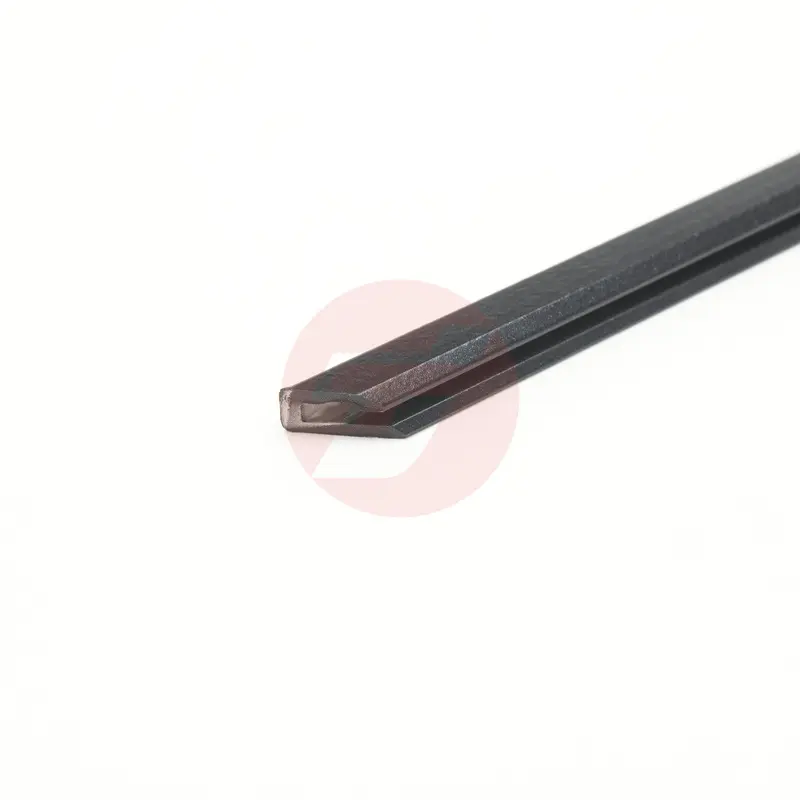
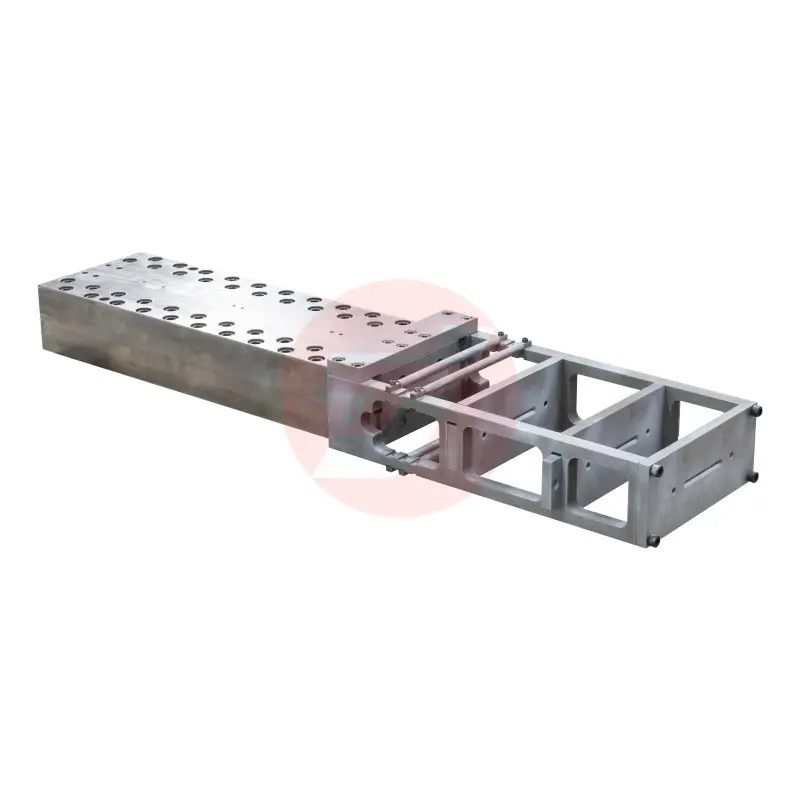
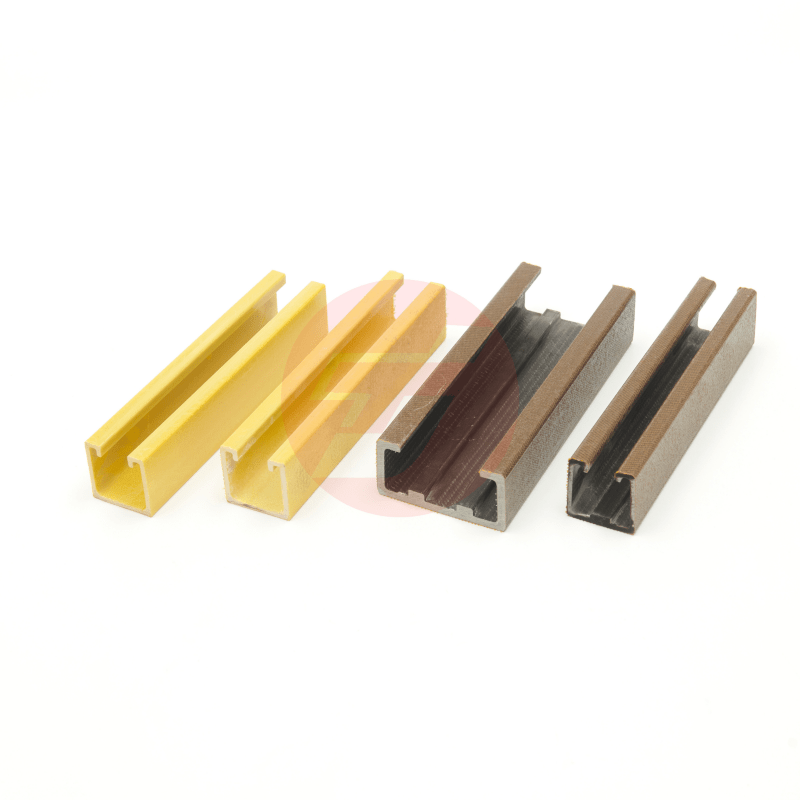
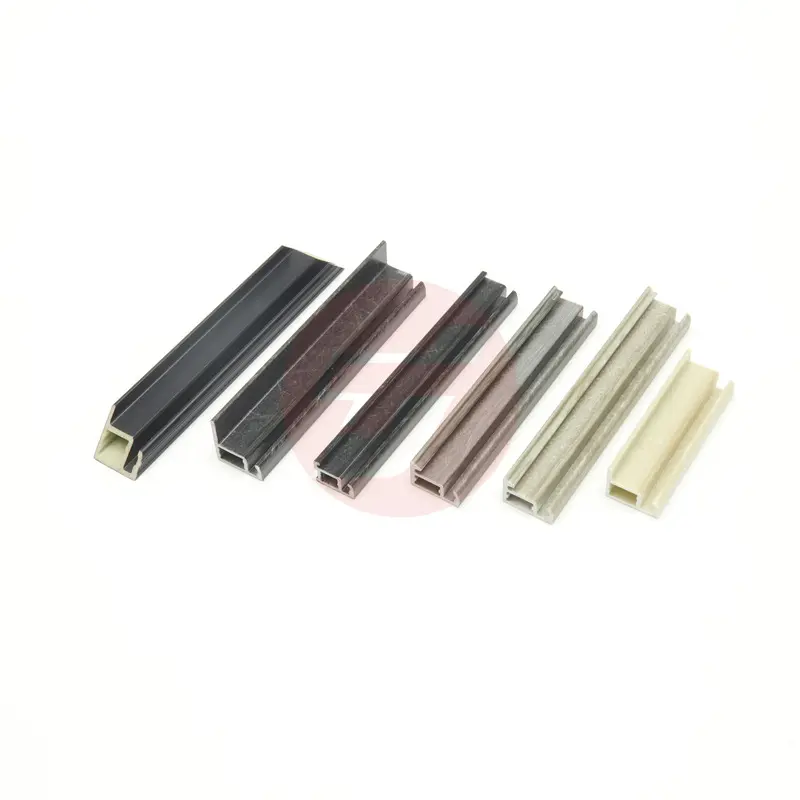
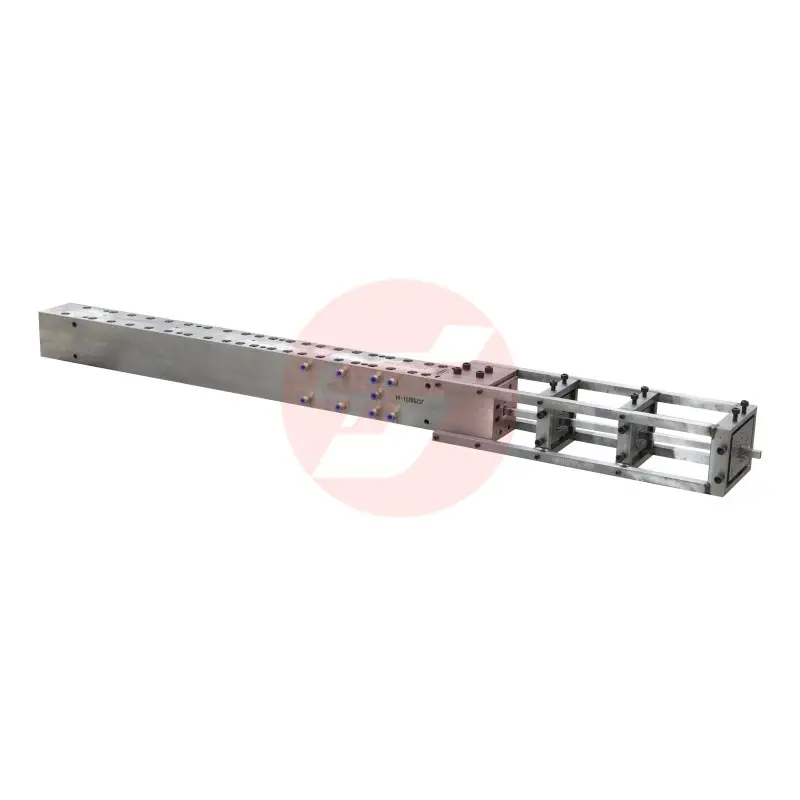
Lightweight mold technology represents a revolutionary advancement in manufacturing processes, offering unprecedented efficiency and performance across diverse industrial applications. A lightweight mold is an innovative tooling solution designed to reduce weight while maintaining structural integrity and dimensional accuracy during production cycles. These molds incorporate advanced materials and engineering techniques to achieve optimal strength-to-weight ratios, making them ideal for high-volume manufacturing environments where speed and precision are paramount. The primary function of a lightweight mold involves shaping materials through injection molding, compression molding, or thermoforming processes while significantly reducing cycle times and energy consumption. Technological features include hollow construction methods, strategic material removal, and integration of cooling channels that enhance heat dissipation. Advanced computer-aided design software enables engineers to optimize wall thickness distribution and create internal support structures that maintain rigidity without excess material. Manufacturing applications span automotive components, consumer electronics, medical devices, aerospace parts, and packaging industries. The lightweight mold system utilizes high-strength aluminum alloys, carbon fiber composites, and specialized steel grades to achieve superior performance characteristics. Temperature control systems integrated within the lightweight mold structure ensure consistent thermal management throughout production cycles. Precision machining techniques create exact cavity dimensions while maintaining surface finish requirements. Quality control measures include dimensional inspection, stress testing, and thermal analysis to verify performance standards. Production capacity increases dramatically when implementing lightweight mold technology due to reduced machine stress and faster cycling capabilities. Material compatibility extends to various thermoplastics, thermosets, and composite materials commonly used in modern manufacturing. Installation procedures require minimal equipment modifications, making lightweight mold adoption straightforward for existing production facilities. Maintenance requirements decrease significantly compared to traditional heavy tooling systems, resulting in improved operational efficiency and reduced downtime.

 EN
EN