
 EN
EN
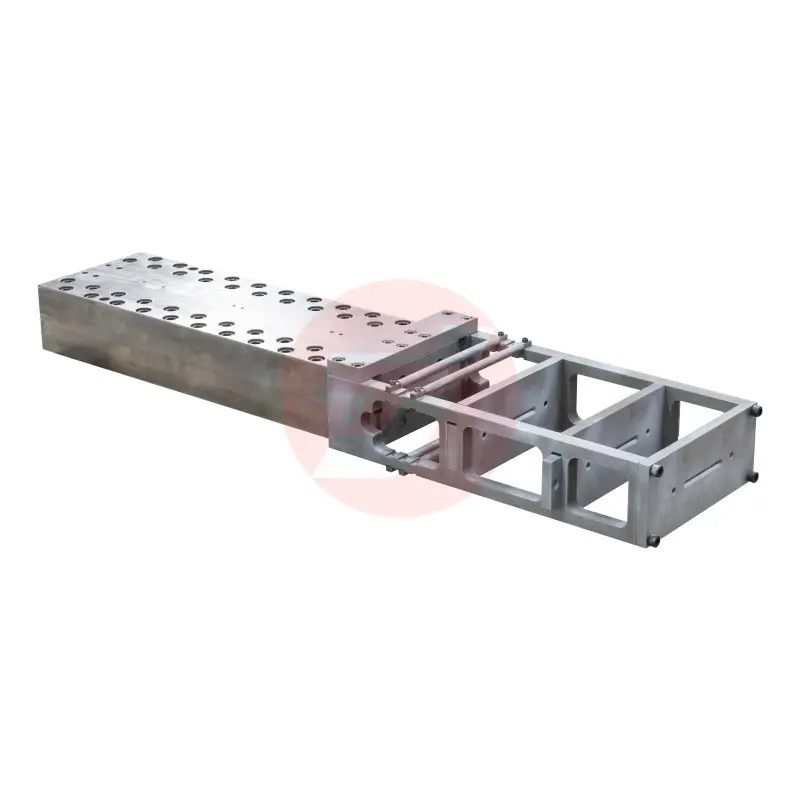
The wind energy sector has experienced unprecedented growth as global demand for renewable energy solutions continues to surge. Original Equipment Manufacturers (OEMs) in the wind turbine industry face increasing pressure to deliver high-performance, durable, and cost-effective solutions. Among the critical components that determine turbine efficiency and longevity, carbon fiber beam molds play a pivotal role in manufacturing precision-engineered structural elements. These specialized manufacturing tools have become indispensable for creating the lightweight yet robust carbon fiber beams that form the backbone of modern wind turbine designs.
Engineering Excellence in Wind Energy Manufacturing
Precision Requirements for Modern Wind Turbines
Wind turbine OEMs operate in an environment where marginal improvements in component accuracy translate directly to enhanced energy output and reduced maintenance costs. The structural integrity of wind turbines depends heavily on the precise manufacturing of carbon fiber beams that support massive rotor assemblies and withstand extreme environmental conditions. High-accuracy carbon fiber beam molds enable manufacturers to achieve dimensional tolerances that were previously unattainable with traditional manufacturing methods. These precision-engineered tools ensure consistent beam geometry across production runs, eliminating variations that could compromise turbine performance or structural reliability.
The demanding operational environment of wind turbines requires structural components that maintain their dimensional stability under cyclic loading, temperature fluctuations, and exposure to harsh weather conditions. Carbon fiber beam molds designed with superior accuracy enable OEMs to produce beams with uniform wall thickness, precise fiber orientation, and optimal resin distribution. This level of manufacturing precision directly correlates with the long-term durability and performance characteristics that distinguish premium wind turbine systems in the marketplace.
Material Optimization and Cost Efficiency
The economics of wind energy production hinge on maximizing energy output while minimizing lifecycle costs, making material optimization a critical factor for OEM success. High-accuracy carbon fiber beam molds facilitate precise control over material usage, reducing waste and ensuring optimal fiber-to-resin ratios in finished components. This precision manufacturing approach enables OEMs to achieve consistent mechanical properties while minimizing material consumption, directly impacting both product quality and manufacturing costs.
Advanced mold designs incorporate sophisticated temperature control systems and pressure distribution mechanisms that optimize the curing process for carbon fiber composites. These features ensure uniform consolidation of fiber layers and eliminate common manufacturing defects such as voids, delaminations, or resin-rich areas. The resulting carbon fiber beams exhibit superior strength-to-weight ratios and predictable mechanical properties, essential characteristics for wind turbine applications where structural reliability is paramount.
Manufacturing Process Advantages
Production Scalability and Consistency
Wind turbine OEMs must balance the competing demands of large-scale production with uncompromising quality standards. High-accuracy carbon fiber beam molds provide the foundation for scalable manufacturing processes that maintain dimensional precision across thousands of production cycles. The robust construction and precision machining of these molds ensure dimensional stability over extended production runs, enabling OEMs to meet increasing market demand without compromising component quality.
The repeatability inherent in precision-manufactured molds translates to reduced quality control requirements and minimized rework rates in production facilities. Each carbon fiber beam produced using high-accuracy molds meets stringent dimensional specifications without requiring extensive post-production machining or adjustment. This manufacturing efficiency reduces labor costs, shortens production cycles, and improves overall facility throughput, critical factors in maintaining competitive positioning in the rapidly evolving wind energy market.
Quality Control and Traceability
Modern wind turbine projects require comprehensive documentation and traceability for all structural components, driven by safety regulations and performance warranty requirements. High-accuracy carbon fiber beam molds incorporate advanced monitoring systems that track critical process parameters throughout the manufacturing cycle. Temperature sensors, pressure monitoring devices, and cure monitoring systems provide real-time data that ensures each component meets specifications while creating a permanent record for quality assurance purposes.
The integration of digital manufacturing technologies with precision mold systems enables automated documentation of production parameters, material lot numbers, and quality verification data. This comprehensive traceability supports warranty claims, facilitates preventive maintenance programs, and provides valuable feedback for continuous improvement initiatives. OEMs leverage this data to optimize manufacturing processes, identify potential quality issues before they impact production, and demonstrate compliance with increasingly stringent industry standards.
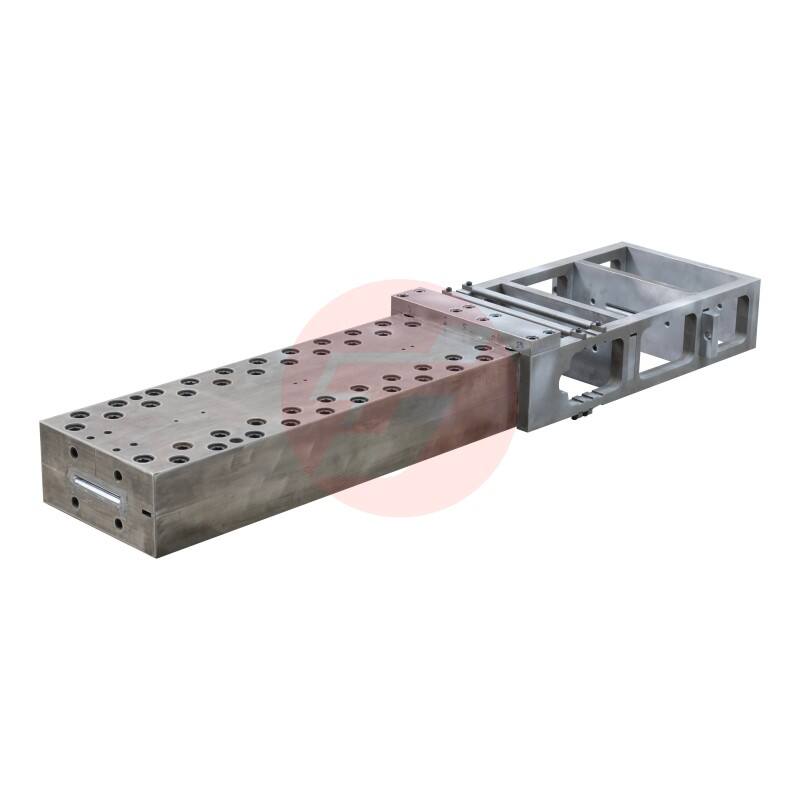
Technical Performance Benefits
Structural Integrity and Load Distribution
The structural demands placed on wind turbine components exceed those found in most other industrial applications, requiring carbon fiber beams that can withstand decades of cyclic loading while maintaining dimensional stability. High-accuracy carbon fiber beam molds enable the production of components with optimized fiber architectures that maximize strength in critical load directions while minimizing weight penalties. The precise control over fiber placement and orientation achievable with advanced mold systems ensures that structural loads are distributed efficiently throughout the composite structure.
Advanced mold designs incorporate features that promote optimal fiber wet-out and consolidation, eliminating potential failure initiation sites such as dry fiber regions or excessive void content. The resulting carbon fiber beams exhibit predictable failure modes and enhanced fatigue resistance, critical characteristics for wind turbine applications where component reliability directly impacts energy production and maintenance costs. This level of structural predictability enables OEMs to optimize designs with confidence while meeting safety factors required by certification standards.
Dimensional Accuracy and Assembly Efficiency
Wind turbine assembly processes require components that fit together with minimal adjustment or modification, making dimensional accuracy a critical factor in manufacturing efficiency. Carbon fiber beam molds with superior accuracy ensure that finished components meet tight geometric tolerances, facilitating rapid assembly and reducing field installation time. The precision achievable with advanced mold systems eliminates the need for extensive machining or modification of finished components, reducing both manufacturing costs and assembly complexity.
The geometric precision enabled by high-accuracy molds extends beyond individual component dimensions to encompass critical interface features such as bolt patterns, mounting surfaces, and connection points. This manufacturing precision ensures compatibility with other turbine components and reduces the risk of field assembly issues that could delay project completion or compromise structural integrity. OEMs benefit from reduced warranty claims, simplified field service procedures, and enhanced customer satisfaction resulting from trouble-free installation processes.
Economic and Strategic Advantages
Return on Investment and Market Position
The initial investment in high-accuracy carbon fiber beam molds represents a strategic decision that impacts long-term manufacturing economics and market competitiveness. While precision molds require higher upfront investment compared to conventional tooling, the resulting improvements in product quality, manufacturing efficiency, and customer satisfaction generate substantial returns over the mold's operational lifetime. OEMs utilizing advanced mold systems can command premium pricing for their products while reducing manufacturing costs through improved efficiency and reduced waste.
The competitive advantages gained through superior component quality enable OEMs to secure larger contracts and establish long-term partnerships with project developers and utilities. The reputation for reliability and performance quality that results from precision manufacturing creates sustainable competitive differentiation in increasingly crowded wind energy markets. This market positioning translates to improved profit margins, greater market share, and enhanced financial performance for forward-thinking OEMs.
Technology Leadership and Innovation
Investment in high-accuracy carbon fiber beam molds demonstrates technological leadership and commitment to innovation, characteristics that resonate with customers seeking cutting-edge wind energy solutions. The manufacturing capabilities enabled by precision tooling support the development of next-generation turbine designs with enhanced performance characteristics and improved reliability. This technological leadership position enables OEMs to influence industry standards, participate in advanced research initiatives, and attract top engineering talent.
The data generated through precision manufacturing processes provides valuable insights for continuous improvement initiatives and new product development programs. Advanced mold systems equipped with monitoring capabilities generate comprehensive datasets that inform design optimization, material selection, and process enhancement efforts. This wealth of manufacturing intelligence supports innovation cycles that keep OEMs at the forefront of wind energy technology development while creating intellectual property assets that provide long-term competitive advantages.
FAQ
What makes carbon fiber beam molds more accurate than traditional manufacturing tools?
High-accuracy carbon fiber beam molds incorporate precision machining techniques, advanced materials, and sophisticated temperature control systems that maintain dimensional stability throughout the manufacturing process. These molds feature hardened steel or ceramic surfaces machined to tolerances measured in thousandths of an inch, ensuring consistent component geometry across thousands of production cycles. The integration of heating elements, cooling channels, and pressure distribution systems enables precise control over the curing process, resulting in carbon fiber beams with superior dimensional accuracy and mechanical properties.
How do precision molds impact wind turbine performance and reliability?
Precision-manufactured carbon fiber beams produced using high-accuracy molds exhibit consistent mechanical properties, optimal fiber orientation, and predictable structural behavior under load. This manufacturing precision directly translates to enhanced wind turbine performance through improved energy capture efficiency, reduced vibration levels, and extended operational lifetimes. The dimensional accuracy achieved with precision molds also facilitates trouble-free assembly and reduces maintenance requirements, contributing to lower lifecycle costs and improved project economics for wind energy developers.
What return on investment can OEMs expect from high-accuracy mold systems?
While high-accuracy carbon fiber beam molds require substantial initial investment, OEMs typically realize returns through multiple channels including reduced material waste, improved manufacturing efficiency, enhanced product quality, and premium pricing opportunities. The precision and consistency achieved with advanced mold systems reduce rework rates, minimize quality control requirements, and enable faster production cycles. Additionally, the superior product quality supports warranty cost reduction and customer retention, contributing to long-term profitability and market share growth.
How do precision molds support scalable wind turbine production?
High-accuracy carbon fiber beam molds provide the foundation for scalable manufacturing processes by ensuring consistent component quality across large production volumes. The robust construction and precision engineering of these molds maintain dimensional accuracy over extended production runs, enabling OEMs to meet increasing market demand without compromising quality standards. Automated process monitoring and quality control systems integrated with precision molds support high-volume production while maintaining the traceability and documentation required for wind energy applications.