Custom Composite Molds: Precision Manufacturing Solutions for Advanced Materials

All Categories

Get a Free Quote

A professional manufacturer of composite material molds.
Email
WhatsApp
Name
Company Name
Message
0/1000
Attachment
Please upload at least an attachment
Up to 3 files,more 30mb,suppor jpg、jpeg、png、pdf、doc、docx、xls、xlsx、csv、txt

custom composite mold

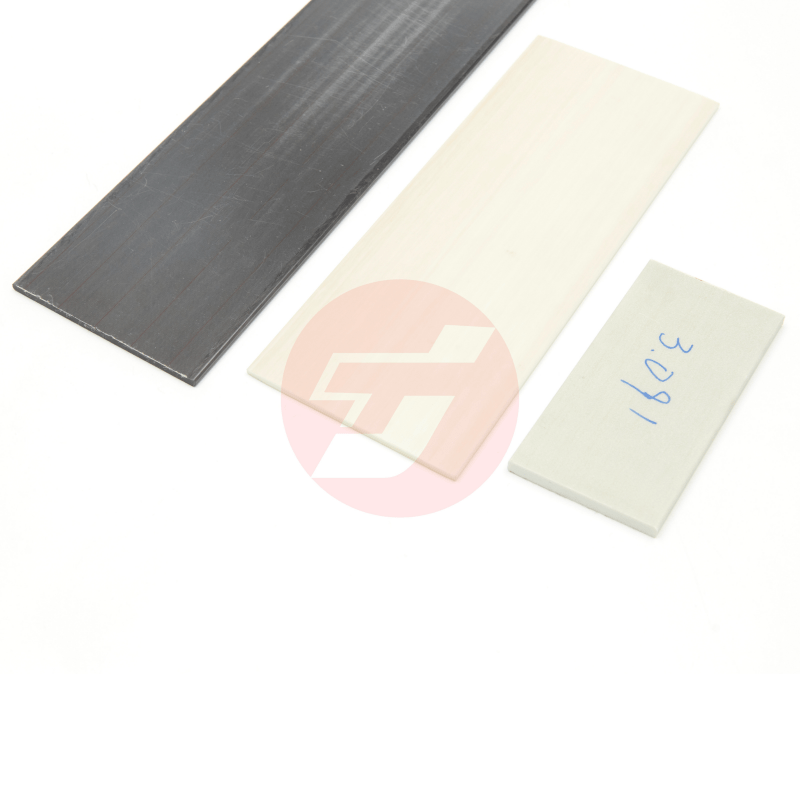
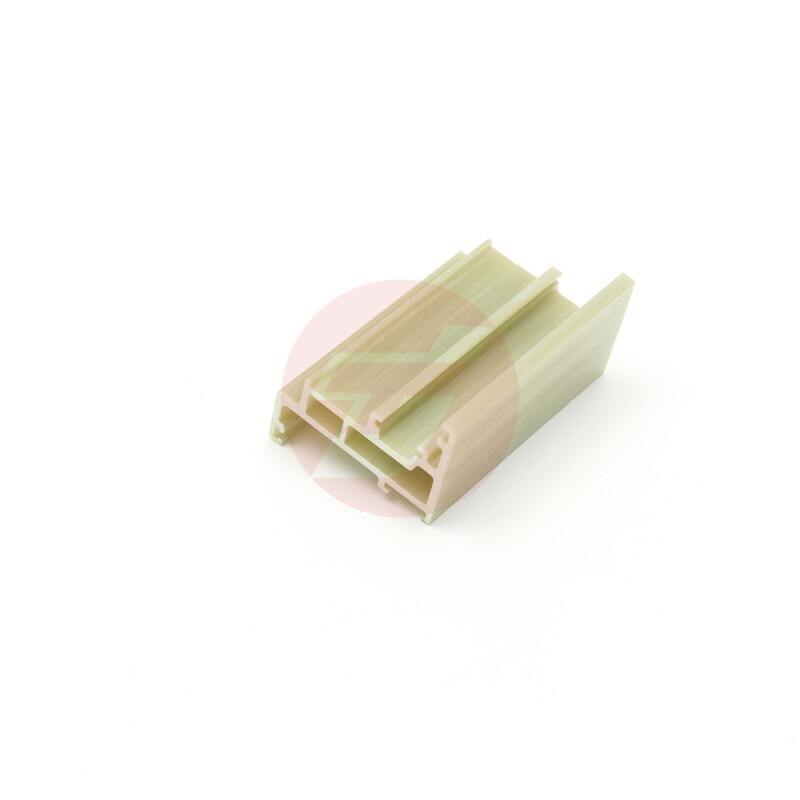
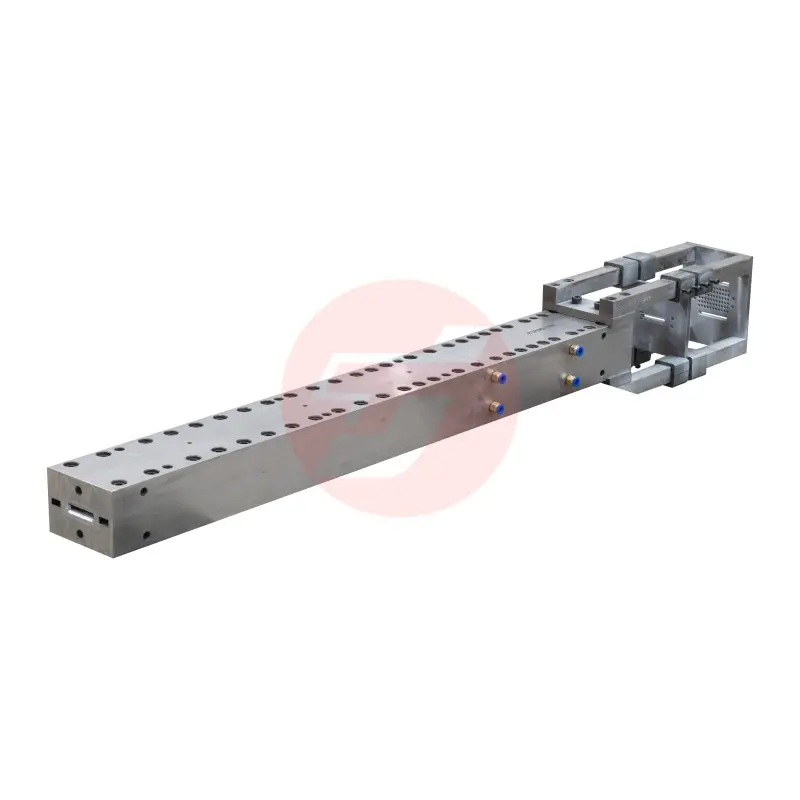
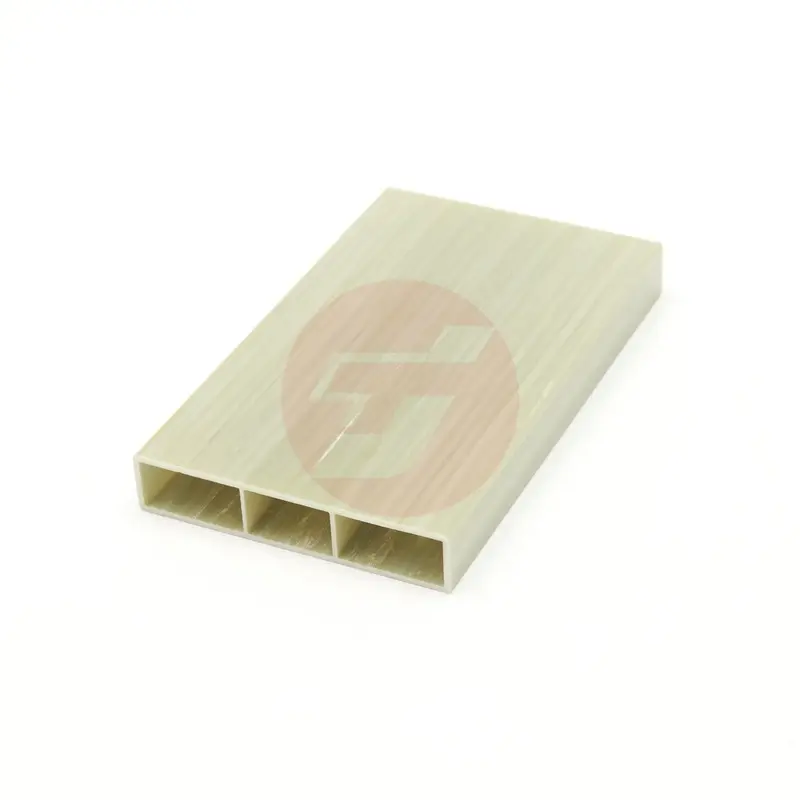
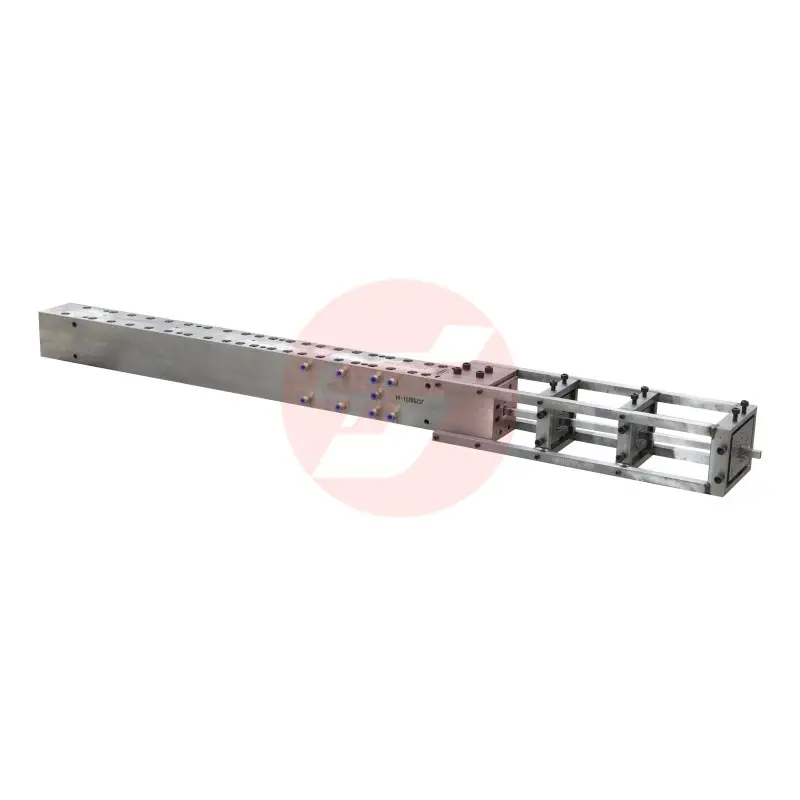
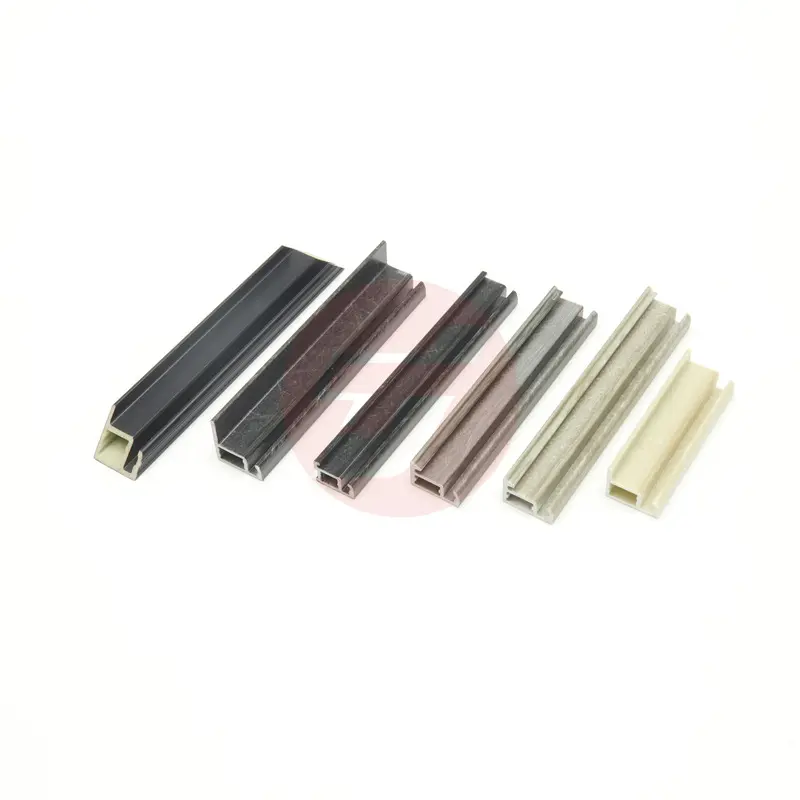
A custom composite mold represents a specialized manufacturing tool designed to shape and form composite materials into precise configurations according to specific requirements. These advanced molding systems serve as the foundation for creating high-performance composite components across numerous industries, from aerospace and automotive to marine and renewable energy sectors. The primary function of a custom composite mold involves providing accurate dimensional control, surface finish quality, and structural integrity during the composite manufacturing process. These molds accommodate various composite materials including carbon fiber, fiberglass, aramid, and hybrid reinforcement systems combined with thermosetting or thermoplastic resin matrices. The technological features of custom composite molds incorporate sophisticated design elements such as precise temperature control systems, vacuum bagging capabilities, and pressure distribution mechanisms. Advanced molds integrate heating elements, cooling channels, and monitoring sensors to maintain optimal curing conditions throughout the manufacturing cycle. The mold surface typically features specialized release coatings and textures that ensure easy part removal while achieving desired surface characteristics. Modern custom composite molds utilize computer-aided design and manufacturing technologies to achieve tight tolerances and complex geometries that would be impossible with traditional manufacturing methods. Applications for custom composite molds span across multiple sectors where lightweight, high-strength components are essential. Aerospace manufacturers rely on these molds to produce aircraft panels, structural components, and interior elements. Automotive industry applications include body panels, chassis components, and performance parts where weight reduction and strength are critical factors. Marine applications encompass hull sections, decking systems, and propulsion components. Wind energy sector utilizes custom composite molds for turbine blade manufacturing, nacelle covers, and structural support elements. The versatility of custom composite molds enables manufacturers to produce everything from small precision components to large-scale structural elements while maintaining consistent quality standards.

New Products

Custom composite molds deliver significant advantages that directly benefit manufacturers seeking superior production capabilities and cost-effective solutions. These specialized tools reduce manufacturing time by streamlining the production process through optimized design features and automated systems. The precision engineering inherent in custom composite molds eliminates the need for extensive post-processing work, saving both time and labor costs while ensuring consistent part quality across production runs. Manufacturers experience improved material utilization rates because custom composite molds minimize waste through precise material placement and controlled resin distribution systems. This efficiency translates into lower material costs and reduced environmental impact, making the manufacturing process more sustainable and economically viable. The durability of custom composite molds provides long-term value through extended service life, often lasting thousands of production cycles when properly maintained. This longevity reduces replacement costs and minimizes production downtime associated with mold changes or repairs. Custom composite molds offer superior dimensional accuracy compared to standard molding solutions, ensuring that finished parts meet exact specifications without costly rework or rejection. The enhanced surface finish quality achieved through custom composite molds reduces or eliminates secondary finishing operations, further reducing production costs and delivery times. Flexibility represents another key advantage, as custom composite molds can accommodate design changes and product variations without requiring entirely new tooling investments. This adaptability proves especially valuable for manufacturers serving markets with evolving requirements or producing limited-run specialty components. The temperature and pressure control capabilities built into custom composite molds enable manufacturers to work with advanced composite materials that require specific curing conditions, expanding their product capabilities and market opportunities. Custom composite molds also improve workplace safety by incorporating ergonomic design features and automated handling systems that reduce manual labor requirements and exposure to hazardous materials. The consistent repeatability achieved through custom composite molds ensures reliable production schedules and predictable quality outcomes, enabling manufacturers to confidently commit to delivery schedules and quality guarantees for their customers.

Practical Tips

Why Are Epoxy Pultrusion Products Ideal for High-Strength Applications?

29

Dec

Why Are Epoxy Pultrusion Products Ideal for High-Strength Applications?

Epoxy pultrusion represents a revolutionary manufacturing process that combines the superior strength properties of epoxy resins with the continuous production capabilities of pultrusion technology. This advanced composite manufacturing method has tr...
View More
How Does Polyurethane Enhance Performance in Pultruded Components?

05

Jan

How Does Polyurethane Enhance Performance in Pultruded Components?

The construction and manufacturing industries are constantly seeking materials that deliver superior performance while maintaining cost-effectiveness. Polyurethane pultrusion has emerged as a revolutionary process that combines the excellent properti...
View More
How Do Pultrusion Molds Enhance Durability in Solar Frame Manufacturing?

05

Jan

How Do Pultrusion Molds Enhance Durability in Solar Frame Manufacturing?

Solar frame manufacturing has undergone significant technological advancement in recent years, with pultrusion molds emerging as a critical component in producing durable, high-performance photovoltaic frames. The integration of advanced pultrusion t...
View More
Why Are Photovoltaic Frame Pultrusion Molds Key to Panel Stability?

05

Jan

Why Are Photovoltaic Frame Pultrusion Molds Key to Panel Stability?

Solar panel manufacturing requires precision engineering at every stage, particularly when it comes to creating the structural frames that protect and support photovoltaic cells. The photovoltaic frame pultrusion mold represents a critical component ...
View More

Get a Free Quote

A professional manufacturer of composite material molds.
Email
WhatsApp
Name
Company Name
Message
0/1000
Attachment
Please upload at least an attachment
Up to 3 files,more 30mb,suppor jpg、jpeg、png、pdf、doc、docx、xls、xlsx、csv、txt

custom composite mold

Precision Engineering Excellence

Precision Engineering Excellence

The precision engineering excellence of custom composite molds sets them apart as the premier choice for manufacturers demanding exceptional accuracy and consistency in their composite production processes. This advanced engineering approach begins with sophisticated computer-aided design systems that create three-dimensional models with tolerances measured in fractions of millimeters, ensuring that every curve, angle, and surface detail translates perfectly from concept to finished product. The manufacturing process employs state-of-the-art CNC machining centers, precision grinding equipment, and advanced measurement systems that verify dimensional accuracy throughout the fabrication process. Custom composite molds incorporate precision-machined surfaces that provide optimal fiber orientation control, critical for achieving desired mechanical properties in the finished composite parts. The engineering excellence extends to the integration of multiple cavity designs that maintain identical dimensions across all cavities, ensuring consistent part quality regardless of production volume. Advanced cooling and heating channel designs optimize temperature distribution throughout the mold surface, eliminating hot spots and cold zones that could compromise part quality or dimensional stability. The precision engineering approach includes careful consideration of thermal expansion characteristics, ensuring that mold dimensions remain stable across the operating temperature range required for different composite materials and curing processes. Sophisticated parting line designs minimize flash formation and reduce post-processing requirements while maintaining perfect part geometry. The engineering excellence of custom composite molds incorporates advanced venting systems that eliminate air entrapment and resin flow issues that could compromise part integrity or surface finish quality. Precision alignment systems ensure perfect mold closure and consistent part thickness across the entire component surface. The integration of monitoring systems provides real-time feedback on temperature, pressure, and cure progression, enabling operators to make immediate adjustments to maintain optimal processing conditions. This level of precision engineering excellence delivers tangible benefits including reduced scrap rates, improved production efficiency, and enhanced part performance characteristics that justify the investment in custom composite mold technology.
Versatile Material Compatibility

Versatile Material Compatibility

The versatile material compatibility of custom composite molds represents a fundamental advantage that enables manufacturers to work with the full spectrum of advanced composite materials while maintaining optimal processing conditions and superior part quality. This compatibility extends across all major categories of reinforcement materials including carbon fiber, glass fiber, aramid, basalt, and natural fiber systems, each requiring specific handling characteristics and processing parameters that custom composite molds can accommodate through intelligent design features. The mold surface treatments and coatings are carefully selected to provide compatibility with both thermosetting and thermoplastic matrix systems, ensuring proper release characteristics and surface finish quality regardless of the resin system employed. Custom composite molds incorporate temperature control systems capable of handling the wide range of processing temperatures required by different material combinations, from room temperature curing systems to high-temperature aerospace-grade prepreg materials requiring cure temperatures exceeding 350 degrees Fahrenheit. The pressure distribution systems built into custom composite molds adapt to the consolidation requirements of various material forms including woven fabrics, unidirectional tapes, chopped fiber systems, and hybrid constructions. Advanced vacuum systems integrated into custom composite molds provide the precise atmospheric control necessary for processing materials sensitive to volatile content or requiring specific consolidation pressures. The material compatibility extends to accommodation of various processing methods including resin transfer molding, vacuum infusion, autoclave molding, and compression molding techniques. Custom composite molds feature interchangeable components that allow rapid reconfiguration for different material systems without requiring complete mold replacement, maximizing equipment utilization and reducing capital investment requirements. The chemical compatibility of mold materials ensures that aggressive solvents, catalysts, and additives used in advanced composite systems do not degrade mold performance or contaminate the composite parts. Surface texture options available in custom composite molds accommodate materials requiring specific surface characteristics for optimal bonding, painting, or secondary processing operations. This versatile material compatibility enables manufacturers to respond quickly to changing market demands, adopt new material technologies as they become available, and optimize material selection for specific performance requirements without being constrained by molding equipment limitations.

Advanced Quality Control Integration

Advanced Quality Control Integration

The advanced quality control integration capabilities of custom composite molds provide manufacturers with unprecedented visibility and control over their composite production processes, ensuring consistent part quality while minimizing defects and reducing production costs through proactive monitoring and adjustment systems. This integration begins with embedded sensor networks that continuously monitor critical process parameters including temperature distribution, pressure variations, resin flow rates, and cure progression throughout the molding cycle. Real-time data collection systems capture this information and transmit it to centralized monitoring stations where operators can observe process conditions and identify potential issues before they impact part quality. Advanced quality control integration includes automated feedback systems that make real-time adjustments to heating, cooling, and pressure systems based on sensor inputs, maintaining optimal processing conditions without requiring constant operator intervention. The integration of vision systems enables automated inspection of part surfaces during the molding process, identifying surface defects, resin-rich or resin-starved areas, and dimensional variations that might otherwise go undetected until final inspection. Custom composite molds incorporate multiple inspection ports and access points that facilitate both automated and manual quality control procedures without disrupting the production process or compromising part integrity. Database integration capabilities allow custom composite molds to store complete processing histories for each part produced, creating comprehensive traceability records that support quality certification requirements and enable statistical process control analysis. The advanced quality control integration includes compatibility with industry-standard quality management systems and reporting protocols, ensuring seamless integration with existing quality assurance procedures. Predictive maintenance capabilities analyze sensor data to identify trends that indicate potential mold wear or degradation, enabling proactive maintenance scheduling that prevents quality issues and minimizes unplanned downtime. The integration of non-destructive testing capabilities allows for real-time assessment of part consolidation and cure state without removing parts from the mold, reducing cycle times while improving quality assurance. Advanced alarm systems provide immediate notification of process deviations, enabling rapid response to maintain production quality and prevent the production of defective parts. This comprehensive quality control integration delivers measurable benefits including reduced scrap rates, improved first-pass yield, enhanced customer satisfaction, and compliance with stringent quality standards required in aerospace, automotive, and other demanding applications.

Get a Free Quote

A professional manufacturer of composite material molds.
Email
WhatsApp
Name
Company Name
Message
0/1000
Attachment
Please upload at least an attachment
Up to 3 files,more 30mb,suppor jpg、jpeg、png、pdf、doc、docx、xls、xlsx、csv、txt