 EN
EN
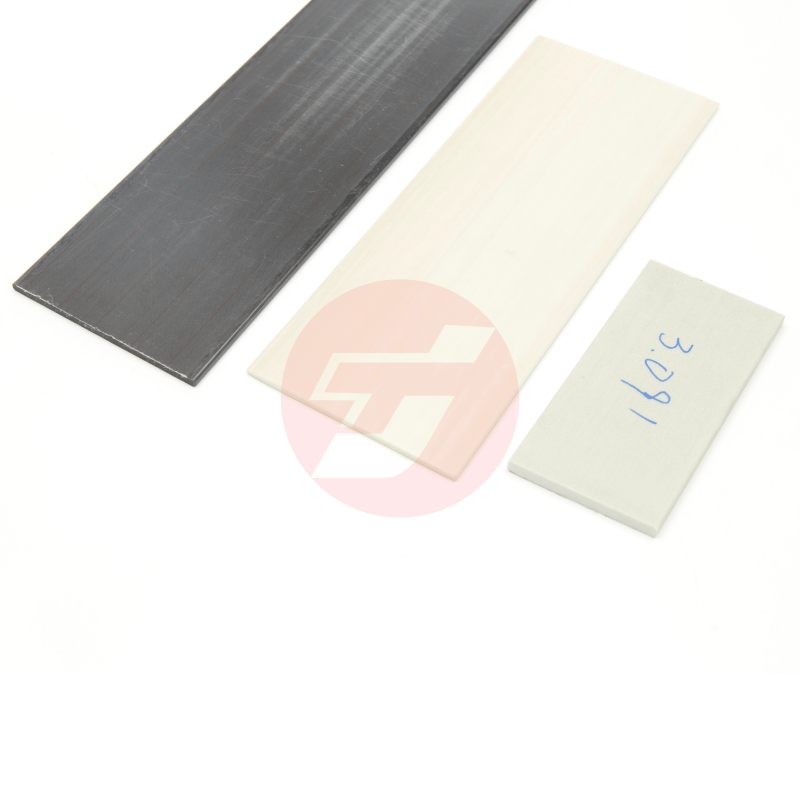
Construction professionals are increasingly turning to advanced composite materials to meet the demanding requirements of modern infrastructure projects. Among these innovative solutions, glass fiber pultruded products have emerged as a superior alternative to traditional materials like steel, aluminum, and wood. These engineered composites offer exceptional performance characteristics that make them ideal for a wide range of construction applications, from structural components to decorative elements.
The pultrusion manufacturing process creates continuous fiber-reinforced polymer profiles with consistent cross-sections and superior mechanical properties. This advanced production method combines continuous glass fibers with thermosetting resins to produce structural elements that maintain their integrity under extreme conditions. Glass fiber pultruded products deliver unmatched durability while offering significant advantages over conventional construction materials in terms of weight, corrosion resistance, and thermal performance.
Superior Structural Properties and Performance
High Strength-to-Weight Ratio
Glass fiber pultruded products excel in applications where structural integrity must be maintained while minimizing overall weight. These composite materials typically weigh 75% less than steel while providing comparable tensile strength. The continuous glass fiber reinforcement creates a uniform load distribution throughout the profile, resulting in exceptional flexural and compressive strength characteristics that surpass many traditional construction materials.
Construction projects benefit significantly from the reduced weight of glass fiber pultruded products, as lighter materials translate to lower foundation requirements, reduced transportation costs, and simplified installation procedures. The high strength-to-weight ratio makes these products particularly valuable in applications such as pedestrian bridges, mezzanine flooring, and architectural facades where structural performance cannot be compromised.
Dimensional Stability Under Load
The pultrusion process ensures that glass fiber pultruded products maintain precise dimensional tolerances even under significant structural loads. Unlike wood products that can warp, twist, or bow over time, these composite materials retain their original shape and dimensions throughout their service life. This dimensional stability is crucial for maintaining proper fit and finish in construction assemblies.
Temperature fluctuations that cause expansion and contraction in metal components have minimal impact on glass fiber pultruded products due to their low coefficient of thermal expansion. This characteristic prevents the development of thermal stress concentrations that can lead to structural failures in traditional materials, making these products ideal for applications exposed to varying environmental conditions.
Exceptional Corrosion Resistance and Longevity
Chemical Resistance Properties
One of the most significant advantages of glass fiber pultruded products is their inherent resistance to corrosion and chemical attack. Unlike steel components that require protective coatings and regular maintenance to prevent rust, these composite materials are inherently non-corrosive and maintain their structural properties when exposed to harsh chemical environments.
Industrial construction projects often involve exposure to corrosive substances, salt spray, or acidic conditions that rapidly degrade traditional materials. Glass fiber pultruded products resist attack from most acids, alkalis, and organic solvents, making them ideal for chemical processing facilities, wastewater treatment plants, and marine construction applications where corrosion resistance is paramount.
Long-Term Durability
The service life of glass fiber pultruded products typically exceeds 50 years with minimal maintenance requirements, providing exceptional long-term value for construction projects. The thermoset resin matrix protects the glass fibers from environmental degradation while maintaining the structural integrity of the composite throughout its service life.
Construction projects utilizing glass fiber pultruded products benefit from reduced lifecycle costs due to the elimination of routine maintenance tasks such as painting, surface treatment, and component replacement. This durability advantage becomes particularly significant in applications where access for maintenance is difficult or costly, such as offshore structures or high-rise building facades.
Enhanced Safety and Fire Performance
Fire Resistance Characteristics
Modern glass fiber pultruded products can be formulated with fire-retardant additives to meet specific building code requirements for flame spread and smoke generation. These fire-resistant formulations maintain their structural properties at elevated temperatures better than many traditional materials, providing crucial safety margins in fire emergency situations.
The inherent fire performance of glass fiber pultruded products eliminates the need for additional fire-resistant coatings or treatments that add cost and maintenance requirements to construction projects. This characteristic makes these materials particularly suitable for applications in schools, hospitals, and other public buildings where fire safety is a critical design consideration.
Electrical Insulation Properties
Glass fiber pultruded products provide excellent electrical insulation properties, making them ideal for construction applications where electrical safety is a concern. Unlike conductive materials such as steel or aluminum, these composite materials do not create electrical hazards when used in proximity to electrical systems or during lightning strikes.
Utility construction projects benefit significantly from the electrical insulation properties of glass fiber pultruded products, particularly in applications such as electrical enclosures, cable trays, and support structures for power transmission equipment. This characteristic eliminates the need for additional insulation materials and reduces the risk of electrical accidents during installation and maintenance activities.
Design Flexibility and Aesthetic Options
Custom Profile Capabilities
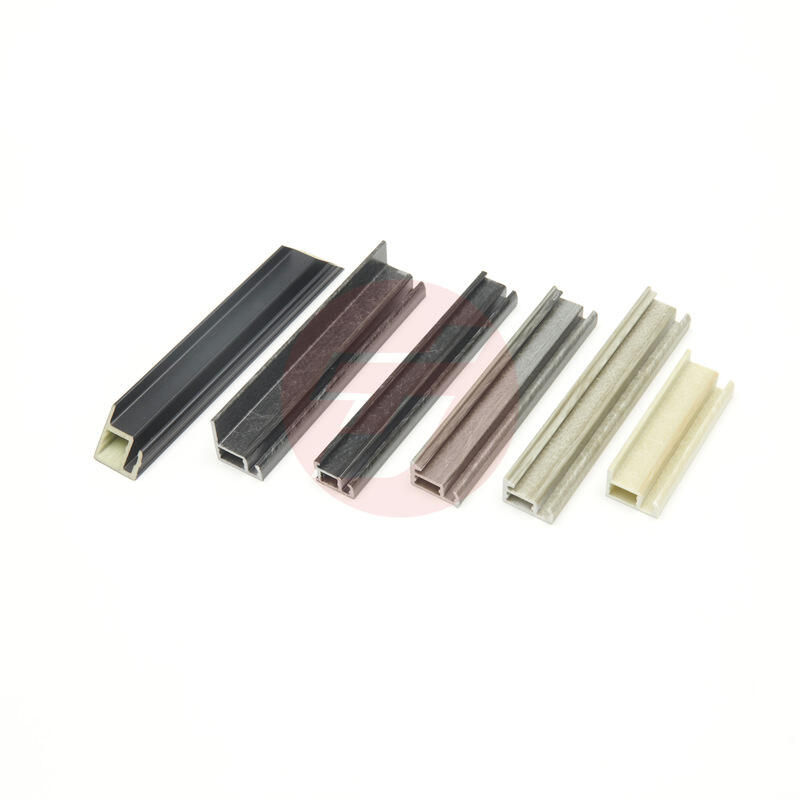
The pultrusion manufacturing process allows for the creation of complex cross-sectional profiles that would be difficult or impossible to achieve with traditional materials. Glass fiber pultruded products can be manufactured with integral features such as mounting channels, drainage paths, and decorative elements that eliminate the need for secondary machining operations.
Architectural applications benefit from the design flexibility offered by glass fiber pultruded products, as these materials can be produced in virtually any cross-sectional shape to meet specific aesthetic and functional requirements. This capability enables architects and engineers to create innovative designs while maintaining the performance characteristics required for structural applications.
Surface Finish Options
Glass fiber pultruded products can be manufactured with a variety of surface finishes and textures to meet specific aesthetic requirements. Smooth, textured, or patterned surfaces can be created during the pultrusion process, eliminating the need for secondary finishing operations while providing the desired appearance for architectural applications.
Color options for glass fiber pultruded products are virtually unlimited, as pigments can be incorporated into the resin system during manufacturing to create products that maintain their color throughout their service life. This integral coloring eliminates the need for painting or other surface treatments while ensuring consistent appearance over time.
Environmental Benefits and Sustainability
Reduced Environmental Impact
The manufacturing process for glass fiber pultruded products typically requires less energy than the production of equivalent steel or aluminum components, resulting in a lower carbon footprint for construction projects. Additionally, the longer service life of these composite materials reduces the environmental impact associated with material replacement and disposal over the life of a structure.
Construction projects utilizing glass fiber pultruded products can contribute to green building certification programs due to their durability, energy efficiency, and reduced maintenance requirements. The elimination of toxic protective coatings and the reduction in maintenance-related activities further enhance the environmental benefits of these advanced composite materials.
Recyclability and End-of-Life Considerations
Advances in recycling technology have made it possible to reclaim and reuse glass fiber pultruded products at the end of their service life. Mechanical recycling processes can recover the glass fibers for use in other composite applications, while energy recovery processes can utilize the resin content as a fuel source for industrial applications.
The development of sustainable resin systems and bio-based materials continues to enhance the environmental profile of glass fiber pultruded products. These innovations ensure that future generations of these composite materials will provide even greater environmental benefits while maintaining the superior performance characteristics that make them ideal for construction applications.
FAQ
How do glass fiber pultruded products compare in cost to traditional construction materials
While the initial cost of glass fiber pultruded products may be higher than traditional materials like steel or wood, the total lifecycle cost is typically lower due to reduced maintenance requirements, longer service life, and elimination of protective coatings. The weight savings also reduce foundation and installation costs, making these products cost-effective for many construction applications.
What are the typical applications for glass fiber pultruded products in construction
Glass fiber pultruded products are commonly used for structural framing, decking systems, handrails, architectural facades, utility enclosures, and pedestrian bridges. They are particularly valuable in corrosive environments, electrical applications, and situations where weight reduction is important. These versatile materials can replace traditional materials in most construction applications.
Are there any limitations or considerations when using glass fiber pultruded products
Glass fiber pultruded products have a lower modulus of elasticity compared to steel, which may require consideration in some structural applications. They also have temperature limitations depending on the resin system used. However, proper design and material selection can address these considerations while taking advantage of the many benefits these advanced composite materials provide.
How are glass fiber pultruded products connected and installed in construction applications
Glass fiber pultruded products can be connected using mechanical fasteners, adhesive bonding, or specialized composite joining techniques. Standard construction tools can be used for cutting, drilling, and shaping these materials, making installation straightforward for construction crews. Proper connection design is important to ensure optimal load transfer and maintain the structural integrity of the composite system.
Table of Contents
- Superior Structural Properties and Performance
- Exceptional Corrosion Resistance and Longevity
- Enhanced Safety and Fire Performance
- Design Flexibility and Aesthetic Options
- Environmental Benefits and Sustainability
-
FAQ
- How do glass fiber pultruded products compare in cost to traditional construction materials
- What are the typical applications for glass fiber pultruded products in construction
- Are there any limitations or considerations when using glass fiber pultruded products
- How are glass fiber pultruded products connected and installed in construction applications