Premium Fiberglass Composite Molds - Advanced Manufacturing Solutions for Precision Production

All Categories

Get a Free Quote

A professional manufacturer of composite material molds.
Email
WhatsApp
Name
Company Name
Message
0/1000
Attachment
Please upload at least an attachment
Up to 3 files,more 30mb,suppor jpg、jpeg、png、pdf、doc、docx、xls、xlsx、csv、txt

fiberglass composite mold

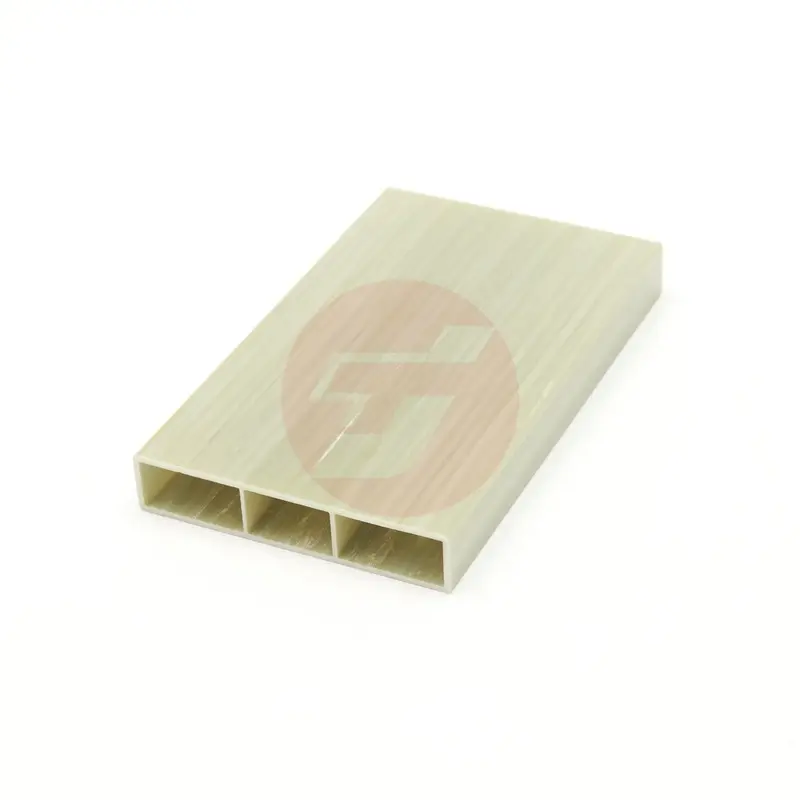
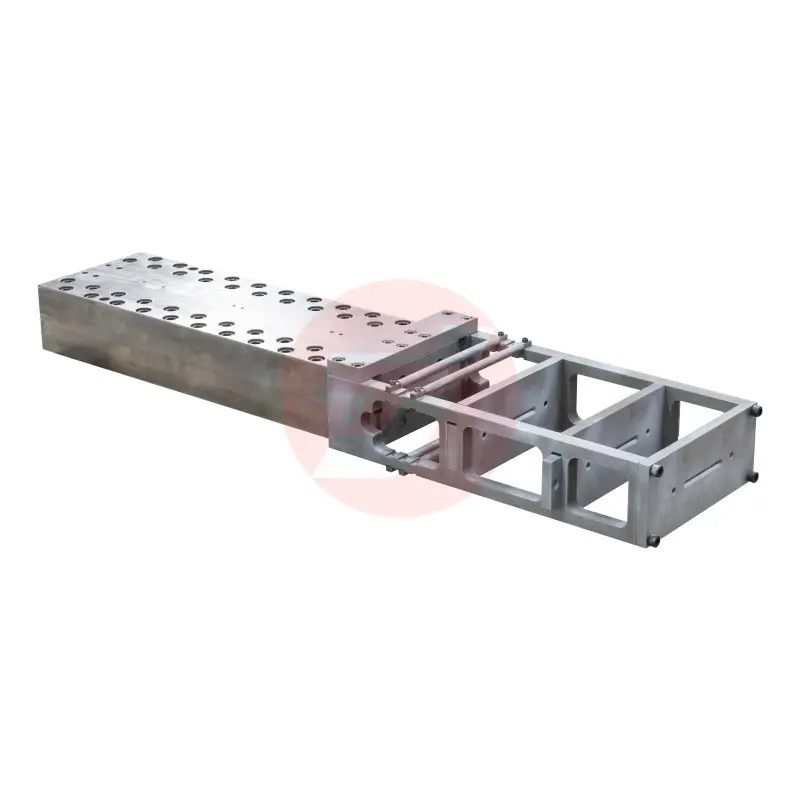
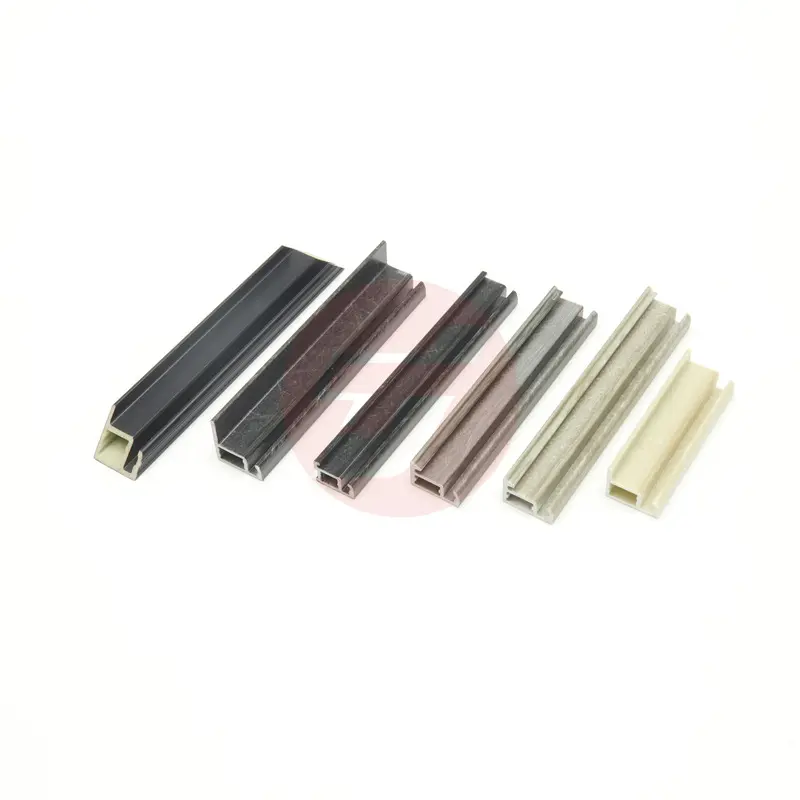
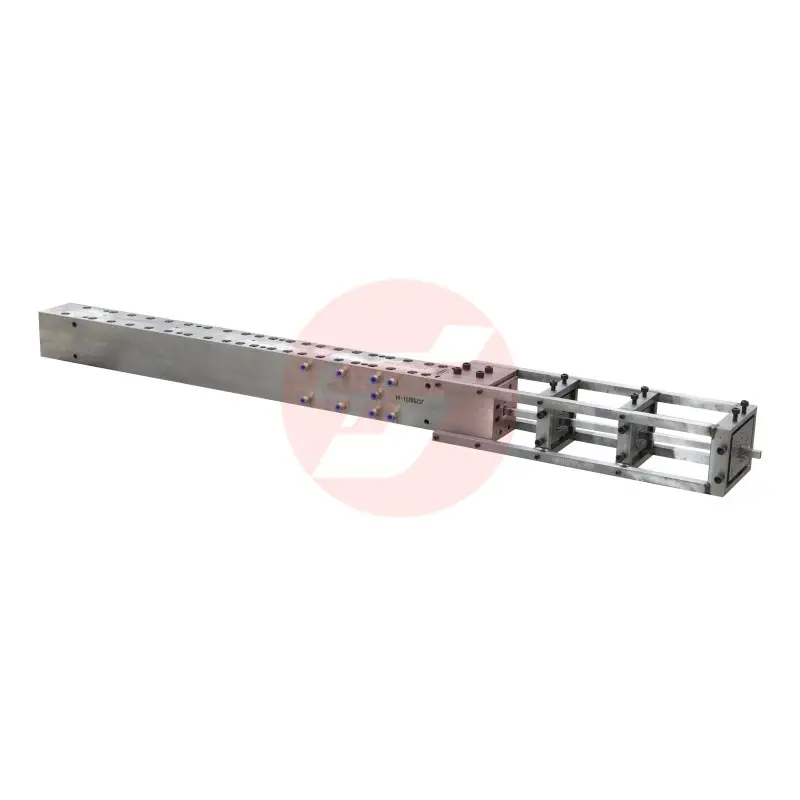
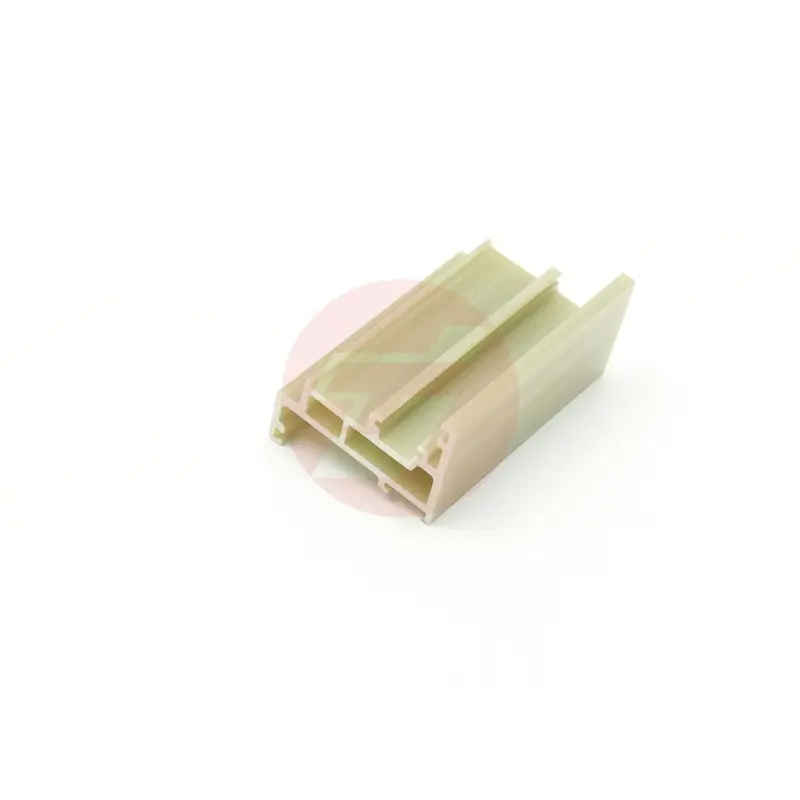
A fiberglass composite mold represents a revolutionary manufacturing solution that combines advanced materials engineering with precision tooling capabilities. These specialized molds are constructed using high-strength fiberglass reinforced with various composite materials, creating a robust framework designed to produce consistent, high-quality parts across multiple industries. The primary function of a fiberglass composite mold centers on shaping and forming materials through compression, injection, or layup processes, delivering exceptional dimensional accuracy and surface finish quality. The technological features of fiberglass composite molds include superior thermal stability, allowing them to maintain structural integrity under varying temperature conditions during production cycles. These molds incorporate advanced resin systems that provide excellent chemical resistance, ensuring longevity even when exposed to aggressive molding compounds or cleaning solvents. The composite construction enables optimal heat distribution throughout the mold surface, promoting uniform curing and reducing internal stresses in finished products. Modern fiberglass composite molds feature modular designs that facilitate easy maintenance, repair, and modification, significantly extending their operational lifespan. Applications for fiberglass composite molds span numerous sectors including automotive manufacturing, aerospace components, marine vessel construction, architectural elements, and consumer goods production. In automotive applications, these molds create body panels, bumpers, and interior components with precise fitment requirements. Aerospace manufacturers utilize fiberglass composite molds for producing lightweight structural components, fairings, and interior panels that meet stringent safety standards. The marine industry relies on these molds for hull sections, decking materials, and specialized marine equipment housings. Architectural applications include decorative panels, structural elements, and custom building components that require both aesthetic appeal and structural performance. The versatility of fiberglass composite molds makes them invaluable tools for manufacturers seeking to balance production efficiency with superior product quality, while maintaining cost-effective operations across diverse manufacturing environments.


New Product Releases

Fiberglass composite molds deliver substantial cost savings compared to traditional metal tooling options, making them an economically attractive choice for manufacturers operating under tight budget constraints. These molds require significantly lower initial investment while providing comparable or superior performance characteristics, allowing companies to allocate resources more efficiently across their production operations. The lightweight nature of fiberglass composite molds reduces handling difficulties and transportation costs, enabling easier installation and repositioning within manufacturing facilities. This weight advantage translates to reduced workplace injury risks and lower equipment requirements for mold movement and setup procedures. Temperature resistance stands as another major advantage, with fiberglass composite molds maintaining dimensional stability across wide temperature ranges encountered in various molding processes. This thermal stability eliminates warping and distortion issues commonly associated with alternative mold materials, ensuring consistent part dimensions throughout extended production runs. The superior surface finish quality achieved with fiberglass composite molds reduces or eliminates secondary finishing operations, streamlining production workflows and reducing overall manufacturing time. These molds produce parts with smooth, uniform surfaces that often require minimal post-processing, directly improving production efficiency and reducing labor costs. Corrosion resistance properties inherent in fiberglass composite construction eliminate concerns about rust, oxidation, or chemical degradation that plague metal molds, particularly in humid or chemically aggressive environments. This resistance ensures longer operational lifespans and reduces maintenance requirements, contributing to lower total cost of ownership over the mold's service life. The repair and modification capabilities of fiberglass composite molds provide manufacturers with unprecedented flexibility in adapting to design changes or production requirements. Unlike metal molds that require specialized welding or machining for modifications, fiberglass composite molds can be easily altered using standard composite repair techniques, reducing downtime and modification costs. Energy efficiency benefits emerge from the excellent insulation properties of fiberglass composite materials, which help maintain consistent molding temperatures with reduced energy consumption. This thermal efficiency translates to lower operating costs and improved environmental sustainability, aligning with modern manufacturing goals for reduced carbon footprint and energy conservation.

Practical Tips

How Do Pultrusion Molds Enhance Durability in Solar Frame Manufacturing?

05

Jan

How Do Pultrusion Molds Enhance Durability in Solar Frame Manufacturing?

Solar frame manufacturing has undergone significant technological advancement in recent years, with pultrusion molds emerging as a critical component in producing durable, high-performance photovoltaic frames. The integration of advanced pultrusion t...
View More
Why Do Wind Turbine OEMs Prefer High-Accuracy Carbon Fiber Beam Molds?

05

Jan

Why Do Wind Turbine OEMs Prefer High-Accuracy Carbon Fiber Beam Molds?

The wind energy sector has experienced unprecedented growth as global demand for renewable energy solutions continues to surge. Original Equipment Manufacturers (OEMs) in the wind turbine industry face increasing pressure to deliver high-performance,...
View More
Which Applications Benefit Most From Carbon Fiber Pultruded Components?

13

Feb

Which Applications Benefit Most From Carbon Fiber Pultruded Components?

Carbon fiber pultruded components have revolutionized manufacturing across numerous industries, offering exceptional strength-to-weight ratios and superior durability compared to traditional materials. These advanced composite structures are created ...
View More
Which Industries Rely Most on Glass Fiber Pultruded Profiles?

13

Feb

Which Industries Rely Most on Glass Fiber Pultruded Profiles?

Modern manufacturing across diverse industries increasingly depends on advanced composite materials that deliver exceptional strength, durability, and versatility. Glass fiber pultruded profiles have emerged as a cornerstone solution for applications...
View More

Get a Free Quote

A professional manufacturer of composite material molds.
Email
WhatsApp
Name
Company Name
Message
0/1000
Attachment
Please upload at least an attachment
Up to 3 files,more 30mb,suppor jpg、jpeg、png、pdf、doc、docx、xls、xlsx、csv、txt

fiberglass composite mold

Superior Durability and Longevity Performance

Superior Durability and Longevity Performance

The exceptional durability of fiberglass composite molds stems from their advanced material composition and engineering design, providing manufacturers with tools that withstand demanding production environments for extended periods. These molds incorporate high-performance resins and reinforcement fibers that create a matrix structure capable of resisting mechanical stress, thermal cycling, and chemical exposure that would quickly degrade conventional mold materials. The composite construction distributes loads evenly throughout the mold structure, preventing stress concentration points that typically lead to premature failure in traditional tooling. This load distribution capability allows fiberglass composite molds to handle high-pressure molding operations without experiencing structural compromise or dimensional changes. The inherent fatigue resistance of fiberglass composites ensures that these molds maintain their precision and performance characteristics even after thousands of production cycles, delivering consistent part quality throughout their operational lifespan. Unlike metal molds that may experience wear, corrosion, or thermal distortion over time, fiberglass composite molds retain their original specifications with minimal degradation, ensuring that the first part produced matches the quality of parts manufactured years later. The chemical inertness of properly formulated fiberglass composite materials prevents reaction with molding compounds, release agents, or cleaning solvents, eliminating the chemical degradation pathways that compromise other mold materials. This chemical stability is particularly valuable in applications involving aggressive chemicals, high-temperature curing agents, or specialized release systems that would attack metal surfaces. The self-reinforcing nature of fiberglass composite construction means that minor surface damage can often be repaired without compromising the overall structural integrity of the mold, extending service life beyond what would be possible with alternative materials. Temperature cycling resistance ensures that fiberglass composite molds maintain dimensional accuracy despite repeated heating and cooling cycles encountered in typical production environments, preventing the thermal stress failures common in less stable mold materials. The long-term cost benefits of this enhanced durability become apparent when considering reduced replacement frequency, lower maintenance requirements, and consistent production quality over extended periods, making fiberglass composite molds a wise investment for manufacturers focused on operational efficiency and total cost management.
Enhanced Manufacturing Precision and Quality Control

Enhanced Manufacturing Precision and Quality Control

Fiberglass composite molds excel in delivering precise dimensional control and superior surface quality, enabling manufacturers to achieve tight tolerances and exceptional finish standards that meet or exceed the most demanding specifications. The manufacturing process for these molds allows for extremely accurate replication of master patterns, capturing fine details and complex geometries with remarkable fidelity that translates directly to finished part quality. Advanced composite layup techniques and precision tooling methods ensure that fiberglass composite molds maintain consistent wall thickness and uniform density distribution, eliminating the dimensional variations that can plague cast or machined metal molds. This uniformity is crucial for maintaining consistent heat transfer characteristics throughout the mold surface, promoting even curing and reducing internal stresses that could cause part distortion or quality defects. The smooth, non-porous surface achievable with properly finished fiberglass composite molds eliminates surface irregularities that can transfer to molded parts, reducing or eliminating the need for secondary finishing operations. This superior surface finish capability is particularly valuable in applications where aesthetic appearance is critical, such as automotive body panels or architectural elements where visible surface quality directly impacts customer acceptance. The coefficient of thermal expansion in fiberglass composite materials can be engineered to match that of the parts being molded, minimizing differential expansion stresses that could cause dimensional inaccuracies or part distortion during thermal cycling. This thermal compatibility ensures that parts maintain their intended dimensions as they cool to room temperature, reducing reject rates and improving overall production yield. The ability to incorporate complex internal geometries, cooling channels, and intricate features directly into the fiberglass composite mold structure enables manufacturers to optimize their molding processes for improved efficiency and quality. These integrated features eliminate the need for additional tooling components or complex assemblies, reducing potential sources of dimensional error and simplifying mold operation. Quality control benefits extend beyond dimensional accuracy to include consistent material properties in finished parts, as the stable thermal characteristics of fiberglass composite molds promote uniform curing conditions throughout the molding cycle. This consistency is essential for applications requiring predictable mechanical properties, chemical resistance, or other performance characteristics that depend on proper material processing conditions.
Exceptional Design Flexibility and Customization Capabilities

Exceptional Design Flexibility and Customization Capabilities

The remarkable design flexibility inherent in fiberglass composite mold construction empowers manufacturers to create highly customized tooling solutions that perfectly match their specific production requirements and geometric constraints. Unlike traditional machined metal molds that are limited by machining capabilities and material removal processes, fiberglass composite molds are built up through additive layup processes that can accommodate virtually any shape or configuration imaginable. This construction method enables the creation of complex internal passages, undercuts, and intricate surface textures that would be impossible or prohibitively expensive to achieve with conventional mold manufacturing techniques. The ability to vary wall thickness throughout the mold structure allows designers to optimize strength and thermal characteristics for specific areas of high stress or critical temperature control, creating tailored solutions that maximize performance while minimizing material usage and weight. Modular design concepts can be easily implemented in fiberglass composite mold construction, enabling manufacturers to create interchangeable mold sections that accommodate product variations or allow for rapid changeover between different part configurations. This modularity is particularly valuable in high-mix, low-volume production environments where flexibility and quick response to customer requirements are essential competitive advantages. The incorporation of advanced features such as integrated heating elements, cooling channels, sensors, and automation interfaces can be seamlessly accomplished during the mold construction process, creating smart tooling solutions that enhance process control and monitoring capabilities. These integrated systems eliminate the need for external heating or cooling equipment and provide real-time feedback on mold conditions, enabling precision process control that improves part quality and reduces cycle times. Rapid prototyping capabilities associated with fiberglass composite mold construction allow manufacturers to quickly evaluate design concepts and make iterative improvements without the significant time and cost investments required for metal tooling modifications. This rapid iteration capability accelerates product development cycles and enables manufacturers to respond quickly to market opportunities or customer feedback. The scalability of fiberglass composite mold production means that successful prototype tooling can be easily scaled up to full production capacity without fundamental design changes, ensuring consistency between development and production phases. Custom surface textures, logos, part identification features, and other specialized requirements can be incorporated directly into the mold surface during construction, eliminating secondary operations and ensuring consistent replication across all produced parts.

Get a Free Quote

A professional manufacturer of composite material molds.
Email
WhatsApp
Name
Company Name
Message
0/1000
Attachment
Please upload at least an attachment
Up to 3 files,more 30mb,suppor jpg、jpeg、png、pdf、doc、docx、xls、xlsx、csv、txt