Precision Compression Molds: Advanced Manufacturing Solutions for Superior Quality and Efficiency

All Categories

Get a Free Quote

A professional manufacturer of composite material molds.
Email
WhatsApp
Name
Company Name
Message
0/1000
Attachment
Please upload at least an attachment
Up to 3 files,more 30mb,suppor jpg、jpeg、png、pdf、doc、docx、xls、xlsx、csv、txt

precision compression molds

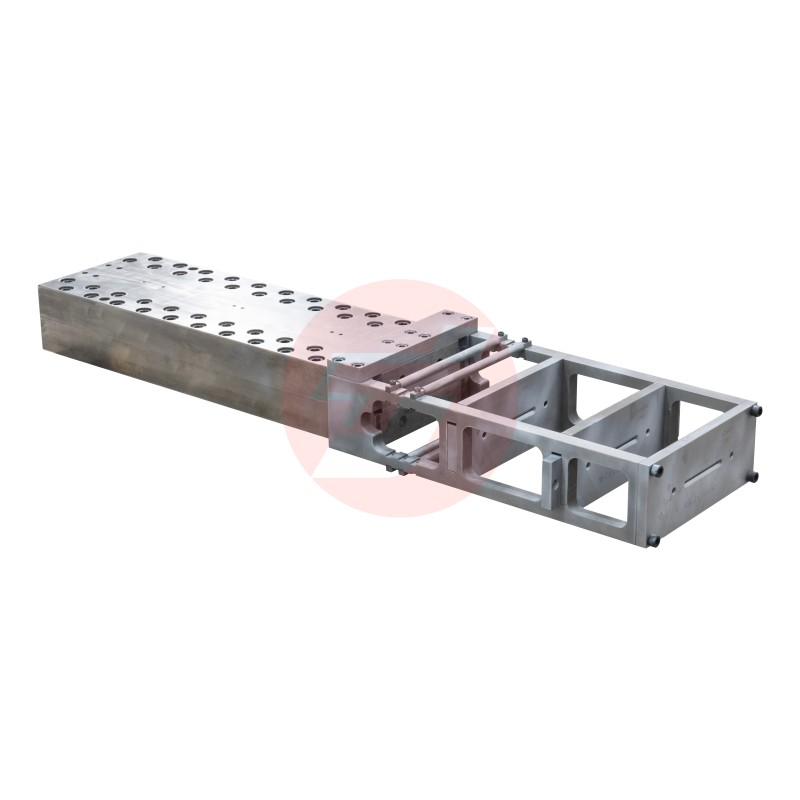
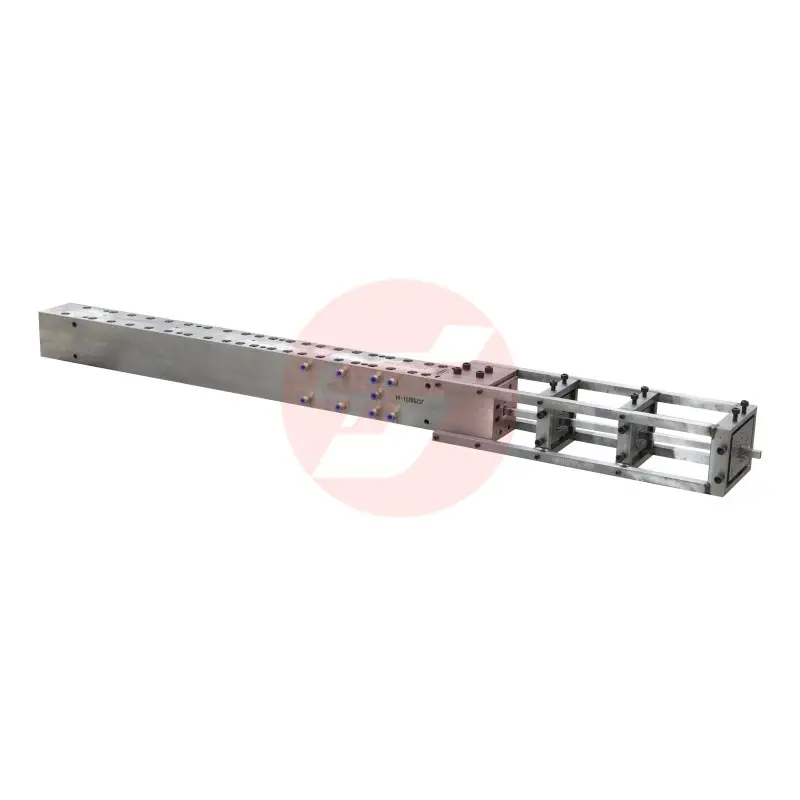
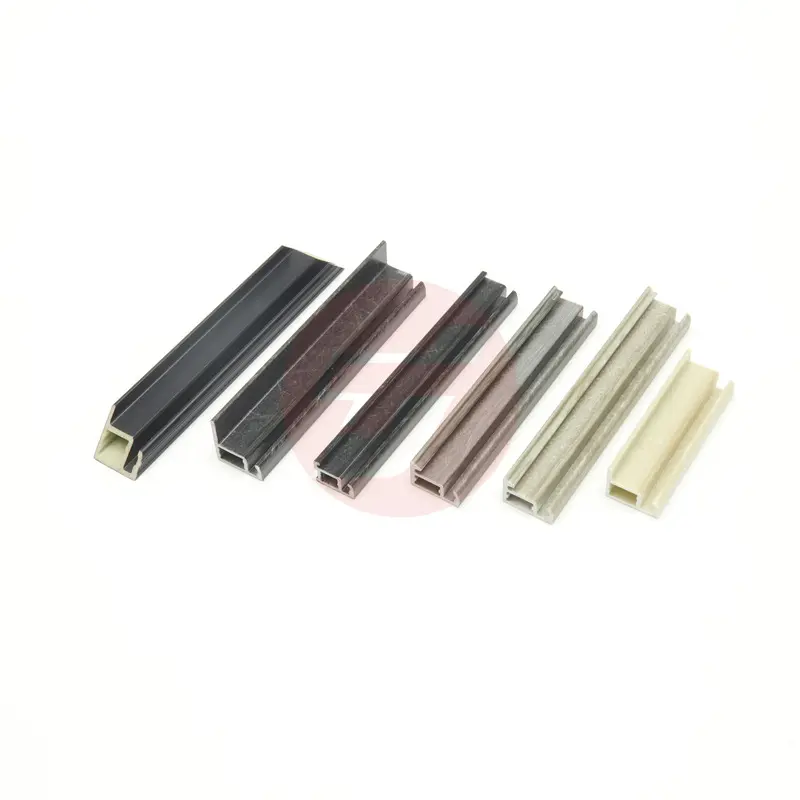
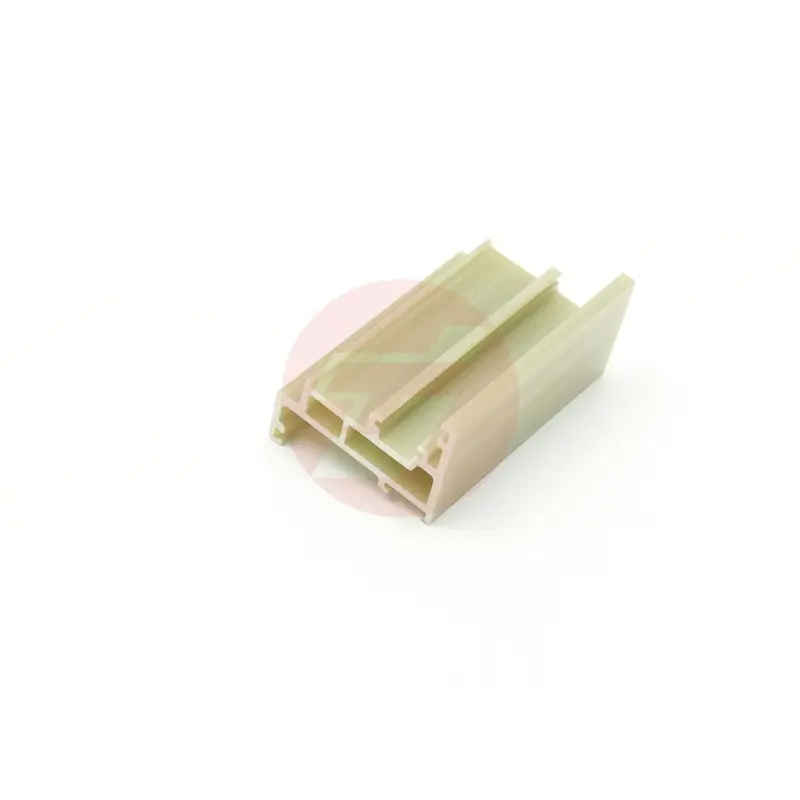
Precision compression molds represent a cornerstone technology in modern manufacturing, delivering exceptional accuracy and consistency for producing high-quality components across diverse industries. These sophisticated molding systems utilize advanced engineering principles to create parts with tight tolerances, superior surface finishes, and dimensional stability that meets the most demanding specifications. The primary function of precision compression molds involves transforming raw materials, typically thermosetting plastics, rubber compounds, or composite materials, into finished products through controlled heat and pressure application. The molding process begins when material is placed into the heated mold cavity, where precise temperature control and uniform pressure distribution ensure optimal material flow and curing. Advanced precision compression molds incorporate sophisticated temperature regulation systems, allowing operators to maintain consistent thermal profiles throughout the molding cycle. This thermal precision prevents material degradation while ensuring complete curing and optimal mechanical properties in the finished product. The technological features of these molds include hardened steel construction, precision-machined surfaces, integrated heating elements, and advanced venting systems that eliminate air entrapment and material waste. Many modern precision compression molds feature multi-cavity designs that enable simultaneous production of multiple parts, significantly increasing manufacturing efficiency while maintaining consistent quality across all produced components. The applications for precision compression molds span numerous sectors, including automotive components, electrical insulators, medical devices, aerospace parts, and consumer goods manufacturing. In the automotive industry, these molds produce critical components such as brake pads, gaskets, and electrical housings that require exceptional dimensional accuracy and material integrity. The medical device sector relies on precision compression molds for creating components that meet stringent regulatory requirements and biocompatibility standards. Electronic manufacturers utilize these molds for producing insulators, connectors, and housing components that must maintain precise dimensions and electrical properties under varying environmental conditions.

New Product Recommendations

Precision compression molds deliver substantial cost savings through reduced material waste and enhanced production efficiency, making them an intelligent investment for manufacturers seeking to optimize their operations. These molds achieve remarkable material utilization rates, often exceeding 95 percent efficiency, because the controlled compression process minimizes flash formation and excess material generation. This efficiency translates directly into lower raw material costs and reduced waste disposal expenses, creating measurable bottom-line improvements for manufacturing operations. The superior dimensional accuracy provided by precision compression molds eliminates costly secondary machining operations, reducing overall production time and labor requirements while delivering parts that meet exact specifications consistently. Quality consistency represents another significant advantage, as precision compression molds produce parts with uniform properties batch after batch, reducing rejection rates and customer complaints. This reliability stems from the controlled molding environment, where temperature, pressure, and timing parameters remain precisely regulated throughout each molding cycle. Manufacturing flexibility becomes greatly enhanced with precision compression molds, as these systems can accommodate various material formulations and part geometries without extensive retooling requirements. The ability to quickly switch between different products or modify existing designs provides manufacturers with competitive advantages in rapidly changing markets. Production speed improvements are notable, with modern precision compression molds achieving cycle times significantly faster than traditional molding methods while maintaining superior quality standards. The automated features integrated into contemporary precision compression molds reduce operator intervention requirements, lowering labor costs and minimizing the potential for human error during production runs. Energy efficiency represents an often-overlooked advantage, as precision compression molds utilize optimized heating systems and thermal management technologies that reduce overall energy consumption compared to less sophisticated molding approaches. The durability and longevity of well-maintained precision compression molds provide excellent return on investment, often operating reliably for millions of cycles before requiring major maintenance or replacement. This longevity, combined with consistent part quality and reduced operational costs, makes precision compression molds an essential tool for manufacturers committed to long-term profitability and market competitiveness.

Tips And Tricks

How Can Carbon Fiber Pultrusion Reduce Manufacturing Costs for B2B Buyers?

29

Dec

How Can Carbon Fiber Pultrusion Reduce Manufacturing Costs for B2B Buyers?

Manufacturing costs continue to challenge B2B buyers across industries, driving the need for innovative production methods that deliver superior performance while maintaining economic efficiency. Carbon fiber pultrusion has emerged as a transformativ...
View More
What Advantages Do Glass Fiber Pultruded Products Offer in Construction?

29

Dec

What Advantages Do Glass Fiber Pultruded Products Offer in Construction?

Construction professionals are increasingly turning to advanced composite materials to meet the demanding requirements of modern infrastructure projects. Among these innovative solutions, glass fiber pultruded products have emerged as a superior alte...
View More
How Do Pultrusion Molds Enhance Durability in Solar Frame Manufacturing?

05

Jan

How Do Pultrusion Molds Enhance Durability in Solar Frame Manufacturing?

Solar frame manufacturing has undergone significant technological advancement in recent years, with pultrusion molds emerging as a critical component in producing durable, high-performance photovoltaic frames. The integration of advanced pultrusion t...
View More
Why Are Photovoltaic Frame Pultrusion Molds Key to Panel Stability?

05

Jan

Why Are Photovoltaic Frame Pultrusion Molds Key to Panel Stability?

Solar panel manufacturing requires precision engineering at every stage, particularly when it comes to creating the structural frames that protect and support photovoltaic cells. The photovoltaic frame pultrusion mold represents a critical component ...
View More

Get a Free Quote

A professional manufacturer of composite material molds.
Email
WhatsApp
Name
Company Name
Message
0/1000
Attachment
Please upload at least an attachment
Up to 3 files,more 30mb,suppor jpg、jpeg、png、pdf、doc、docx、xls、xlsx、csv、txt

precision compression molds

Advanced Temperature Control Systems

Advanced Temperature Control Systems

The sophisticated temperature control systems integrated into modern precision compression molds represent a revolutionary advancement in molding technology, providing manufacturers with unprecedented control over the thermal environment during the molding process. These advanced systems utilize multiple temperature zones throughout the mold structure, allowing operators to create precise thermal gradients that optimize material flow, curing rates, and final part properties. The temperature control architecture typically incorporates high-performance cartridge heaters, thermocouples, and PID controllers that maintain temperature variations within ±2°C across the entire mold surface, ensuring consistent material processing conditions regardless of ambient temperature fluctuations or production volume changes. This thermal precision becomes particularly critical when processing advanced materials such as high-performance thermosetting resins, rubber compounds with specific vulcanization requirements, or composite materials containing temperature-sensitive additives. The intelligent temperature monitoring systems continuously track thermal conditions at multiple points within the mold, automatically adjusting heating output to compensate for heat loss during material loading, thermal mass variations, or external environmental factors. Advanced precision compression molds often feature rapid heating and cooling capabilities, enabling faster cycle times without compromising part quality or dimensional accuracy. The ability to precisely control cooling rates becomes especially valuable when producing parts with complex geometries or varying wall thicknesses, where uniform cooling prevents internal stresses, warpage, or dimensional distortion. Energy efficiency improvements result from optimized heating algorithms that minimize power consumption while maintaining target temperatures, reducing operational costs and environmental impact. The temperature control systems also incorporate safety features such as over-temperature protection, heating element monitoring, and emergency shutdown capabilities that protect both equipment and operators from potentially dangerous conditions. Documentation and traceability features enable manufacturers to record temperature profiles for each production run, supporting quality control initiatives and regulatory compliance requirements in industries such as medical devices, automotive, and aerospace manufacturing.
Multi-Cavity Design Engineering

Multi-Cavity Design Engineering

Multi-cavity design engineering represents one of the most impactful innovations in precision compression molds, enabling manufacturers to dramatically increase production output while maintaining exceptional quality standards across all molded parts. This sophisticated approach involves creating multiple identical cavities within a single mold structure, allowing simultaneous production of multiple parts during each molding cycle, effectively multiplying manufacturing capacity without proportional increases in equipment investment, floor space, or energy consumption. The engineering challenges associated with multi-cavity precision compression molds require extensive computational analysis and design optimization to ensure uniform material distribution, consistent temperature profiles, and balanced flow characteristics across all cavities. Advanced mold designers utilize computational fluid dynamics software and finite element analysis to predict material behavior, optimize gate placement, and eliminate potential quality variations between cavities. The runner system design becomes critically important in multi-cavity configurations, as it must deliver consistent material volume, temperature, and pressure to each cavity while minimizing material waste and cycle time impact. Modern precision compression molds incorporate balanced runner systems with carefully calculated cross-sectional areas, lengths, and geometries that ensure simultaneous cavity filling and uniform material properties throughout all produced parts. Quality control advantages emerge from multi-cavity designs through statistical process control benefits, as multiple parts produced simultaneously provide immediate feedback on process stability and material consistency. The economic benefits of multi-cavity precision compression molds become particularly pronounced in high-volume production environments, where the increased output capacity can reduce per-part production costs by 40-70 percent compared to single-cavity alternatives. Maintenance considerations for multi-cavity molds include modular design features that enable individual cavity repair or replacement without complete mold shutdown, minimizing production interruptions and maintenance costs. The flexibility offered by well-designed multi-cavity systems allows manufacturers to temporarily block specific cavities for maintenance while continuing production with remaining cavities, maintaining production continuity during scheduled maintenance periods.
Superior Surface Finish Technology

Superior Surface Finish Technology

Superior surface finish technology in precision compression molds delivers exceptional aesthetic appeal and functional performance that exceeds conventional molding capabilities, providing manufacturers with competitive advantages in markets where appearance, texture, and surface quality directly impact product value and customer satisfaction. The advanced surface finishing techniques employed in these molds utilize precision machining, specialized coatings, and innovative texturing methods that create consistent, reproducible surface characteristics across millions of molding cycles. Diamond turning, wire EDM, and precision grinding technologies enable mold makers to achieve surface roughness values below 0.1 micrometers, creating mirror-like finishes that eliminate the need for secondary polishing operations on molded parts. This surface precision becomes particularly valuable in optical applications, medical devices, and consumer products where visual appearance and tactile qualities significantly influence perceived quality and market acceptance. The sophisticated texturing capabilities of modern precision compression molds enable manufacturers to incorporate complex surface patterns, logos, part numbers, and functional features directly into the molded component, eliminating expensive post-molding operations such as printing, etching, or mechanical texturing. Advanced laser texturing and chemical etching techniques create precise, repeatable surface patterns that maintain consistent appearance and functionality throughout extended production runs. The durability of surface finishes in precision compression molds results from carefully selected mold materials, specialized surface treatments, and protective coatings that resist wear, corrosion, and material buildup during high-volume production cycles. Nitride treatments, PVD coatings, and ceramic surface layers provide exceptional hardness and chemical resistance while maintaining the precise surface geometry required for consistent part quality. The release characteristics of properly finished precision compression molds minimize part sticking, reduce ejection forces, and prevent surface defects that could compromise part quality or appearance. These superior release properties result from optimized surface energy characteristics achieved through specialized coatings and surface treatments that create consistent, predictable part release behavior. Quality consistency benefits emerge from stable surface conditions that resist contamination, buildup, and degradation, ensuring that surface finish quality remains consistent throughout extended production campaigns without frequent mold maintenance or refinishing requirements.


Get a Free Quote

A professional manufacturer of composite material molds.
Email
WhatsApp
Name
Company Name
Message
0/1000
Attachment
Please upload at least an attachment
Up to 3 files,more 30mb,suppor jpg、jpeg、png、pdf、doc、docx、xls、xlsx、csv、txt