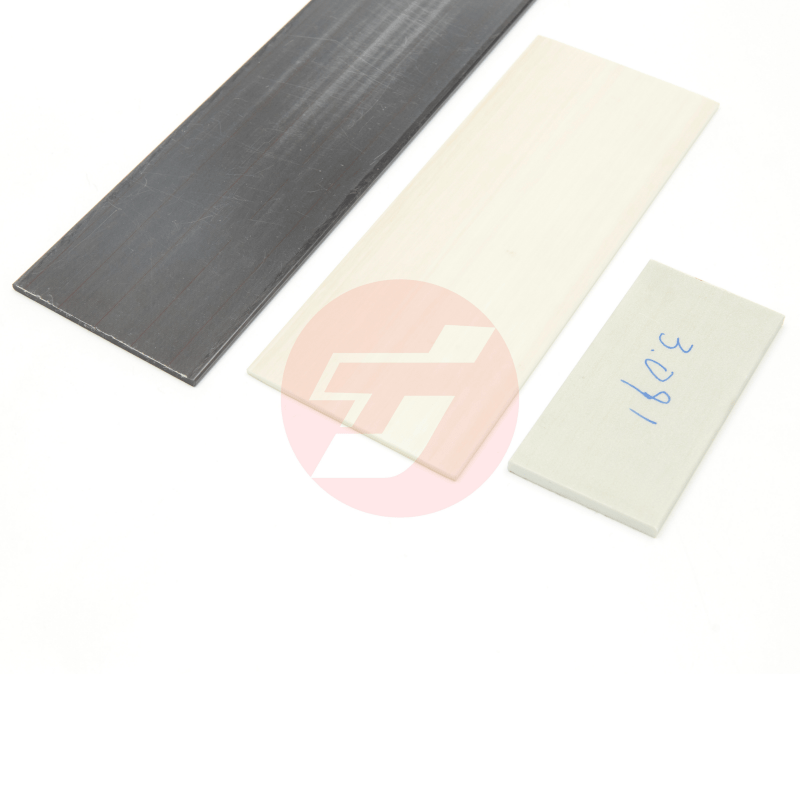
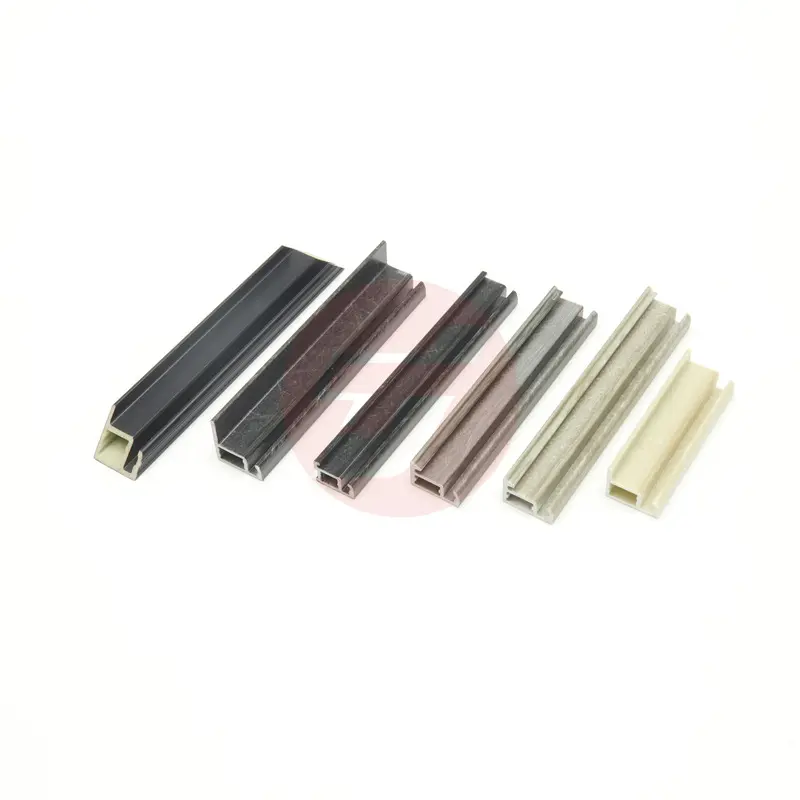
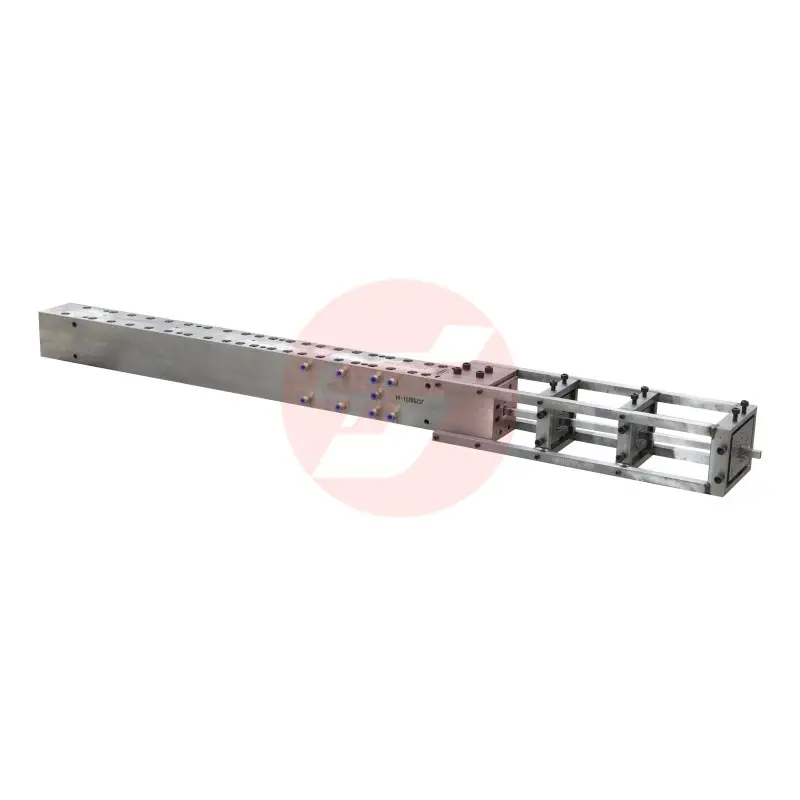
photovoltaic module frame mold
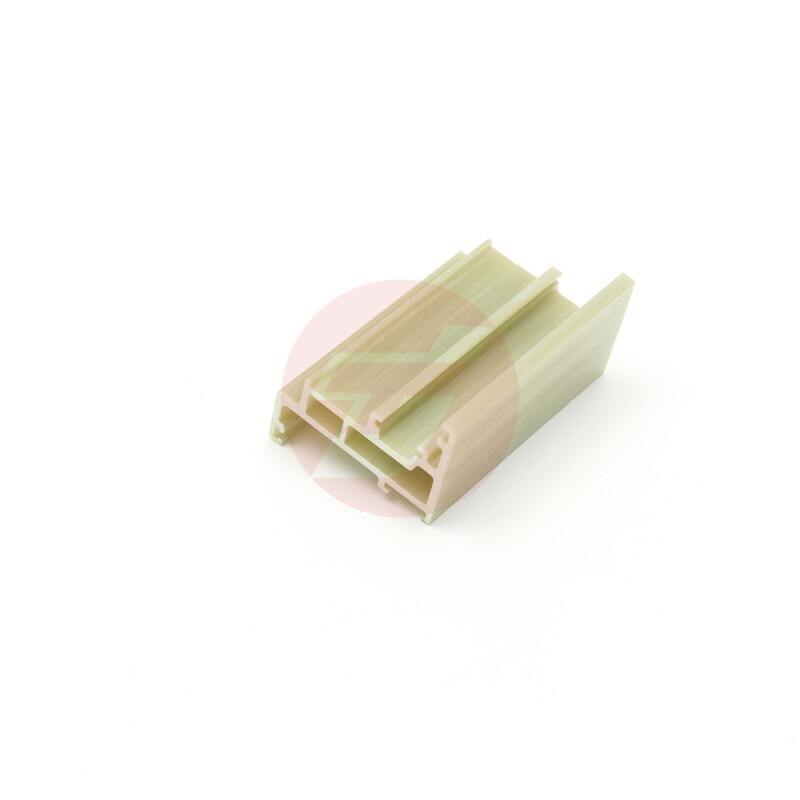
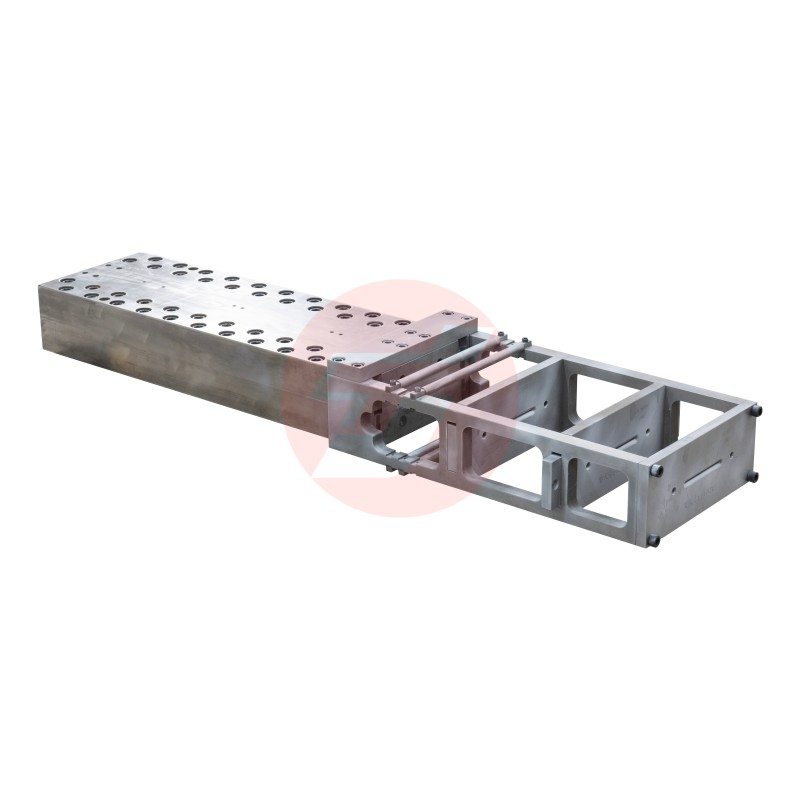
The photovoltaic module frame mold represents a critical manufacturing component in solar panel production, serving as the precision tooling system that shapes aluminum frames for solar modules. This specialized equipment creates the protective boundary structure that encases photovoltaic cells, ensuring structural integrity and weather resistance throughout the solar panel's operational lifetime. The photovoltaic module frame mold operates through advanced extrusion and forming processes, utilizing high-grade steel construction with precision-machined surfaces that deliver consistent dimensional accuracy. Modern frame molds incorporate sophisticated cooling systems, automated ejection mechanisms, and multi-cavity designs that maximize production efficiency while maintaining exceptional quality standards. The technological features of these molds include computer-controlled temperature regulation, hydraulic positioning systems, and interchangeable components that accommodate various frame sizes and configurations. These molds typically feature hardened steel inserts, specialized surface treatments, and precision alignment systems that ensure perfect corner joints and seamless frame assembly. The applications of photovoltaic module frame molds extend across residential, commercial, and industrial solar installations, supporting the manufacturing of frames for standard crystalline silicon modules, thin-film panels, and bifacial solar technologies. Manufacturing facilities utilize these molds in high-volume production environments where consistent quality, dimensional precision, and rapid cycle times are essential for competitive solar panel manufacturing. The frame mold's design incorporates safety features, ergonomic considerations, and maintenance accessibility that support continuous operation in demanding production schedules. Quality control systems integrated within the photovoltaic module frame mold monitor pressure, temperature, and cycle timing to ensure each frame meets stringent industry specifications and performance requirements.

 EN
EN