
 EN
EN
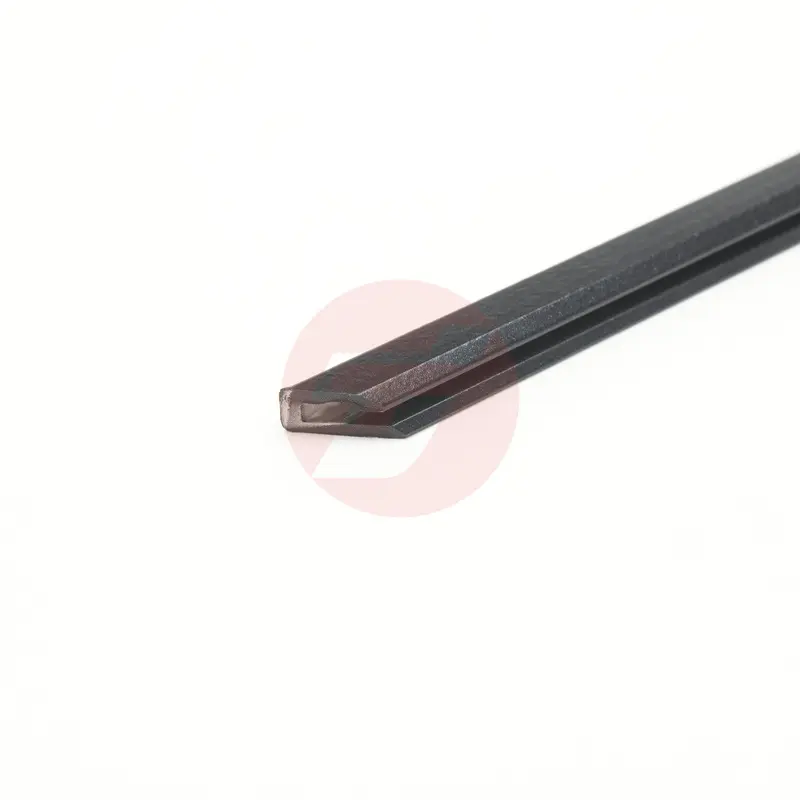
The dimensional accuracy of epoxy pultruded products plays a crucial role in determining their performance and suitability for various industrial applications. Manufacturing professionals across aerospace, automotive, and construction industries rely heavily on precise dimensional control to ensure their components meet stringent quality standards. Understanding the factors that influence dimensional accuracy helps manufacturers optimize their production processes and deliver superior epoxy pultruded products that consistently meet customer specifications.
Dimensional accuracy in pultrusion manufacturing involves maintaining precise control over cross-sectional dimensions, length tolerances, and surface finish throughout the production process. The complexity of achieving consistent dimensional accuracy increases with the geometric complexity of the profile and the specific requirements of the end application. Modern pultrusion facilities utilize advanced monitoring systems and quality control protocols to ensure that epoxy pultruded products maintain dimensional consistency across large production runs.
Material Properties and Their Impact on Dimensional Control
Resin System Selection and Viscosity Effects
The choice of epoxy resin system significantly influences the dimensional accuracy of pultruded profiles. Low-viscosity resins tend to flow more readily through reinforcement materials, potentially leading to better fiber wet-out but requiring more precise die design to prevent excessive resin flow. High-viscosity systems offer better dimensional stability during the curing process but may result in incomplete fiber impregnation if processing parameters are not carefully controlled.
Epoxy formulations with specific rheological properties help maintain consistent cross-sectional dimensions by controlling resin flow patterns within the die cavity. The gel time of the resin system must be carefully balanced with line speed to ensure proper curing without dimensional distortion. Advanced epoxy systems designed specifically for pultrusion applications incorporate additives that enhance dimensional stability while maintaining excellent mechanical properties.
Reinforcement Material Configuration
The type, orientation, and volume fraction of reinforcement materials directly affect dimensional accuracy in epoxy pultruded products. Continuous glass fibers provide excellent dimensional stability when properly aligned, while the inclusion of mat reinforcement can introduce slight thickness variations due to the random nature of the mat structure. Carbon fiber reinforcements offer superior dimensional stability but require more precise temperature control during curing to prevent thermal expansion issues.
Proper tensioning of reinforcement materials during the pulling process ensures consistent fiber distribution and prevents dimensional variations caused by fiber bunching or spreading. The uniformity of reinforcement feed directly correlates with the dimensional consistency of the final epoxy pultruded products. Advanced feeding systems with individual tension control for each roving help maintain optimal fiber placement and contribute to improved dimensional accuracy.
Process Parameters and Temperature Control
Die Temperature Management
Temperature control within the pultrusion die represents one of the most critical factors affecting dimensional accuracy. Non-uniform temperature distribution can cause differential curing rates, leading to internal stresses that manifest as dimensional distortions after the product exits the die. Modern pultrusion lines employ sophisticated heating systems with multiple temperature zones to ensure uniform heat distribution throughout the die length.
The temperature profile must be carefully optimized for each specific epoxy formulation and profile geometry. Higher temperatures generally reduce cycle time but can cause excessive thermal expansion, while insufficient heating may result in incomplete cure and dimensional instability. Real-time temperature monitoring and control systems help maintain optimal conditions for producing dimensionally accurate epoxy pultruded products consistently.
Line Speed and Residence Time Optimization
The relationship between line speed and residence time within the heated die significantly impacts dimensional accuracy. Faster line speeds may not allow sufficient time for complete resin cure, resulting in post-cure shrinkage and dimensional changes. Conversely, excessively slow speeds can lead to over-curing and potential thermal degradation, affecting both dimensional stability and mechanical properties.
Optimal line speed varies with profile thickness, resin system characteristics, and die temperature settings. Thicker profiles generally require slower speeds to ensure complete cure throughout the cross-section, while thin-walled sections may tolerate higher speeds without compromising dimensional accuracy. Continuous monitoring of cure state through advanced sensing technologies helps operators maintain optimal speed settings for consistent epoxy pultruded products quality.
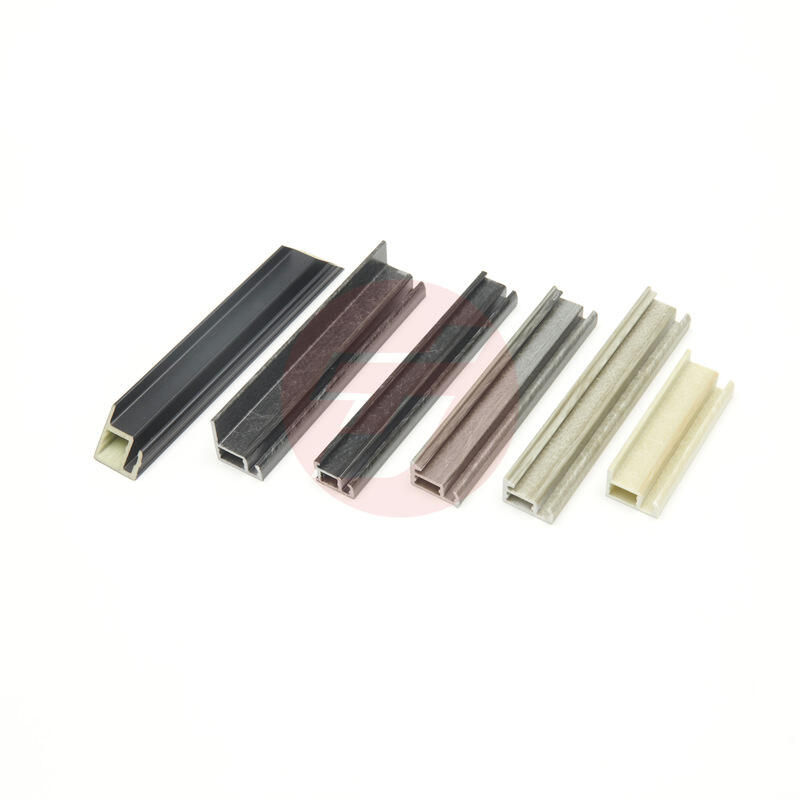
Die Design and Manufacturing Precision
Die Cavity Geometry and Surface Finish
The precision of die cavity machining directly translates to the dimensional accuracy of epoxy pultruded products. Modern CNC machining centers capable of achieving tight tolerances are essential for producing dies that consistently deliver accurate profiles. Surface finish quality within the die cavity affects both dimensional accuracy and surface quality of the finished product.
Die cavity design must account for thermal expansion of both the die material and the curing composite to maintain dimensional accuracy across varying operating conditions. Proper clearance allowances and compensation factors built into the die design help ensure that epoxy pultruded products maintain their specified dimensions throughout the temperature range encountered during production.
Die Heating System Design
The configuration and placement of heating elements within the die assembly significantly influence temperature uniformity and, consequently, dimensional accuracy. Cartridge heaters, heating plates, and induction heating systems each offer distinct advantages for specific applications. The thermal mass of the die and its heating response characteristics must be carefully considered to maintain stable processing conditions.
Advanced die designs incorporate multiple heating zones with independent temperature control to accommodate varying cure requirements along the die length. This multi-zone approach helps optimize the curing profile for maximum dimensional accuracy while minimizing cycle time. Proper insulation and heat distribution design prevent hot spots that could cause localized over-curing and dimensional distortion in epoxy pultruded products.
Quality Control and Monitoring Systems
Real-Time Dimensional Monitoring
Modern pultrusion lines incorporate sophisticated measurement systems that continuously monitor dimensional parameters during production. Laser-based measurement systems, ultrasonic thickness gauges, and optical scanning technologies provide real-time feedback on dimensional accuracy, enabling immediate process adjustments when deviations are detected.
Statistical process control methods help identify trends in dimensional variation before they result in out-of-specification products. Automated data collection and analysis systems track dimensional performance over time, providing valuable insights for process optimization and predictive maintenance. These monitoring capabilities are essential for maintaining consistent quality in high-volume production of epoxy pultruded products.
Post-Production Quality Verification
Comprehensive quality control protocols include detailed dimensional inspection using coordinate measuring machines and other precision measurement equipment. Regular calibration of measurement devices ensures accuracy and traceability of dimensional data. Sample inspection frequencies are typically established based on production volume, customer requirements, and historical process capability data.
Long-term dimensional stability testing helps verify that epoxy pultruded products maintain their accuracy over time and under various environmental conditions. Accelerated aging tests and thermal cycling evaluations provide important data on dimensional stability performance. This information helps manufacturers provide accurate specifications and performance guarantees to their customers.
Environmental and External Factors
Ambient Conditions and Their Effects
Environmental factors such as ambient temperature, humidity, and air currents can influence dimensional accuracy in epoxy pultruded products manufacturing. Temperature fluctuations affect both die thermal stability and material properties, while humidity can impact resin cure characteristics and fiber properties. Climate-controlled manufacturing environments help minimize these variables and improve dimensional consistency.
Proper facility design includes consideration of thermal mass, air circulation patterns, and environmental control systems to maintain stable production conditions. Seasonal variations in ambient conditions may require adjustments to process parameters to maintain dimensional accuracy standards. Monitoring and recording environmental conditions alongside production data helps identify correlations and optimize process control strategies.
Material Storage and Handling Considerations
Proper storage and handling of raw materials significantly impact the dimensional accuracy of finished epoxy pultruded products. Resin systems must be stored at controlled temperatures to maintain consistent viscosity and cure characteristics. Reinforcement materials require protection from moisture and contamination that could affect their performance and dimensional contribution to the final product.
Material conditioning protocols ensure that resins and reinforcements are at optimal temperature and moisture content before processing. Pre-heating of materials can improve processing consistency and dimensional accuracy, particularly in colder environments. Inventory rotation systems help ensure that materials are used within their specified shelf life to maintain optimal performance characteristics.
Troubleshooting Common Dimensional Issues
Identifying Root Causes of Dimensional Variations
Systematic troubleshooting approaches help identify and correct sources of dimensional variation in epoxy pultruded products. Common issues include temperature non-uniformity, improper line speed settings, die wear, and material variability. Process data analysis combined with dimensional measurements helps pinpoint specific causes and guide corrective actions.
Statistical analysis tools such as control charts and capability studies provide objective measures of process performance and help distinguish between random variation and assignable causes. Regular process audits and equipment maintenance schedules help prevent many dimensional accuracy issues before they impact product quality. Corrective action protocols ensure that problems are addressed promptly and effectively.
Preventive Measures and Best Practices
Implementing preventive maintenance programs for critical equipment helps maintain dimensional accuracy over time. Regular die cleaning, heating system calibration, and measurement device verification are essential components of effective quality management. Operator training programs ensure consistent application of best practices and proper response to process variations.
Documentation of process parameters and dimensional performance creates a knowledge base for continuous improvement efforts. Regular review of dimensional data and process conditions helps identify optimization opportunities and prevent recurring issues. Collaboration with material suppliers and equipment manufacturers provides access to the latest technologies and techniques for improving dimensional accuracy in epoxy pultruded products manufacturing.
FAQ
What is the typical dimensional tolerance achievable in epoxy pultruded products
Dimensional tolerances for epoxy pultruded products typically range from ±0.005 to ±0.030 inches, depending on the profile complexity, cross-sectional dimensions, and manufacturing capabilities. Thinner sections and simpler geometries generally achieve tighter tolerances, while complex profiles with varying wall thickness may require looser tolerances. Advanced pultrusion facilities with sophisticated process control can consistently achieve tolerances at the tighter end of this range.
How does profile complexity affect dimensional accuracy in pultrusion
Profile complexity significantly impacts dimensional accuracy due to varying cure rates, differential thermal expansion, and resin flow patterns within complex geometries. Profiles with thin walls, sharp corners, or varying cross-sections require more precise process control to maintain dimensional accuracy. Multi-cavity dies and profiles with enclosed sections present additional challenges for temperature control and dimensional consistency throughout the production run.
What role does post-curing play in dimensional stability
Post-curing can affect dimensional stability by completing the chemical crosslinking process and relieving internal stresses developed during the initial cure. Controlled post-curing at elevated temperatures may cause slight dimensional changes due to thermal expansion and chemical shrinkage, but these changes are typically predictable and can be compensated for in the die design. Proper post-cure schedules help ensure long-term dimensional stability in service conditions.
How can manufacturers minimize dimensional variation between production batches
Minimizing batch-to-batch dimensional variation requires strict control of raw materials, process parameters, and environmental conditions. Implementing statistical process control, maintaining detailed process documentation, and conducting regular equipment calibration help ensure consistency. Using the same material lots when possible, maintaining stable ambient conditions, and following standardized operating procedures significantly reduce variation in epoxy pultruded products across different production runs.