Professional Spar Beam Carbon Fiber Mold Solutions - Advanced Composite Manufacturing Technology

All Categories

Get a Free Quote

A professional manufacturer of composite material molds.
Email
WhatsApp
Name
Company Name
Message
0/1000
Attachment
Please upload at least an attachment
Up to 3 files,more 30mb,suppor jpg、jpeg、png、pdf、doc、docx、xls、xlsx、csv、txt

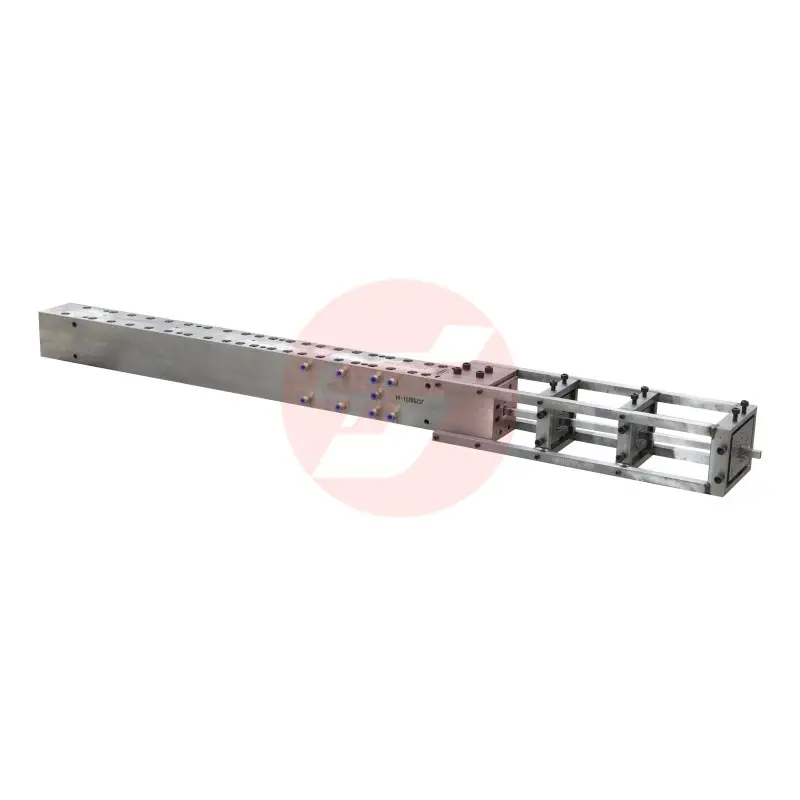
spar beam carbon fiber mold

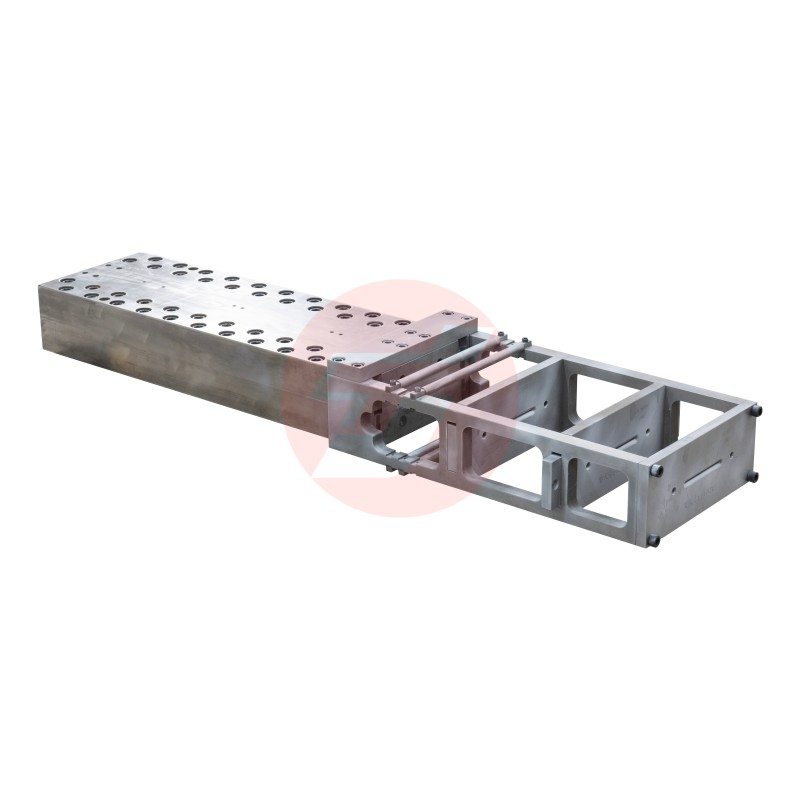
A spar beam carbon fiber mold represents a sophisticated manufacturing tool designed specifically for creating lightweight, high-strength structural components used in aerospace, wind energy, and advanced automotive applications. This specialized spar beam carbon fiber mold serves as the foundation for producing carbon fiber reinforced polymer structures that require exceptional strength-to-weight ratios and dimensional precision. The primary function of this spar beam carbon fiber mold involves shaping and curing carbon fiber materials into precise beam configurations that meet stringent engineering specifications. Modern spar beam carbon fiber mold systems incorporate advanced heating elements, vacuum bagging capabilities, and pressure distribution networks to ensure uniform consolidation of carbon fiber layers. The technological features of a spar beam carbon fiber mold include temperature control systems that maintain optimal curing conditions, typically ranging from 250 to 350 degrees Fahrenheit. These molds feature machined aluminum or steel construction with precisely engineered surface finishes that transfer smoothly to the final carbon fiber component. Advanced spar beam carbon fiber mold designs integrate multiple heating zones, allowing manufacturers to control thermal gradients during the curing process. The vacuum system within each spar beam carbon fiber mold removes air bubbles and excess resin, creating void-free composite structures. Applications for spar beam carbon fiber mold technology span multiple industries, with wind turbine blade manufacturing representing the largest commercial use. Aircraft manufacturers utilize these molds for wing spars, fuselage frames, and control surface structures. The automotive sector employs spar beam carbon fiber mold systems for creating lightweight chassis components and body panels. Marine applications include mast construction and hull reinforcement beams. Each spar beam carbon fiber mold requires precise dimensional tolerances to ensure consistent part quality and assembly compatibility across production runs.


New Product Recommendations

The spar beam carbon fiber mold delivers exceptional manufacturing precision that directly translates into superior product quality and reduced production costs. Companies utilizing advanced spar beam carbon fiber mold systems experience significantly improved dimensional accuracy compared to traditional manufacturing methods. This precision eliminates the need for extensive post-processing operations, saving both time and labor costs throughout the production cycle. The thermal management capabilities of modern spar beam carbon fiber mold designs ensure uniform heat distribution across the entire component surface. This controlled heating prevents thermal stress concentrations that could compromise structural integrity. Manufacturers report up to 40 percent reduction in part rejection rates when upgrading to professional-grade spar beam carbon fiber mold systems. The vacuum integration within each spar beam carbon fiber mold provides superior consolidation of carbon fiber layers, resulting in components with higher fiber volume fractions and improved mechanical properties. This enhanced consolidation directly correlates to stronger, lighter final products that exceed customer performance expectations. Production efficiency gains represent another significant advantage of investing in quality spar beam carbon fiber mold technology. Automated heating and cooling cycles reduce manual labor requirements while ensuring consistent processing conditions for every part. The durable construction of professional spar beam carbon fiber mold systems supports extended production runs without dimensional degradation. Many manufacturers achieve payback periods of less than 18 months due to increased throughput and reduced scrap rates. The versatility of spar beam carbon fiber mold designs allows manufacturers to produce multiple component variations using the same basic tooling platform. This flexibility reduces capital equipment investments while expanding product offering capabilities. Surface finish quality from precision spar beam carbon fiber mold systems often eliminates the need for secondary finishing operations. The smooth, consistent surface transfers directly to carbon fiber components, reducing overall manufacturing cycle times. Quality control becomes more predictable with standardized spar beam carbon fiber mold processes, enabling manufacturers to maintain tighter specification tolerances and improve customer satisfaction ratings.

Tips And Tricks

What Advantages Do Glass Fiber Pultruded Products Offer in Construction?

29

Dec

What Advantages Do Glass Fiber Pultruded Products Offer in Construction?

Construction professionals are increasingly turning to advanced composite materials to meet the demanding requirements of modern infrastructure projects. Among these innovative solutions, glass fiber pultruded products have emerged as a superior alte...
View More
How Do Pultrusion Molds Enhance Durability in Solar Frame Manufacturing?

05

Jan

How Do Pultrusion Molds Enhance Durability in Solar Frame Manufacturing?

Solar frame manufacturing has undergone significant technological advancement in recent years, with pultrusion molds emerging as a critical component in producing durable, high-performance photovoltaic frames. The integration of advanced pultrusion t...
View More
How Do Carbon Fiber Pultruded Products Improve Structural Strength?

13

Feb

How Do Carbon Fiber Pultruded Products Improve Structural Strength?

Carbon fiber pultruded products represent a revolutionary advancement in structural engineering, offering exceptional strength-to-weight ratios that surpass traditional materials like steel and aluminum. These advanced composite materials are manufac...
View More
What Factors Determine the Lifespan of Carbon Fiber Pultruded Products?

13

Feb

What Factors Determine the Lifespan of Carbon Fiber Pultruded Products?

Carbon fiber pultrusion represents one of the most advanced manufacturing processes for creating high-performance composite materials with exceptional strength-to-weight ratios. This innovative technique produces continuous fiber-reinforced profiles ...
View More

Get a Free Quote

A professional manufacturer of composite material molds.
Email
WhatsApp
Name
Company Name
Message
0/1000
Attachment
Please upload at least an attachment
Up to 3 files,more 30mb,suppor jpg、jpeg、png、pdf、doc、docx、xls、xlsx、csv、txt

spar beam carbon fiber mold

Advanced Temperature Control Technology

Advanced Temperature Control Technology

The sophisticated temperature control system within modern spar beam carbon fiber mold designs represents a breakthrough in composite manufacturing precision. This advanced thermal management technology incorporates multiple independent heating zones that can be programmed and monitored individually throughout the entire curing cycle. Each zone within the spar beam carbon fiber mold maintains precise temperature control within plus or minus two degrees Fahrenheit, ensuring optimal resin cure characteristics across the entire component geometry. The heating elements are strategically positioned to compensate for thermal mass variations and geometric complexities inherent in spar beam configurations. Manufacturers benefit from programmable temperature profiles that can be customized for different carbon fiber prepreg systems and component thicknesses. The thermal control system includes sophisticated sensors that provide real-time feedback to maintain consistent curing conditions regardless of ambient temperature fluctuations. This precision temperature management prevents common defects such as resin-rich areas, incomplete cure, or thermal stress concentrations that can compromise structural performance. The energy-efficient heating design reduces operational costs while maintaining superior temperature uniformity. Advanced spar beam carbon fiber mold systems feature rapid heating and cooling capabilities that significantly reduce cycle times compared to conventional tooling. The integrated thermal monitoring system provides complete traceability for quality assurance documentation, essential for aerospace and other critical applications. This temperature control technology enables manufacturers to achieve consistent mechanical properties batch after batch, resulting in predictable component performance and reduced testing requirements. The automated thermal cycles eliminate human error factors that often occur with manual temperature control methods.
Integrated Vacuum Consolidation System

Integrated Vacuum Consolidation System

The integrated vacuum consolidation system within professional spar beam carbon fiber mold designs delivers exceptional composite quality through precise pressure control and air removal capabilities. This sophisticated vacuum system eliminates voids and air bubbles that would otherwise compromise the structural integrity of carbon fiber components. The vacuum distribution network within each spar beam carbon fiber mold ensures uniform pressure application across complex geometries, including internal corners and curved sections where air entrapment commonly occurs. High-quality vacuum pumps maintain consistent negative pressure throughout extended curing cycles, typically achieving pressures of 28 inches of mercury or higher. The vacuum bag interface system allows for easy installation and removal while maintaining leak-free sealing under operating conditions. This consolidation technology results in higher fiber volume fractions, directly translating to improved strength-to-weight ratios in finished components. Manufacturers utilizing advanced spar beam carbon fiber mold vacuum systems report significant improvements in laminate quality, with void content typically reduced to less than two percent. The vacuum monitoring system provides continuous feedback on bag integrity and pressure maintenance, preventing quality issues before they impact production. Automated vacuum cycling capabilities enable optimized degassing sequences that remove volatile compounds and moisture from prepreg materials during the heating phase. The vacuum system design accommodates various bagging materials and techniques, providing flexibility for different production requirements. This integrated approach eliminates the need for separate vacuum equipment and reduces setup complexity for manufacturing personnel. The reliability of modern vacuum systems within spar beam carbon fiber mold applications has dramatically improved production consistency, reducing the variability that previously required extensive quality testing for each component batch.
Precision Surface Finish Engineering

Precision Surface Finish Engineering

The precision-engineered surface finish of professional spar beam carbon fiber mold systems directly determines the quality and appearance of finished carbon fiber components. Advanced machining techniques create mirror-smooth mold surfaces with surface roughness values typically below 32 micro-inches Ra, resulting in components that require minimal post-processing. The surface engineering process for spar beam carbon fiber mold construction involves multiple stages of precision machining followed by specialized polishing operations that remove microscopic tool marks and surface imperfections. This meticulous surface preparation prevents fiber print-through and resin-rich surface conditions that can compromise both appearance and performance. The durable surface coatings applied to high-quality spar beam carbon fiber mold systems resist wear from repeated molding cycles while maintaining consistent release characteristics. These advanced coatings eliminate the need for frequent mold maintenance and refinishing operations that interrupt production schedules. The geometric accuracy of machined spar beam carbon fiber mold surfaces ensures consistent wall thickness distribution in molded components, critical for achieving predictable structural performance. Precision surface finishing enables the production of cosmetic-grade carbon fiber components that meet the demanding appearance standards of automotive and consumer product applications. The smooth surface finish facilitates easy part removal without damage to delicate carbon fiber surface layers, reducing handling-related defects and improving yield rates. Modern spar beam carbon fiber mold surface engineering incorporates advanced measurement technologies that verify dimensional accuracy and surface quality before tooling approval. This comprehensive quality control approach ensures that each mold meets specified tolerances and will produce components within required specifications. The investment in precision surface finishing pays dividends through improved part quality, reduced finishing operations, and enhanced customer satisfaction with final product appearance and performance characteristics.

Get a Free Quote

A professional manufacturer of composite material molds.
Email
WhatsApp
Name
Company Name
Message
0/1000
Attachment
Please upload at least an attachment
Up to 3 files,more 30mb,suppor jpg、jpeg、png、pdf、doc、docx、xls、xlsx、csv、txt