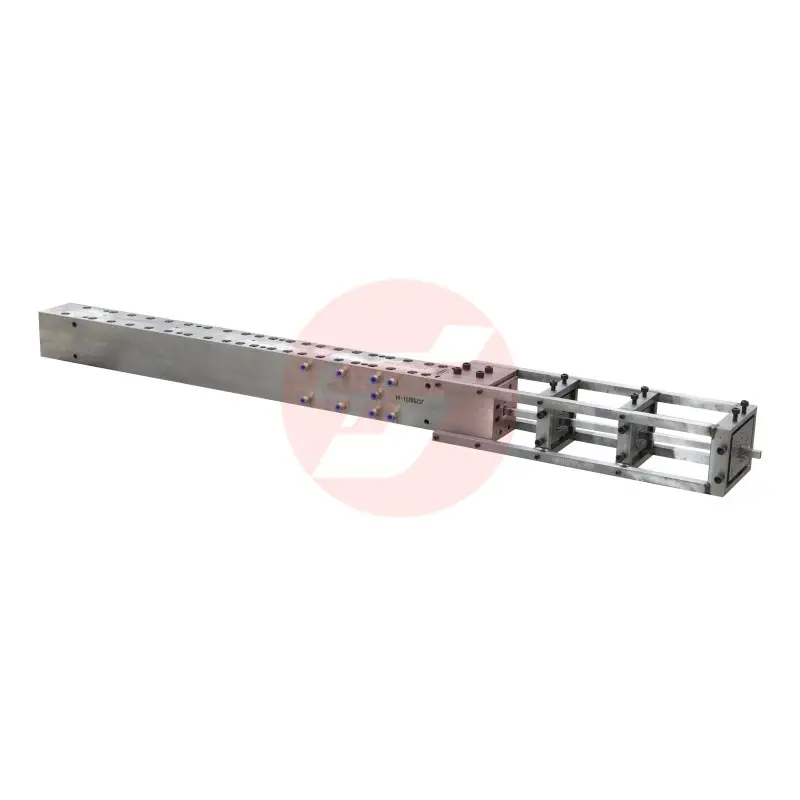
epoxy resin pultrusion molds
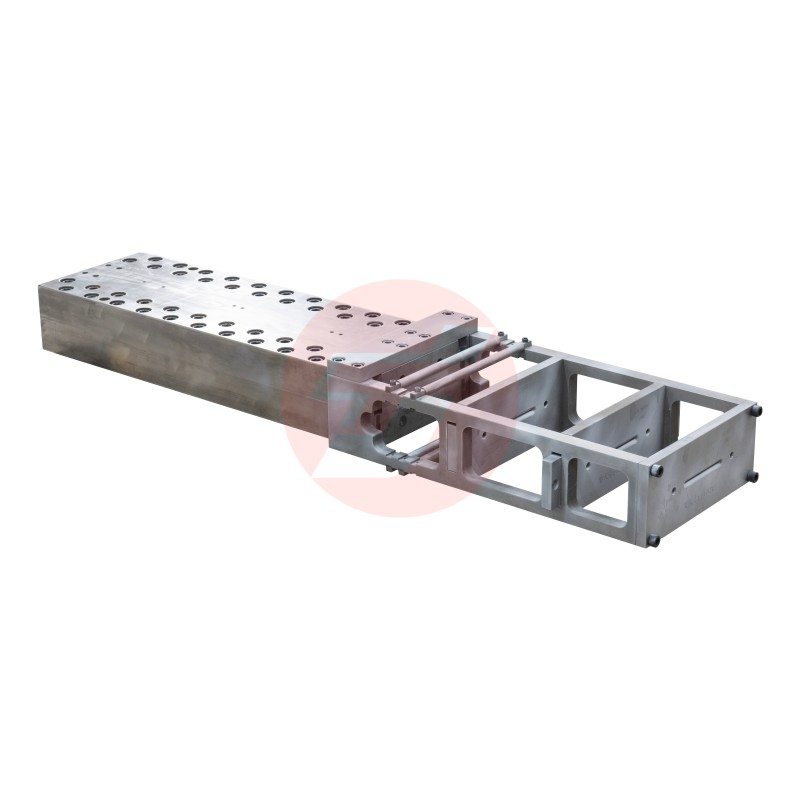
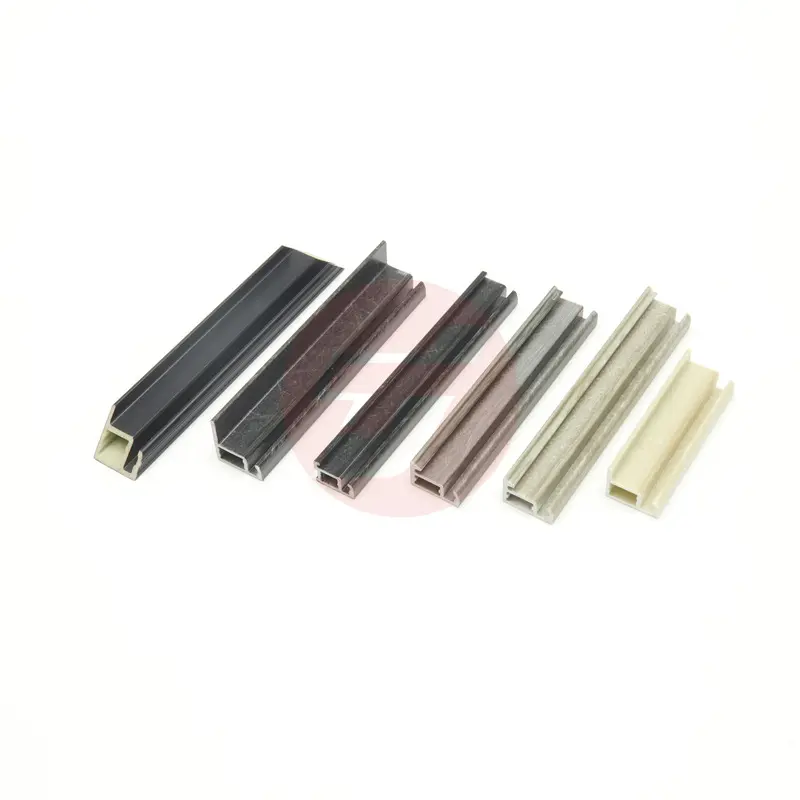
Epoxy resin pultrusion molds represent a revolutionary manufacturing technology that transforms composite production across multiple industries. These specialized molds utilize advanced epoxy resin formulations to create continuous fiber-reinforced profiles through the pultrusion process. The main function of epoxy resin pultrusion molds centers on shaping and curing composite materials into precise, consistent cross-sectional profiles with exceptional dimensional accuracy. The pultrusion process involves pulling continuous fibers through a heated die system where epoxy resin impregnates the reinforcement materials, creating high-strength composite products. The technological features of epoxy resin pultrusion molds include superior thermal conductivity, enabling uniform heat distribution throughout the curing cycle. These molds maintain precise temperature control, ensuring optimal cross-linking of epoxy matrices while preventing thermal degradation. The robust construction of these molds allows them to withstand repeated thermal cycling without dimensional distortion. Advanced surface treatments on epoxy resin pultrusion molds provide excellent release properties, minimizing product adhesion and reducing cycle times. The applications for epoxy resin pultrusion molds span numerous sectors including construction, aerospace, automotive, and marine industries. In construction, these molds produce structural beams, reinforcement bars, and architectural elements with consistent quality. Aerospace applications include manufacturing lightweight structural components, antenna radomes, and interior panels. The automotive industry utilizes epoxy resin pultrusion molds for creating drive shafts, leaf springs, and body reinforcement parts. Marine applications encompass hull reinforcements, mast components, and deck structures. The versatility of epoxy resin pultrusion molds enables manufacturers to produce complex geometries while maintaining tight tolerances throughout extended production runs. This technology delivers exceptional surface finish quality, reducing post-processing requirements and enhancing overall production efficiency.

 EN
EN