Professional Structural Profile Mold Solutions - Advanced Manufacturing Technology

All Categories

Get a Free Quote

A professional manufacturer of composite material molds.
Email
WhatsApp
Name
Company Name
Message
0/1000
Attachment
Please upload at least an attachment
Up to 3 files,more 30mb,suppor jpg、jpeg、png、pdf、doc、docx、xls、xlsx、csv、txt

structural profile mold

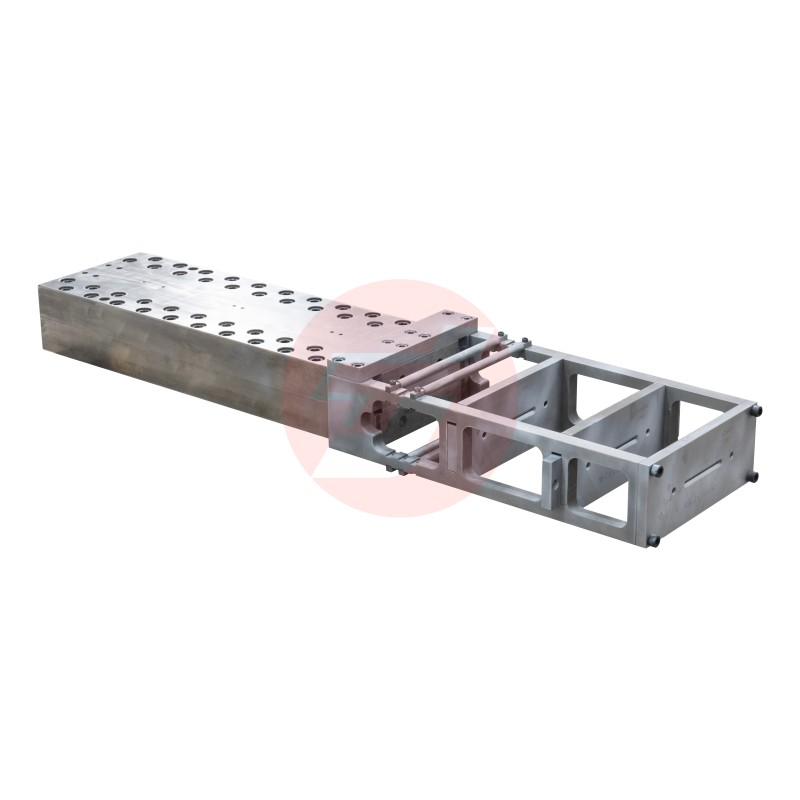
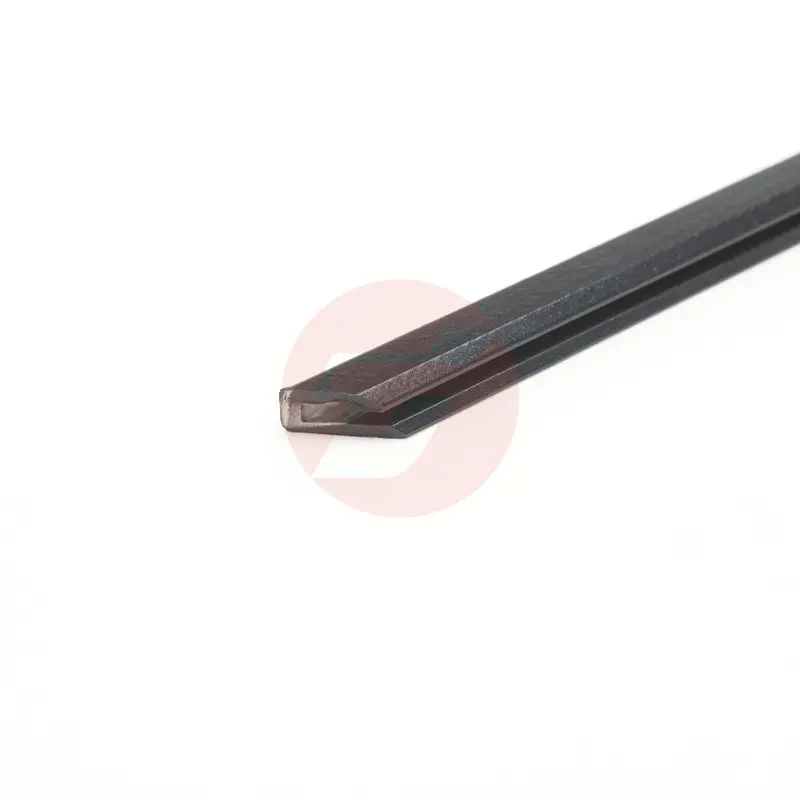
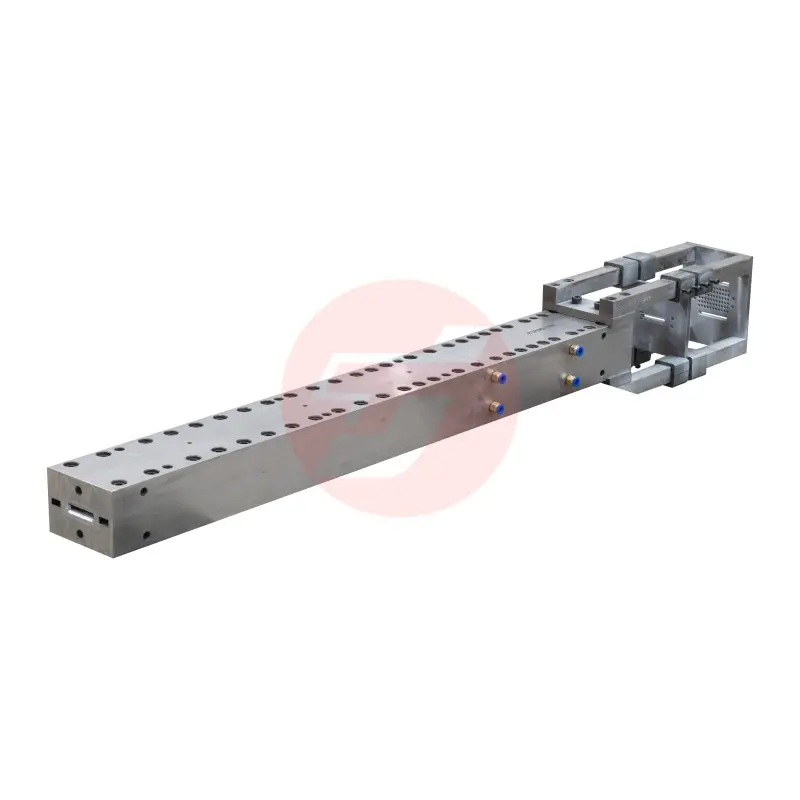
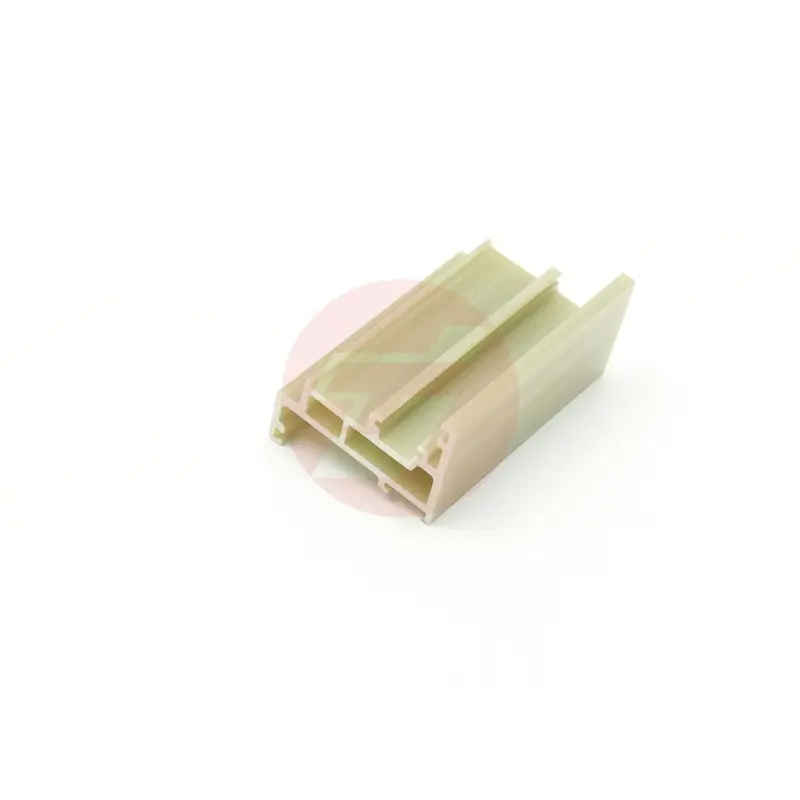
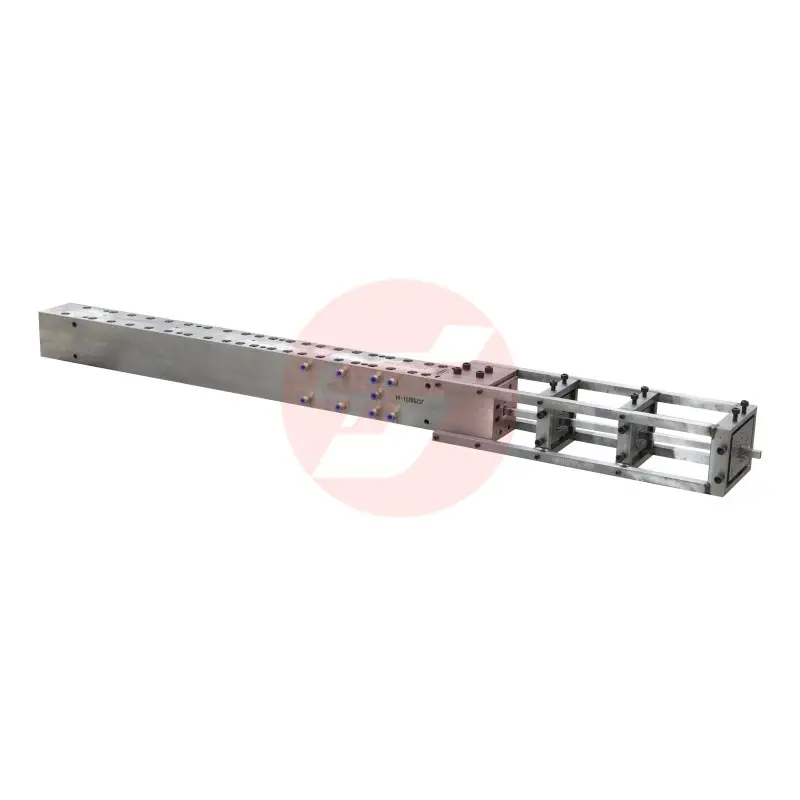
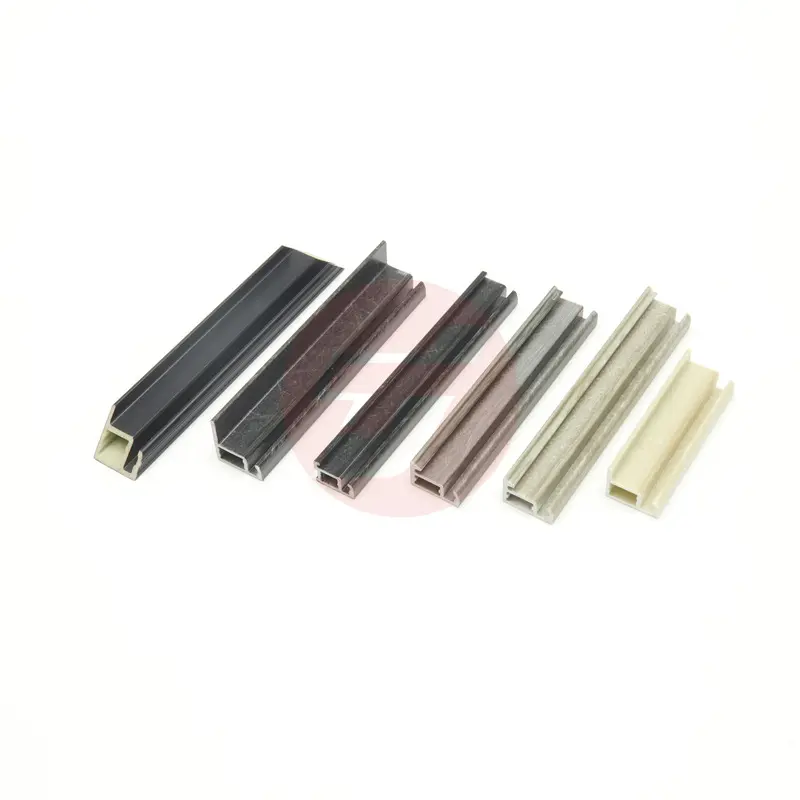
The structural profile mold represents a specialized manufacturing tool engineered for producing complex architectural and industrial components with exceptional precision and consistency. This sophisticated molding system serves as the backbone for creating structural profiles used in construction, automotive, aerospace, and various industrial applications. The structural profile mold operates through advanced injection molding principles, utilizing high-grade steel construction and precision-machined cavities to ensure dimensional accuracy and surface quality. The primary function of this molding system centers on transforming raw materials, typically thermoplastics or composites, into finished structural components that meet stringent engineering specifications. Key technological features include multi-cavity design capabilities, allowing simultaneous production of multiple components, and integrated cooling systems that optimize cycle times while maintaining product integrity. The mold incorporates advanced runner systems and gate configurations that ensure uniform material distribution throughout the cavity, eliminating common defects such as warp, sink marks, or incomplete filling. Temperature control systems within the structural profile mold maintain precise thermal conditions throughout the molding process, ensuring consistent material properties and dimensional stability. The ejection mechanism employs strategically positioned ejector pins and plates that safely remove finished components without causing damage or distortion. Applications span numerous industries, including building construction where structural profile molds create window frames, door components, and architectural trim elements. In automotive manufacturing, these molds produce interior panels, exterior trim pieces, and structural reinforcement components. The aerospace industry relies on structural profile molds for creating lightweight yet durable cabin components, cargo bay elements, and specialized housing units. Industrial applications encompass equipment housings, machine guards, conveyor components, and custom fabricated parts requiring specific structural properties. The versatility of the structural profile mold makes it indispensable for manufacturers seeking reliable, cost-effective solutions for high-volume production requirements.


New Product Recommendations

The structural profile mold delivers exceptional manufacturing advantages that directly translate into significant cost savings and operational efficiencies for production facilities. Enhanced production speed stands as a primary benefit, with optimized cycle times reducing manufacturing duration by up to forty percent compared to traditional fabrication methods. This acceleration stems from the mold's advanced cooling systems and efficient material flow design, enabling rapid heat dissipation and faster solidification rates. Quality consistency represents another crucial advantage, as the structural profile mold eliminates human error variables inherent in manual fabrication processes. Each component emerges with identical dimensional specifications, surface finish, and structural properties, ensuring predictable performance characteristics across entire production runs. Material waste reduction becomes immediately apparent when utilizing structural profile molds, as precise cavity dimensions and optimized runner systems minimize excess material consumption. This efficiency directly impacts raw material costs while supporting environmental sustainability initiatives. Labor cost reductions occur naturally through automation capabilities, as fewer skilled operators are required to maintain consistent production output. The mold's self-contained operation reduces dependency on specialized labor while improving workplace safety through reduced manual handling requirements. Scalability advantages enable manufacturers to adjust production volumes efficiently without compromising quality standards or incurring substantial additional investments. The structural profile mold accommodates varying demand cycles through flexible scheduling and rapid changeover capabilities. Durability benefits extend equipment lifespan significantly, with high-grade steel construction and precision engineering ensuring thousands of cycles before maintenance requirements. This longevity amortizes initial investment costs across extended production periods, improving return on investment calculations. Surface finish quality exceeds traditional manufacturing methods, eliminating secondary finishing operations and associated costs. The structural profile mold produces components with consistent surface texture and dimensional accuracy that meet or exceed customer specifications without additional processing. Inventory management becomes streamlined through predictable production scheduling and consistent output quality, reducing buffer stock requirements and associated carrying costs. These combined advantages position the structural profile mold as an essential investment for manufacturers prioritizing efficiency, quality, and profitability in competitive markets.

Tips And Tricks

How Can Carbon Fiber Pultrusion Reduce Manufacturing Costs for B2B Buyers?

29

Dec

How Can Carbon Fiber Pultrusion Reduce Manufacturing Costs for B2B Buyers?

Manufacturing costs continue to challenge B2B buyers across industries, driving the need for innovative production methods that deliver superior performance while maintaining economic efficiency. Carbon fiber pultrusion has emerged as a transformativ...
View More
How to Evaluate the Quality of Glass Fiber Pultrusion Molds?

29

Dec

How to Evaluate the Quality of Glass Fiber Pultrusion Molds?

Manufacturing high-quality composite products requires precise tooling, and glass fiber pultrusion molds serve as the foundation for successful pultrusion processes. These specialized molds determine the dimensional accuracy, surface finish, and over...
View More
What Affects the Dimensional Accuracy of Epoxy Pultruded Products?

05

Jan

What Affects the Dimensional Accuracy of Epoxy Pultruded Products?

The dimensional accuracy of epoxy pultruded products plays a crucial role in determining their performance and suitability for various industrial applications. Manufacturing professionals across aerospace, automotive, and construction industries rely...
View More
How Does Polyurethane Enhance Performance in Pultruded Components?

05

Jan

How Does Polyurethane Enhance Performance in Pultruded Components?

The construction and manufacturing industries are constantly seeking materials that deliver superior performance while maintaining cost-effectiveness. Polyurethane pultrusion has emerged as a revolutionary process that combines the excellent properti...
View More

Get a Free Quote

A professional manufacturer of composite material molds.
Email
WhatsApp
Name
Company Name
Message
0/1000
Attachment
Please upload at least an attachment
Up to 3 files,more 30mb,suppor jpg、jpeg、png、pdf、doc、docx、xls、xlsx、csv、txt

structural profile mold

Advanced Multi-Cavity Design Technology

Advanced Multi-Cavity Design Technology

The structural profile mold incorporates cutting-edge multi-cavity design technology that revolutionizes production efficiency and cost-effectiveness for manufacturers across diverse industries. This innovative feature enables simultaneous production of multiple identical components within a single molding cycle, dramatically increasing output capacity without proportional increases in energy consumption, labor requirements, or cycle time. The multi-cavity configuration utilizes precision-engineered runner systems that ensure uniform material distribution to each cavity, maintaining consistent temperature, pressure, and flow characteristics throughout the entire mold structure. This technological advancement eliminates the variations commonly associated with single-cavity operations, where temperature fluctuations and pressure differentials can compromise product quality. Each cavity within the structural profile mold receives identical processing conditions, resulting in components that exhibit uniform dimensional accuracy, surface finish, and structural properties regardless of cavity position. The balanced runner system prevents material degradation through optimized flow paths, reducing residence time and thermal exposure while maintaining material integrity. Cooling circuits integrated throughout the multi-cavity design provide uniform temperature control across all cavities, ensuring consistent solidification rates and minimizing internal stress development. This thermal management system prevents warpage, dimensional distortion, and surface defects that plague conventional molding systems. The structural profile mold's multi-cavity design accommodates various component sizes and configurations within the same tool, offering unprecedented flexibility for manufacturers producing related product lines. This adaptability reduces tooling investments while maximizing production versatility, enabling rapid response to market demands and customer requirements. Maintenance procedures remain straightforward despite the complex internal architecture, with accessible cooling channels, replaceable wear components, and modular cavity inserts that facilitate routine servicing without complete mold disassembly. Quality control benefits multiply with multi-cavity production, as statistical sampling becomes more representative and process variations become immediately apparent through cavity-to-cavity comparisons, enabling proactive adjustments that maintain consistent output quality throughout extended production runs.
Precision Temperature Control Systems

Precision Temperature Control Systems

The structural profile mold features sophisticated temperature control systems that represent a quantum leap in thermal management technology, ensuring optimal processing conditions and superior product quality throughout extended production cycles. These advanced thermal regulation systems employ strategically positioned heating and cooling circuits that maintain precise temperature gradients across the entire mold structure, eliminating hot spots and cold zones that traditionally compromise component quality. The temperature control architecture integrates high-efficiency heat exchangers, precision thermostats, and rapid-response heating elements that react instantaneously to thermal variations, maintaining processing temperatures within extremely tight tolerances. This level of thermal precision becomes critical when processing advanced materials that exhibit narrow processing windows or sensitive thermal properties. The structural profile mold's cooling system utilizes optimized channel configurations that promote uniform heat extraction from molded components, accelerating solidification while preventing thermal shock and associated stress concentrations. Conformal cooling channels follow component geometry closely, ensuring consistent cooling rates across complex profiles and eliminating the uneven cooling patterns that cause warpage and dimensional instability. The system incorporates multiple temperature zones that can be independently controlled, allowing optimization of different mold sections based on component requirements, material characteristics, and processing objectives. This zonal control capability enables manufacturers to fine-tune thermal conditions for optimal flow behavior, reduced cycle times, and enhanced surface quality. Advanced temperature monitoring systems provide real-time feedback on thermal conditions throughout the mold structure, enabling predictive maintenance scheduling and proactive adjustment of processing parameters. These monitoring capabilities integrate with production control systems, creating comprehensive process documentation and quality assurance records that support continuous improvement initiatives. Energy efficiency benefits emerge through intelligent thermal management that minimizes energy consumption while maintaining optimal processing conditions, reducing operational costs and supporting environmental sustainability goals. The temperature control systems demonstrate exceptional reliability through robust component selection and redundant safety systems that prevent thermal runaway conditions and protect valuable mold investments from damage caused by temperature excursions.
Superior Material Flow Optimization

Superior Material Flow Optimization

The structural profile mold incorporates revolutionary material flow optimization technology that ensures complete cavity filling, eliminates defects, and maximizes component performance through scientifically engineered flow path design. This sophisticated system employs computational fluid dynamics principles to create runner geometries, gate locations, and cavity configurations that promote laminar flow conditions and uniform material distribution throughout the molding process. The optimized flow paths minimize pressure losses while maintaining adequate injection pressures at cavity extremities, ensuring complete filling of complex geometries and thin-walled sections that challenge conventional molding systems. Advanced gate design technology incorporated in the structural profile mold utilizes multiple gate configurations tailored to specific component requirements, including edge gates, submarine gates, and hot runner systems that eliminate material waste while optimizing flow patterns. These gate designs prevent flow marks, weld lines, and air entrapment that compromise component strength and aesthetic appeal. The runner system architecture balances flow rates across multiple cavities in multi-cavity configurations, ensuring simultaneous filling and identical processing conditions for each component. This balanced approach eliminates the quality variations typically associated with unequal flow distribution, where some cavities may experience overpacking while others remain incompletely filled. Venting systems integrated throughout the structural profile mold facilitate complete air evacuation during material injection, preventing gas traps and surface defects while enabling higher injection speeds and reduced cycle times. Strategic vent placement follows scientific principles that predict air flow patterns during cavity filling, ensuring effective gas removal without material leakage. The flow optimization technology accommodates diverse material types, from standard thermoplastics to advanced engineering compounds and fiber-reinforced composites, adjusting flow characteristics to match specific material properties and processing requirements. This versatility eliminates the need for multiple specialized molds when processing different materials, reducing tooling investments and inventory requirements. Quality benefits manifest through improved mechanical properties in finished components, as optimized flow patterns promote better molecular orientation and reduced internal stress concentrations that enhance component durability and performance under service conditions. The system enables processing of challenging materials at lower injection pressures, reducing wear on molding equipment while extending mold life and maintaining dimensional accuracy over thousands of production cycles.

Get a Free Quote

A professional manufacturer of composite material molds.
Email
WhatsApp
Name
Company Name
Message
0/1000
Attachment
Please upload at least an attachment
Up to 3 files,more 30mb,suppor jpg、jpeg、png、pdf、doc、docx、xls、xlsx、csv、txt