 EN
EN
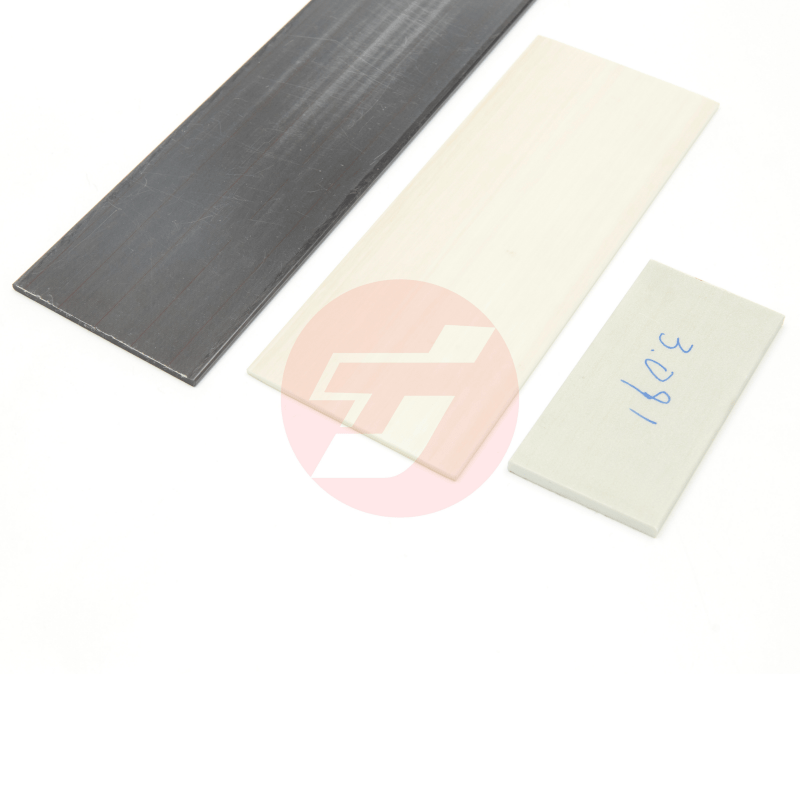
Carbon fiber pultruded components have revolutionized manufacturing across numerous industries, offering exceptional strength-to-weight ratios and superior durability compared to traditional materials. These advanced composite structures are created through pultrusion, a continuous manufacturing process that combines carbon fiber reinforcement with resin matrix systems to produce consistent, high-quality profiles. The unique properties of carbon fiber pultruded components make them ideal for applications requiring lightweight yet incredibly strong structural elements that can withstand extreme environmental conditions and mechanical stresses.
The aerospace and defense sectors represent the most demanding applications for carbon fiber pultruded components, where performance specifications push material capabilities to their limits. Aircraft manufacturers rely heavily on these components for structural elements that must maintain integrity under extreme temperature variations, high-stress loading, and continuous vibration cycles. Military applications benefit from the electromagnetic transparency of carbon fiber pultruded components, making them essential for radar and communication equipment housings that require both structural strength and signal transmission capabilities.
Wind energy systems have emerged as one of the fastest-growing markets for carbon fiber pultruded components, particularly in blade construction and support structures. The renewable energy sector demands materials that can withstand decades of exposure to harsh weather conditions while maintaining structural integrity under massive rotational forces. Carbon fiber pultruded components provide the necessary stiffness and fatigue resistance required for wind turbine applications, contributing to improved energy efficiency and extended operational lifespans of these critical renewable energy systems.
Aerospace and Defense Applications
Aircraft Structural Components
Commercial and military aircraft extensively utilize carbon fiber pultruded components in fuselage frames, wing spars, and control surface structures. These applications benefit from the exceptional strength-to-weight ratio that reduces overall aircraft weight while maintaining structural integrity required for flight safety. The pultrusion process ensures consistent fiber orientation and resin distribution, creating components that meet stringent aerospace quality standards for dimensional accuracy and material properties.
Aircraft interior applications also leverage carbon fiber pultruded components for seat frames, overhead bin structures, and galley equipment supports. These interior elements must combine lightweight construction with fire resistance and low smoke emission characteristics mandated by aviation safety regulations. The design flexibility of carbon fiber pultruded components allows manufacturers to create complex geometries that optimize space utilization while meeting all safety requirements.
Defense and Military Systems
Military vehicles and equipment extensively incorporate carbon fiber pultruded components for armor plating, equipment housings, and weapon system supports. These applications require materials that provide ballistic protection while minimizing weight penalties that could compromise vehicle mobility and fuel efficiency. The electromagnetic properties of carbon fiber pultruded components make them valuable for stealth applications where radar signature reduction is critical.
Naval applications utilize carbon fiber pultruded components for ship superstructures, mast assemblies, and deck equipment supports. Marine environments present unique challenges including saltwater corrosion, thermal cycling, and impact resistance requirements. Carbon fiber pultruded components excel in these conditions, providing long-term durability with minimal maintenance requirements compared to traditional steel or aluminum alternatives.
Renewable Energy and Wind Power Systems
Wind Turbine Blade Construction
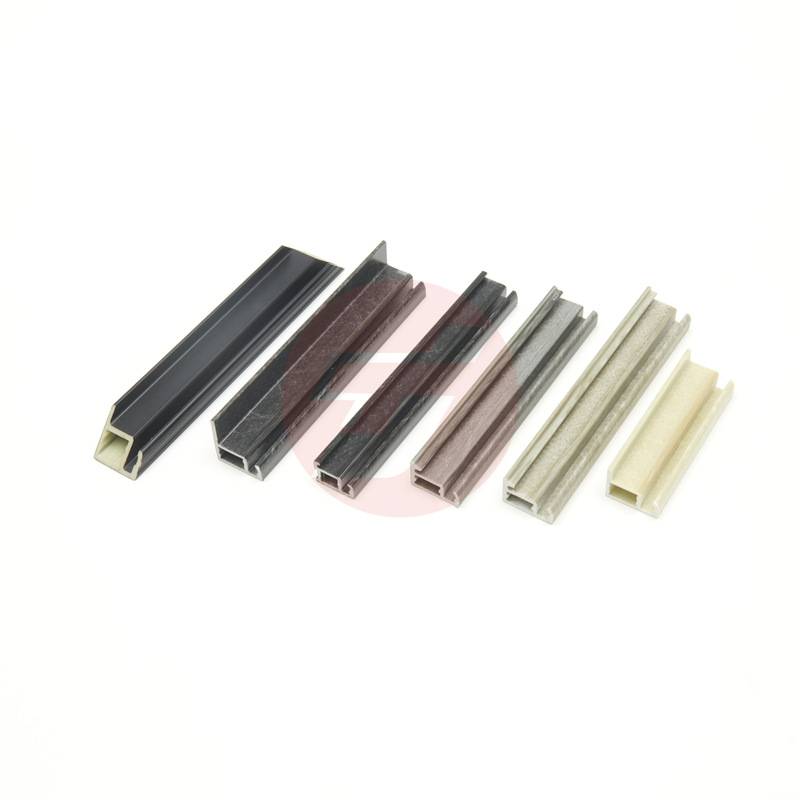
Wind turbine manufacturers increasingly rely on carbon fiber pultruded components for blade spar caps and structural reinforcements that must withstand millions of loading cycles over operational lifespans exceeding twenty years. These components enable the construction of longer, more efficient blades that capture more wind energy while maintaining structural reliability. The fatigue resistance of carbon fiber pultruded components significantly exceeds that of glass fiber alternatives, making them essential for large-scale wind energy applications.
Blade manufacturing processes benefit from the consistent properties and dimensional accuracy of carbon fiber pultruded components, which simplify assembly procedures and improve final product quality. The lightning strike protection systems integrated into modern wind turbine blades also utilize carbon fiber pultruded components as conductive pathways that safely channel electrical energy to ground systems without compromising blade structural integrity.
Support Structures and Towers
Wind turbine tower construction increasingly incorporates carbon fiber pultruded components for guy wire systems, access platforms, and equipment mounting brackets. These applications require materials that maintain strength and stiffness under dynamic loading conditions while resisting environmental degradation from UV exposure, temperature cycling, and moisture infiltration. Carbon fiber pultruded components provide superior performance in these demanding service environments.
Offshore wind installations present even more challenging conditions where carbon fiber pultruded components must resist saltwater corrosion while maintaining structural performance under extreme wave loading and wind forces. The corrosion resistance of carbon fiber pultruded components eliminates the need for protective coatings and regular maintenance procedures required by metallic alternatives, reducing long-term operational costs.
Infrastructure and Construction Industries
Bridge and Highway Applications
Transportation infrastructure increasingly utilizes carbon fiber pultruded components for bridge deck systems, guardrail assemblies, and structural reinforcement applications. These components provide exceptional durability in environments where traditional materials suffer from corrosion, freeze-thaw damage, and chemical degradation from road salts and automotive emissions. The lightweight nature of carbon fiber pultruded components simplifies installation procedures and reduces foundation requirements for new construction projects.
Highway noise barrier systems benefit significantly from carbon fiber pultruded components that combine structural strength with acoustic performance characteristics. These barriers must withstand wind loading, impact forces, and environmental exposure while maintaining aesthetic appearance over extended service lives. Carbon fiber pultruded components require minimal maintenance and retain their structural properties and visual appearance far longer than conventional materials.
Building and Architectural Systems
Modern architectural applications incorporate carbon fiber pultruded components in curtain wall systems, structural glazing supports, and decorative elements that require both strength and aesthetic appeal. These components enable architects to create innovative designs with longer spans and reduced structural depth compared to traditional materials. The dimensional stability of carbon fiber pultruded components prevents thermal expansion issues that can compromise building envelope performance.
Seismic retrofitting projects extensively use carbon fiber pultruded components to strengthen existing structures without adding significant weight or altering building appearance. These reinforcement systems provide enhanced earthquake resistance while minimizing construction disruption and maintaining occupancy during installation procedures. The bond strength and long-term durability of carbon fiber pultruded components ensure effective seismic protection throughout building service lives.
Marine and Offshore Applications
Vessel Construction and Components
Marine vessel construction benefits enormously from carbon fiber pultruded components in hull structures, deck systems, and superstructure elements. These components provide exceptional strength while reducing vessel weight, improving fuel efficiency and payload capacity. The corrosion resistance of carbon fiber pultruded components eliminates the maintenance requirements and lifecycle costs associated with steel or aluminum marine structures.
Racing yacht applications push carbon fiber pultruded components to their performance limits, where every gram of weight reduction translates to competitive advantage. These high-performance vessels utilize carbon fiber pultruded components for mast assemblies, rigging hardware, and structural frameworks that must withstand extreme loading conditions while maintaining precise dimensional tolerances for optimal aerodynamic and hydrodynamic performance.
Offshore Platform Systems
Oil and gas offshore platforms increasingly incorporate carbon fiber pultruded components for walkways, handrails, and equipment supports that must function reliably in harsh marine environments. These components resist saltwater corrosion, withstand impact damage, and maintain structural integrity under extreme weather conditions. The fire resistance properties of carbon fiber pultruded components meet stringent offshore safety requirements while providing long-term performance reliability.
Offshore wind installations utilize carbon fiber pultruded components for foundation systems, cable management structures, and maintenance platforms. These applications demand materials that perform reliably for decades without maintenance access, making the durability and corrosion resistance of carbon fiber pultruded components essential for project economic viability. The lightweight nature of these components also simplifies offshore installation procedures and reduces transportation costs.
Industrial Manufacturing and Processing
Chemical Processing Equipment
Chemical processing facilities utilize carbon fiber pultruded components for tank supports, pipe hangers, and equipment frameworks that must resist chemical attack while maintaining structural integrity. These components provide superior corrosion resistance compared to metallic alternatives, reducing maintenance costs and improving operational safety. The dimensional stability of carbon fiber pultruded components prevents thermal stress issues in equipment exposed to temperature variations.
Wastewater treatment plants benefit from carbon fiber pultruded components in walkway systems, equipment supports, and structural elements exposed to corrosive environments. These facilities require materials that maintain performance over decades of exposure to aggressive chemicals and biological agents. Carbon fiber pultruded components provide reliable long-term performance with minimal maintenance requirements, reducing operational costs and improving facility safety.
Power Generation and Transmission
Electrical power generation facilities incorporate carbon fiber pultruded components for cooling tower structures, equipment supports, and transmission line hardware. These applications require materials that combine electrical insulation properties with structural strength and environmental resistance. Carbon fiber pultruded components provide superior performance in high-voltage environments while eliminating corrosion issues associated with metallic components.
Power transmission systems utilize carbon fiber pultruded components for insulator supports, cross-arm assemblies, and tower reinforcement elements. These components must withstand extreme weather conditions, electrical stress, and mechanical loading while maintaining dimensional stability. The lightweight nature of carbon fiber pultruded components reduces loading on transmission structures and simplifies installation procedures in remote locations.
FAQ
What makes carbon fiber pultruded components superior to traditional materials in aerospace applications
Carbon fiber pultruded components offer exceptional strength-to-weight ratios that can be three to five times better than aluminum while providing superior fatigue resistance and dimensional stability. In aerospace applications, these properties translate to significant weight savings, improved fuel efficiency, and enhanced structural performance under dynamic loading conditions. The consistency of the pultrusion process ensures reliable material properties that meet stringent aerospace quality requirements.
How do carbon fiber pultruded components perform in marine environments compared to steel or aluminum
Carbon fiber pultruded components demonstrate superior corrosion resistance in marine environments, completely eliminating the galvanic corrosion and pitting issues that plague steel and aluminum structures. These components maintain their structural properties indefinitely when exposed to saltwater, UV radiation, and thermal cycling, while metallic alternatives require extensive protective coatings and regular maintenance to prevent degradation. The lifecycle cost advantages of carbon fiber pultruded components often offset higher initial material costs through reduced maintenance and extended service life.
What are the key advantages of carbon fiber pultruded components in wind energy applications
Wind energy applications benefit from the exceptional fatigue resistance of carbon fiber pultruded components, which can withstand millions of loading cycles without degradation. These components enable the construction of longer, more efficient wind turbine blades while maintaining structural reliability over twenty-plus year operational lifespans. The lightweight nature and high stiffness of carbon fiber pultruded components also contribute to improved energy capture efficiency and reduced maintenance requirements for wind energy systems.
How do manufacturing tolerances and quality control compare between carbon fiber pultruded components and traditional materials
The pultrusion manufacturing process provides exceptional dimensional accuracy and consistency for carbon fiber pultruded components, typically achieving tolerances within ±0.1mm for critical dimensions. This precision exceeds what is typically achievable with rolled steel or extruded aluminum products, reducing assembly time and improving final product quality. Quality control systems for carbon fiber pultruded components can monitor fiber content, resin distribution, and mechanical properties continuously during production, ensuring consistent performance characteristics throughout each component.
Table of Contents
- Aerospace and Defense Applications
- Renewable Energy and Wind Power Systems
- Infrastructure and Construction Industries
- Marine and Offshore Applications
- Industrial Manufacturing and Processing
-
FAQ
- What makes carbon fiber pultruded components superior to traditional materials in aerospace applications
- How do carbon fiber pultruded components perform in marine environments compared to steel or aluminum
- What are the key advantages of carbon fiber pultruded components in wind energy applications
- How do manufacturing tolerances and quality control compare between carbon fiber pultruded components and traditional materials