High-Performance Polyester Fiberglass Molds - Superior Manufacturing Solutions

All Categories

Get a Free Quote

A professional manufacturer of composite material molds.
Email
WhatsApp
Name
Company Name
Message
0/1000
Attachment
Please upload at least an attachment
Up to 3 files,more 30mb,suppor jpg、jpeg、png、pdf、doc、docx、xls、xlsx、csv、txt

polyester fiberglass mold

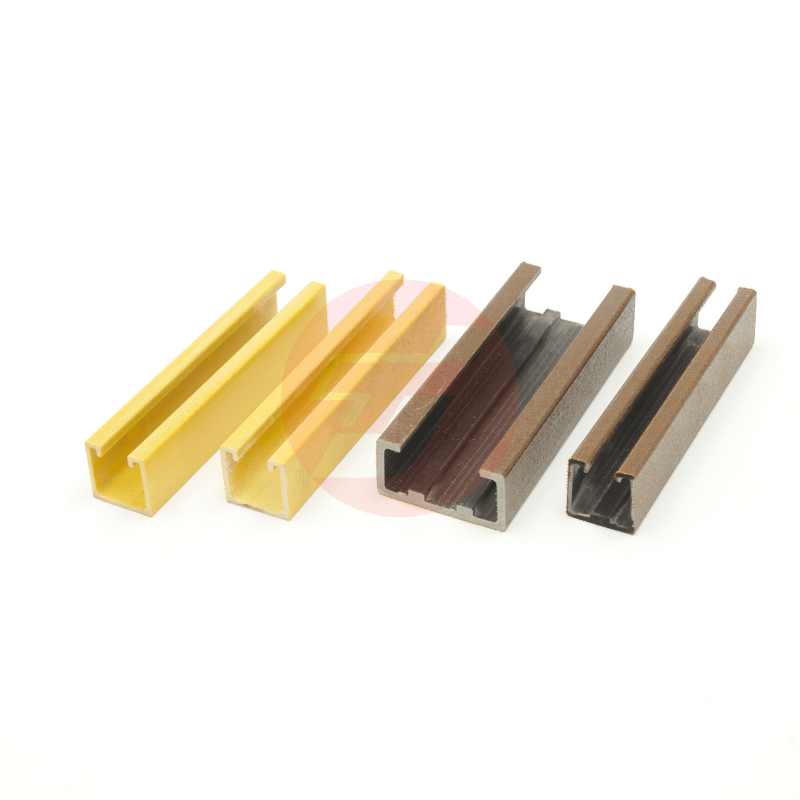
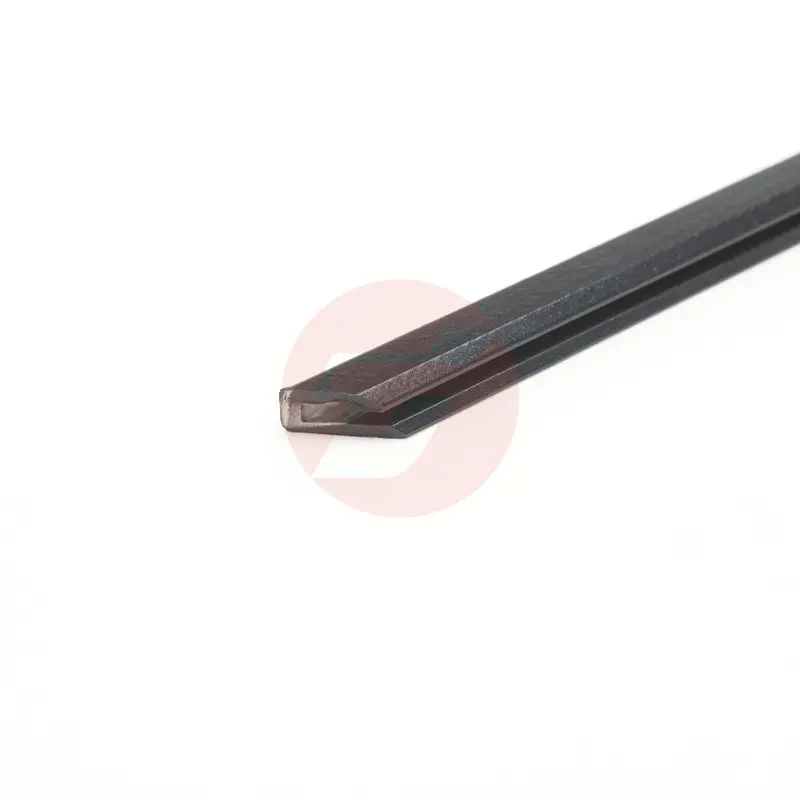
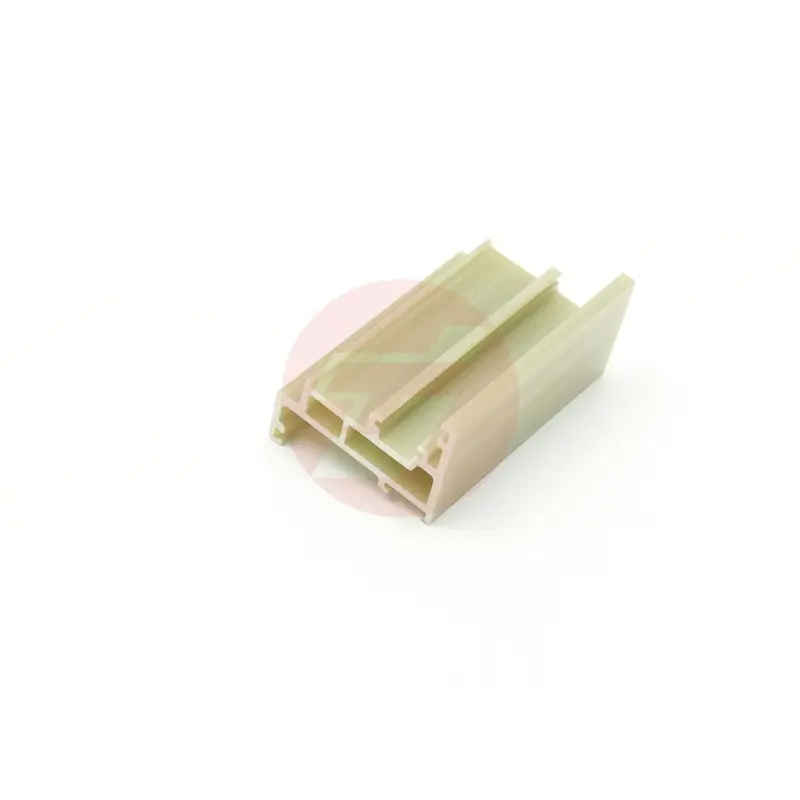
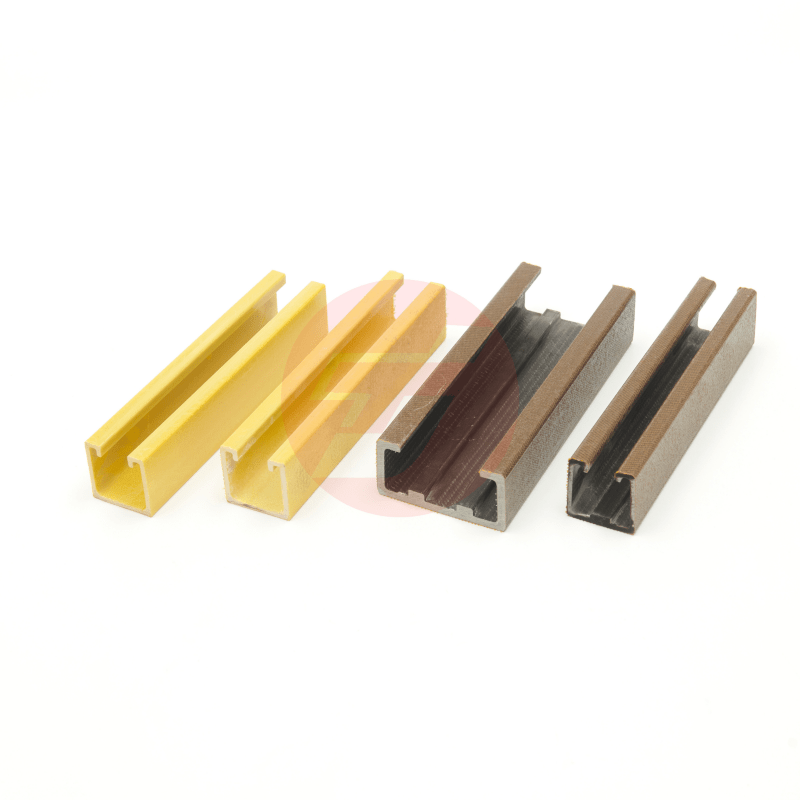
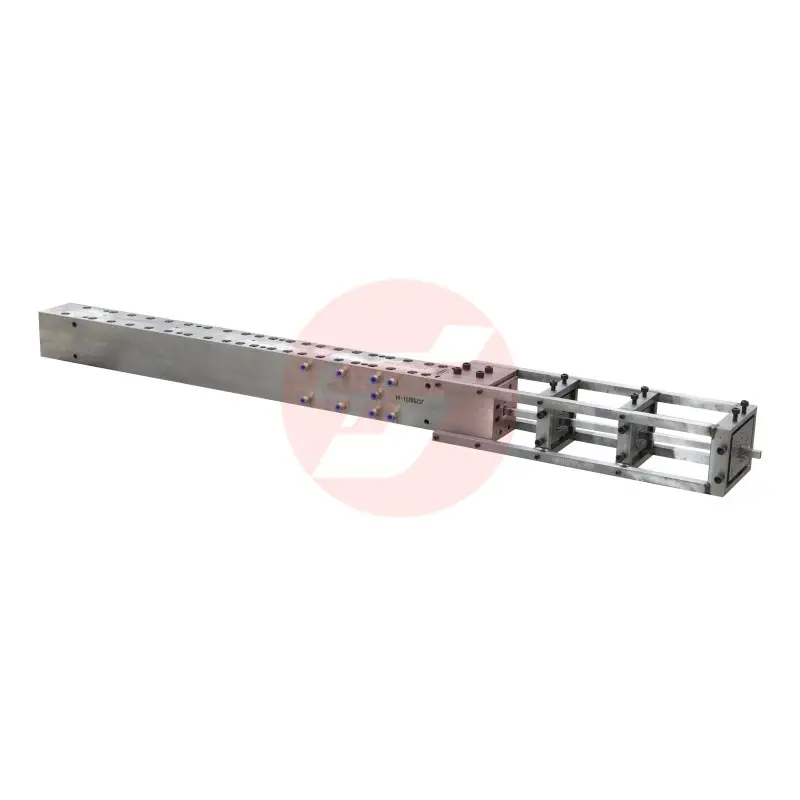
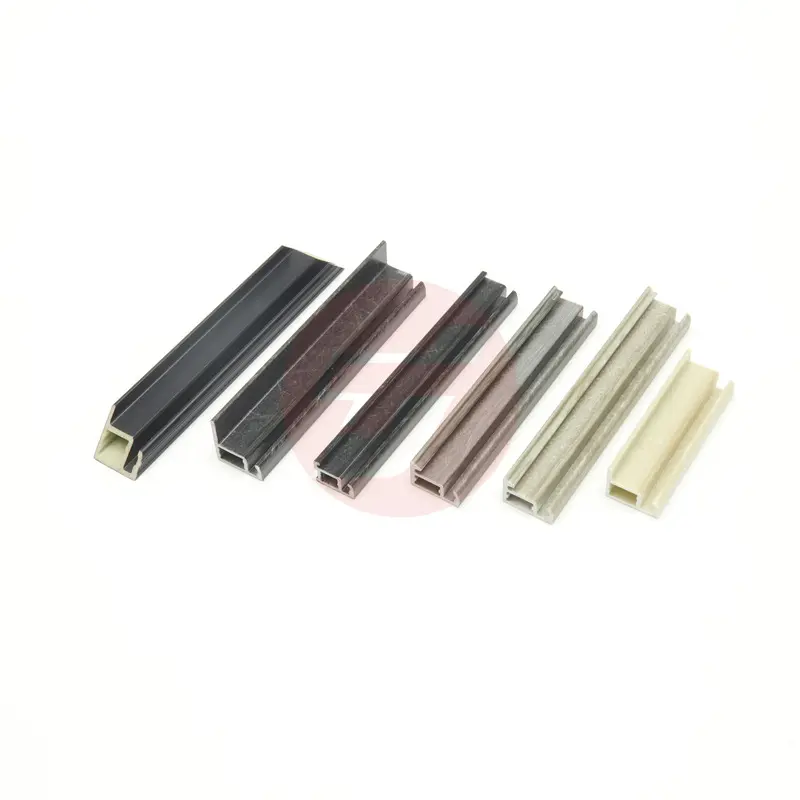
The polyester fiberglass mold represents a revolutionary manufacturing solution that combines the strength of fiberglass reinforcement with the versatility of polyester resin systems. This advanced molding technology serves as the backbone for creating high-quality composite parts across numerous industries. The polyester fiberglass mold functions as a precision tool that shapes and forms composite materials through a carefully controlled process that ensures dimensional accuracy and surface finish excellence. These molds are specifically engineered to withstand repeated use while maintaining their structural integrity and dimensional stability. The core function of a polyester fiberglass mold centers on its ability to transfer heat efficiently while providing a smooth, non-stick surface for part production. The technological features of this molding system include exceptional thermal conductivity, superior chemical resistance, and outstanding durability that extends operational life significantly. The mold construction incorporates multiple layers of fiberglass reinforcement embedded within a polyester resin matrix, creating a lightweight yet robust tooling solution. Advanced gel coat systems are typically applied to provide the working surface with superior release properties and enhanced longevity. The applications for polyester fiberglass molds span across automotive manufacturing, aerospace components, marine vessel construction, architectural elements, and consumer goods production. In the automotive sector, these molds produce body panels, interior components, and structural elements with precision and consistency. Aerospace applications leverage the lightweight properties and dimensional stability for creating aircraft parts and satellite components. Marine applications benefit from the mold's resistance to moisture and saltwater environments, making them ideal for boat hull and deck production. The construction industry utilizes these molds for creating decorative panels, structural elements, and custom architectural features. Consumer goods manufacturers rely on polyester fiberglass molds for producing everything from bathtubs and shower enclosures to recreational equipment and sporting goods. The versatility of the polyester fiberglass mold system allows manufacturers to create complex geometries and intricate details that would be difficult or impossible to achieve with traditional manufacturing methods.


New Product Releases

The polyester fiberglass mold delivers exceptional cost-effectiveness that transforms manufacturing economics for businesses of all sizes. Unlike expensive metal tooling alternatives, these molds require significantly lower initial investment while delivering comparable performance and longevity. The manufacturing process for polyester fiberglass molds takes considerably less time than traditional tooling methods, enabling faster project turnaround and quicker market entry for new products. The lightweight nature of these molds reduces handling costs and allows for easier transportation between facilities or storage locations. Operators can move and position polyester fiberglass molds with standard equipment rather than requiring specialized heavy machinery, which translates to reduced operational expenses and increased flexibility. The thermal properties of polyester fiberglass molds provide superior heat distribution compared to many alternative materials, resulting in more consistent part quality and reduced cycle times. This improved thermal efficiency leads to energy savings during production runs and helps maintain optimal processing temperatures throughout the manufacturing cycle. The chemical resistance of polyester fiberglass molds enables compatibility with a wide range of resin systems and release agents, providing manufacturers with greater flexibility in material selection and process optimization. This chemical stability ensures that the mold surface remains intact even after thousands of production cycles, maintaining part quality and surface finish consistency. The repair and maintenance capabilities of polyester fiberglass molds offer significant advantages over alternatives that may require complete replacement when damaged. Technicians can easily repair minor surface imperfections or damage using standard fiberglass repair techniques, extending mold life and reducing replacement costs. The dimensional stability of polyester fiberglass molds ensures that parts maintain precise tolerances even after extended production runs, reducing quality issues and minimizing waste. This consistency becomes particularly valuable in high-volume production environments where maintaining tight specifications is critical for customer satisfaction. The surface finish quality achievable with polyester fiberglass molds often eliminates or reduces the need for secondary finishing operations, streamlining the production process and reducing overall manufacturing costs. The excellent release properties of properly prepared polyester fiberglass molds minimize the use of release agents and reduce the likelihood of part sticking or surface defects. Environmental benefits include the recyclability of polyester fiberglass materials and the reduced energy consumption associated with their production and use compared to metal alternatives.

Latest News

How to Evaluate the Quality of Glass Fiber Pultrusion Molds?

29

Dec

How to Evaluate the Quality of Glass Fiber Pultrusion Molds?

Manufacturing high-quality composite products requires precise tooling, and glass fiber pultrusion molds serve as the foundation for successful pultrusion processes. These specialized molds determine the dimensional accuracy, surface finish, and over...
View More
Why Are Epoxy Pultrusion Products Ideal for High-Strength Applications?

29

Dec

Why Are Epoxy Pultrusion Products Ideal for High-Strength Applications?

Epoxy pultrusion represents a revolutionary manufacturing process that combines the superior strength properties of epoxy resins with the continuous production capabilities of pultrusion technology. This advanced composite manufacturing method has tr...
View More
What Affects the Dimensional Accuracy of Epoxy Pultruded Products?

05

Jan

What Affects the Dimensional Accuracy of Epoxy Pultruded Products?

The dimensional accuracy of epoxy pultruded products plays a crucial role in determining their performance and suitability for various industrial applications. Manufacturing professionals across aerospace, automotive, and construction industries rely...
View More
What Factors Determine the Lifespan of Carbon Fiber Pultruded Products?

13

Feb

What Factors Determine the Lifespan of Carbon Fiber Pultruded Products?

Carbon fiber pultrusion represents one of the most advanced manufacturing processes for creating high-performance composite materials with exceptional strength-to-weight ratios. This innovative technique produces continuous fiber-reinforced profiles ...
View More

Get a Free Quote

A professional manufacturer of composite material molds.
Email
WhatsApp
Name
Company Name
Message
0/1000
Attachment
Please upload at least an attachment
Up to 3 files,more 30mb,suppor jpg、jpeg、png、pdf、doc、docx、xls、xlsx、csv、txt

polyester fiberglass mold

Superior Thermal Management and Cycle Time Optimization

Superior Thermal Management and Cycle Time Optimization

The thermal management capabilities of polyester fiberglass molds represent a game-changing advantage that directly impacts production efficiency and part quality. The unique thermal properties of the polyester resin matrix combined with fiberglass reinforcement create an optimal balance between heat transfer and thermal stability that surpasses many traditional molding materials. This superior thermal conductivity ensures uniform temperature distribution across the entire mold surface, eliminating hot spots and temperature variations that can cause part defects or inconsistent curing. The controlled thermal expansion characteristics of polyester fiberglass molds maintain dimensional accuracy even when subjected to significant temperature fluctuations during the heating and cooling cycles. This thermal stability prevents warping or distortion that could compromise part geometry or create fitting issues in final assemblies. The excellent heat retention properties allow for more efficient energy utilization during production runs, as the mold maintains optimal processing temperatures with reduced energy input. This translates to lower utility costs and improved environmental sustainability for manufacturing operations. The thermal shock resistance of polyester fiberglass molds enables rapid temperature changes without structural damage, allowing for faster cycle times and increased production throughput. Manufacturers can implement aggressive heating and cooling schedules to minimize cycle times while maintaining part quality standards. The consistent thermal performance over extended use ensures that production parameters remain stable throughout long manufacturing runs, reducing the need for process adjustments and minimizing quality variations. The thermal properties also contribute to improved working conditions for operators, as the molds do not retain excessive heat that could create uncomfortable or unsafe working environments. Temperature monitoring and control become more predictable with polyester fiberglass molds, allowing for precise process optimization and automated temperature management systems. This thermal reliability reduces the need for constant manual adjustments and enables lights-out manufacturing capabilities for extended production runs.
Exceptional Surface Quality and Finish Consistency

Exceptional Surface Quality and Finish Consistency

The surface quality achievements possible with polyester fiberglass molds establish new standards for composite part manufacturing excellence. The carefully engineered gel coat systems applied to polyester fiberglass molds create mirror-smooth surfaces that transfer directly to finished parts with minimal post-processing requirements. This exceptional surface finish eliminates the need for extensive sanding, polishing, or other secondary operations that add time and cost to the manufacturing process. The chemical composition of the gel coat provides superior release properties that ensure clean part separation while maintaining surface integrity over thousands of production cycles. The molecular structure of the polyester resin system creates a dense, non-porous surface that resists contamination and maintains its release properties even after extended use with various resin systems and additives. The surface hardness of properly cured polyester fiberglass molds provides excellent resistance to scratching, gouging, and other mechanical damage that can compromise part quality or create surface defects. This durability ensures consistent surface finish throughout the entire production life of the mold, maintaining part quality standards from the first part to the last. The chemical inertness of the mold surface prevents unwanted reactions with different resin systems, preserving surface integrity and preventing contamination that could affect part appearance or performance. The low surface energy characteristics of polyester fiberglass molds minimize the adhesion of contaminants and make cleaning and maintenance procedures more effective and efficient. Regular maintenance of the mold surface requires only basic cleaning procedures using standard solvents and cleaning agents, reducing downtime and maintenance costs. The surface stability of polyester fiberglass molds enables the use of various release systems and processing aids without degrading the mold surface or creating compatibility issues. Temperature cycling does not significantly affect the surface properties, ensuring consistent release characteristics and surface quality regardless of processing conditions. The ability to achieve Class A surface finishes directly from the mold eliminates the need for expensive post-processing equipment and skilled finishing technicians, making high-quality part production accessible to a broader range of manufacturers.
Cost-Effective Manufacturing and Long-Term Value

Cost-Effective Manufacturing and Long-Term Value

The economic advantages of polyester fiberglass molds create compelling value propositions that reshape manufacturing cost structures and return on investment calculations. The initial tooling investment for polyester fiberglass molds typically represents a fraction of the cost associated with comparable metal tooling alternatives, making advanced manufacturing capabilities accessible to smaller businesses and prototype applications. The rapid tooling fabrication timeline enables faster project initiation and shorter development cycles, allowing manufacturers to respond quickly to market demands and customer requirements. The modular construction possibilities with polyester fiberglass molds allow for cost-effective modifications and updates without requiring complete tool replacement, extending the useful life and return on investment. The lightweight construction reduces handling equipment requirements and associated operational costs throughout the manufacturing process. Standard material handling equipment can accommodate polyester fiberglass molds, eliminating the need for specialized lifting equipment or reinforced work surfaces required for heavier tooling alternatives. The maintenance and repair capabilities of polyester fiberglass molds provide significant cost advantages over alternatives that may require specialized repair services or complete replacement when damaged. In-house maintenance teams can easily perform routine repairs using readily available materials and standard fiberglass repair techniques, reducing downtime and external service costs. The versatility of polyester fiberglass molds enables multi-product applications where a single mold can produce various part configurations through inserts or modification techniques, maximizing tooling utilization and reducing per-part tooling costs. The energy efficiency associated with the thermal properties of polyester fiberglass molds contributes to ongoing operational cost savings through reduced utility expenses and shorter cycle times. The dimensional stability and consistent performance characteristics minimize waste and rework costs associated with out-of-specification parts or quality issues. The compatibility with various production methods and resin systems provides flexibility in process optimization and material selection, enabling cost reductions through competitive sourcing and process improvements. The resale or recycling value of polyester fiberglass molds at end-of-life provides additional economic benefits not available with many alternative tooling materials. Documentation and knowledge transfer for polyester fiberglass mold operation and maintenance require less specialized training, reducing ongoing labor costs and skill requirements for production personnel.

Get a Free Quote

A professional manufacturer of composite material molds.
Email
WhatsApp
Name
Company Name
Message
0/1000
Attachment
Please upload at least an attachment
Up to 3 files,more 30mb,suppor jpg、jpeg、png、pdf、doc、docx、xls、xlsx、csv、txt