 EN
EN
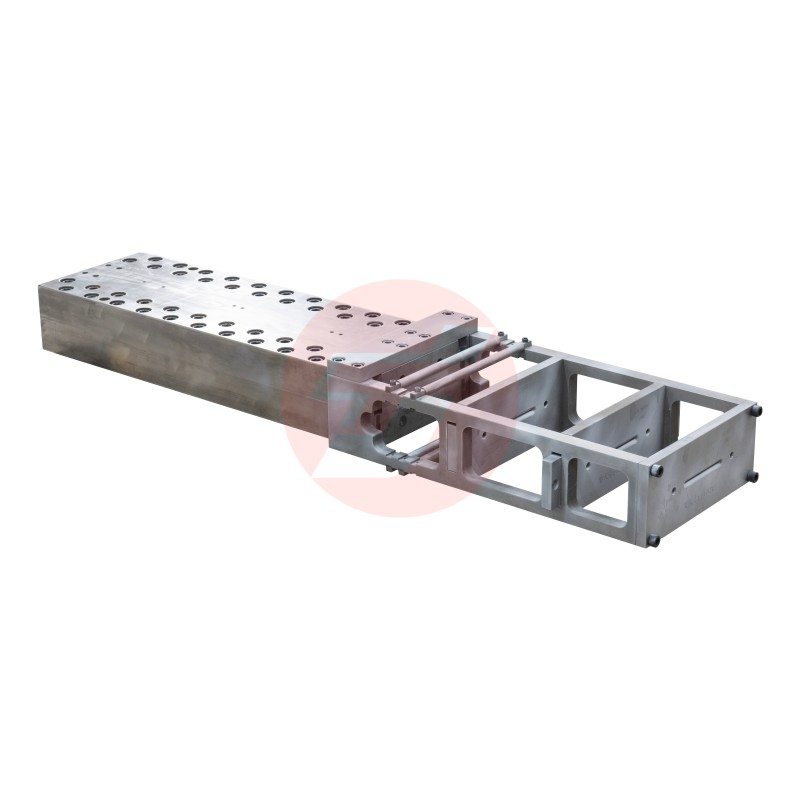
Carbon fiber pultruded products represent a revolutionary advancement in structural engineering, offering exceptional strength-to-weight ratios that surpass traditional materials like steel and aluminum. These advanced composite materials are manufactured through a continuous pultrusion process, creating uniform profiles with consistent mechanical properties throughout their length. Industries ranging from aerospace to renewable energy have embraced carbon fiber pultruded products for their superior performance characteristics and long-term durability.
The structural advantages of carbon fiber pultruded products stem from their unique manufacturing process and material composition. Unlike conventional manufacturing methods, pultrusion allows for precise fiber orientation and resin distribution, resulting in products with predictable and optimized mechanical properties. Engineers can specify exact fiber orientations to match anticipated load directions, maximizing structural efficiency while minimizing material usage.
Manufacturing Process and Material Properties
Pultrusion Technology Fundamentals
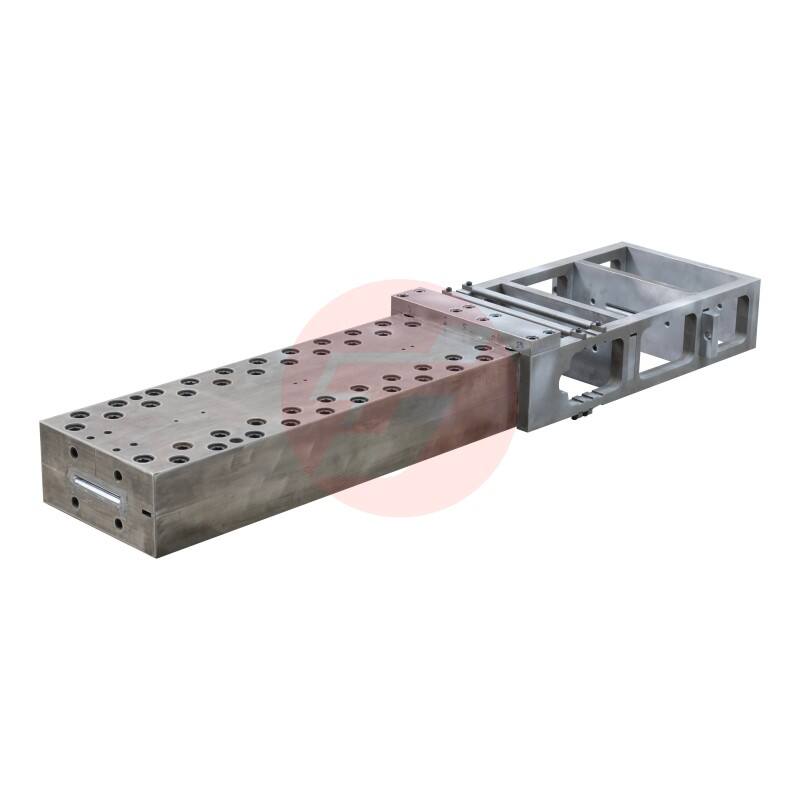
The pultrusion process begins with continuous carbon fiber reinforcements being drawn through a resin bath where they become thoroughly impregnated with thermosetting polymers. These saturated fibers then pass through heated steel dies that cure the resin while maintaining precise dimensional control. This continuous process ensures consistent cross-sectional properties and eliminates the variations commonly found in hand-laid composite structures.
Temperature control throughout the pultrusion process is critical for achieving optimal mechanical properties in carbon fiber pultruded products. Manufacturers typically maintain die temperatures between 120°C and 180°C, depending on the resin system used. This controlled heating environment ensures complete cross-linking of the polymer matrix while preventing thermal degradation of the carbon fibers.
Quality control measures during production include continuous monitoring of pulling speed, die temperature, and resin viscosity. These parameters directly influence the final properties of carbon fiber pultruded products, making process control essential for maintaining consistent structural performance across production runs.
Fiber Architecture and Resin Systems
Modern carbon fiber pultruded products utilize various fiber architectures to optimize performance for specific applications. Unidirectional reinforcement provides maximum strength in the longitudinal direction, while additional layers of woven fabrics or chopped strand mats enhance transverse properties and damage tolerance.
Resin selection plays a crucial role in determining the final properties of carbon fiber pultruded products. Vinyl ester resins offer excellent chemical resistance and fatigue performance, making them ideal for marine and chemical processing applications. Epoxy resins provide superior mechanical properties and temperature resistance, while polyester resins offer cost-effective solutions for less demanding applications.
The fiber volume fraction in carbon fiber pultruded products typically ranges from 50% to 70%, depending on the specific application requirements. Higher fiber content generally results in increased stiffness and strength, while lower fiber content may provide better impact resistance and processability.
Structural Advantages Over Traditional Materials
Strength-to-Weight Performance
One of the most significant advantages of carbon fiber pultruded products is their exceptional strength-to-weight ratio. Carbon fiber reinforcements can provide tensile strengths exceeding 600,000 psi while maintaining densities approximately 20% that of steel. This combination allows engineers to design structures that are both lighter and stronger than their metallic counterparts.
The high modulus of carbon fibers, typically ranging from 35 to 70 million psi, contributes to the exceptional stiffness of carbon fiber pultruded products. This property is particularly valuable in applications where deflection control is critical, such as long-span structural beams or precision instrument supports.
Weight reduction achieved through the use of carbon fiber pultruded products can lead to significant secondary benefits in structural design. Lighter structural elements require smaller foundations, reduced transportation costs, and simplified installation procedures, all contributing to overall project cost savings.
Fatigue Resistance and Durability
Carbon fiber pultruded products exhibit superior fatigue resistance compared to metals, maintaining their structural integrity through millions of load cycles. The absence of metallurgical defects such as grain boundaries and inclusions eliminates common fatigue initiation sites found in metallic materials.
Environmental durability represents another key advantage of carbon fiber pultruded products. Unlike steel, these composite materials do not corrode when exposed to moisture, salt spray, or most chemicals. This inherent corrosion resistance eliminates the need for protective coatings and reduces long-term maintenance requirements.
Temperature stability of carbon fiber pultruded products varies with the resin system used, but many formulations maintain their properties across temperature ranges from -40°C to 200°C. This thermal stability makes them suitable for applications in extreme environments where metallic materials might experience thermal expansion issues or property degradation.
Industrial Applications and Performance Benefits
Aerospace and Defense Sectors
The aerospace industry has been a pioneer in adopting carbon fiber pultruded products for structural applications requiring exceptional performance characteristics. Aircraft manufacturers utilize these materials for wing spars, fuselage frames, and control surface components where weight reduction directly translates to improved fuel efficiency and increased payload capacity.
Defense applications leverage the electromagnetic transparency of carbon fiber pultruded products for radar domes and antenna structures. Unlike metallic materials, carbon fiber composites do not interfere with electromagnetic signals, making them ideal for communication and sensing equipment housings.
The dimensional stability of carbon fiber pultruded products under varying temperature conditions makes them valuable for precision applications in aerospace systems. Satellite structures, telescope supports, and guidance system components benefit from the low coefficient of thermal expansion characteristic of carbon fiber composites.
Renewable Energy Infrastructure
Wind energy applications represent a rapidly growing market for carbon fiber pultruded products. Wind turbine blades manufactured using these materials can achieve longer spans with reduced weight, enabling the capture of more wind energy at greater heights where wind speeds are typically higher.
Solar energy installations utilize carbon fiber pultruded products for mounting structures and tracking systems. The combination of high strength and corrosion resistance ensures long-term performance in outdoor environments while minimizing maintenance requirements over the 25-year design life typical of solar installations.
Marine renewable energy applications, such as tidal and wave energy converters, benefit from the excellent saltwater corrosion resistance of carbon fiber pultruded products. These harsh marine environments would rapidly degrade metallic structures, making composite materials the preferred choice for long-term reliability.
Design Considerations and Engineering Optimization
Load Path Analysis and Fiber Orientation
Effective utilization of carbon fiber pultruded products requires careful consideration of load paths and fiber orientation relative to applied forces. Engineers must analyze the primary load directions and orient the majority of fibers to align with these critical stress paths for optimal structural efficiency.
Multi-axial loading conditions may require hybrid layups combining unidirectional carbon fibers with glass or aramid fibers to provide balanced properties. This approach allows designers to tailor the mechanical properties of carbon fiber pultruded products to match specific application requirements while controlling material costs.
Connection design represents a critical aspect of structures utilizing carbon fiber pultruded products. Mechanical fasteners, adhesive bonding, and co-cured joints each offer different advantages depending on the loading conditions and maintenance requirements of the application.
Quality Control and Testing Protocols
Manufacturing quality control for carbon fiber pultruded products involves both in-process monitoring and finished product testing. Non-destructive evaluation techniques such as ultrasonic scanning and thermography help identify internal defects that could compromise structural performance.
Mechanical property verification through standardized testing protocols ensures that carbon fiber pultruded products meet design specifications. Tensile, flexural, and interlaminar shear strength tests provide essential data for structural analysis and safety factor determination.
Long-term performance validation requires accelerated aging tests that simulate years of environmental exposure in compressed timeframes. These tests help predict the service life of carbon fiber pultruded products and establish appropriate maintenance schedules for critical applications.
Cost Analysis and Economic Benefits
Initial Investment Considerations
While carbon fiber pultruded products typically require higher initial investment compared to traditional materials, the total cost of ownership often favors composite solutions when considering their extended service life and reduced maintenance requirements. The elimination of corrosion-related repairs and replacements can result in significant long-term cost savings.
Installation cost advantages of carbon fiber pultruded products include reduced transportation expenses due to their lower weight and simplified handling requirements. Lighter structural elements can often be installed using smaller cranes and equipment, reducing project complexity and duration.
Design optimization opportunities with carbon fiber pultruded products can lead to material savings through more efficient structural configurations. The ability to tailor properties directionally allows engineers to use material only where needed, eliminating excess weight and cost associated with over-designed metallic structures.
Life Cycle Cost Benefits
The corrosion resistance inherent in carbon fiber pultruded products eliminates the recurring costs associated with protective coatings, cathodic protection systems, and corrosion-related repairs common with metallic structures. This advantage becomes particularly significant in aggressive environments such as marine, chemical, and industrial applications.
Energy efficiency improvements resulting from the use of carbon fiber pultruded products can provide ongoing operational cost savings. In transportation applications, weight reduction directly translates to reduced fuel consumption, while in static structures, improved thermal properties can reduce heating and cooling costs.
Insurance and liability considerations may favor structures utilizing carbon fiber pultruded products due to their predictable long-term performance and reduced failure modes. The absence of sudden corrosion-related failures common with metallic structures can result in lower risk assessments and insurance premiums.
Future Developments and Market Trends
Advanced Manufacturing Technologies
Emerging manufacturing technologies are expanding the capabilities of carbon fiber pultruded products through automated fiber placement and advanced resin infusion techniques. These developments enable more complex cross-sectional geometries and improved fiber volume fractions, further enhancing structural performance.
Hybrid manufacturing approaches combining pultrusion with other composite processing techniques allow for the integration of local reinforcements and complex joint geometries within carbon fiber pultruded products. This capability reduces assembly complexity and improves structural continuity in critical load transfer regions.
Smart manufacturing systems incorporating real-time process monitoring and adaptive control are improving the consistency and quality of carbon fiber pultruded products. These systems can automatically adjust processing parameters to compensate for material variations and environmental conditions, ensuring consistent product quality.
Sustainability and Recycling Initiatives
Sustainability concerns are driving research into recyclable resin systems for carbon fiber pultruded products. Thermoplastic matrix composites offer the potential for mechanical recycling, while chemical recycling processes are being developed to recover high-quality carbon fibers from thermoset composites.
Bio-based resin systems derived from renewable feedstocks are being integrated into carbon fiber pultruded products to reduce their environmental footprint. These sustainable matrix materials maintain the performance advantages of composites while addressing environmental concerns associated with petroleum-based polymers.
Life cycle assessment methodologies are being refined to accurately quantify the environmental benefits of carbon fiber pultruded products compared to traditional materials. These assessments consider factors such as energy consumption during use, maintenance requirements, and end-of-life disposal options.
FAQ
What are the primary advantages of carbon fiber pultruded products over steel in structural applications
Carbon fiber pultruded products offer superior strength-to-weight ratios, excellent corrosion resistance, and fatigue performance compared to steel. They typically weigh 80% less than steel while providing comparable or superior strength, eliminate corrosion-related maintenance, and maintain structural integrity through millions of load cycles without the fatigue limitations common in metallic materials.
How do environmental conditions affect the performance of carbon fiber pultruded products
Carbon fiber pultruded products demonstrate excellent environmental durability, maintaining their properties across wide temperature ranges and resisting degradation from moisture, UV radiation, and most chemicals. Unlike metallic materials, they do not corrode in marine or industrial environments, though specific resin systems should be selected based on the anticipated service conditions and temperature requirements of the application.
What factors should be considered when designing connections for carbon fiber pultruded products
Connection design for carbon fiber pultruded products requires consideration of load transfer mechanisms, potential stress concentrations, and the different expansion characteristics compared to metallic materials. Mechanical fasteners should be sized to distribute loads over adequate bearing areas, while adhesive bonding can provide efficient load transfer when properly designed for the anticipated service environment and loading conditions.
How do carbon fiber pultruded products compare to other composite manufacturing methods in terms of structural performance
Carbon fiber pultruded products offer superior consistency and dimensional control compared to hand-laid or spray-up composite methods due to the controlled manufacturing environment. They provide higher fiber volume fractions than many molding processes and eliminate the variability associated with manual layup techniques, resulting in more predictable structural properties and improved quality control throughout production runs.
Table of Contents
- Manufacturing Process and Material Properties
- Structural Advantages Over Traditional Materials
- Industrial Applications and Performance Benefits
- Design Considerations and Engineering Optimization
- Cost Analysis and Economic Benefits
- Future Developments and Market Trends
-
FAQ
- What are the primary advantages of carbon fiber pultruded products over steel in structural applications
- How do environmental conditions affect the performance of carbon fiber pultruded products
- What factors should be considered when designing connections for carbon fiber pultruded products
- How do carbon fiber pultruded products compare to other composite manufacturing methods in terms of structural performance