residential window polyurethane molds
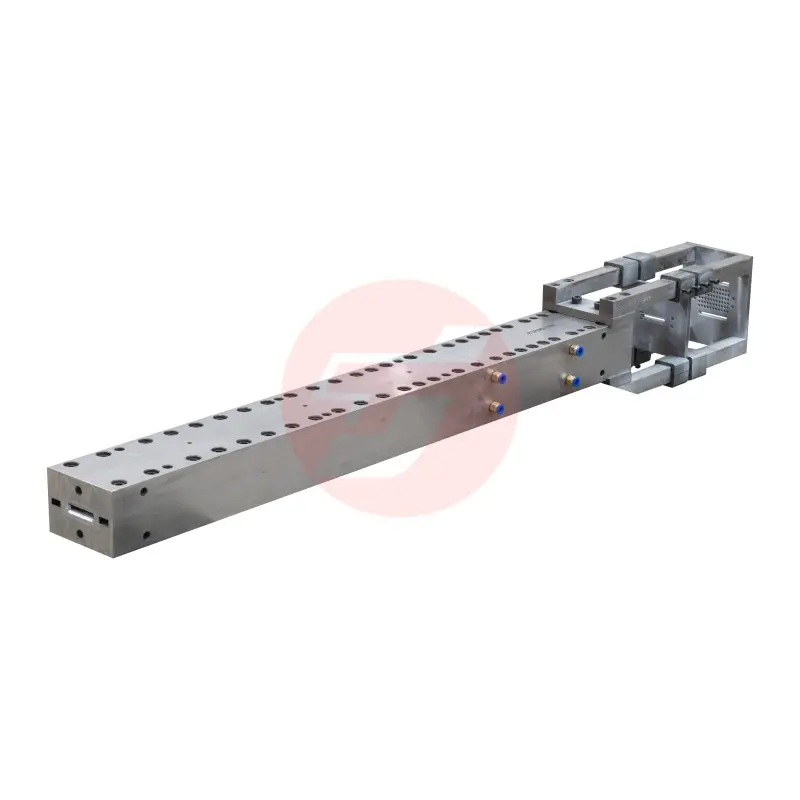
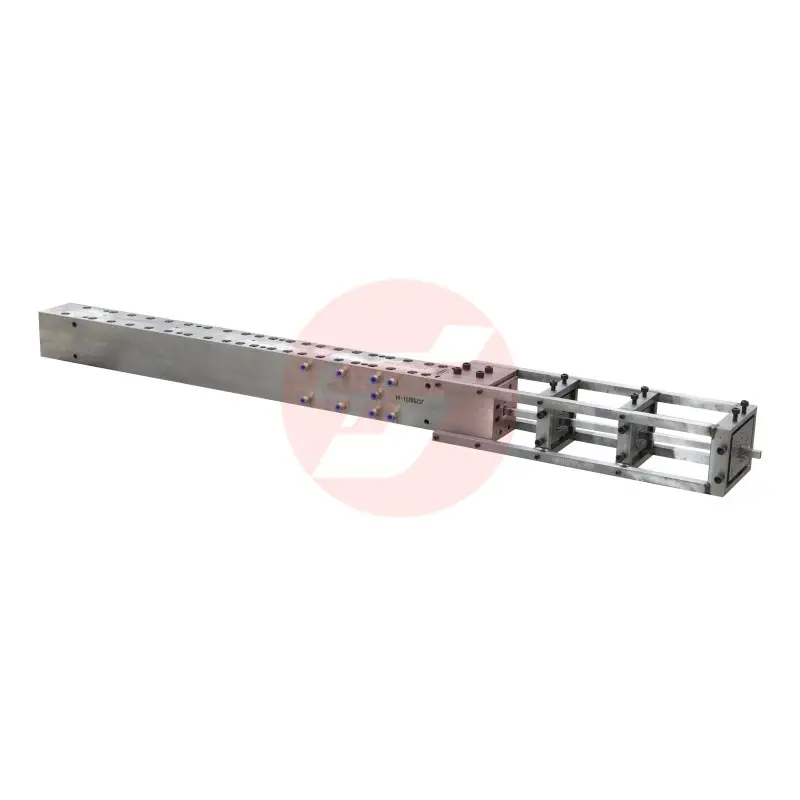
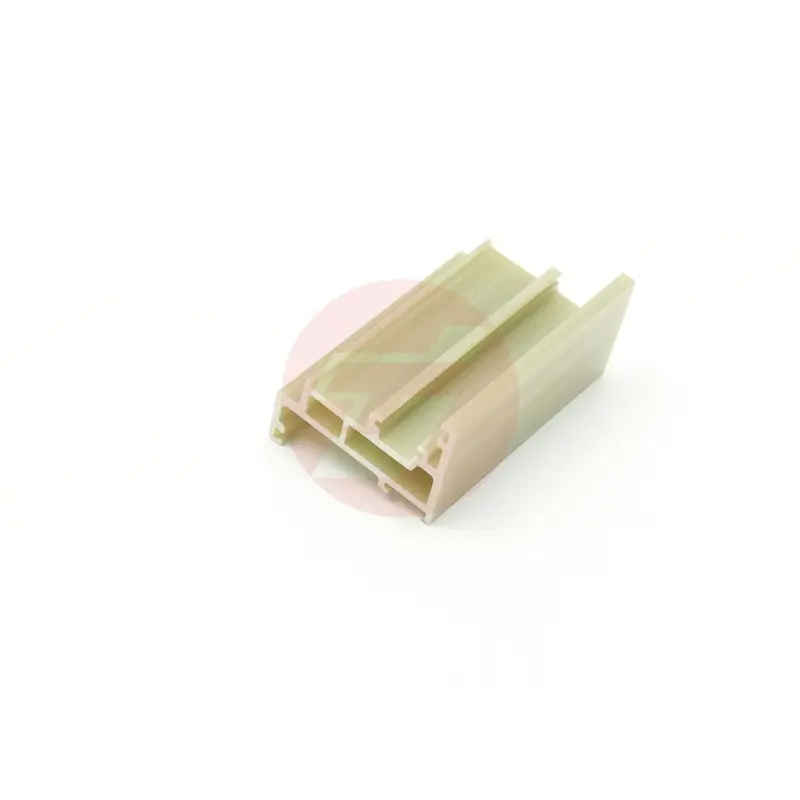
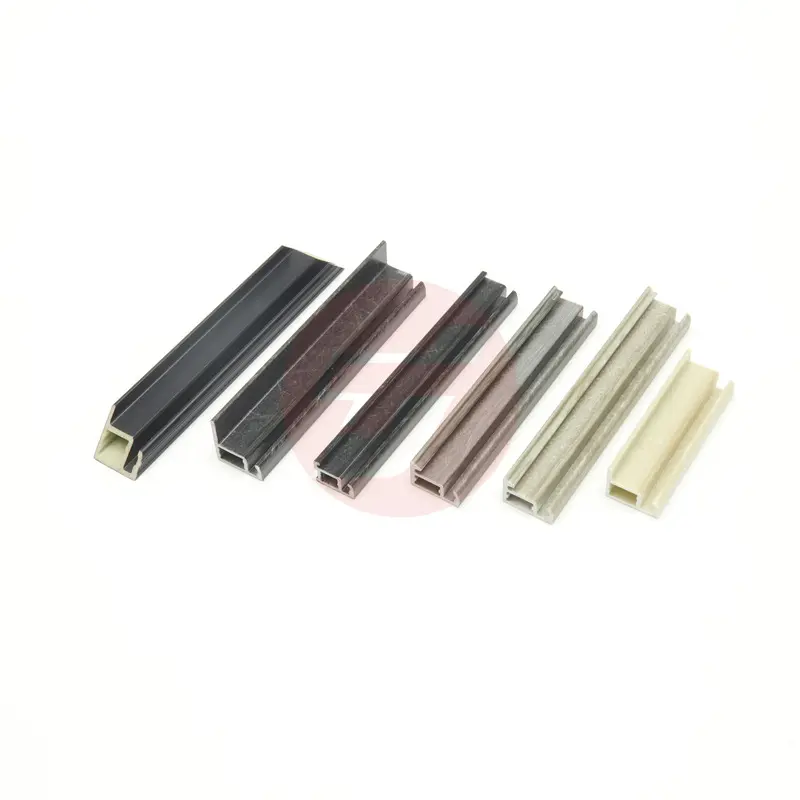
Residential window polyurethane molds represent a revolutionary advancement in window manufacturing technology, offering superior performance and durability compared to traditional materials. These specialized molds utilize high-grade polyurethane compounds to create precise window frames and components that meet the demanding requirements of modern residential construction. The primary function of residential window polyurethane molds involves shaping and forming window elements through advanced molding processes that ensure consistent quality and dimensional accuracy. The technology behind these molds incorporates state-of-the-art polyurethane chemistry, which provides exceptional flexibility in design while maintaining structural integrity. These molds excel in producing complex geometries and intricate details that would be challenging or impossible to achieve with conventional materials. The manufacturing process involves carefully controlled temperature and pressure conditions that allow the polyurethane material to flow smoothly into every detail of the mold cavity, creating flawless window components. Technological features include enhanced surface finish quality, superior dimensional stability, and resistance to environmental factors such as UV radiation, moisture, and temperature fluctuations. The molds incorporate advanced venting systems that eliminate air bubbles and ensure complete material distribution throughout the cavity. Applications for residential window polyurethane molds span across various architectural styles, from contemporary minimalist designs to traditional ornate patterns. These molds enable manufacturers to produce energy-efficient window systems with integrated thermal breaks, weatherproofing features, and enhanced security elements. The versatility of polyurethane allows for the creation of multi-component window systems, including frames, sashes, and decorative elements, all within a single molding operation. Modern residential construction projects increasingly rely on these molds to achieve precise tolerances required for high-performance window installations that contribute to overall building energy efficiency and occupant comfort.

 EN
EN