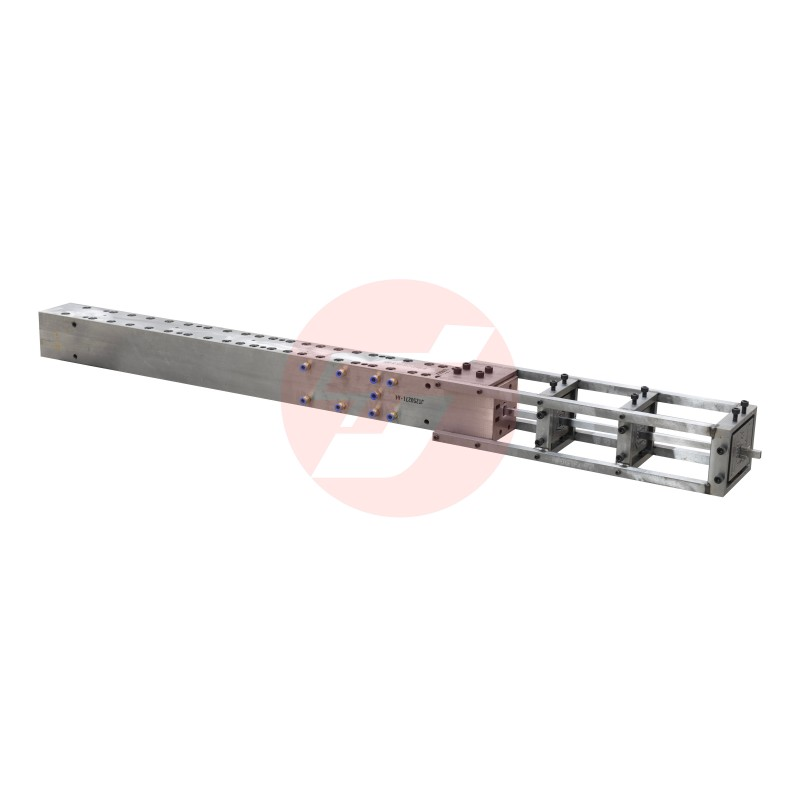
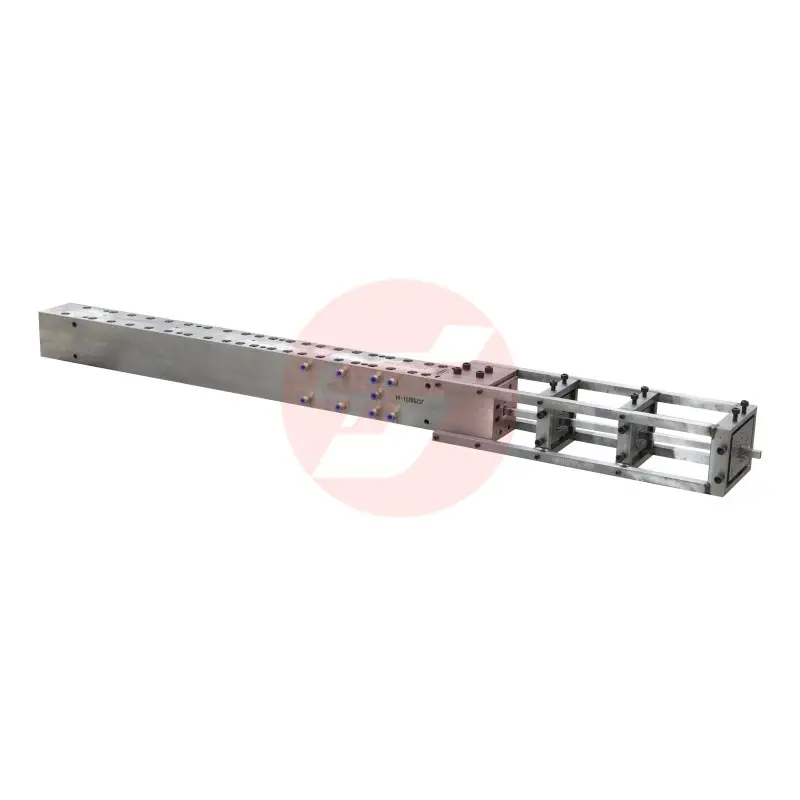
low shrinkage composite pultrusion mold
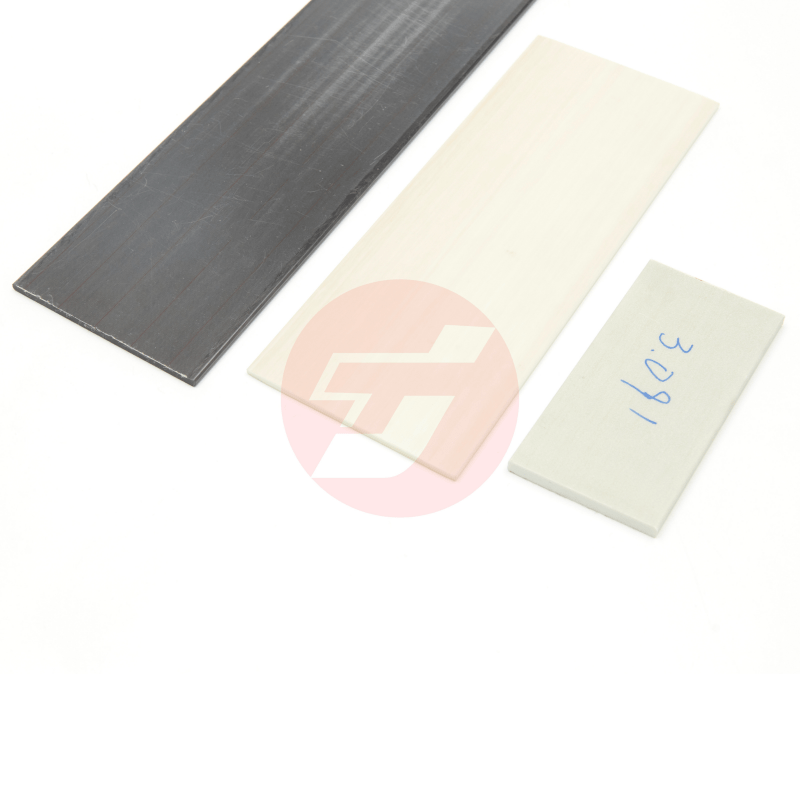
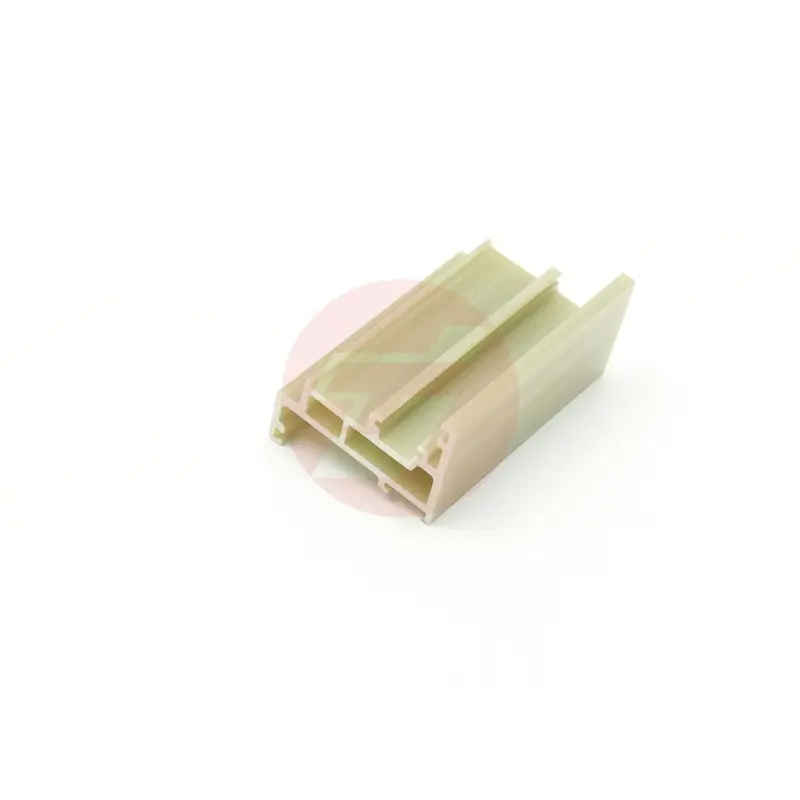
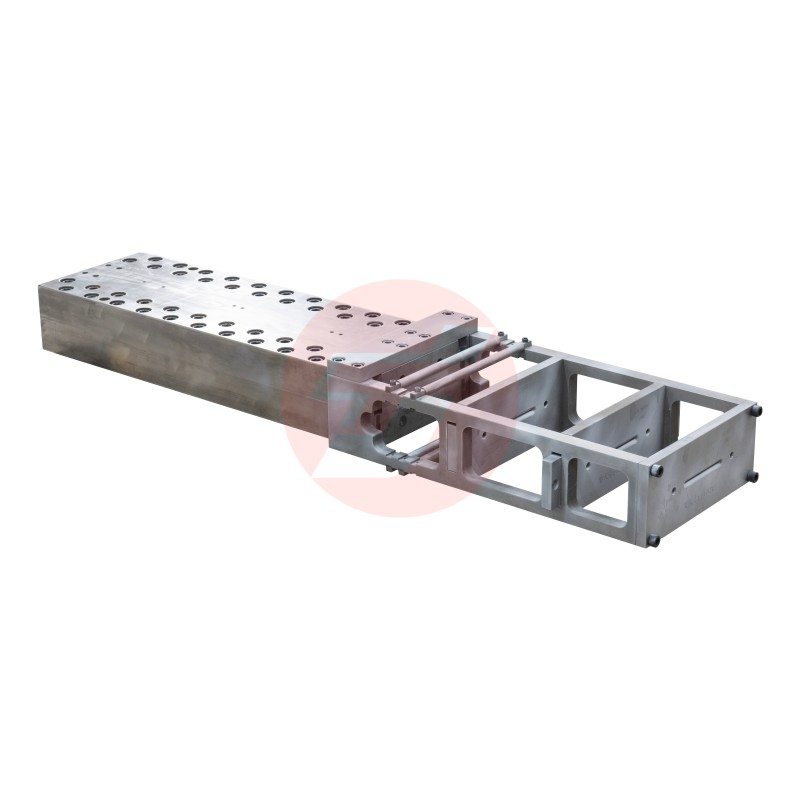
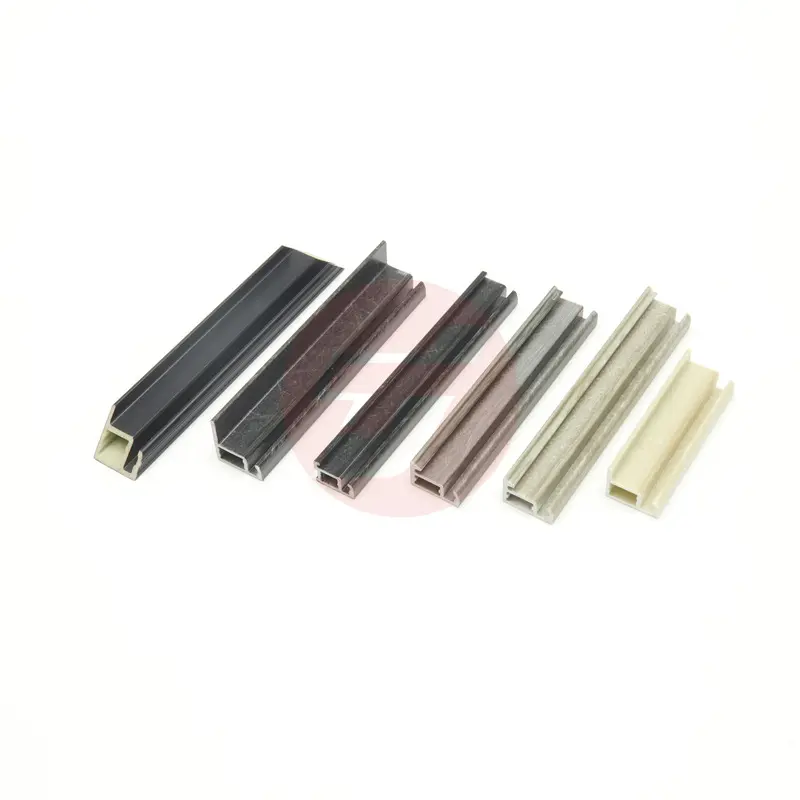
The low shrinkage composite pultrusion mold represents a revolutionary advancement in manufacturing technology, specifically designed to address dimensional stability challenges in composite material production. This sophisticated tooling system serves as the cornerstone for creating high-quality pultruded profiles with exceptional geometric precision and minimal post-production variations. The primary function of this specialized mold revolves around controlling thermal expansion and contraction during the pultrusion process, ensuring that finished products maintain their intended dimensions throughout the curing cycle. The low shrinkage composite pultrusion mold incorporates advanced materials and engineering principles to minimize dimensional changes that typically occur during the heating and cooling phases of composite manufacturing. Its technological features include precision-machined surfaces, optimized heating channels, and carefully calibrated thermal management systems that distribute heat evenly across the mold cavity. The mold design utilizes specially formulated materials with low coefficients of thermal expansion, enabling manufacturers to achieve tighter tolerances and superior surface finishes on their pultruded products. Applications for this innovative tooling solution span across multiple industries, including construction, aerospace, automotive, and infrastructure development. The low shrinkage composite pultrusion mold excels in producing structural profiles, reinforcement bars, architectural elements, and specialized components that demand exceptional dimensional accuracy. Manufacturing facilities utilize this technology to create everything from bridge decking and building facades to aircraft components and automotive reinforcement structures. The versatility of the low shrinkage composite pultrusion mold makes it an indispensable tool for companies seeking to enhance their production capabilities while maintaining consistent quality standards. Its ability to accommodate various resin systems and fiber reinforcements allows manufacturers to explore new product designs and expand their market offerings with confidence in dimensional stability.

 EN
EN