Premium Aerospace Carbon Fiber Molds - Advanced Manufacturing Solutions for Aviation Industry

All Categories

Get a Free Quote

A professional manufacturer of composite material molds.
Email
WhatsApp
Name
Company Name
Message
0/1000
Attachment
Please upload at least an attachment
Up to 3 files,more 30mb,suppor jpg、jpeg、png、pdf、doc、docx、xls、xlsx、csv、txt

aerospace carbon fiber mold

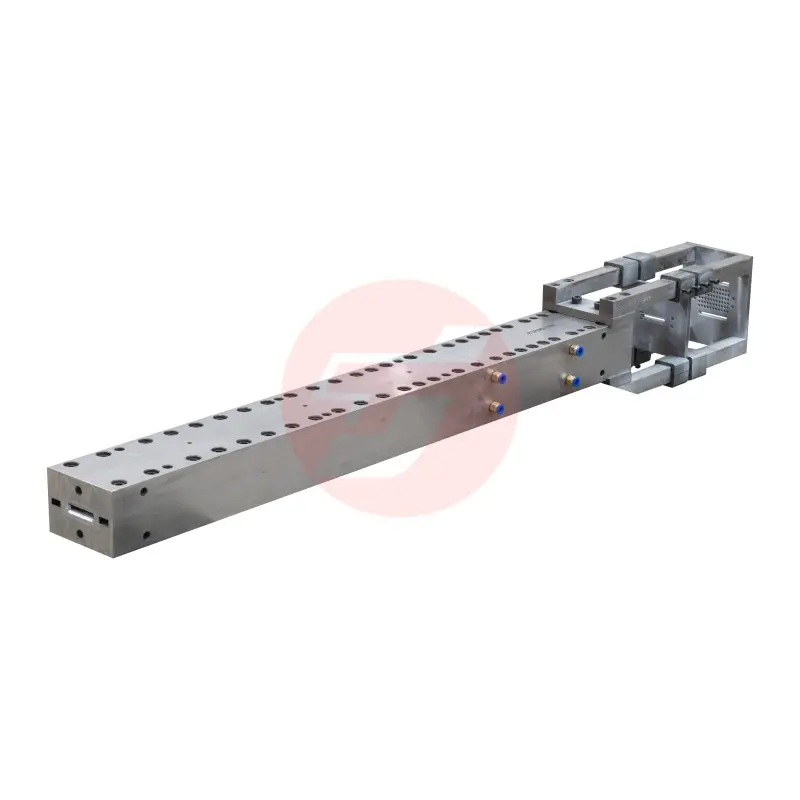
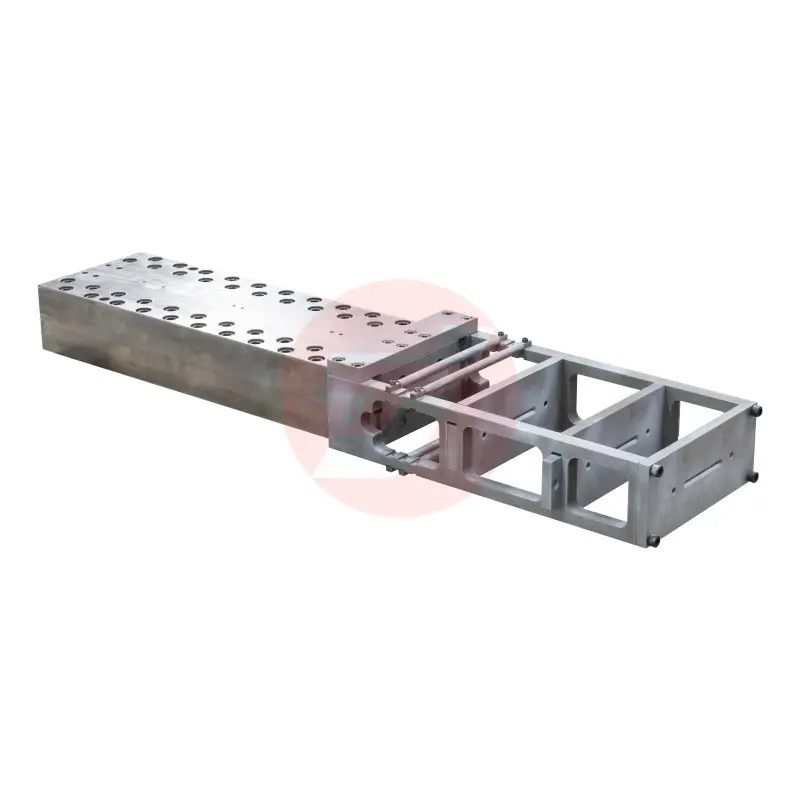
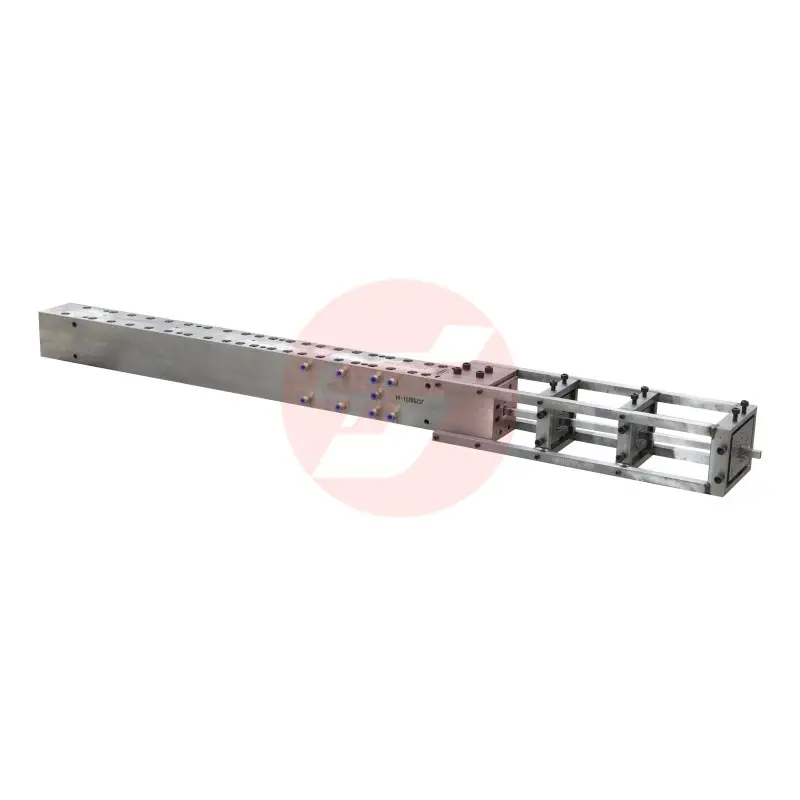
The aerospace carbon fiber mold represents a revolutionary advancement in aircraft manufacturing technology, serving as the foundational tool for creating lightweight, high-strength composite components that define modern aviation excellence. These specialized molds are precision-engineered structures designed to shape carbon fiber materials into complex aerodynamic forms required for aircraft fuselages, wings, control surfaces, and interior components. The primary function of aerospace carbon fiber molds involves providing exact dimensional control during the composite curing process, ensuring that finished parts meet stringent aerospace specifications for weight, strength, and dimensional accuracy. The technological features of these molds include advanced temperature resistance capabilities, often withstanding curing temperatures exceeding 350 degrees Fahrenheit while maintaining perfect dimensional stability. The mold surfaces incorporate sophisticated release systems that prevent carbon fiber adhesion while ensuring smooth part extraction after curing cycles complete. Many aerospace carbon fiber molds feature integrated heating elements and temperature monitoring systems that provide uniform heat distribution throughout the curing process, eliminating hot spots that could compromise part quality. The construction typically involves high-grade aluminum, steel, or composite materials selected for their thermal expansion characteristics that match carbon fiber behavior during temperature cycling. Applications span across commercial aviation, military aircraft, spacecraft, and drone manufacturing, where weight reduction directly impacts fuel efficiency, payload capacity, and overall performance metrics. The aerospace carbon fiber mold enables manufacturers to produce parts with exceptional strength-to-weight ratios, often achieving weight reductions of 40-60 percent compared to traditional aluminum components while maintaining or exceeding structural integrity requirements. These molds support various manufacturing processes including hand lay-up, resin transfer molding, and autoclave curing, providing versatility for different production scales and quality requirements in aerospace manufacturing environments.


New Products

Aerospace carbon fiber molds deliver transformative benefits that directly impact manufacturing efficiency, product quality, and operational costs across the aviation industry. The primary advantage centers on exceptional dimensional precision, allowing manufacturers to achieve tolerances within thousandths of an inch consistently across production runs. This precision eliminates costly rework and ensures that every component fits perfectly during aircraft assembly, reducing overall production time and labor costs significantly. The superior thermal stability of aerospace carbon fiber molds prevents dimensional drift during high-temperature curing cycles, maintaining accuracy even after thousands of production cycles. This durability translates to extended mold life, often lasting five to ten times longer than conventional tooling options, providing substantial return on investment for manufacturers. The smooth surface finish achieved through aerospace carbon fiber molds reduces post-production machining requirements, cutting secondary processing costs and accelerating delivery schedules. Manufacturers benefit from reduced material waste since the precise molding process minimizes excess material usage and eliminates the need for extensive trimming operations. The lightweight nature of modern aerospace carbon fiber molds improves handling efficiency, allowing operators to position and manipulate tooling with less physical strain and faster setup times. Energy savings represent another significant advantage, as these molds require less heating power to reach curing temperatures and maintain thermal stability with reduced energy consumption compared to heavier alternatives. The versatility of aerospace carbon fiber molds supports rapid design changes and prototyping, enabling manufacturers to respond quickly to customer requirements and market demands without extensive tooling modifications. Quality consistency becomes achievable across large production runs, ensuring that every component meets aerospace certification standards without variation. The corrosion resistance of these molds eliminates maintenance concerns related to rust and deterioration, particularly important in humid manufacturing environments or when processing certain resin systems. Investment recovery accelerates through increased production capacity, as the reliability and speed of aerospace carbon fiber molds enable higher throughput rates while maintaining quality standards that satisfy both commercial and military aviation requirements.

Tips And Tricks

How to Select Carbon Fiber Pultruded Profiles for Engineering Projects?

29

Dec

How to Select Carbon Fiber Pultruded Profiles for Engineering Projects?

Carbon fiber pultruded profiles represent one of the most advanced composite materials available for modern engineering applications. These lightweight yet incredibly strong structural components have revolutionized industries ranging from aerospace ...
View More
What Advantages Do Glass Fiber Pultruded Products Offer in Construction?

29

Dec

What Advantages Do Glass Fiber Pultruded Products Offer in Construction?

Construction professionals are increasingly turning to advanced composite materials to meet the demanding requirements of modern infrastructure projects. Among these innovative solutions, glass fiber pultruded products have emerged as a superior alte...
View More
How Does Polyurethane Enhance Performance in Pultruded Components?

05

Jan

How Does Polyurethane Enhance Performance in Pultruded Components?

The construction and manufacturing industries are constantly seeking materials that deliver superior performance while maintaining cost-effectiveness. Polyurethane pultrusion has emerged as a revolutionary process that combines the excellent properti...
View More
Why Do Wind Turbine OEMs Prefer High-Accuracy Carbon Fiber Beam Molds?

05

Jan

Why Do Wind Turbine OEMs Prefer High-Accuracy Carbon Fiber Beam Molds?

The wind energy sector has experienced unprecedented growth as global demand for renewable energy solutions continues to surge. Original Equipment Manufacturers (OEMs) in the wind turbine industry face increasing pressure to deliver high-performance,...
View More

Get a Free Quote

A professional manufacturer of composite material molds.
Email
WhatsApp
Name
Company Name
Message
0/1000
Attachment
Please upload at least an attachment
Up to 3 files,more 30mb,suppor jpg、jpeg、png、pdf、doc、docx、xls、xlsx、csv、txt

aerospace carbon fiber mold

Advanced Temperature Control and Thermal Stability

Advanced Temperature Control and Thermal Stability

The exceptional temperature control capabilities of aerospace carbon fiber molds represent a critical advancement that directly addresses the most challenging aspects of composite manufacturing in aviation applications. These sophisticated molds integrate advanced thermal management systems that provide precise temperature control throughout the entire curing process, ensuring optimal resin cross-linking and fiber consolidation that determines final component performance. The thermal stability features prevent dimensional changes during temperature cycling, maintaining exact part geometry even when subjected to repeated heating and cooling cycles that reach temperatures exceeding 400 degrees Fahrenheit. This stability proves essential for producing aircraft components that must meet stringent dimensional tolerances, as even minor variations can affect aerodynamic performance and structural integrity. The integrated heating systems within aerospace carbon fiber molds distribute heat uniformly across the entire mold surface, eliminating hot spots and cold zones that could create weak areas in finished components. Temperature monitoring capabilities provide real-time feedback during curing cycles, allowing operators to adjust parameters immediately if deviations occur, preventing costly part rejection and material waste. The thermal mass characteristics of these molds enable consistent heat retention, reducing energy consumption while maintaining precise temperature control throughout extended curing cycles required for thick or complex composite sections. Advanced insulation systems minimize heat loss to the surrounding environment, improving energy efficiency and creating safer working conditions for manufacturing personnel. The thermal expansion coefficients of aerospace carbon fiber molds match those of carbon fiber materials, preventing stress development during temperature changes that could cause part distortion or internal damage. These molds maintain their dimensional accuracy across thousands of thermal cycles, providing consistent part quality throughout their extended service life and ensuring that production tolerances remain stable over time. The sophisticated temperature control systems enable processing of advanced resin systems that require precise thermal profiles, expanding the range of materials that manufacturers can utilize for aerospace applications while maintaining quality standards.
Superior Surface Quality and Finish Precision

Superior Surface Quality and Finish Precision

The outstanding surface quality achieved through aerospace carbon fiber molds fundamentally transforms the manufacturing process by delivering finished components that require minimal secondary processing while meeting the highest aerospace standards for appearance and performance. These precision-engineered molds feature exceptionally smooth surface finishes that transfer directly to carbon fiber components, creating parts with mirror-like quality that eliminates the need for extensive sanding, polishing, or coating applications. The advanced mold surface treatments prevent resin adhesion while ensuring complete fiber wet-out, producing components with uniform surface texture and eliminating common defects such as air bubbles, resin-rich areas, or fiber print-through that can compromise both appearance and structural performance. The precision machining capabilities used in aerospace carbon fiber mold production achieve surface roughness measurements typically below 32 micro-inches, creating components with aerodynamically smooth surfaces that directly impact aircraft performance through reduced drag coefficients. These superior surface finishes prove particularly valuable for visible aircraft components where appearance quality directly affects customer perception and brand image. The consistent surface quality delivered by aerospace carbon fiber molds eliminates variation between production runs, ensuring that every component meets identical appearance standards regardless of production timing or operator differences. Advanced release systems integrated into these molds prevent surface contamination during part removal, maintaining pristine surface quality throughout the entire production process. The dimensional accuracy of mold surfaces enables production of components with precise edge definition and sharp corner radii that would be impossible to achieve through secondary machining operations. Surface durability characteristics ensure that mold finish quality remains consistent across thousands of production cycles, preventing degradation that could affect part quality over time. The smooth surfaces facilitate easier cleaning and maintenance procedures, reducing downtime between production runs and enabling faster mold preparation for subsequent parts. These superior surface characteristics eliminate the need for primer coats or surface preparation steps before final finishing, reducing material costs and processing time while improving overall production efficiency and component quality standards.
Enhanced Production Efficiency and Cost Effectiveness

Enhanced Production Efficiency and Cost Effectiveness

The remarkable production efficiency gains delivered by aerospace carbon fiber molds create compelling economic advantages that transform manufacturing operations while reducing overall production costs and improving competitive positioning in the global aviation market. These advanced molds enable significantly faster cycle times compared to traditional tooling methods, often reducing production schedules by 30-50 percent through optimized curing processes and streamlined part handling procedures. The efficiency improvements stem from integrated design features that eliminate multiple setup operations, allowing operators to complete complex molding processes in single operations rather than requiring multiple stages with intermediate handling steps. Automated release systems incorporated into aerospace carbon fiber molds reduce labor requirements while ensuring consistent part quality, enabling manufacturers to allocate skilled technicians to higher-value activities rather than routine demolding operations. The enhanced efficiency extends to material utilization, as precise mold geometry minimizes material waste and reduces the need for excess material allowances typically required with less accurate tooling systems. Quality consistency delivered by these molds eliminates rework cycles that consume valuable production time and resources, ensuring that components pass inspection on first attempts and proceed directly to assembly operations. The durability characteristics of aerospace carbon fiber molds provide extended service life that spreads initial tooling investments across larger production quantities, reducing per-part tooling costs significantly compared to shorter-lived alternatives. Energy efficiency improvements reduce operational costs through lower power consumption during curing cycles, while improved thermal retention reduces heating time requirements between production runs. The versatility of these molds supports multiple part configurations through modular design approaches, enabling manufacturers to produce various component sizes and shapes using common tooling platforms rather than investing in dedicated molds for each part variation. Maintenance requirements decrease substantially due to the corrosion resistance and dimensional stability of aerospace carbon fiber molds, reducing both scheduled and unscheduled downtime that impacts production schedules. The precision capabilities eliminate secondary machining operations for many components, reducing processing time and eliminating additional tooling investments while improving dimensional accuracy beyond what secondary operations could achieve. These efficiency gains enable manufacturers to respond more quickly to customer demands while maintaining competitive pricing structures that support business growth and market expansion opportunities.

Get a Free Quote

A professional manufacturer of composite material molds.
Email
WhatsApp
Name
Company Name
Message
0/1000
Attachment
Please upload at least an attachment
Up to 3 files,more 30mb,suppor jpg、jpeg、png、pdf、doc、docx、xls、xlsx、csv、txt