 EN
EN
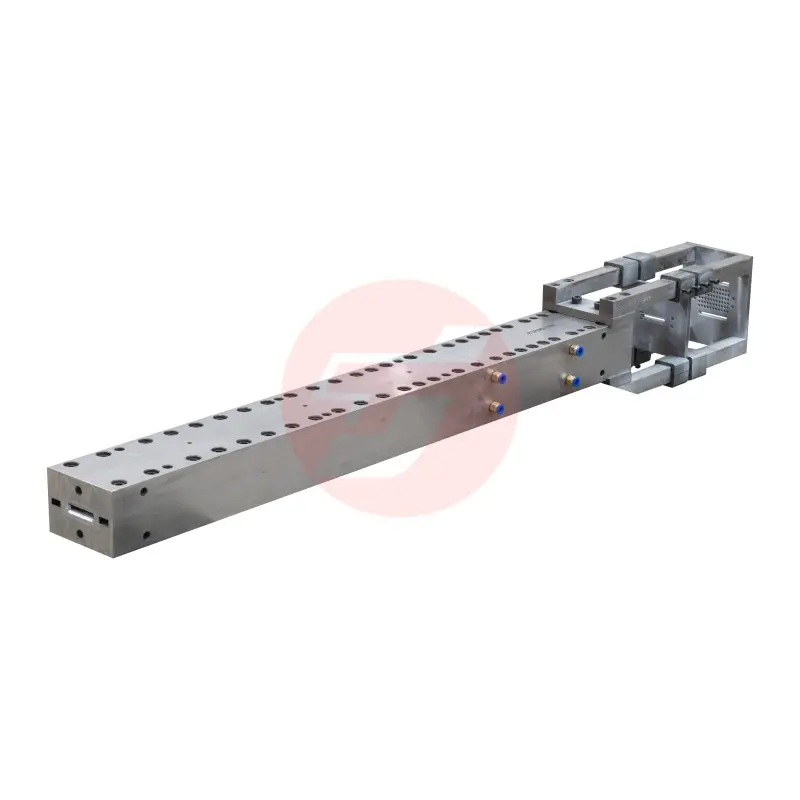
The construction and manufacturing industries are constantly seeking materials that deliver superior performance while maintaining cost-effectiveness. Polyurethane pultrusion has emerged as a revolutionary process that combines the excellent properties of polyurethane resins with the efficiency of pultrusion manufacturing. This advanced technique produces continuous fiber-reinforced composite profiles that exhibit exceptional strength, durability, and versatility across numerous applications. Understanding how polyurethane enhances pultruded components is crucial for engineers, manufacturers, and designers who demand high-performance materials in their projects.
Understanding Polyurethane Pultrusion Technology
The Fundamentals of Pultrusion Process
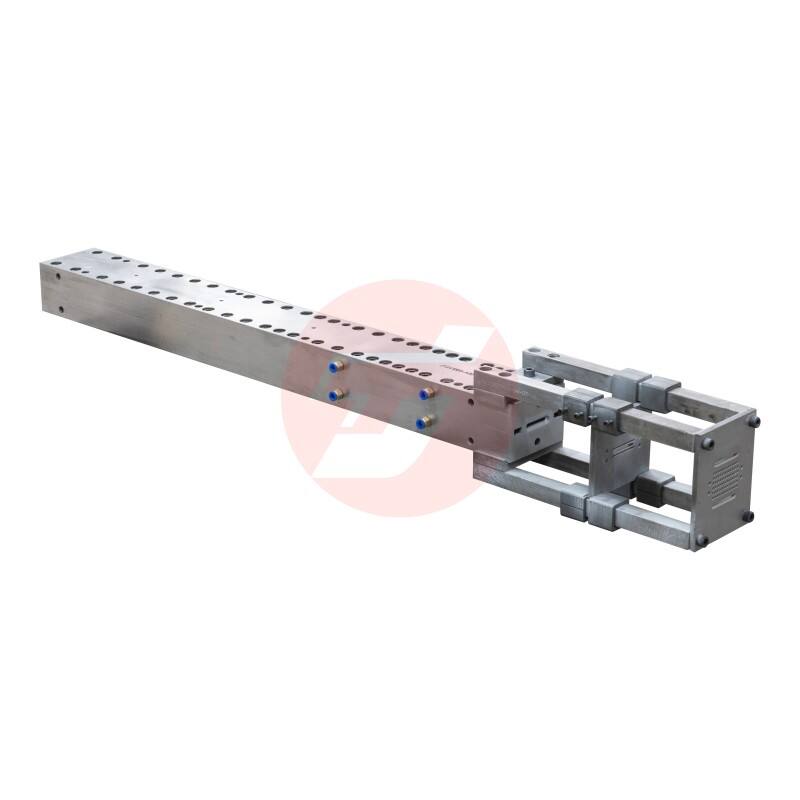
Pultrusion represents one of the most efficient methods for manufacturing continuous fiber-reinforced composite profiles. The process involves pulling reinforcement fibers through a resin bath, followed by a heated die that shapes and cures the material simultaneously. When polyurethane serves as the matrix material, the resulting composites demonstrate remarkable mechanical properties and processing advantages. The continuous nature of polyurethane pultrusion enables manufacturers to produce consistent, high-quality profiles with minimal waste and exceptional dimensional accuracy.
The integration of polyurethane resins into the pultrusion process requires precise temperature control and optimized curing parameters. Unlike traditional thermoset resins, polyurethane systems offer faster gel times and lower processing temperatures, resulting in improved energy efficiency and reduced cycle times. This technological advancement makes polyurethane pultrusion an attractive option for manufacturers seeking to enhance productivity while maintaining superior product quality.
Material Properties and Advantages
Polyurethane resins bring unique characteristics to pultruded components that distinguish them from conventional composite materials. The molecular structure of polyurethane provides excellent flexibility, impact resistance, and chemical stability. These properties translate into pultruded profiles that can withstand harsh environmental conditions, mechanical stress, and chemical exposure without compromising structural integrity. The inherent toughness of polyurethane also reduces the likelihood of crack propagation and catastrophic failure modes.
The versatility of polyurethane chemistry allows manufacturers to tailor material properties for specific applications. By adjusting the formulation, engineers can optimize characteristics such as hardness, flexibility, chemical resistance, and thermal stability. This customization capability makes polyurethane pultrusion suitable for diverse industries ranging from construction and transportation to marine and aerospace applications.
Enhanced Mechanical Performance Characteristics
Strength and Durability Properties
The mechanical performance of polyurethane pultrusion components significantly exceeds that of many traditional materials. The combination of continuous fiber reinforcement and polyurethane matrix creates a synergistic effect that maximizes strength-to-weight ratios. Pultruded polyurethane profiles exhibit excellent tensile strength, compressive strength, and flexural properties that make them suitable for load-bearing applications. The material's ability to maintain these properties over extended periods under various loading conditions demonstrates its reliability in critical applications.
Impact resistance represents another crucial advantage of polyurethane pultrusion technology. The inherent toughness of polyurethane resins allows pultruded components to absorb and dissipate impact energy effectively, reducing the risk of sudden failure. This characteristic is particularly valuable in applications where components may experience dynamic loading, vibration, or accidental impacts during service life.
Environmental Resistance and Longevity
Environmental durability stands as a key benefit of polyurethane pultrusion components. The chemical structure of polyurethane provides excellent resistance to ultraviolet radiation, moisture, temperature fluctuations, and chemical exposure. These properties ensure that pultruded profiles maintain their appearance and performance characteristics even when exposed to harsh outdoor conditions or aggressive chemical environments. The reduced need for maintenance and replacement translates into significant cost savings over the component's service life.
Thermal stability represents another important aspect of polyurethane pultrusion performance. The material can operate effectively across a wide temperature range while maintaining its mechanical properties. This thermal stability makes polyurethane pultrusion suitable for applications in extreme climates or processes that involve temperature variations. The low thermal expansion coefficient also minimizes dimensional changes due to temperature fluctuations, ensuring consistent fit and performance in assembled systems.
Applications and Industry Benefits
Construction and Infrastructure
The construction industry has embraced polyurethane pultrusion technology for various structural and architectural applications. Window and door profiles manufactured using this process demonstrate superior weather resistance, thermal insulation properties, and dimensional stability compared to traditional materials. The lightweight nature of pultruded polyurethane components reduces installation complexity while maintaining structural integrity. These profiles resist warping, cracking, and degradation that commonly affect wood and metal alternatives.
Infrastructure applications benefit from the corrosion resistance and longevity of polyurethane pultrusion components. Bridge decking, handrails, utility poles, and marine structures made from these materials require minimal maintenance while providing decades of reliable service. The electrical insulation properties of polyurethane make it particularly suitable for applications near power lines or in electrically sensitive environments.
Transportation and Automotive
The transportation sector utilizes polyurethane pultrusion technology to create lightweight, durable components that improve fuel efficiency and performance. Automotive applications include structural reinforcements, body panels, and interior components that benefit from the material's vibration damping properties. The ability to produce complex cross-sectional profiles through pultrusion enables designers to optimize component geometry for specific performance requirements.
Rail and marine transportation applications leverage the fire resistance and low smoke emission characteristics of properly formulated polyurethane pultrusion systems. These safety-critical properties, combined with the material's mechanical performance, make it an excellent choice for passenger vehicles and commercial transportation equipment. The consistency achievable through polyurethane pultrusion ensures reliable quality across large production runs.
Manufacturing Advantages and Process Efficiency
Production Benefits and Cost Effectiveness
Polyurethane pultrusion offers significant manufacturing advantages that translate into cost savings and improved efficiency. The relatively low processing temperatures required for polyurethane systems reduce energy consumption compared to other composite manufacturing processes. Faster cure times enable higher production rates, improving overall manufacturing throughput. The excellent flow characteristics of polyurethane resins ensure complete fiber wet-out and consistent quality throughout the pultruded profile.
The dimensional accuracy achievable through polyurethane pultrusion minimizes post-processing requirements and waste generation. Components can be produced to tight tolerances directly from the pultrusion line, reducing the need for secondary machining operations. This manufacturing efficiency, combined with the material's durability, results in excellent value proposition for end-users seeking high-performance composite solutions.
Design Flexibility and Customization
The versatility of polyurethane pultrusion enables designers to create custom profiles tailored to specific application requirements. Complex cross-sectional geometries, hollow sections, and integrated features can be incorporated directly into the pultruded profile during manufacturing. This design flexibility eliminates the need for assembly operations and reduces system complexity. The ability to co-pultrude different materials or incorporate surface textures further expands design possibilities.
Color matching and aesthetic customization represent additional advantages of polyurethane pultrusion technology. Pigments and additives can be incorporated directly into the resin system, creating profiles with consistent color throughout their cross-section. This approach eliminates the need for painting or coating operations while ensuring color stability over the component's service life. Surface finishes ranging from smooth to textured can be achieved through appropriate die design and processing parameters.
Future Developments and Industry Trends
Technological Advancements
Ongoing research in polyurethane pultrusion focuses on developing new resin formulations that offer enhanced performance characteristics. Bio-based polyurethane systems are emerging as environmentally sustainable alternatives that maintain the performance benefits of traditional formulations. Advanced fiber reinforcements, including carbon fiber and hybrid reinforcement systems, are being integrated with polyurethane matrices to create ultra-high-performance composite profiles.
Process automation and monitoring technologies are improving the consistency and quality of polyurethane pultrusion operations. Real-time monitoring of temperature, pressure, and line speed enables precise control of the curing process, resulting in more consistent product properties. Automated quality control systems can detect defects and variations early in the process, reducing waste and ensuring consistent product quality.
Market Growth and Opportunities
The growing demand for sustainable and high-performance materials is driving expansion in the polyurethane pultrusion market. Industries seeking alternatives to traditional materials are recognizing the benefits of pultruded polyurethane components. Regulatory requirements for fire resistance, environmental performance, and durability are creating new opportunities for polyurethane pultrusion technology in safety-critical applications.
International markets are showing increased interest in polyurethane pultrusion technology as awareness of its benefits spreads. Developing economies are particularly attracted to the durability and low maintenance requirements of pultruded polyurethane components for infrastructure applications. This global expansion is driving innovation and competition in the polyurethane pultrusion industry, resulting in improved products and more competitive pricing.
FAQ
What makes polyurethane pultrusion different from other composite manufacturing processes
Polyurethane pultrusion differs from other composite processes primarily in its continuous manufacturing approach and the unique properties of polyurethane resins. Unlike hand lay-up or resin transfer molding, pultrusion produces consistent profiles with uniform fiber distribution and properties along the entire length. The polyurethane matrix provides superior impact resistance, flexibility, and environmental durability compared to traditional epoxy or polyester resins commonly used in other processes.
How does the cost of polyurethane pultruded components compare to traditional materials
While the initial cost of polyurethane pultruded components may be higher than some traditional materials, the total cost of ownership is typically lower due to reduced maintenance requirements, longer service life, and superior performance characteristics. The lightweight nature of pultruded components can also reduce installation and transportation costs. Over the component's service life, the durability and low maintenance requirements of polyurethane pultrusion often result in significant cost savings compared to materials that require frequent replacement or maintenance.
What quality control measures ensure consistent performance in polyurethane pultrusion
Quality control in polyurethane pultrusion involves monitoring multiple process parameters including resin temperature, line speed, die temperature, and fiber tension. Continuous monitoring systems track these parameters to ensure consistent curing and dimensional accuracy. Regular testing of mechanical properties, visual inspection for surface defects, and dimensional measurements verify that finished profiles meet specifications. Advanced manufacturers also employ statistical process control methods to identify trends and prevent quality issues before they occur.
Can polyurethane pultruded profiles be recycled or reprocessed
Polyurethane pultruded profiles present unique recycling challenges due to their thermoset nature and fiber reinforcement. However, emerging technologies are developing methods for mechanical recycling where components are ground and used as fillers in new composite applications. Chemical recycling processes that break down the polyurethane matrix to recover both fibers and chemical components are also under development. Some manufacturers are incorporating bio-based polyurethane formulations that offer improved end-of-life disposal options while maintaining performance characteristics.
Table of Contents
- Understanding Polyurethane Pultrusion Technology
- Enhanced Mechanical Performance Characteristics
- Applications and Industry Benefits
- Manufacturing Advantages and Process Efficiency
- Future Developments and Industry Trends
-
FAQ
- What makes polyurethane pultrusion different from other composite manufacturing processes
- How does the cost of polyurethane pultruded components compare to traditional materials
- What quality control measures ensure consistent performance in polyurethane pultrusion
- Can polyurethane pultruded profiles be recycled or reprocessed