PU Composite Window Molds: Advanced Manufacturing Solutions for Superior Window Production

All Categories

Get a Free Quote

A professional manufacturer of composite material molds.
Email
WhatsApp
Name
Company Name
Message
0/1000
Attachment
Please upload at least an attachment
Up to 3 files,more 30mb,suppor jpg、jpeg、png、pdf、doc、docx、xls、xlsx、csv、txt

pu composite window molds

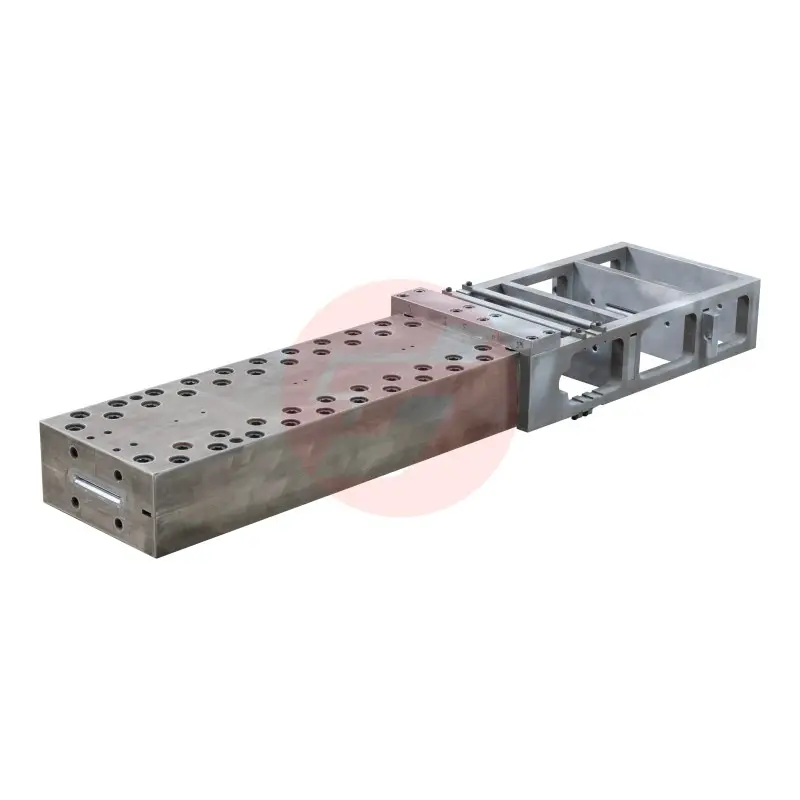
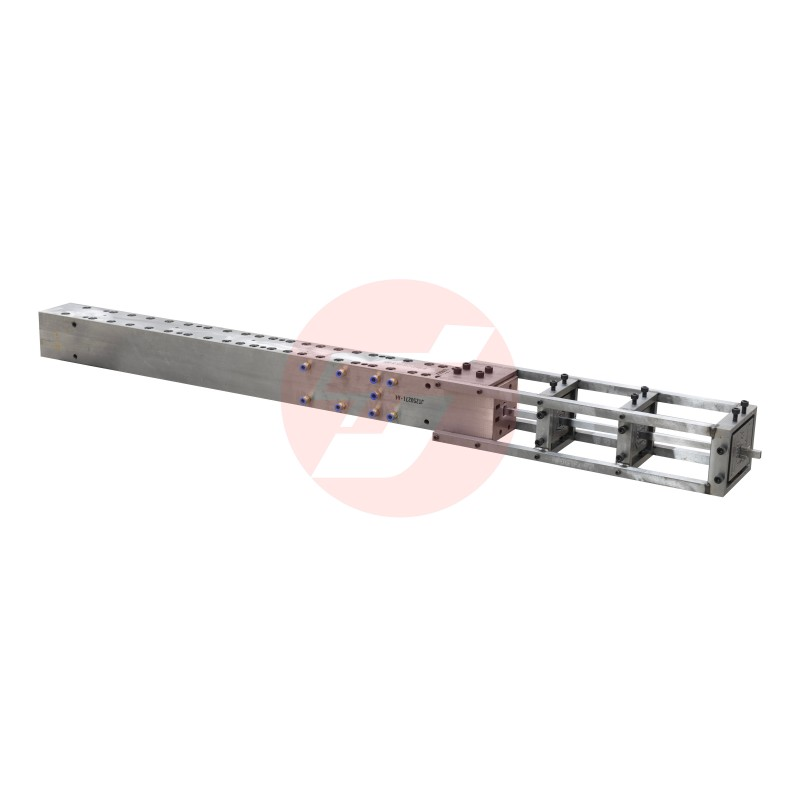
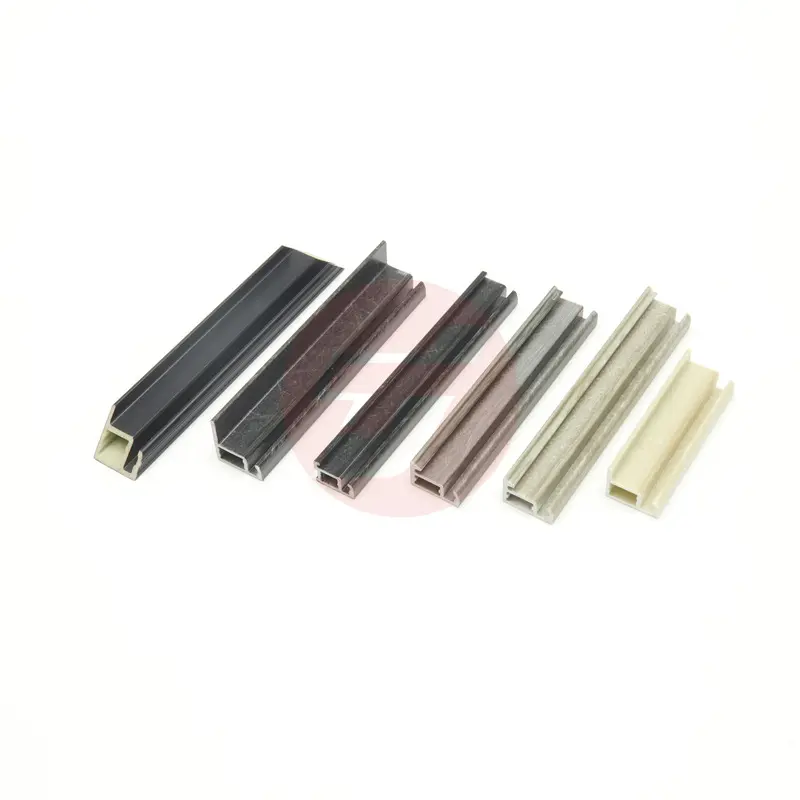
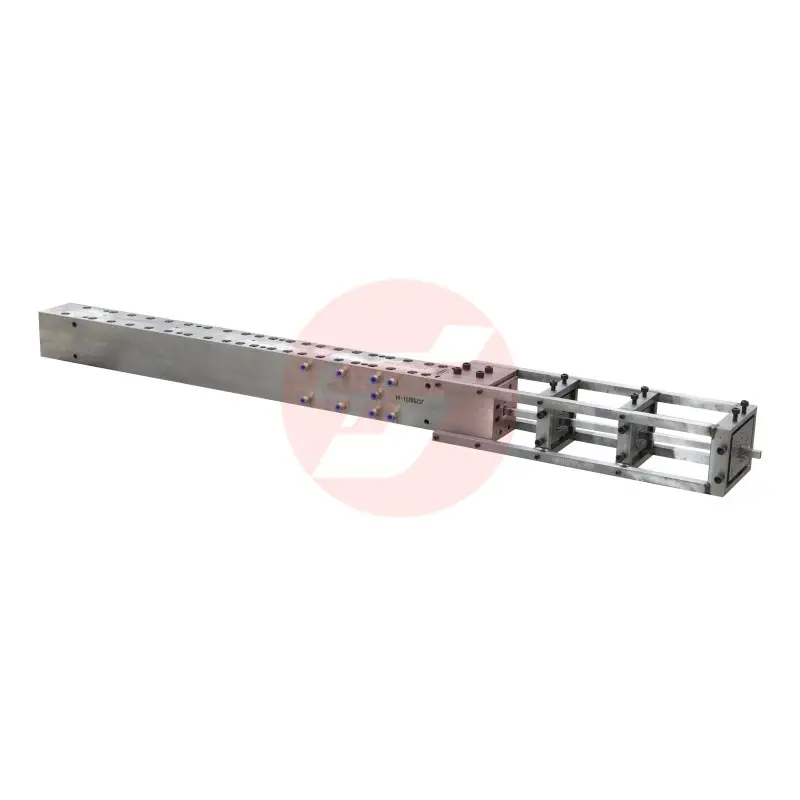
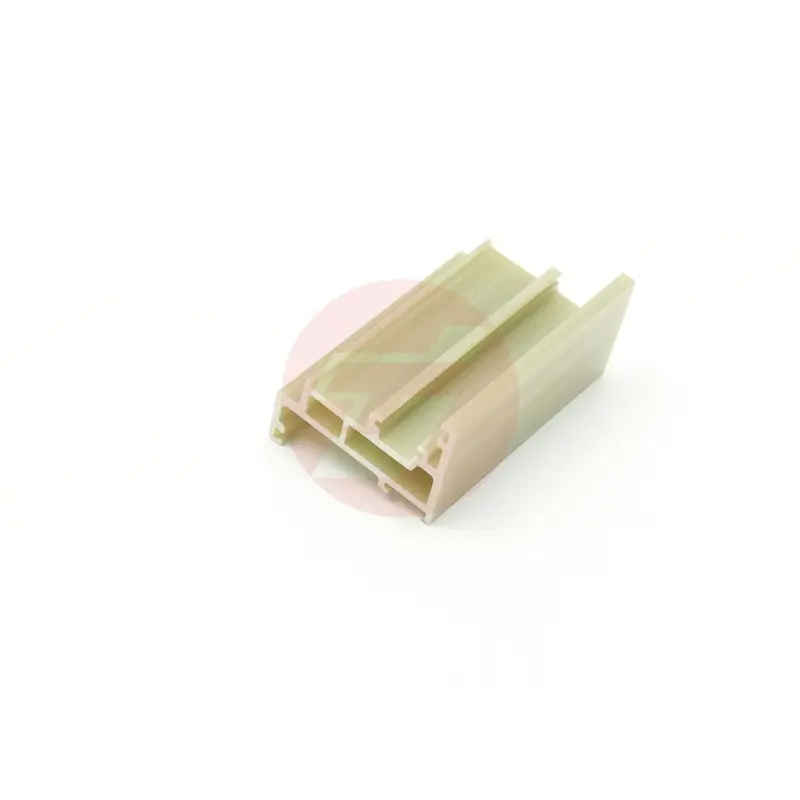
PU composite window molds represent a revolutionary advancement in the window manufacturing industry, combining the superior properties of polyurethane with composite materials to create exceptional molding solutions. These specialized molds are engineered to produce high-quality window frames and components that meet modern construction standards while delivering outstanding performance across various environmental conditions. The main functions of pu composite window molds include shaping window profiles, creating precise dimensional accuracy, and ensuring consistent surface finishes that enhance both aesthetic appeal and functional durability. These molds utilize advanced polyurethane technology integrated with composite reinforcement materials, resulting in tools that demonstrate remarkable resistance to wear, temperature fluctuations, and chemical exposure. The technological features of pu composite window molds encompass superior dimensional stability, excellent heat distribution properties, and enhanced demolding characteristics that significantly reduce production cycle times. Manufacturing processes benefit from the molds' ability to maintain tight tolerances while accommodating complex geometries required for contemporary window designs. Applications for pu composite window molds span residential construction, commercial building projects, and industrial installations where windows must meet stringent performance criteria. The versatility of these molds allows manufacturers to produce various window types including casement windows, sliding windows, and specialty architectural glazing systems. Production facilities utilizing pu composite window molds experience improved efficiency through reduced maintenance requirements and extended tool life compared to traditional molding materials. The composite structure provides optimal thermal conductivity, ensuring uniform heat distribution during the molding process and resulting in consistent product quality. These molds excel in producing windows with complex profiles, multiple chambers, and intricate detailing that modern energy-efficient designs demand, making them indispensable tools for forward-thinking window manufacturers seeking competitive advantages in today's demanding marketplace.


Popular Products

PU composite window molds deliver substantial advantages that transform manufacturing operations and enhance product quality for window producers worldwide. The primary benefit lies in their exceptional durability, as these molds withstand thousands of production cycles without significant wear or dimensional changes, dramatically reducing replacement costs and production downtime. Manufacturers experience significant cost savings through extended tool life, with pu composite window molds lasting three to five times longer than conventional aluminum or steel molds. The superior surface finish capabilities of these molds eliminate secondary finishing operations, streamlining production workflows and reducing labor costs while improving final product appearance. Production efficiency increases substantially due to the excellent demolding properties of polyurethane composite materials, which prevent sticking and reduce cycle times by up to 25 percent compared to traditional molding solutions. Temperature resistance represents another crucial advantage, as pu composite window molds maintain dimensional accuracy across wide temperature ranges, ensuring consistent product quality regardless of seasonal manufacturing conditions. The lightweight nature of these molds simplifies handling and installation procedures, reducing workplace injuries and improving operator productivity during mold changes and maintenance operations. Quality control becomes more manageable with pu composite window molds because their dimensional stability ensures predictable outcomes, minimizing waste and rework while maintaining tight tolerances throughout extended production runs. Environmental benefits include reduced energy consumption during heating and cooling cycles due to the superior thermal properties of the composite materials. Customization capabilities allow manufacturers to create specialized molds for unique window designs without the extensive lead times associated with traditional tooling methods. Maintenance requirements decrease significantly as the composite structure resists corrosion, wear, and impact damage that commonly affects conventional molds. The smooth surface characteristics of pu composite window molds reduce the need for mold release agents, creating cleaner production environments and reducing material costs. Overall production flexibility improves as these molds accommodate various polymer materials and processing conditions, enabling manufacturers to diversify their product offerings while maintaining consistent quality standards across different window types and applications.

Tips And Tricks

How to Select Carbon Fiber Pultruded Profiles for Engineering Projects?

29

Dec

How to Select Carbon Fiber Pultruded Profiles for Engineering Projects?

Carbon fiber pultruded profiles represent one of the most advanced composite materials available for modern engineering applications. These lightweight yet incredibly strong structural components have revolutionized industries ranging from aerospace ...
View More
What Advantages Do Glass Fiber Pultruded Products Offer in Construction?

29

Dec

What Advantages Do Glass Fiber Pultruded Products Offer in Construction?

Construction professionals are increasingly turning to advanced composite materials to meet the demanding requirements of modern infrastructure projects. Among these innovative solutions, glass fiber pultruded products have emerged as a superior alte...
View More
What Factors Determine the Lifespan of Carbon Fiber Pultruded Products?

13

Feb

What Factors Determine the Lifespan of Carbon Fiber Pultruded Products?

Carbon fiber pultrusion represents one of the most advanced manufacturing processes for creating high-performance composite materials with exceptional strength-to-weight ratios. This innovative technique produces continuous fiber-reinforced profiles ...
View More
How to Maintain Carbon Fiber Pultrusion Molds for Long-Term Stability?

13

Feb

How to Maintain Carbon Fiber Pultrusion Molds for Long-Term Stability?

Carbon fiber pultrusion molds represent one of the most critical components in manufacturing high-performance composite materials for industries ranging from aerospace to renewable energy. These precision-engineered tools require meticulous maintenan...
View More

Get a Free Quote

A professional manufacturer of composite material molds.
Email
WhatsApp
Name
Company Name
Message
0/1000
Attachment
Please upload at least an attachment
Up to 3 files,more 30mb,suppor jpg、jpeg、png、pdf、doc、docx、xls、xlsx、csv、txt

pu composite window molds

Superior Dimensional Stability and Precision Engineering

Superior Dimensional Stability and Precision Engineering

The dimensional stability of pu composite window molds stands as their most significant technical achievement, providing manufacturers with unparalleled precision throughout extended production cycles. This remarkable stability stems from the unique molecular structure of polyurethane composites, which exhibit minimal thermal expansion and contraction compared to traditional molding materials. When temperature fluctuations occur during manufacturing processes, conventional molds often experience dimensional changes that compromise product quality and require frequent adjustments. However, pu composite window molds maintain their exact specifications across temperature ranges from -20°C to 180°C, ensuring consistent window profile dimensions regardless of environmental conditions. The precision engineering aspects of these molds enable the production of complex window geometries with tolerances as tight as ±0.1mm, meeting the stringent requirements of modern energy-efficient window designs. This precision proves essential when manufacturing multi-chamber window profiles where even minor dimensional variations can compromise thermal performance and structural integrity. The composite material structure incorporates reinforcing fibers that prevent warping and distortion under the mechanical stresses encountered during high-pressure molding operations. Quality control departments appreciate the predictable performance of pu composite window molds because dimensional consistency eliminates the need for frequent measurement and adjustment procedures that slow production and increase labor costs. The long-term dimensional stability also means that replacement parts and components produced months or years apart will maintain perfect compatibility, supporting manufacturers' warranty commitments and customer satisfaction goals. Additionally, the precise surface textures achievable with these molds enhance the aesthetic appeal of finished windows while providing optimal surfaces for paint adhesion and weatherproofing treatments. This dimensional reliability extends to complex architectural features such as decorative mullions, integrated hardware channels, and weatherstrip grooves that require exact positioning for proper function and appearance.
Enhanced Thermal Management and Energy Efficiency

Enhanced Thermal Management and Energy Efficiency

PU composite window molds excel in thermal management capabilities, delivering superior heat distribution and energy efficiency that revolutionizes manufacturing processes and reduces operational costs. The thermal conductivity properties of these specialized molds ensure uniform temperature distribution throughout the molding cavity, eliminating hot spots and cold zones that can cause defects in window profiles. This enhanced thermal management results from the carefully engineered composite structure that balances heat transfer rates with thermal mass, creating optimal conditions for consistent polymer flow and curing. Manufacturers benefit from reduced energy consumption as pu composite window molds require lower heating temperatures and shorter heating cycles compared to traditional steel or aluminum alternatives. The improved thermal efficiency translates directly into cost savings, with many facilities reporting 15-20% reductions in energy costs after switching to composite molding systems. Temperature uniformity proves particularly crucial when producing thick-walled window profiles or complex multi-chamber designs where uneven heating can create internal stresses, warping, or incomplete filling of mold cavities. The thermal properties of pu composite window molds also enable faster cooling cycles, as the material efficiently dissipates heat while maintaining dimensional stability during the cooling phase. This thermal management advantage allows manufacturers to increase production rates without compromising quality, effectively improving throughput and profitability. The consistent thermal behavior of these molds reduces the formation of sink marks, weld lines, and other thermal-related defects that require rework or product rejection. Process engineers appreciate the predictable thermal response of composite molds, which simplifies process optimization and reduces setup times when transitioning between different window profiles or polymer materials. The superior thermal management also extends mold life by reducing thermal cycling stresses that can cause cracking or dimensional changes in conventional molding materials. Climate-controlled manufacturing environments benefit particularly from the stable thermal properties of pu composite window molds, as they maintain consistent performance regardless of ambient temperature variations throughout seasonal changes.
Revolutionary Demolding Performance and Surface Quality

Revolutionary Demolding Performance and Surface Quality

The demolding performance of pu composite window molds represents a breakthrough in manufacturing efficiency, delivering effortless part release and exceptional surface quality that exceeds industry standards. The unique surface properties of polyurethane composites create naturally non-stick characteristics that facilitate smooth part ejection without requiring excessive force or frequent application of release agents. This superior demolding capability stems from the molecular structure of the composite material, which exhibits low surface energy and excellent chemical resistance that prevents polymer adhesion during the molding process. Manufacturers experience dramatic improvements in cycle times as parts release cleanly and consistently, eliminating the delays and potential damage associated with stuck parts in conventional molds. The surface finish quality achieved with pu composite window molds surpasses that of traditional tooling materials, producing window profiles with mirror-like smoothness and consistent texture that enhances both aesthetic appeal and functional performance. This exceptional surface quality eliminates the need for secondary finishing operations such as sanding, polishing, or filling, reducing labor costs and production time while improving overall product consistency. The demolding advantages extend beyond mere convenience, as gentle part release prevents stress concentration and micro-cracking that can compromise the structural integrity and longevity of window components. Quality control processes become more reliable with pu composite window molds because the consistent surface finish and effortless demolding reduce variability between production batches. The elimination of release agent dependency not only reduces material costs but also creates cleaner manufacturing environments and improves paint adhesion characteristics on finished window surfaces. Complex geometries and intricate details reproduce faithfully due to the superior flow characteristics and non-stick properties of the composite material, enabling manufacturers to create sophisticated window designs previously difficult or impossible to mold efficiently. The long-term performance of these demolding characteristics remains stable throughout the mold's service life, as the composite structure resists wear and maintains its surface properties even after thousands of production cycles, ensuring consistent performance and quality output throughout extended manufacturing campaigns.

Get a Free Quote

A professional manufacturer of composite material molds.
Email
WhatsApp
Name
Company Name
Message
0/1000
Attachment
Please upload at least an attachment
Up to 3 files,more 30mb,suppor jpg、jpeg、png、pdf、doc、docx、xls、xlsx、csv、txt