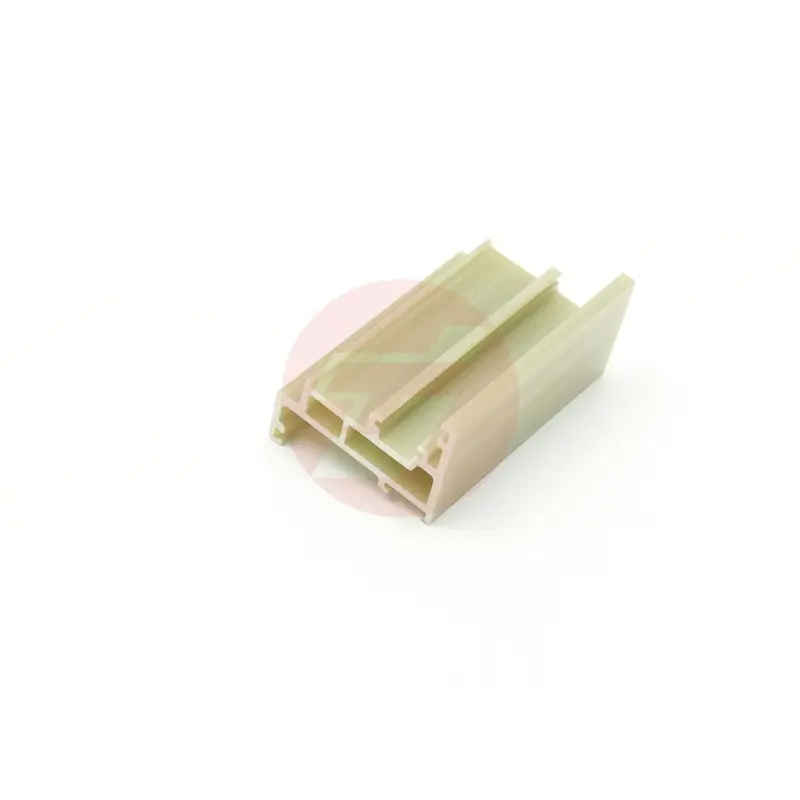
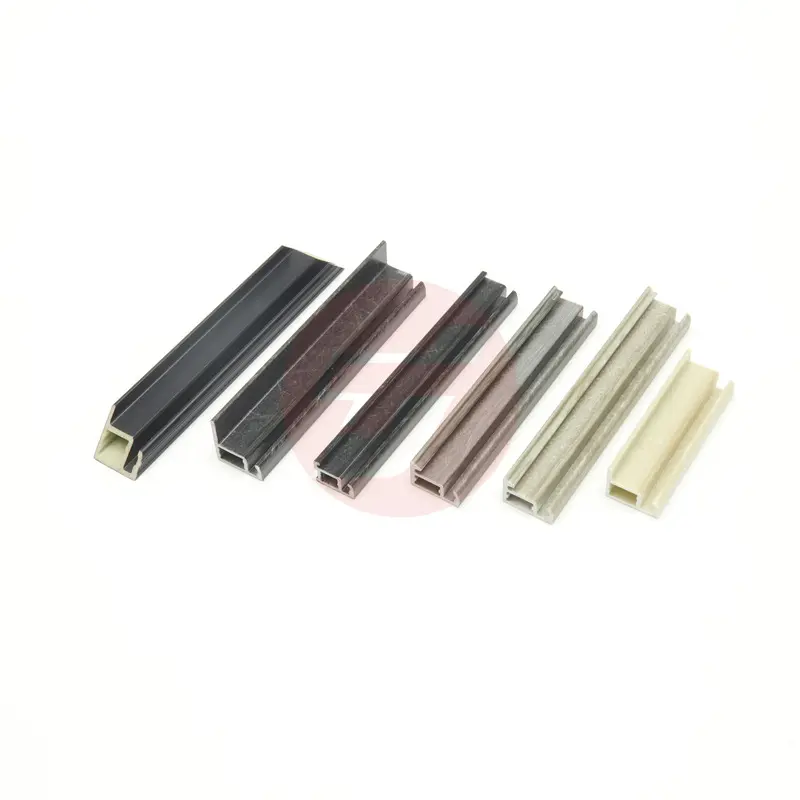
Automotive Compression Molds: Precision Manufacturing Solutions for High-Quality Vehicle Components

All Categories

Get a Free Quote

A professional manufacturer of composite material molds.
Email
WhatsApp
Name
Company Name
Message
0/1000
Attachment
Please upload at least an attachment
Up to 3 files,more 30mb,suppor jpg、jpeg、png、pdf、doc、docx、xls、xlsx、csv、txt

automotive compression molds

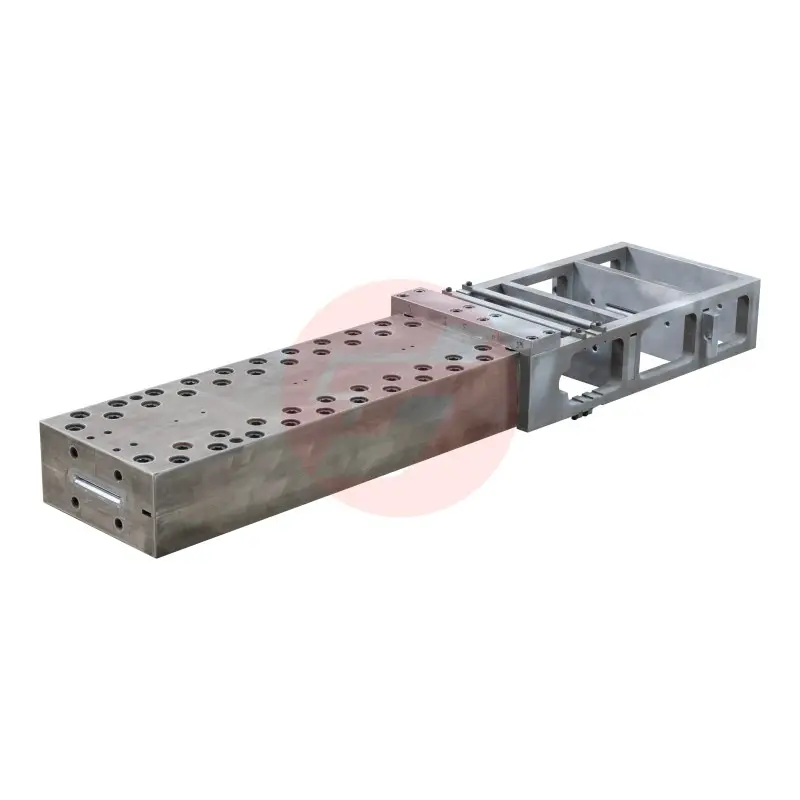
Automotive compression molds represent a critical manufacturing technology that transforms raw materials into precisely engineered components for vehicle production. These specialized tools utilize controlled pressure and heat to shape thermoplastic and composite materials into complex automotive parts with exceptional accuracy and consistency. The primary function of automotive compression molds involves compressing material between two heated mold halves, creating parts that meet stringent automotive industry standards for strength, durability, and dimensional precision. Modern automotive compression molds incorporate advanced technological features including computer-controlled heating systems, precise pressure regulation mechanisms, and automated material handling capabilities. These molds typically operate at temperatures ranging from 150 to 400 degrees Celsius, with pressure applications reaching several tons per square inch. The technological sophistication extends to integrated cooling channels that ensure uniform temperature distribution and rapid cycle times, optimizing production efficiency. Key applications of automotive compression molds span across multiple vehicle systems, including interior components such as dashboard panels, door trim pieces, and seat backing structures. Exterior applications encompass body panels, bumper components, and aerodynamic elements that require superior surface finish quality. Under-hood applications include engine covers, air intake components, and various housing elements that demand exceptional thermal resistance properties. The versatility of automotive compression molds enables manufacturers to produce both structural and aesthetic components with varying complexity levels. Advanced mold designs accommodate multi-cavity configurations, allowing simultaneous production of multiple parts within single molding cycles. This capability significantly enhances manufacturing throughput while maintaining consistent quality standards across all produced components. The precision engineering inherent in automotive compression molds ensures minimal material waste and optimal resource utilization, supporting sustainable manufacturing practices within the automotive sector.


New Product Releases

Automotive compression molds deliver substantial cost savings through reduced material waste and enhanced production efficiency compared to alternative manufacturing methods. The precision molding process minimizes excess material usage, directly translating to lower raw material costs and improved profit margins for manufacturers. These molds enable consistent part quality across large production volumes, eliminating costly rework and quality control issues that plague less precise manufacturing techniques. The durability of properly maintained automotive compression molds extends their operational lifespan significantly, often serving manufacturers for hundreds of thousands of molding cycles before requiring replacement or major refurbishment. This longevity provides excellent return on investment and predictable manufacturing costs over extended periods. Production speed represents another significant advantage, as modern automotive compression molds complete molding cycles in minutes rather than hours required by traditional forming methods. The rapid cycle times enable manufacturers to meet tight production schedules and respond quickly to market demand fluctuations. Dimensional accuracy achieved through automotive compression molds eliminates the need for extensive post-production machining or finishing operations, streamlining the manufacturing process and reducing overall production time. The surface quality produced by these molds often meets final product specifications without additional treatments, saving both time and processing costs. Versatility stands as a key competitive advantage, allowing single mold systems to produce various part configurations through insert changes or adjustable features. This flexibility reduces tooling inventory requirements and enables manufacturers to adapt quickly to design modifications or new product introductions. The repeatability of automotive compression molds ensures consistent part dimensions and properties across entire production runs, supporting lean manufacturing principles and reducing quality inspection requirements. Energy efficiency represents an often-overlooked advantage, as modern compression molding systems consume less energy per part compared to injection molding or other high-pressure forming techniques. This efficiency translates to lower operational costs and reduced environmental impact. The ability to process reinforced materials and composites opens opportunities for lightweight component production, supporting automotive industry trends toward improved fuel efficiency and reduced emissions.

Tips And Tricks

How to Select Carbon Fiber Pultruded Profiles for Engineering Projects?

29

Dec

How to Select Carbon Fiber Pultruded Profiles for Engineering Projects?

Carbon fiber pultruded profiles represent one of the most advanced composite materials available for modern engineering applications. These lightweight yet incredibly strong structural components have revolutionized industries ranging from aerospace ...
View More
What Affects the Dimensional Accuracy of Epoxy Pultruded Products?

05

Jan

What Affects the Dimensional Accuracy of Epoxy Pultruded Products?

The dimensional accuracy of epoxy pultruded products plays a crucial role in determining their performance and suitability for various industrial applications. Manufacturing professionals across aerospace, automotive, and construction industries rely...
View More
How Does Polyurethane Enhance Performance in Pultruded Components?

05

Jan

How Does Polyurethane Enhance Performance in Pultruded Components?

The construction and manufacturing industries are constantly seeking materials that deliver superior performance while maintaining cost-effectiveness. Polyurethane pultrusion has emerged as a revolutionary process that combines the excellent properti...
View More
What Factors Determine the Lifespan of Carbon Fiber Pultruded Products?

13

Feb

What Factors Determine the Lifespan of Carbon Fiber Pultruded Products?

Carbon fiber pultrusion represents one of the most advanced manufacturing processes for creating high-performance composite materials with exceptional strength-to-weight ratios. This innovative technique produces continuous fiber-reinforced profiles ...
View More

Get a Free Quote

A professional manufacturer of composite material molds.
Email
WhatsApp
Name
Company Name
Message
0/1000
Attachment
Please upload at least an attachment
Up to 3 files,more 30mb,suppor jpg、jpeg、png、pdf、doc、docx、xls、xlsx、csv、txt

automotive compression molds

Superior Surface Finish and Dimensional Precision

Superior Surface Finish and Dimensional Precision

Automotive compression molds excel in producing components with exceptional surface finish quality that often eliminates the need for secondary finishing operations. The controlled molding environment ensures consistent surface texture and gloss levels across all produced parts, meeting the demanding aesthetic requirements of modern vehicle interiors and exteriors. This capability stems from the uniform pressure distribution and controlled temperature profiles that automotive compression molds maintain throughout the molding cycle. The precision tooling used in these molds incorporates advanced surface treatments and polishing techniques that transfer directly to the molded components, creating mirror-like finishes or precisely textured surfaces as required. Dimensional precision represents another critical aspect where automotive compression molds demonstrate superiority over alternative manufacturing methods. The rigid mold construction and controlled molding parameters enable tolerance capabilities within micrometers, ensuring perfect fit and function of components within complex automotive assemblies. This precision extends beyond simple dimensional accuracy to include complex geometric features such as undercuts, intricate surface details, and precise wall thickness variations. The ability to maintain these tight tolerances across thousands of molding cycles provides manufacturers with confidence in their production processes and reduces the need for extensive quality control measures. Modern automotive compression molds incorporate advanced measurement systems and feedback controls that continuously monitor part dimensions during production, automatically adjusting process parameters to maintain optimal quality standards. This real-time quality assurance capability prevents defective parts from entering the production stream and minimizes waste generation. The combination of superior surface finish and dimensional precision makes automotive compression molds particularly valuable for producing visible components and critical functional parts where appearance and fit are paramount considerations in the final vehicle assembly.
Enhanced Material Utilization and Sustainability

Enhanced Material Utilization and Sustainability

Automotive compression molds optimize material utilization through precise charge calculations and controlled material flow patterns that minimize waste generation and maximize component quality. The molding process allows manufacturers to use exact material quantities required for each part, eliminating the substantial waste typically associated with traditional forming methods. This precision in material usage extends beyond simple cost savings to encompass environmental benefits through reduced raw material consumption and decreased disposal requirements. The controlled heating and pressure application in automotive compression molds ensures complete material utilization, preventing incomplete filling or material degradation that can occur in other manufacturing processes. Advanced automotive compression molds accommodate recycled and sustainable materials, including bio-based composites and recycled thermoplastics, supporting automotive industry initiatives toward environmental responsibility. The molding parameters can be adjusted to optimize the processing of these alternative materials while maintaining the quality standards required for automotive applications. This flexibility enables manufacturers to respond to evolving sustainability regulations and consumer preferences for environmentally conscious products. The energy efficiency of automotive compression molds contributes significantly to sustainable manufacturing practices, as the controlled heating systems and optimized cycle times require substantially less energy per part compared to alternative forming methods. Modern mold designs incorporate efficient heating elements and thermal insulation systems that minimize heat loss and reduce overall energy consumption. The ability to process multiple parts simultaneously within single mold cavities further enhances energy efficiency by maximizing production output per energy unit consumed. Longevity of automotive compression molds supports sustainability goals by reducing the frequency of tooling replacement and the associated material consumption for new mold construction. Proper maintenance programs can extend mold life to hundreds of thousands of cycles, spreading the environmental impact of mold production across extended service periods. The durability also reduces the generation of worn tooling waste and minimizes the resources required for replacement mold manufacturing.
Versatile Processing Capabilities for Complex Components

Versatile Processing Capabilities for Complex Components

Automotive compression molds demonstrate remarkable versatility in processing diverse material types and producing components with varying complexity levels, from simple flat panels to intricate multi-featured assemblies. This adaptability stems from the flexible process parameters that can be adjusted to accommodate different material characteristics, including thermoplastics, thermosets, composites, and hybrid material combinations. The controlled pressure and temperature profiles allow manufacturers to optimize processing conditions for each specific material, ensuring optimal mechanical properties and surface quality in the finished components. Advanced automotive compression molds incorporate modular design concepts that enable rapid reconfiguration for different part geometries or production requirements. Insert systems allow single mold platforms to produce multiple part variations through quick tooling changes, significantly reducing overall tooling investments and storage requirements. This modularity extends to cavity configurations, where manufacturers can adjust the number of active cavities based on production volume requirements or part complexity considerations. The scalability of automotive compression molds supports both prototype development and high-volume production scenarios, making them valuable throughout the entire product development lifecycle. Complex geometries that would be challenging or impossible to achieve through other manufacturing methods become feasible with properly designed automotive compression molds. Features such as deep draws, sharp corners, intricate surface textures, and integrated functional elements can be incorporated directly into the molding process, eliminating assembly steps and reducing overall manufacturing complexity. Multi-material processing capabilities enable the production of components with varying properties within single molded parts, such as rigid structural sections combined with flexible sealing elements. Temperature and pressure control systems in modern automotive compression molds provide zone-specific processing conditions, allowing optimization of different areas within complex components. This capability proves particularly valuable for large automotive components where varying wall thicknesses or material requirements exist across different sections of the same part, ensuring uniform quality throughout the entire component while accommodating diverse functional requirements.

Get a Free Quote

A professional manufacturer of composite material molds.
Email
WhatsApp
Name
Company Name
Message
0/1000
Attachment
Please upload at least an attachment
Up to 3 files,more 30mb,suppor jpg、jpeg、png、pdf、doc、docx、xls、xlsx、csv、txt