 EN
EN
Carbon fiber pultruded profiles represent one of the most advanced composite materials available for modern engineering applications. These lightweight yet incredibly strong structural components have revolutionized industries ranging from aerospace to renewable energy, offering engineers unprecedented design flexibility and performance characteristics. Understanding the selection criteria for carbon fiber pultruded profiles is essential for project success, as the wrong choice can lead to costly failures or suboptimal performance in critical applications.
The pultrusion process creates continuous fiber-reinforced profiles with exceptional strength-to-weight ratios and consistent cross-sectional properties throughout their length. Unlike traditional materials such as steel or aluminum, carbon fiber pultruded profiles offer superior fatigue resistance, corrosion immunity, and dimensional stability under varying environmental conditions. These characteristics make them ideal for applications where long-term reliability and minimal maintenance are paramount concerns for engineering teams.
Understanding Carbon Fiber Pultrusion Technology
Manufacturing Process Fundamentals
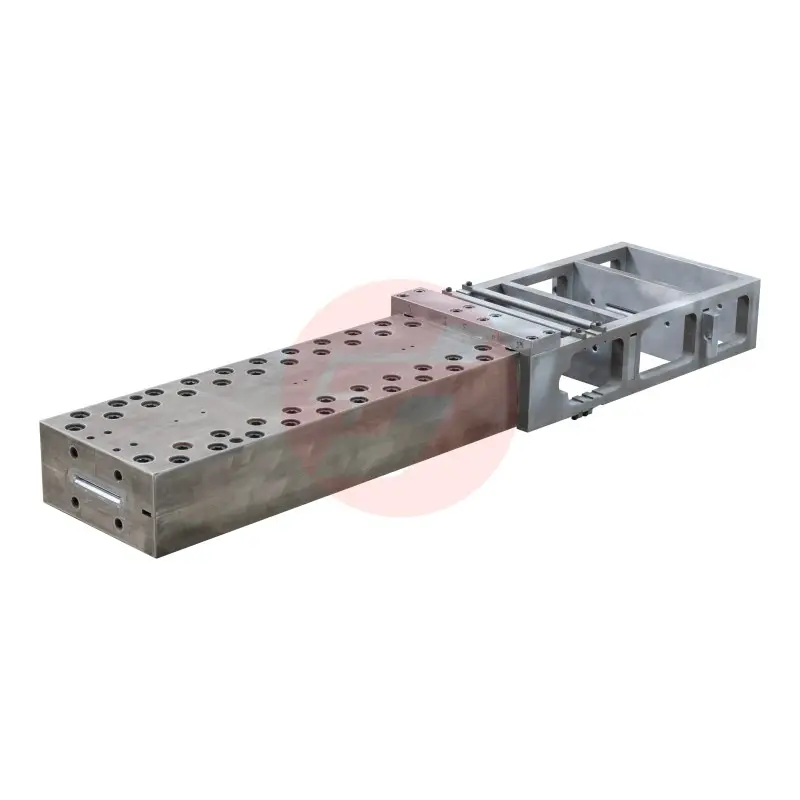
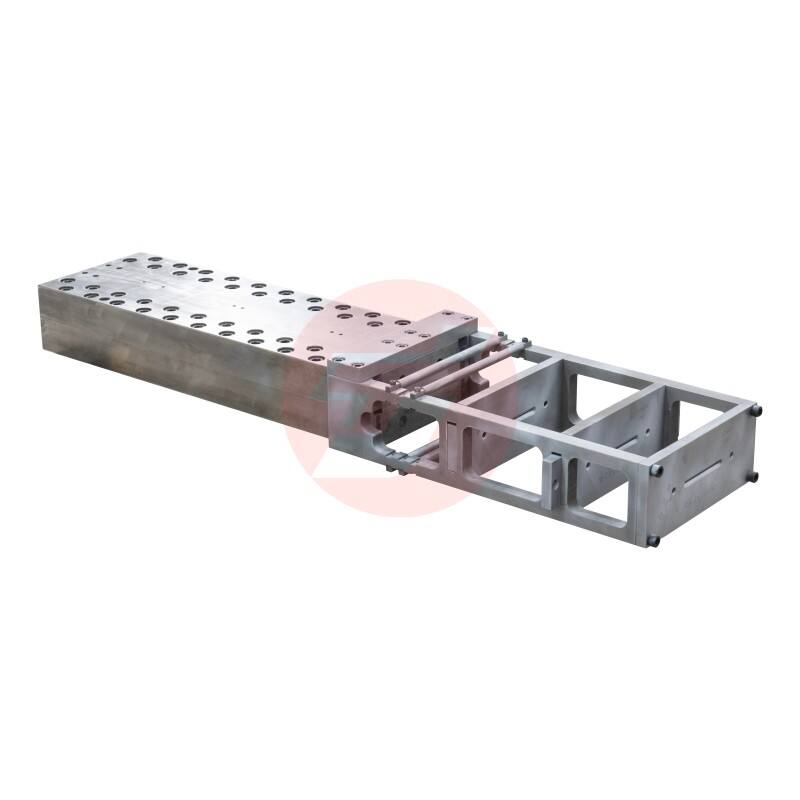
The pultrusion manufacturing process involves pulling continuous carbon fiber reinforcements through a resin bath and then through a heated die that shapes and cures the material simultaneously. This continuous process ensures uniform fiber distribution and optimal resin-to-fiber ratios throughout the profile length. The precision control available in modern pultrusion systems allows manufacturers to create carbon fiber pultruded profiles with consistent mechanical properties and tight dimensional tolerances that meet stringent engineering specifications.
Temperature and pressure control during the pultrusion process directly influence the final properties of carbon fiber pultruded profiles. Advanced manufacturing facilities utilize sophisticated monitoring systems to maintain optimal processing parameters, ensuring that each profile meets or exceeds design requirements. The curing process typically occurs at temperatures between 300-400°F, depending on the resin system used, with precise control necessary to achieve maximum cross-linking density.
Fiber Architecture Considerations
The arrangement and orientation of carbon fibers within pultruded profiles significantly impact their mechanical performance characteristics. Unidirectional fiber placement provides maximum strength and stiffness in the longitudinal direction, making these configurations ideal for structural applications where primary loads are applied along the profile length. Multi-directional fiber architectures, incorporating both longitudinal and transverse reinforcements, offer improved resistance to off-axis loading and enhanced damage tolerance.
Engineers must carefully consider the fiber volume fraction when selecting carbon fiber pultruded profiles for specific applications. Higher fiber content generally results in improved mechanical properties but may affect processability and cost considerations. Typical fiber volume fractions range from 50-65% for structural applications, with optimization based on the specific performance requirements and loading conditions expected during service life.
Material Property Evaluation Criteria
Mechanical Performance Parameters
Tensile strength represents one of the most critical properties to evaluate when selecting carbon fiber pultruded profiles for engineering applications. These materials typically exhibit tensile strengths exceeding 200,000 psi, which is significantly higher than conventional materials like steel or aluminum. The elastic modulus of carbon fiber pultruded profiles often ranges from 15-25 million psi, providing exceptional stiffness for applications requiring minimal deflection under load.
Flexural properties become particularly important for applications involving bending loads or cantilever configurations. Carbon fiber pultruded profiles demonstrate excellent flexural strength and modulus values, making them suitable for structural beams, brackets, and support members in demanding engineering environments. Fatigue resistance is another crucial consideration, as these profiles can withstand millions of load cycles without significant degradation in performance.
Environmental Resistance Characteristics
The inherent corrosion resistance of carbon fiber pultruded profiles provides significant advantages over metallic alternatives in harsh environmental conditions. These materials are immune to galvanic corrosion, salt spray, and most chemical exposures commonly encountered in industrial applications. UV resistance can be enhanced through appropriate resin selection and surface treatments, ensuring long-term performance in outdoor applications.
Temperature stability is a key factor when selecting carbon fiber pultruded profiles for applications involving thermal cycling or extreme temperature exposure. Most standard epoxy-based systems can operate continuously at temperatures up to 250°F, while specialized high-temperature resins extend this range to 400°F or higher. Thermal expansion coefficients are typically much lower than metals, reducing thermal stress concerns in fixed-end applications.
Application-Specific Selection Guidelines
Structural Engineering Applications
When specifying carbon fiber pultruded profiles for structural applications, engineers must carefully analyze the loading conditions and safety factors required for the specific project. These materials excel in tension and compression applications but may require additional consideration for connections and joints due to their orthotropic properties. Proper design of bolted or bonded connections is essential to ensure load transfer without creating stress concentrations that could compromise performance.
Buckling resistance becomes particularly important for compression-loaded carbon fiber pultruded profiles, especially in slender configurations. The high modulus-to-density ratio of these materials provides excellent buckling resistance compared to conventional materials, but proper analysis using appropriate safety factors is still necessary. Local buckling of thin-walled sections can be mitigated through appropriate wall thickness selection or internal reinforcement strategies.
Industrial Equipment Integration
Manufacturing equipment applications often benefit from the lightweight nature and corrosion resistance of carbon fiber pultruded profiles, particularly in automated systems where reduced moving mass improves operational efficiency. The dimensional stability of these materials ensures consistent performance over extended service periods, reducing maintenance requirements and downtime costs associated with component replacement or adjustment.
Electrical properties may also influence selection decisions for certain industrial applications. Carbon fibers are electrically conductive, which can be advantageous for static dissipation applications but may require special considerations for electrical isolation requirements. Proper grounding strategies and insulation techniques should be incorporated into the system design when electrical conductivity could present safety or operational concerns.
Quality Assurance and Testing Requirements
Material Certification Standards
Quality assurance for carbon fiber pultruded profiles typically involves comprehensive testing protocols that verify mechanical properties, dimensional accuracy, and material consistency. Industry standards such as ASTM D2343 for pultrusion processes provide guidelines for manufacturing quality control and acceptance testing. These standards ensure that carbon fiber pultruded profiles meet specified performance requirements and maintain consistent quality from batch to batch.
Non-destructive testing methods play an important role in quality verification for critical applications. Ultrasonic inspection can detect internal voids or delaminations that might compromise structural integrity, while visual inspection ensures surface quality and proper fiber wet-out. Advanced manufacturing facilities often employ inline quality monitoring systems that provide real-time feedback on processing parameters and material properties during production.
Performance Validation Methods
Mechanical testing of carbon fiber pultruded profiles should encompass all relevant loading modes expected during service. Tensile testing provides fundamental strength and modulus data, while flexural testing evaluates bending performance under various loading conditions. Compression testing is particularly important for structural applications, as it often represents the limiting failure mode for these materials in practical applications.
Environmental testing validates the long-term durability of carbon fiber pultruded profiles under expected service conditions. Accelerated aging tests can simulate years of environmental exposure in abbreviated timeframes, providing confidence in material selection decisions. These tests typically evaluate property retention after exposure to temperature cycles, humidity, UV radiation, and chemical environments relevant to the intended application.
Cost-Benefit Analysis Considerations
Initial Investment Evaluation
The initial cost of carbon fiber pultruded profiles is typically higher than conventional materials, but this premium must be evaluated against the total lifecycle costs of the application. Reduced maintenance requirements, longer service life, and potential weight savings often justify the higher upfront investment when analyzed over the complete project timeline. Engineering teams should conduct comprehensive cost-benefit analyses that include all relevant factors affecting total ownership costs.
Installation costs may be reduced due to the lightweight nature of carbon fiber pultruded profiles, which can simplify handling and reduce structural support requirements. The corrosion resistance of these materials eliminates the need for protective coatings or sacrificial anodes typically required for metallic components in harsh environments, further reducing lifecycle costs through eliminated maintenance activities.
Performance Value Optimization
Weight savings achieved through the use of carbon fiber pultruded profiles can provide significant economic benefits in applications where reduced mass improves operational efficiency or enables design optimization. In rotating machinery, reduced inertia can improve acceleration characteristics and reduce energy consumption. For transportation applications, weight reduction directly translates to improved fuel efficiency and reduced operating costs over the equipment lifetime.
The exceptional fatigue resistance of carbon fiber pultruded profiles provides value through extended service intervals and reduced downtime for maintenance activities. Components that would typically require periodic replacement due to fatigue crack propagation in metallic materials can often operate for the entire design life without degradation when fabricated from properly selected carbon fiber composites.
FAQ
What are the typical strength properties of carbon fiber pultruded profiles compared to steel?
Carbon fiber pultruded profiles typically exhibit tensile strengths of 200,000-300,000 psi compared to structural steel at approximately 65,000 psi, while maintaining only 20-25% of steel's weight. The elastic modulus ranges from 15-25 million psi for carbon fiber profiles versus 29 million psi for steel, providing excellent stiffness-to-weight ratios for most engineering applications.
How do environmental conditions affect the selection of carbon fiber pultruded profiles?
Environmental factors significantly influence resin selection and surface treatment requirements for carbon fiber pultruded profiles. UV exposure necessitates appropriate UV-resistant resin systems or protective coatings, while chemical exposure requires compatibility verification with specific resin matrices. Temperature extremes may require specialized high-temperature or low-temperature resin formulations to maintain mechanical properties throughout the service temperature range.
What design considerations are most critical for connection details with carbon fiber pultruded profiles?
Connection design for carbon fiber pultruded profiles requires careful attention to load distribution and stress concentration factors due to their orthotropic properties. Bolted connections should use appropriate bearing reinforcement and proper torque specifications to prevent local crushing. Bonded joints often provide superior load transfer but require proper surface preparation and adhesive selection to achieve design strength values.
How can engineers verify the quality and performance of carbon fiber pultruded profiles?
Quality verification involves both material testing and process monitoring throughout production. Mechanical testing should encompass all relevant loading modes including tension, compression, and flexure under various environmental conditions. Process monitoring during pultrusion ensures consistent fiber volume fractions, proper resin cure, and dimensional accuracy, while non-destructive testing methods can detect internal flaws that might compromise structural integrity.
Table of Contents
- Understanding Carbon Fiber Pultrusion Technology
- Material Property Evaluation Criteria
- Application-Specific Selection Guidelines
- Quality Assurance and Testing Requirements
- Cost-Benefit Analysis Considerations
-
FAQ
- What are the typical strength properties of carbon fiber pultruded profiles compared to steel?
- How do environmental conditions affect the selection of carbon fiber pultruded profiles?
- What design considerations are most critical for connection details with carbon fiber pultruded profiles?
- How can engineers verify the quality and performance of carbon fiber pultruded profiles?