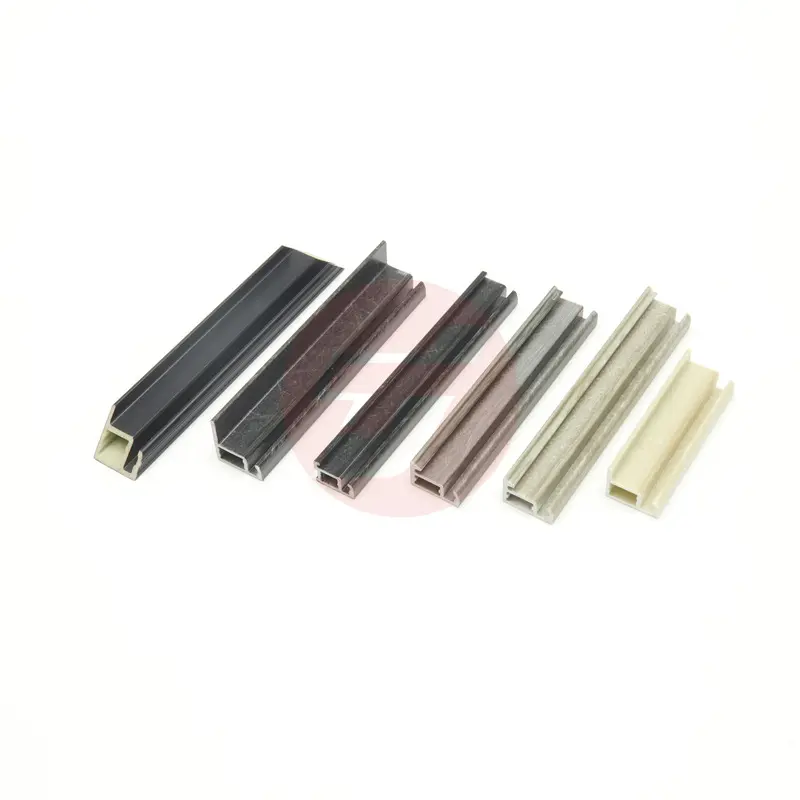
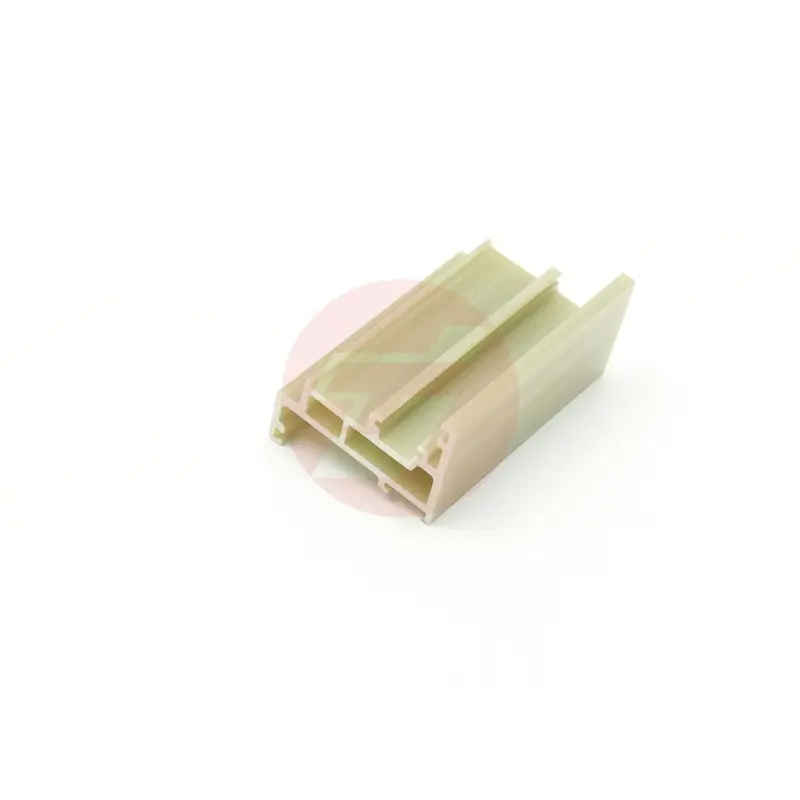
Mass Production Polyurethane Molds: Superior Manufacturing Solutions for High-Volume Production

All Categories

Get a Free Quote

A professional manufacturer of composite material molds.
Email
WhatsApp
Name
Company Name
Message
0/1000
Attachment
Please upload at least an attachment
Up to 3 files,more 30mb,suppor jpg、jpeg、png、pdf、doc、docx、xls、xlsx、csv、txt

mass production polyurethane molds

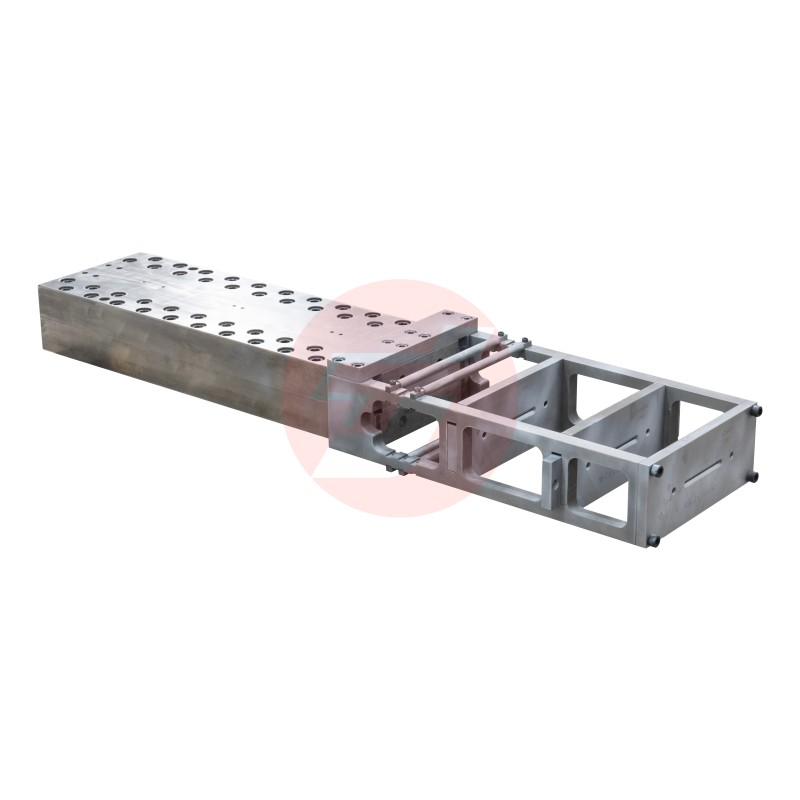
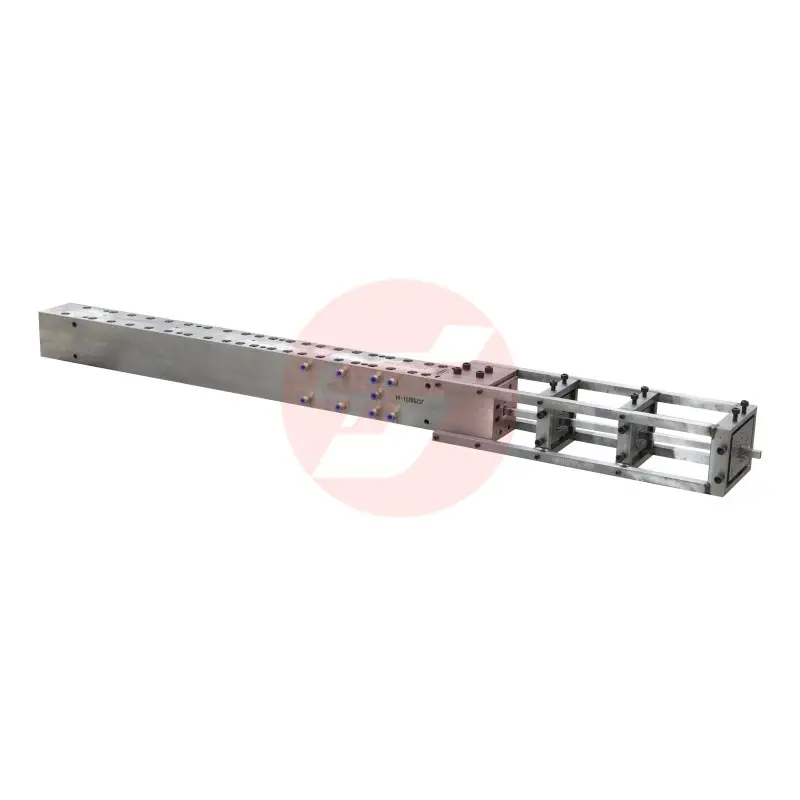
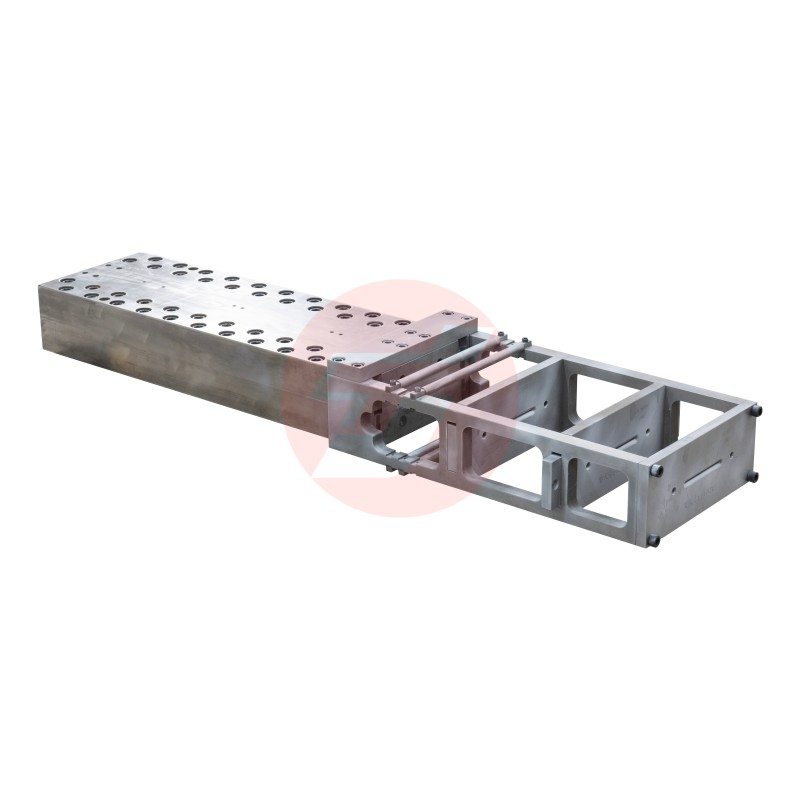
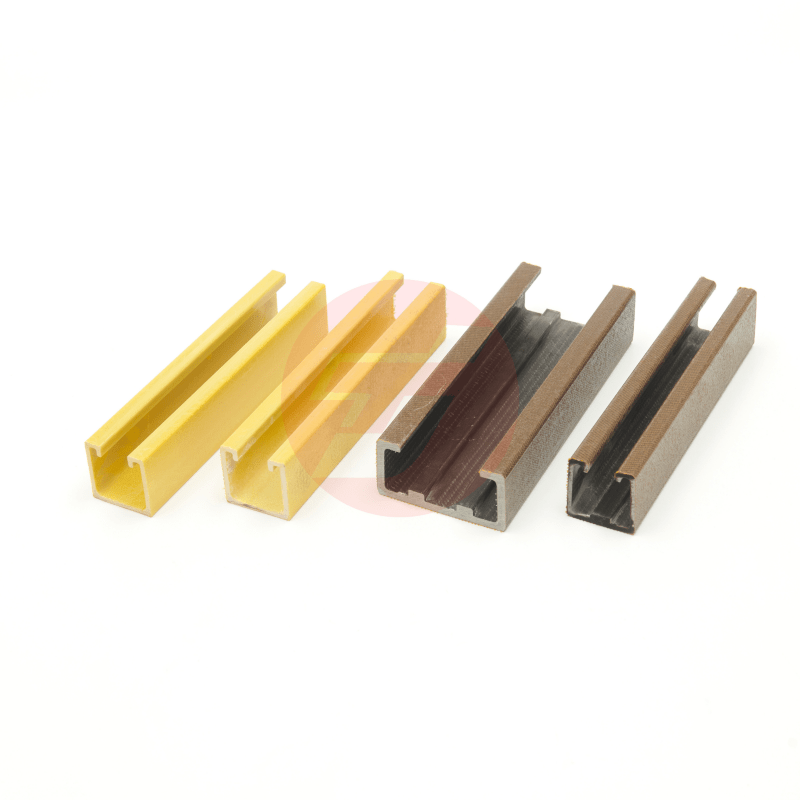
Mass production polyurethane molds represent a revolutionary advancement in manufacturing technology, designed specifically for high-volume production environments where consistency, durability, and cost-effectiveness are paramount. These specialized molds utilize polyurethane materials engineered to withstand the rigorous demands of mass manufacturing processes while maintaining exceptional dimensional accuracy and surface quality. The primary function of mass production polyurethane molds centers on creating identical parts repeatedly, making them indispensable for industries requiring thousands or millions of identical components. Technological features of mass production polyurethane molds include advanced polymer chemistry that provides superior tear resistance, excellent release properties, and remarkable flexibility that prevents cracking under repeated use. The material composition allows for precise temperature control during molding processes, ensuring optimal curing conditions and consistent part quality. These molds incorporate sophisticated design elements such as integrated cooling channels, pressure distribution systems, and modular construction that facilitates easy maintenance and component replacement. Applications span diverse industries including automotive manufacturing, consumer electronics, medical device production, and aerospace components. In automotive applications, mass production polyurethane molds create interior components, gaskets, and structural elements with consistent quality standards. Electronics manufacturers rely on these molds for producing housing components, cable management systems, and protective casings. Medical device companies utilize mass production polyurethane molds for creating surgical instruments, diagnostic equipment housings, and patient care products that must meet stringent regulatory requirements. The aerospace industry depends on these molds for manufacturing lightweight components, insulation materials, and precision parts that require exceptional reliability. The versatility of mass production polyurethane molds extends to packaging applications, where they produce protective foam inserts, cushioning materials, and custom-shaped containers that protect valuable products during transportation and storage.


Popular Products

Mass production polyurethane molds deliver exceptional cost savings through their extended operational lifespan, significantly reducing replacement frequency compared to traditional molding materials. These molds typically produce hundreds of thousands of parts before requiring replacement, dramatically lowering per-unit manufacturing costs and improving overall production economics. The superior durability of mass production polyurethane molds stems from their resistance to wear, chemical exposure, and temperature fluctuations, ensuring consistent performance throughout extended production runs. Speed advantages become apparent through faster cycle times, as polyurethane molds facilitate quicker demolding processes and reduced cooling periods, accelerating overall production throughput. Quality consistency represents another major benefit, with mass production polyurethane molds delivering uniform part dimensions, surface finishes, and structural integrity across entire production runs. This consistency eliminates costly rework, reduces quality control inspections, and minimizes material waste. Flexibility in design modifications allows manufacturers to adapt quickly to changing product requirements without completely replacing mold systems. Mass production polyurethane molds accommodate design variations through modular components and adjustable features, reducing tooling costs for product updates. Environmental benefits include reduced waste generation through extended mold life and recyclable polyurethane materials that support sustainable manufacturing practices. Energy efficiency improvements result from lower processing temperatures required for polyurethane molding, reducing energy consumption and operational costs. Maintenance simplicity translates to reduced downtime, as mass production polyurethane molds require minimal servicing and feature easily replaceable wear components. Storage advantages include space-efficient designs and stackable configurations that optimize facility utilization. Worker safety improvements result from reduced handling requirements and elimination of heavy metal tooling that poses injury risks. Temperature stability ensures consistent molding conditions regardless of environmental variations, maintaining product quality standards across different seasons and facility conditions. Chemical resistance properties prevent degradation from cleaning solvents, release agents, and processing additives, maintaining mold integrity throughout operational lifecycles.

Latest News

How Can Carbon Fiber Pultrusion Reduce Manufacturing Costs for B2B Buyers?

29

Dec

How Can Carbon Fiber Pultrusion Reduce Manufacturing Costs for B2B Buyers?

Manufacturing costs continue to challenge B2B buyers across industries, driving the need for innovative production methods that deliver superior performance while maintaining economic efficiency. Carbon fiber pultrusion has emerged as a transformativ...
View More
Why Are Photovoltaic Frame Pultrusion Molds Key to Panel Stability?

05

Jan

Why Are Photovoltaic Frame Pultrusion Molds Key to Panel Stability?

Solar panel manufacturing requires precision engineering at every stage, particularly when it comes to creating the structural frames that protect and support photovoltaic cells. The photovoltaic frame pultrusion mold represents a critical component ...
View More
How Do Carbon Fiber Pultruded Products Improve Structural Strength?

13

Feb

How Do Carbon Fiber Pultruded Products Improve Structural Strength?

Carbon fiber pultruded products represent a revolutionary advancement in structural engineering, offering exceptional strength-to-weight ratios that surpass traditional materials like steel and aluminum. These advanced composite materials are manufac...
View More
What Factors Determine the Lifespan of Carbon Fiber Pultruded Products?

13

Feb

What Factors Determine the Lifespan of Carbon Fiber Pultruded Products?

Carbon fiber pultrusion represents one of the most advanced manufacturing processes for creating high-performance composite materials with exceptional strength-to-weight ratios. This innovative technique produces continuous fiber-reinforced profiles ...
View More

Get a Free Quote

A professional manufacturer of composite material molds.
Email
WhatsApp
Name
Company Name
Message
0/1000
Attachment
Please upload at least an attachment
Up to 3 files,more 30mb,suppor jpg、jpeg、png、pdf、doc、docx、xls、xlsx、csv、txt

mass production polyurethane molds

Unmatched Durability and Longevity

Unmatched Durability and Longevity

The exceptional durability of mass production polyurethane molds represents their most compelling advantage, fundamentally transforming how manufacturers approach high-volume production strategies. Unlike conventional molding materials that deteriorate rapidly under continuous use, mass production polyurethane molds maintain structural integrity through hundreds of thousands of molding cycles. This remarkable longevity stems from advanced polyurethane formulations specifically engineered for industrial applications, incorporating molecular structures that resist mechanical stress, thermal cycling, and chemical degradation. The tear resistance properties of these molds exceed traditional alternatives by significant margins, preventing the formation of stress cracks that typically plague rigid molding systems. Temperature stability ensures that mass production polyurethane molds perform consistently across varying environmental conditions, from cold startup conditions to peak operating temperatures. This thermal resilience eliminates the costly thermal shock failures common in other molding materials. Chemical resistance protects against degradation from release agents, cleaning solvents, and reactive molding compounds, preserving mold surfaces and dimensional accuracy over extended periods. The flexibility inherent in polyurethane allows these molds to absorb mechanical stresses without permanent deformation, distributing forces evenly across mold surfaces and preventing localized wear patterns. Manufacturing facilities benefit tremendously from this durability through reduced replacement costs, minimized production interruptions, and consistent part quality throughout extended production campaigns. The economic impact becomes particularly significant in high-volume applications where mold replacement represents substantial capital expenditure and production downtime. Quality control benefits include maintained dimensional tolerances, consistent surface finishes, and reliable part release characteristics that remain stable throughout the mold's operational life. Maintenance requirements decrease substantially, as mass production polyurethane molds resist common failure modes and require only routine cleaning and inspection procedures.
Superior Production Efficiency and Speed

Superior Production Efficiency and Speed

Mass production polyurethane molds revolutionize manufacturing efficiency through optimized cycle times, enhanced part release characteristics, and streamlined production workflows that maximize throughput while maintaining quality standards. The inherent properties of polyurethane materials facilitate faster demolding processes, reducing cycle times by eliminating the extended cooling periods required by traditional molding systems. This acceleration stems from the thermal conductivity properties of engineered polyurethane compounds that promote uniform temperature distribution and controlled cooling rates. Release characteristics of mass production polyurethane molds surpass conventional alternatives through natural non-stick properties that minimize the need for release agents and eliminate sticking issues that cause production delays. The smooth surface finish achievable with polyurethane molds reduces part finishing requirements, eliminating secondary operations and accelerating overall production timelines. Automated production systems integrate seamlessly with mass production polyurethane molds through consistent dimensional stability and predictable performance characteristics that enable precise robotic handling and processing. Setup time reductions occur through the lightweight nature of polyurethane molds, facilitating quick changeovers between production runs and minimizing equipment downtime. Temperature control optimization becomes achievable through the thermal properties of polyurethane materials, allowing manufacturers to fine-tune processing conditions for maximum efficiency. Quality consistency throughout production runs eliminates the need for frequent quality checks and adjustments, maintaining steady production flow without interruptions. The flexibility of mass production polyurethane molds accommodates slight variations in processing conditions without affecting part quality, providing operators with wider processing windows and reduced sensitivity to environmental fluctuations. Energy efficiency improvements result from lower operating temperatures and reduced heating requirements, contributing to overall cost savings and environmental sustainability. Worker productivity increases through easier handling, reduced physical demands, and simplified maintenance procedures that allow production staff to focus on value-added activities rather than equipment management.
Exceptional Design Flexibility and Customization

Exceptional Design Flexibility and Customization

The remarkable design flexibility of mass production polyurethane molds empowers manufacturers to create complex geometries, intricate details, and customized solutions that would be impossible or prohibitively expensive with traditional molding technologies. This flexibility stems from the unique processing characteristics of polyurethane materials that can be cast, machined, and formed into virtually any shape or configuration required by specific applications. Complex undercuts, fine surface textures, and intricate internal channels become readily achievable through the moldability of polyurethane compounds that flow into detailed master patterns and cure to exact specifications. Customization capabilities extend to material properties, allowing engineers to formulate polyurethane compounds with specific hardness levels, chemical resistance characteristics, and thermal properties tailored to unique application requirements. Mass production polyurethane molds accommodate design modifications through modular construction approaches that enable component replacement and feature updates without complete mold reconstruction. This adaptability proves invaluable for manufacturers who must respond quickly to changing product specifications, market demands, or regulatory requirements. Prototype-to-production transitions become seamless with polyurethane molding technology, as design refinements can be incorporated efficiently without extensive tooling changes. Surface finish options range from high-gloss polished surfaces to textured patterns that eliminate the need for secondary finishing operations. The ability to incorporate functional features directly into mass production polyurethane molds, such as integrated cooling channels, ejection systems, and alignment guides, simplifies overall production setups and reduces auxiliary equipment requirements. Multi-cavity configurations become economically viable through the cost-effective nature of polyurethane tooling, enabling manufacturers to increase production capacity without proportional increases in tooling investment. Color integration possibilities allow for aesthetic customization and product differentiation directly within the molding process. Dimensional accuracy achievements surpass many traditional molding methods through the stability and consistency of properly formulated polyurethane systems. Design validation becomes more accessible through rapid prototyping capabilities that allow thorough testing before committing to full production tooling investments.

Get a Free Quote

A professional manufacturer of composite material molds.
Email
WhatsApp
Name
Company Name
Message
0/1000
Attachment
Please upload at least an attachment
Up to 3 files,more 30mb,suppor jpg、jpeg、png、pdf、doc、docx、xls、xlsx、csv、txt