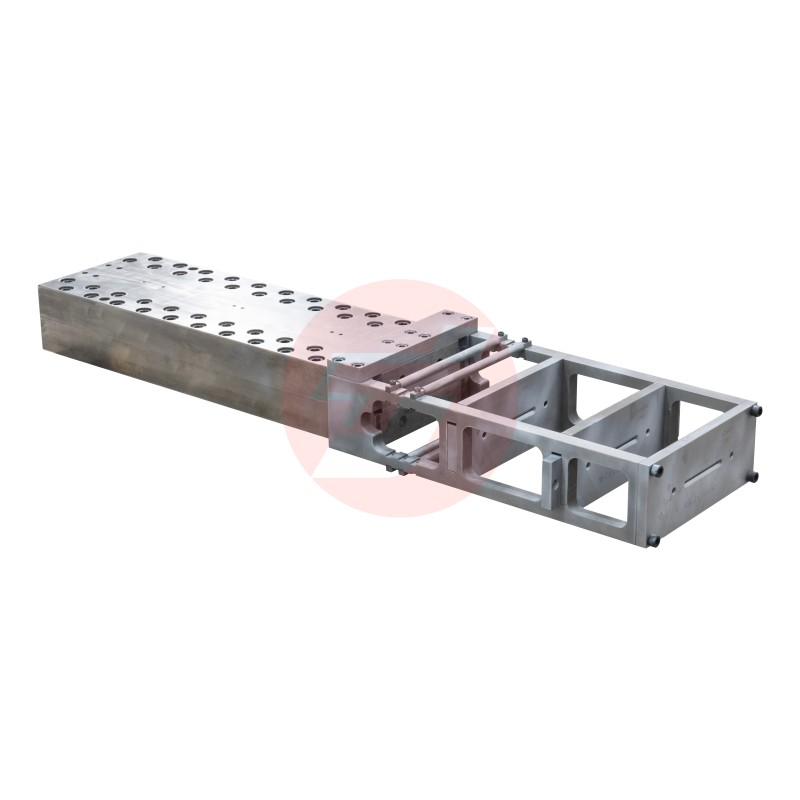
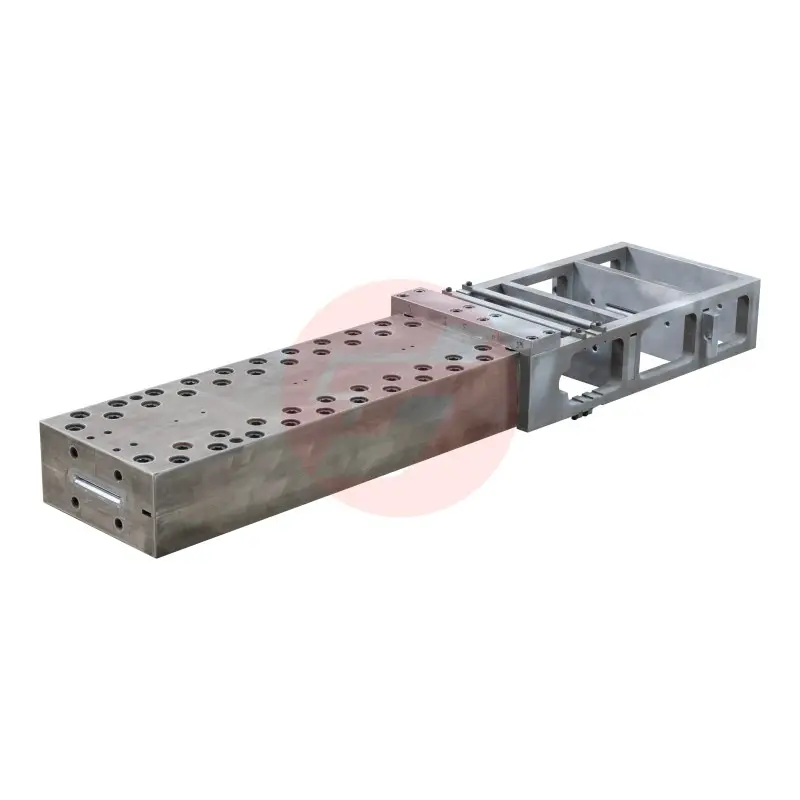
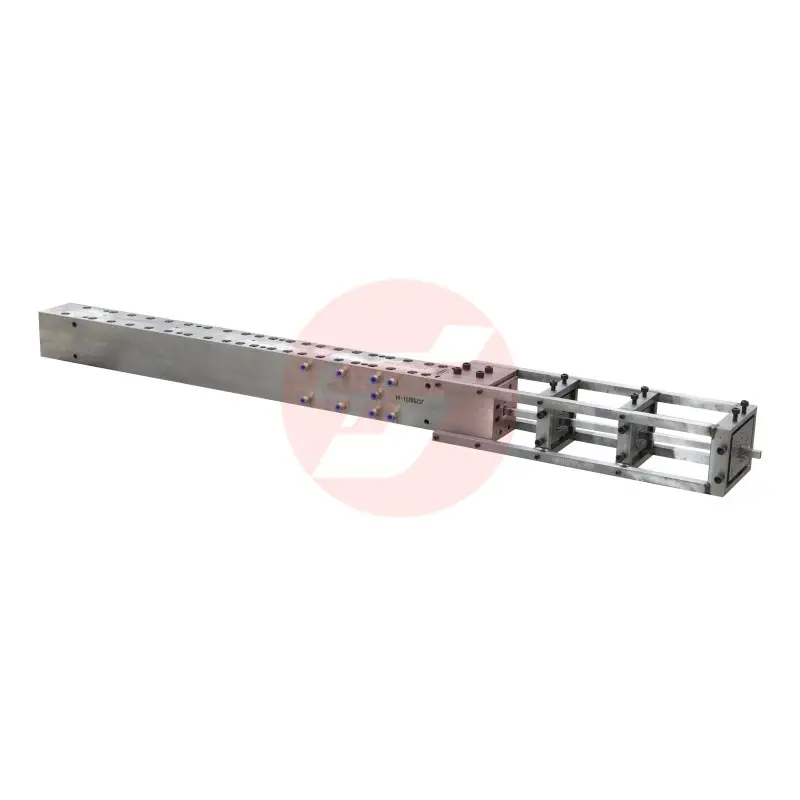
wind turbine spar cap mold
The wind turbine spar cap mold represents a critical manufacturing component in modern wind energy production, serving as the foundation for creating the structural backbone of wind turbine blades. This specialized tooling system is engineered to produce spar caps, which are essential load-bearing elements that provide the necessary strength and stability for wind turbine blades to withstand extreme operational conditions. The wind turbine spar cap mold incorporates advanced composite manufacturing techniques, utilizing precision-engineered surfaces and temperature control systems to ensure consistent, high-quality production of these vital components. The primary function of this mold centers on shaping carbon fiber and fiberglass reinforcements into the precise geometrical specifications required for optimal aerodynamic performance and structural integrity. Modern wind turbine spar cap molds feature sophisticated heating elements, vacuum systems, and pressure distribution networks that enable manufacturers to achieve superior consolidation of composite materials while minimizing void content and ensuring uniform resin distribution throughout the structure. The technological framework includes computer-controlled temperature profiles, automated resin transfer systems, and integrated quality monitoring sensors that continuously track the curing process to maintain consistent product specifications. These molds accommodate various blade sizes and configurations, from small residential turbines to massive offshore installations exceeding 100 meters in length. The application scope extends across multiple wind energy sectors, including onshore wind farms, offshore installations, and distributed generation systems. Manufacturing facilities worldwide rely on these specialized molds to produce thousands of spar caps annually, supporting the global transition toward renewable energy sources. The wind turbine spar cap mold design incorporates modular construction principles, allowing manufacturers to adapt production capabilities based on market demands and technological advancements in blade design.

 EN
EN