
 EN
EN
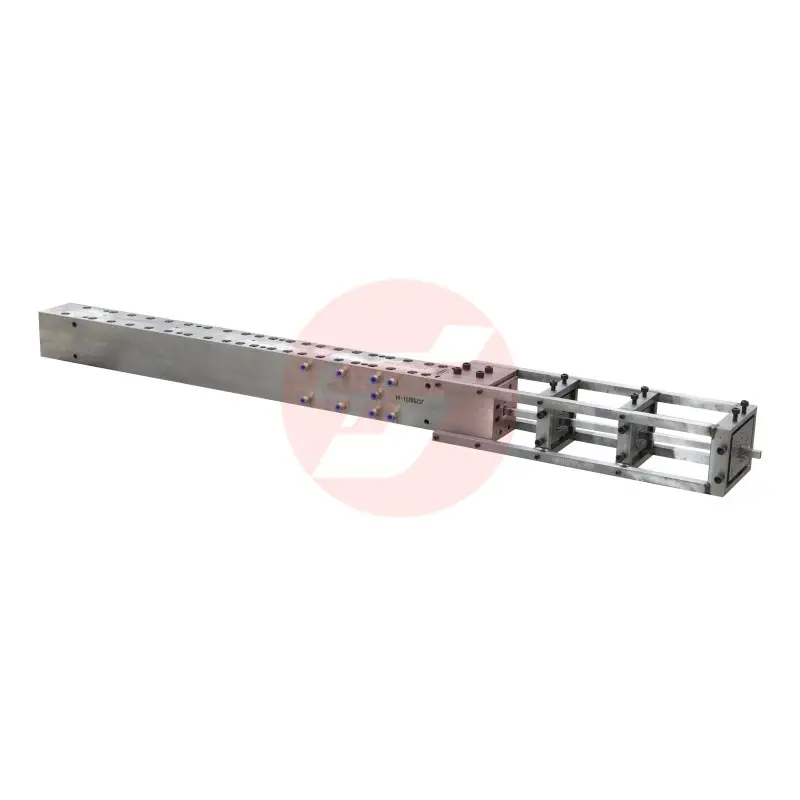
Solar panel manufacturing requires precision engineering at every stage, particularly when it comes to creating the structural frames that protect and support photovoltaic cells. The photovoltaic frame pultrusion mold represents a critical component in this manufacturing process, determining both the dimensional accuracy and long-term durability of solar panel frames. These specialized molds enable manufacturers to produce aluminum frames through continuous pultrusion processes, ensuring consistent cross-sectional profiles that meet stringent industry standards for mechanical strength and weather resistance.
The importance of frame stability in solar installations cannot be overstated, as these structures must withstand decades of exposure to harsh environmental conditions while maintaining precise alignment of photovoltaic cells. Modern solar farms and residential installations depend on frames that can resist wind loads, thermal expansion cycles, and moisture infiltration. The quality of the photovoltaic frame pultrusion mold directly influences these performance characteristics, making mold selection and design crucial decisions for manufacturers seeking to produce reliable solar panels that meet international certification requirements.
Understanding Pultrusion Technology in Solar Frame Manufacturing
Fundamental Principles of the Pultrusion Process
Pultrusion manufacturing involves drawing continuous reinforcement materials through a heated die to create profiles with consistent cross-sectional geometry. In solar frame production, this process typically utilizes aluminum alloys that are shaped through precision-engineered molds to achieve the complex geometries required for photovoltaic applications. The photovoltaic frame pultrusion mold serves as the shaping tool that defines corner radii, wall thicknesses, and internal reinforcement channels that contribute to overall structural integrity.
Temperature control within the mold cavity plays a crucial role in achieving proper material flow and dimensional stability. Advanced pultrusion systems incorporate multiple heating zones that allow manufacturers to optimize processing parameters for different aluminum alloys. The mold design must accommodate thermal expansion while maintaining tight tolerances on critical dimensions such as groove depths for glass retention and mounting hole alignments that ensure compatibility with standard installation hardware.
Material Considerations for Pultrusion Molds
High-performance tool steels are typically selected for photovoltaic frame pultrusion mold construction due to their ability to withstand repeated thermal cycling and mechanical stresses. Surface treatments such as nitriding or chrome plating enhance wear resistance and reduce friction during the continuous pulling process. The choice of mold material directly impacts production efficiency and the surface quality of finished frames, with premium materials enabling longer production runs between maintenance intervals.
Precision machining tolerances become critical when designing molds for solar frame applications, as even minor deviations can result in frames that fail to meet assembly requirements. Computer numerical control machining centers enable manufacturers to achieve the micron-level accuracy required for features such as gasket channels and corner connection interfaces. Regular inspection and maintenance of mold surfaces ensure consistent product quality throughout extended production campaigns.
Design Features That Enhance Panel Stability
Structural Geometry Optimization
The cross-sectional design of solar panel frames must balance multiple performance requirements including structural strength, material efficiency, and compatibility with standard glazing systems. A well-designed photovoltaic frame pultrusion mold incorporates features such as reinforcement ribs, drainage channels, and thermal break sections that enhance overall system performance. These geometric elements work together to distribute loads evenly across the panel perimeter while providing secure retention for glass modules and junction boxes.
Corner strength represents a critical design consideration for solar frames, as these locations experience concentrated stresses during wind loading and thermal cycling. Advanced mold designs incorporate features that facilitate strong mechanical connections between frame segments, including precision-formed corner brackets and integrated fastener channels. The ability to create these complex geometries consistently depends on the accuracy and durability of the pultrusion mold used in production.
Weather Resistance Through Design
Long-term exposure to outdoor conditions requires solar frames to resist corrosion, UV degradation, and moisture infiltration throughout their operational lifetime. The photovoltaic frame pultrusion mold must be capable of producing profiles with integrated sealing surfaces and drainage features that prevent water accumulation. Proper channel geometries ensure that gaskets maintain compression over time, preventing moisture ingress that could compromise panel performance or structural integrity.
Thermal expansion management becomes particularly important in large solar installations where frame assemblies may experience significant dimensional changes due to temperature variations. Mold designs that incorporate controlled expansion joints and flexible connection interfaces help accommodate these movements without compromising structural integrity. The precision achievable through quality pultrusion molds enables manufacturers to create frames that maintain proper alignment even under extreme thermal conditions.
Quality Control and Manufacturing Standards
Dimensional Accuracy Requirements
International certification standards for solar panels specify tight tolerances on frame dimensions to ensure compatibility with mounting systems and glass modules. The photovoltaic frame pultrusion mold must consistently produce profiles that meet these requirements across thousands of linear meters of production. Statistical process control methods help manufacturers monitor key dimensions and make adjustments before variations exceed acceptable limits.
Measurement systems for extruded profiles typically include laser scanning equipment that can detect dimensional variations in real-time during production. These systems provide feedback to operators who can adjust pulling speeds, temperatures, and other process parameters to maintain quality. The stability of mold dimensions under operating conditions directly influences the capability of these control systems to maintain consistent product quality.
Testing and Validation Protocols
Mechanical testing of solar frames includes static load tests, fatigue cycling, and environmental exposure simulations that verify long-term performance. Frames produced using high-quality pultrusion molds consistently demonstrate superior performance in these validation tests due to their dimensional accuracy and material integrity. The uniformity achievable through precision molding processes contributes to predictable mechanical properties that facilitate design optimization and certification compliance.
Field performance data from installed solar systems provides valuable feedback on frame design effectiveness and manufacturing quality. Panels assembled with frames produced using advanced photovoltaic frame pultrusion mold systems consistently demonstrate lower failure rates and better long-term stability. This performance advantage justifies the investment in high-quality tooling for manufacturers focused on premium market segments.
Economic Impact and Production Efficiency
Cost Considerations in Mold Selection
While premium pultrusion molds require higher initial investment compared to basic tooling options, their superior durability and dimensional stability typically result in lower total cost of ownership. Extended production runs between maintenance intervals reduce downtime costs and improve overall equipment effectiveness. The consistent quality achievable with high-performance molds also reduces scrap rates and rework requirements that can significantly impact manufacturing economics.
Energy efficiency in pultrusion operations depends partly on mold design features that promote smooth material flow and minimize processing temperatures. Well-designed photovoltaic frame pultrusion mold systems can reduce energy consumption per unit of production while maintaining quality standards. These efficiency improvements become increasingly important as manufacturers seek to reduce their carbon footprint and operating costs in competitive markets.
Scalability and Production Volume
High-volume solar frame production requires molds that can operate reliably at maximum line speeds without compromising quality. Advanced mold designs incorporate features such as optimized cooling channels and wear-resistant coatings that enable sustained high-speed operation. The ability to maintain consistent quality at high production rates directly impacts manufacturing profitability and market competitiveness.
Modular mold designs allow manufacturers to adapt their production capabilities to changing market demands without requiring complete tooling replacement. This flexibility becomes particularly valuable in dynamic markets where frame specifications may evolve to accommodate new panel technologies or installation requirements. Investment in adaptable pultrusion molds provides long-term production flexibility that supports business growth and market responsiveness.
Technological Advances in Mold Design
Computer-Aided Design and Simulation
Modern photovoltaic frame pultrusion mold development relies heavily on advanced computer modeling to optimize flow patterns, temperature distributions, and stress concentrations. Finite element analysis helps designers identify potential problem areas before physical mold construction begins, reducing development time and improving first-article success rates. These simulation capabilities enable the creation of more complex geometries that would be difficult to optimize through traditional trial-and-error approaches.
Computational fluid dynamics modeling helps engineers understand how molten aluminum flows through mold cavities and identifies opportunities to improve material distribution and surface quality. The insights gained from these analyses directly influence mold design decisions that impact both product quality and production efficiency. Virtual prototyping reduces the need for expensive physical modifications during the development process.
Smart Manufacturing Integration
Industry 4.0 technologies are beginning to transform pultrusion operations through the integration of sensors, data analytics, and automated control systems. Smart molds equipped with embedded temperature and pressure sensors provide real-time feedback on operating conditions that help optimize process parameters. This data-driven approach to manufacturing enables continuous improvement in both product quality and production efficiency.
Predictive maintenance programs use sensor data from pultrusion molds to identify wear patterns and schedule maintenance activities before quality problems occur. These proactive approaches minimize unplanned downtime and ensure consistent product quality throughout extended production campaigns. The integration of smart technologies with traditional pultrusion processes represents a significant opportunity for manufacturers to improve their competitive position.
FAQ
How long does a photovoltaic frame pultrusion mold typically last?
A high-quality photovoltaic frame pultrusion mold can typically produce several million linear meters of aluminum framing before requiring major refurbishment. The actual service life depends on factors such as operating temperatures, material types processed, and maintenance practices. Premium molds with advanced coatings and superior materials often achieve 20-30% longer service life compared to standard tooling options.
What are the key factors to consider when selecting a pultrusion mold supplier?
Critical selection factors include the supplier's experience with solar industry requirements, precision machining capabilities, material expertise, and after-sales support services. Manufacturers should evaluate the supplier's quality systems, delivery performance, and technical support capabilities. References from existing customers in the photovoltaic industry provide valuable insights into supplier performance and reliability.
Can existing pultrusion molds be modified for new frame designs?
Modification feasibility depends on the extent of design changes required and the construction of the existing mold. Minor dimensional adjustments may be possible through remachining, while major geometry changes typically require new tooling. A thorough engineering evaluation by experienced mold designers can determine the most cost-effective approach for implementing design changes.
How do pultrusion molds contribute to solar panel certification compliance?
Precision molds ensure consistent frame dimensions and material properties that are essential for meeting international certification standards such as IEC 61215 and UL 1703. The dimensional accuracy and surface quality achievable with quality molds directly impact mechanical test results and long-term performance validation. Consistent manufacturing processes supported by reliable tooling simplify the certification process and reduce testing costs.