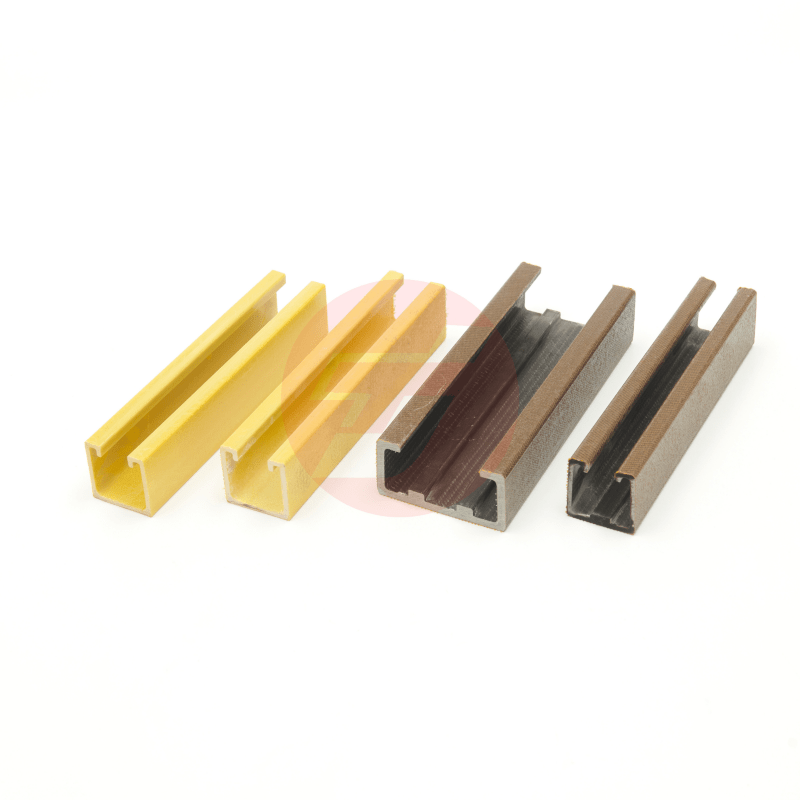
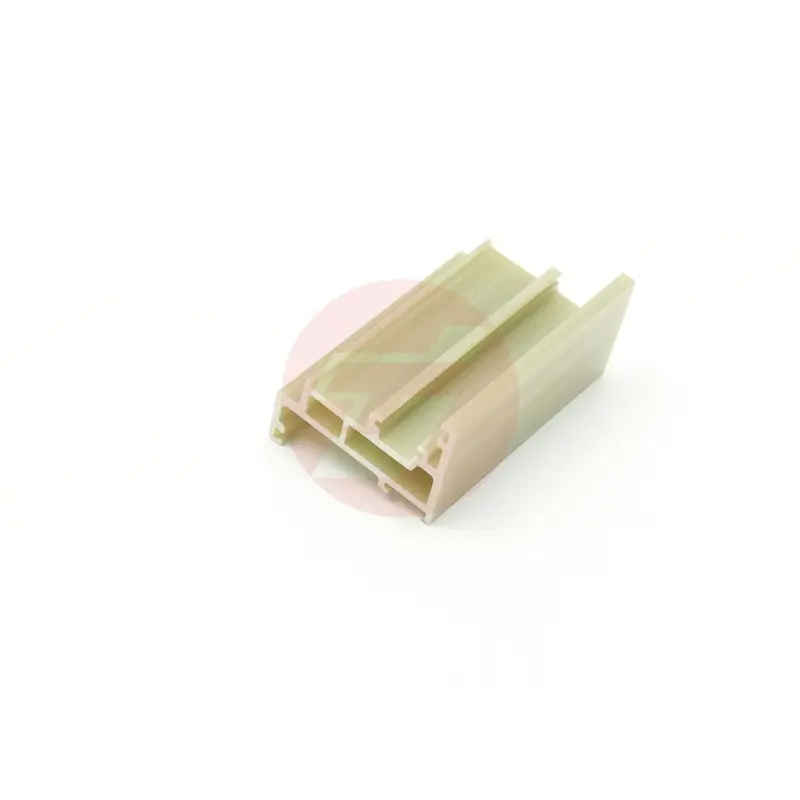
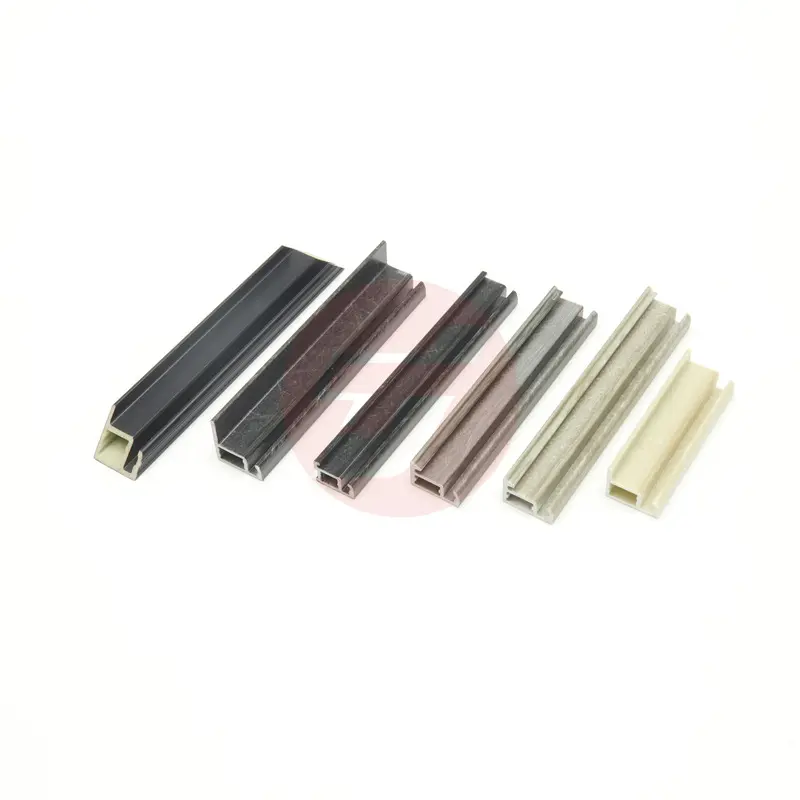
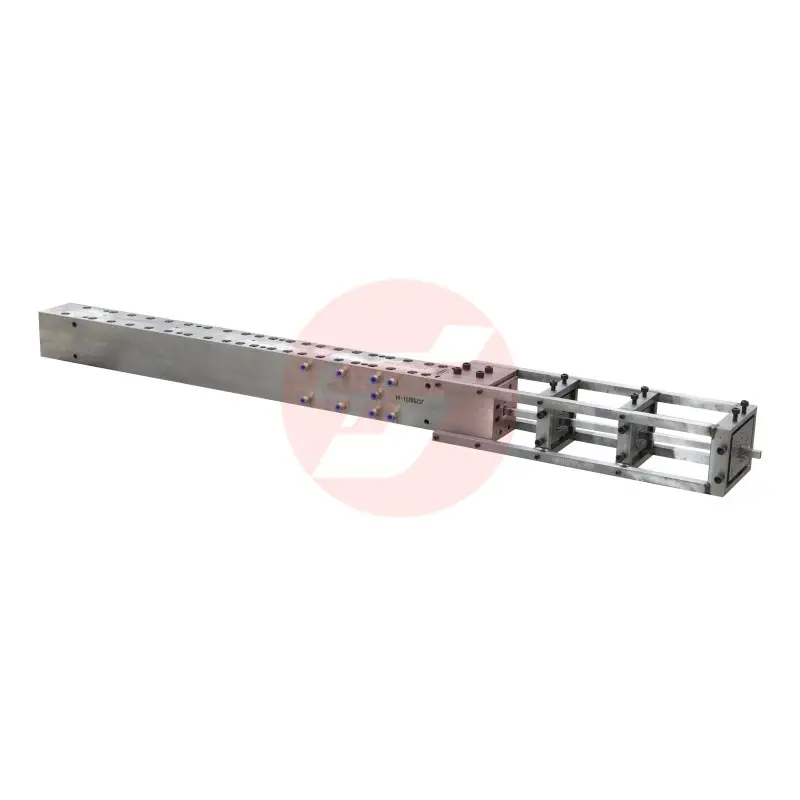
electrical compression molds
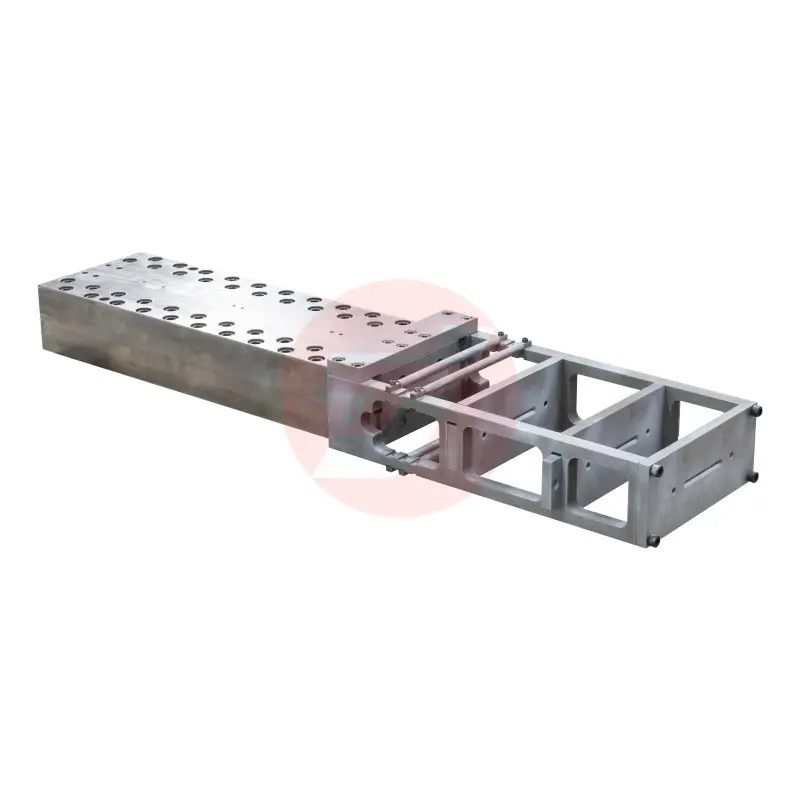
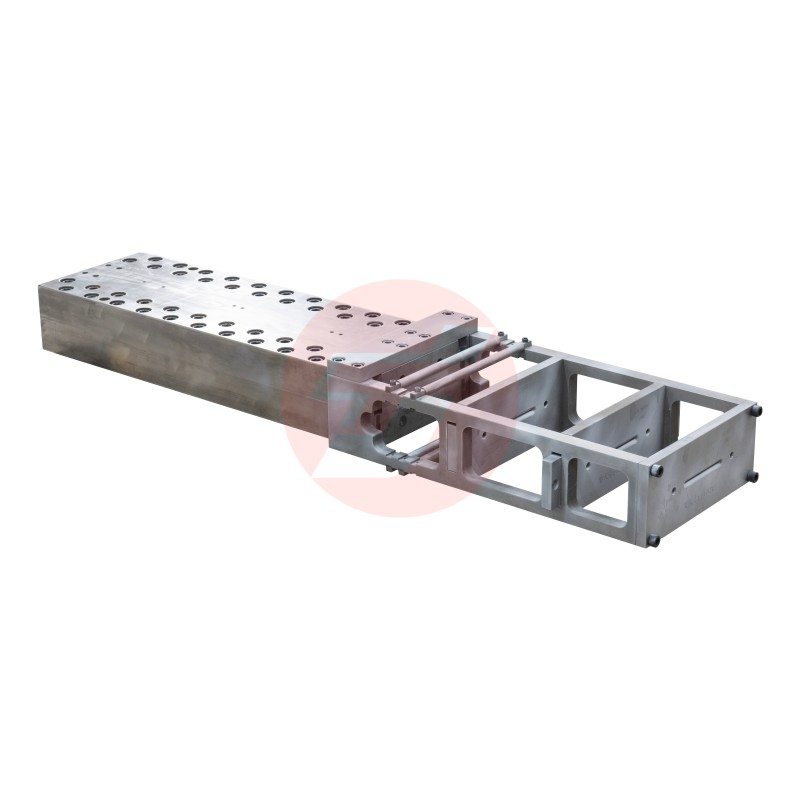
Electrical compression molds represent a revolutionary advancement in modern manufacturing technology, combining precision engineering with automated electrical control systems to deliver superior molding capabilities. These sophisticated machines utilize electrical heating elements and automated compression mechanisms to shape materials with exceptional accuracy and consistency. The electrical compression molds integrate advanced temperature control systems, pressure monitoring capabilities, and programmable logic controllers to ensure optimal manufacturing conditions throughout the production process. The main functions of electrical compression molds encompass material heating, precise pressure application, temperature regulation, and automated cycle control. These systems excel at processing thermoplastic materials, rubber compounds, and composite materials by applying controlled heat and pressure within predetermined parameters. The technological features include digital temperature controllers with PID regulation, servo-driven compression systems, real-time pressure feedback mechanisms, and user-friendly human-machine interfaces. Advanced electrical compression molds incorporate energy-efficient heating elements, rapid cooling systems, and intelligent safety protocols to maximize productivity while maintaining operator safety. The applications span across automotive component manufacturing, aerospace part production, electrical insulator fabrication, consumer goods molding, and specialized industrial component creation. Industries utilizing electrical compression molds benefit from reduced cycle times, improved part quality, enhanced material utilization, and consistent production outputs. These machines accommodate various mold configurations, from simple single-cavity designs to complex multi-cavity arrangements, enabling manufacturers to scale production according to market demands. The electrical control systems provide precise timing control, ensuring optimal curing cycles and material transformation processes that result in superior finished products with minimal waste generation.

 EN
EN