Professional Engineering Mold Fabrication Services - Precision Tooling Solutions for Manufacturing Excellence

All Categories

Get a Free Quote

A professional manufacturer of composite material molds.
Email
WhatsApp
Name
Company Name
Message
0/1000
Attachment
Please upload at least an attachment
Up to 3 files,more 30mb,suppor jpg、jpeg、png、pdf、doc、docx、xls、xlsx、csv、txt

engineering mold fabrication

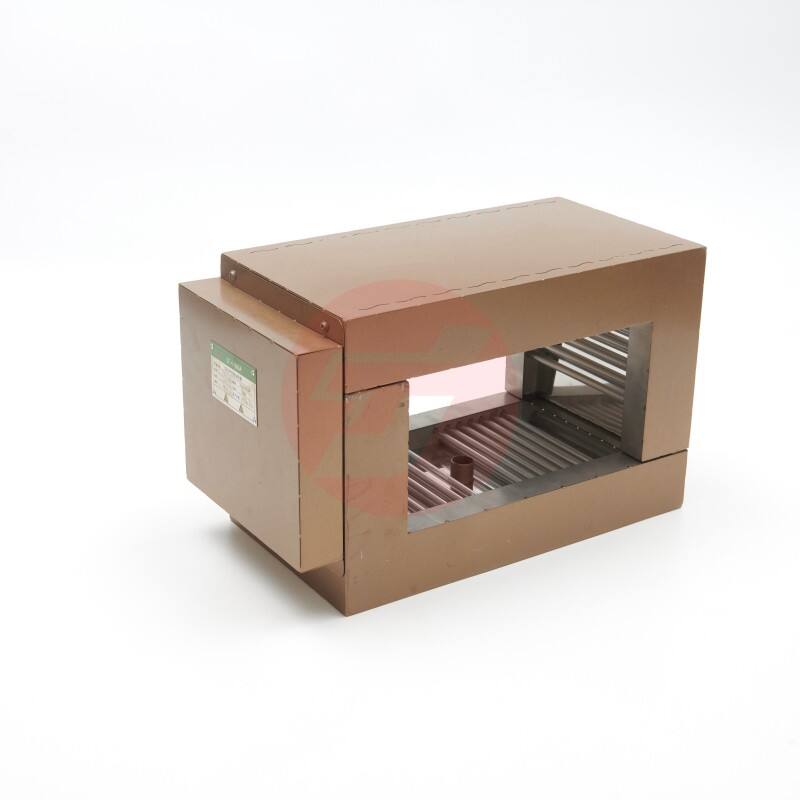
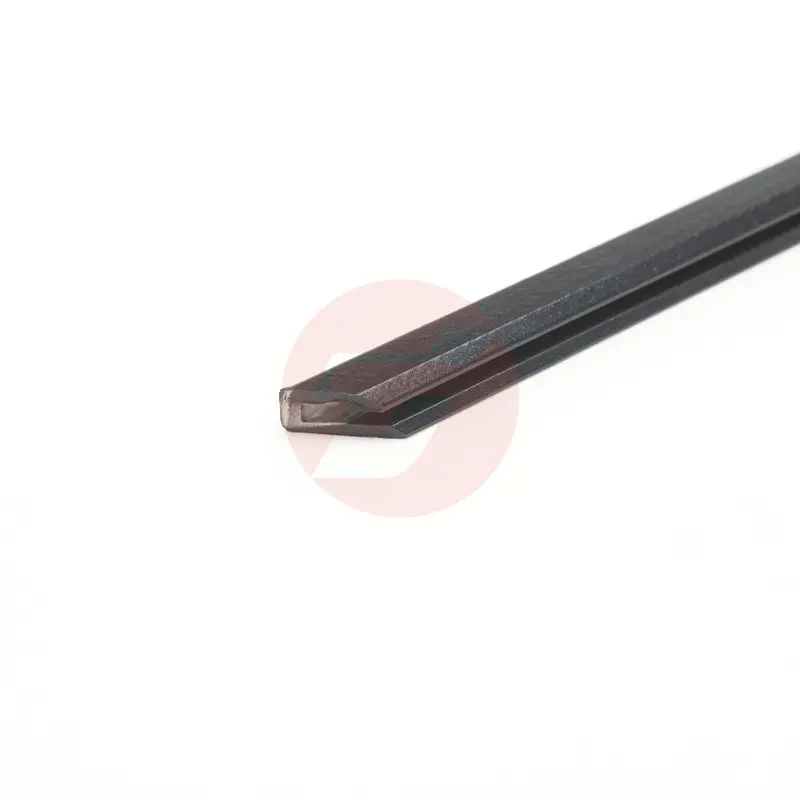
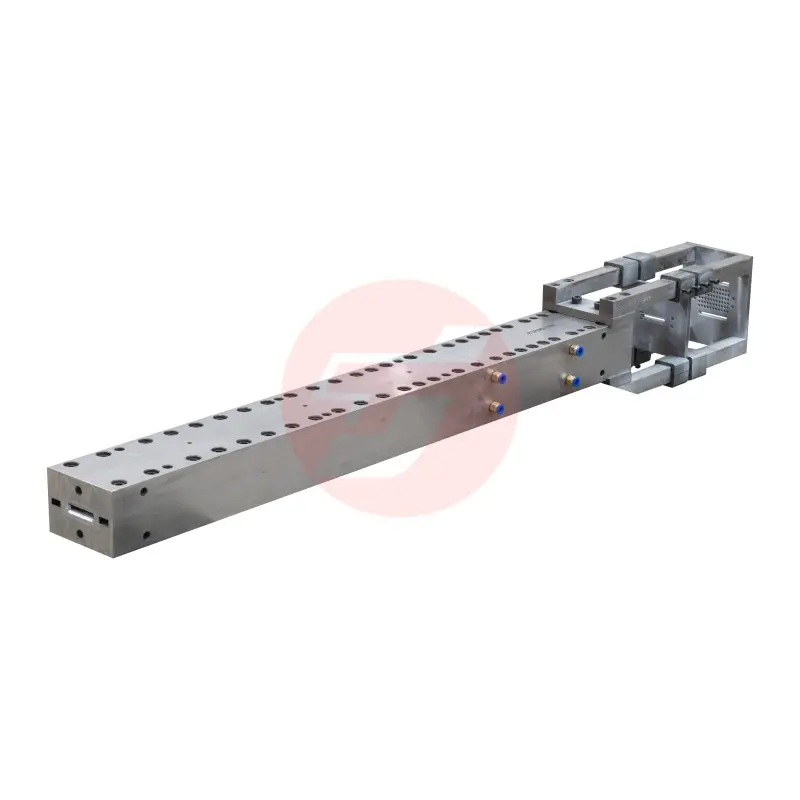
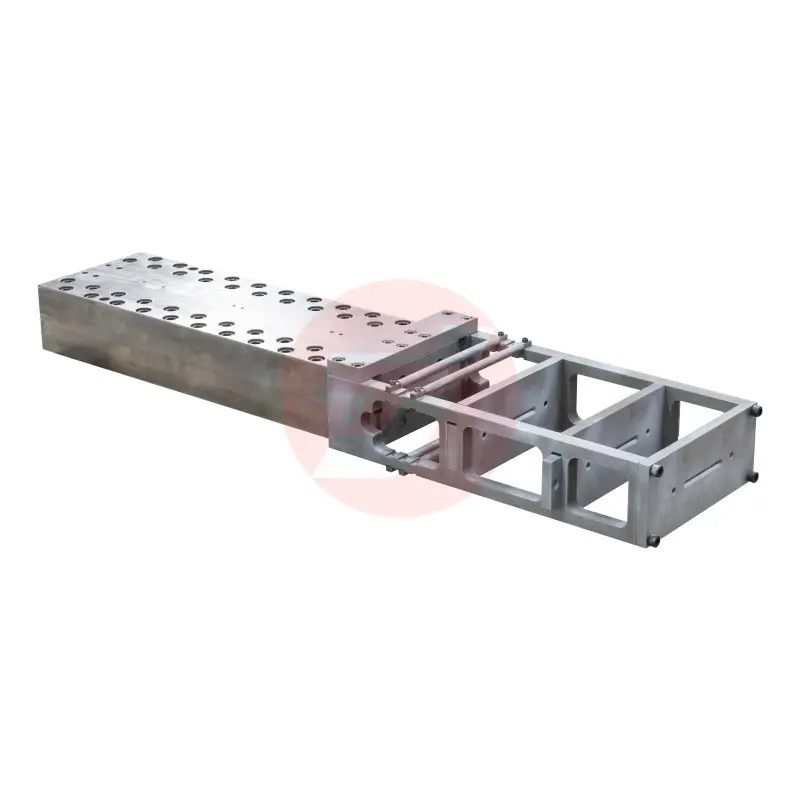
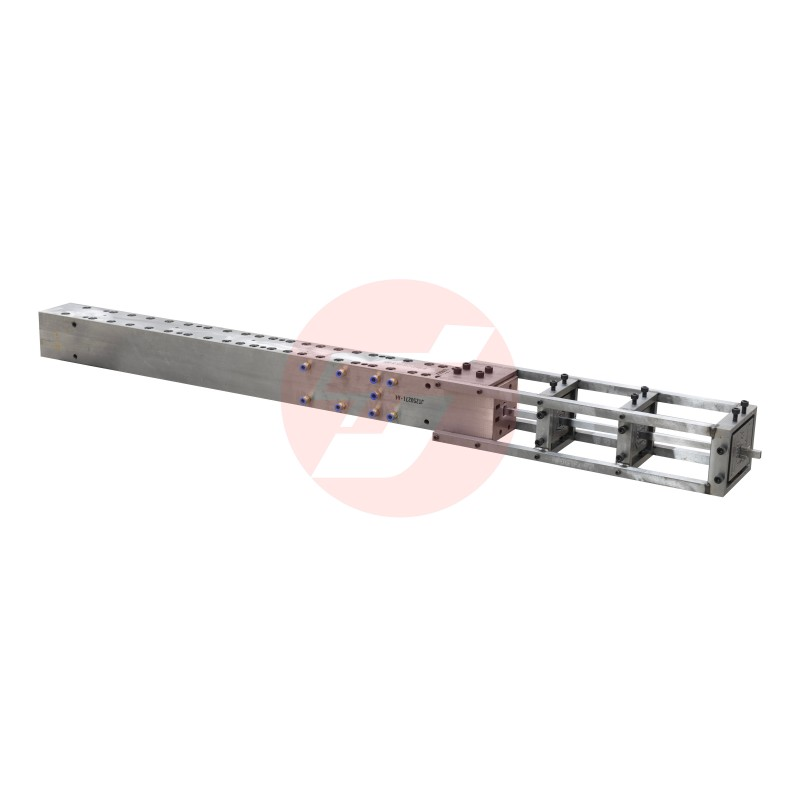
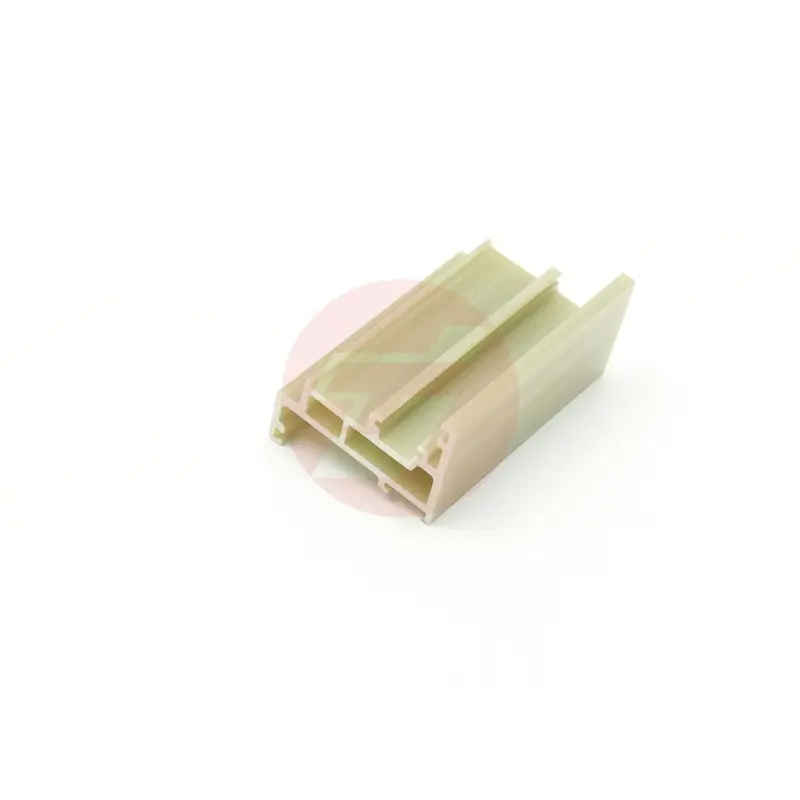
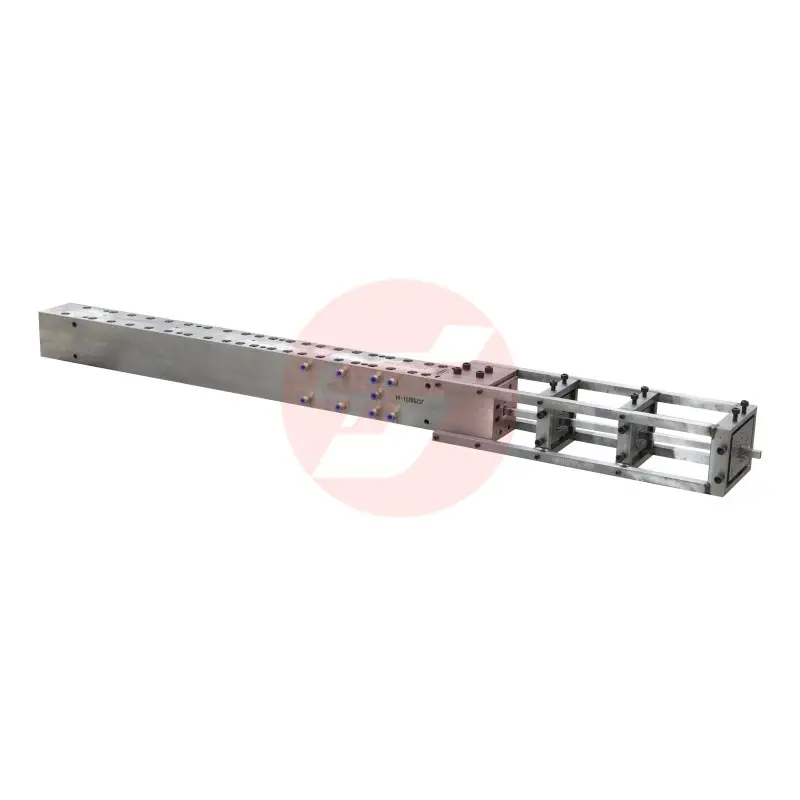
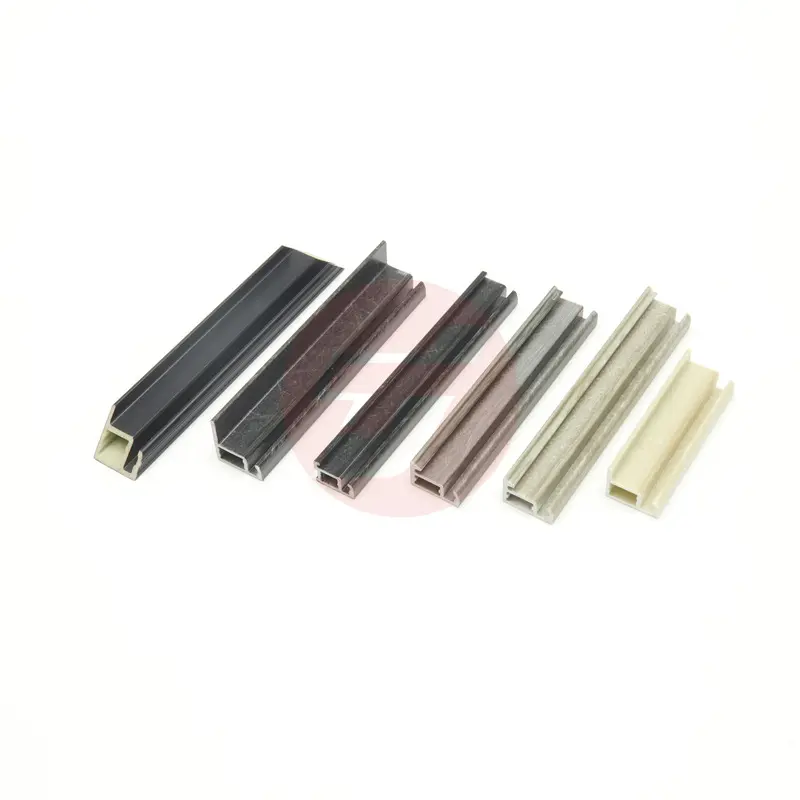
Engineering mold fabrication represents a cornerstone of modern manufacturing, encompassing the specialized design, construction, and production of precision tooling systems used across diverse industrial sectors. This sophisticated process involves creating custom molds that serve as templates for producing components with exact specifications, dimensional accuracy, and consistent quality. The engineering mold fabrication process begins with comprehensive design analysis, where engineers evaluate product requirements, material properties, and production volumes to determine optimal mold configurations. Advanced computer-aided design software enables precise modeling and simulation, ensuring molds meet stringent performance criteria before physical construction begins. The main functions of engineering mold fabrication extend beyond simple shape formation, incorporating complex features such as cooling channels, ejection systems, and multi-cavity configurations that maximize production efficiency. These molds serve as critical infrastructure for injection molding, compression molding, transfer molding, and blow molding operations, enabling manufacturers to produce everything from automotive components to consumer electronics housings. Technological features distinguish modern engineering mold fabrication from traditional approaches, including precision CNC machining, electrical discharge machining, and advanced surface treatments that enhance durability and performance. Material selection plays a crucial role, with tool steels, aluminum alloys, and specialized coatings chosen based on specific application requirements and expected production volumes. Applications span numerous industries, from aerospace and automotive to medical devices and consumer goods, where engineering mold fabrication enables mass production of complex geometries with tight tolerances. Quality control measures throughout the fabrication process ensure dimensional accuracy, surface finish requirements, and structural integrity, while continuous monitoring systems track performance metrics to optimize production outcomes. The integration of automation and robotics in engineering mold fabrication has revolutionized manufacturing capabilities, reducing cycle times and improving consistency while maintaining the highest quality standards demanded by modern industry.


Popular Products

Engineering mold fabrication delivers substantial cost savings through efficient mass production capabilities, eliminating the need for individual part machining while maintaining superior quality standards. Companies utilizing professional engineering mold fabrication services experience significant reductions in per-unit manufacturing costs, particularly beneficial for high-volume production runs where economies of scale maximize profitability. The precision inherent in engineering mold fabrication ensures consistent dimensional accuracy across thousands or millions of produced parts, eliminating costly variations and reducing waste that typically occurs with alternative manufacturing methods. Time efficiency represents another compelling advantage, as engineering mold fabrication enables rapid production cycles once molds are completed, dramatically accelerating time-to-market for new products. This speed advantage becomes particularly valuable in competitive markets where quick product launches determine market share and revenue potential. Material optimization through engineering mold fabrication allows manufacturers to minimize raw material usage while maximizing structural integrity, contributing to both cost reduction and environmental sustainability goals. The versatility of engineering mold fabrication accommodates diverse materials including thermoplastics, thermosets, metals, and composite materials, providing manufacturers with flexible options to meet specific performance requirements. Quality consistency emerges as a critical benefit, with engineering mold fabrication producing parts that meet exact specifications repeatedly, reducing quality control costs and customer complaints. Customization capabilities enable manufacturers to create unique product features, complex geometries, and specialized surface textures that would be impossible or prohibitively expensive using other production methods. Scalability advantages allow companies to adjust production volumes efficiently, scaling from prototype quantities to full production runs without significant retooling investments. The durability of properly constructed molds ensures long-term production capability, often producing hundreds of thousands of parts before requiring maintenance or replacement. Risk mitigation through professional engineering mold fabrication reduces manufacturing uncertainties, providing predictable production outcomes and reliable delivery schedules. Innovation support enables manufacturers to explore new product designs and materials, pushing creative boundaries while maintaining commercial viability through cost-effective production methods.

Latest News

How to Evaluate the Quality of Glass Fiber Pultrusion Molds?

29

Dec

How to Evaluate the Quality of Glass Fiber Pultrusion Molds?

Manufacturing high-quality composite products requires precise tooling, and glass fiber pultrusion molds serve as the foundation for successful pultrusion processes. These specialized molds determine the dimensional accuracy, surface finish, and over...
View More
How Does Polyurethane Enhance Performance in Pultruded Components?

05

Jan

How Does Polyurethane Enhance Performance in Pultruded Components?

The construction and manufacturing industries are constantly seeking materials that deliver superior performance while maintaining cost-effectiveness. Polyurethane pultrusion has emerged as a revolutionary process that combines the excellent properti...
View More
Why Do Wind Turbine OEMs Prefer High-Accuracy Carbon Fiber Beam Molds?

05

Jan

Why Do Wind Turbine OEMs Prefer High-Accuracy Carbon Fiber Beam Molds?

The wind energy sector has experienced unprecedented growth as global demand for renewable energy solutions continues to surge. Original Equipment Manufacturers (OEMs) in the wind turbine industry face increasing pressure to deliver high-performance,...
View More
How to Maintain Carbon Fiber Pultrusion Molds for Long-Term Stability?

13

Feb

How to Maintain Carbon Fiber Pultrusion Molds for Long-Term Stability?

Carbon fiber pultrusion molds represent one of the most critical components in manufacturing high-performance composite materials for industries ranging from aerospace to renewable energy. These precision-engineered tools require meticulous maintenan...
View More

Get a Free Quote

A professional manufacturer of composite material molds.
Email
WhatsApp
Name
Company Name
Message
0/1000
Attachment
Please upload at least an attachment
Up to 3 files,more 30mb,suppor jpg、jpeg、png、pdf、doc、docx、xls、xlsx、csv、txt

engineering mold fabrication

Precision Engineering Excellence

Precision Engineering Excellence

Engineering mold fabrication achieves unparalleled precision through advanced manufacturing technologies and meticulous quality control processes that guarantee dimensional accuracy within micron tolerances. This precision excellence begins with sophisticated computer-aided design systems that model every aspect of mold geometry, incorporating complex features such as undercuts, threading, and intricate surface textures that would challenge conventional manufacturing approaches. Professional engineering mold fabrication facilities utilize state-of-the-art CNC machining centers equipped with multi-axis capabilities, enabling the creation of complex three-dimensional surfaces with mathematical precision that ensures perfect part replication. The integration of coordinate measuring machines throughout the fabrication process provides continuous verification of dimensional accuracy, identifying and correcting any deviations before they impact production quality. Surface finishing techniques employed in engineering mold fabrication include polishing, texturing, and specialized coatings that enhance both aesthetic appeal and functional performance of molded parts. Temperature control systems within molds ensure uniform heat distribution during production cycles, eliminating warpage and dimensional variations that could compromise part quality. Advanced materials used in engineering mold fabrication, including premium tool steels and wear-resistant alloys, maintain dimensional stability under extreme operating conditions while resisting wear and corrosion. Precision engineering extends to mold alignment systems, ensuring perfect part registration and eliminating flash or parting line defects that could affect product appearance or functionality. The implementation of scientific molding principles during engineering mold fabrication optimizes process parameters, creating robust production windows that maintain quality consistency regardless of environmental variations. Quality documentation systems track every aspect of the fabrication process, providing traceability and supporting continuous improvement initiatives that enhance precision over time. This commitment to precision engineering excellence enables manufacturers to meet increasingly stringent quality requirements while maintaining competitive production costs and delivery schedules.
Advanced Manufacturing Technology Integration

Advanced Manufacturing Technology Integration

Engineering mold fabrication leverages cutting-edge manufacturing technologies that revolutionize production capabilities and deliver superior performance compared to traditional tooling methods. The integration of five-axis CNC machining centers enables the creation of complex geometries in single setups, reducing handling operations and improving dimensional accuracy while accelerating fabrication timelines. Electrical discharge machining technology incorporated into engineering mold fabrication processes allows for the creation of intricate details, sharp corners, and deep cavities that would be impossible to achieve through conventional machining methods. Advanced CAD/CAM software systems optimize toolpath strategies, reducing machining time while improving surface finish quality and extending cutting tool life through intelligent programming algorithms. Additive manufacturing technologies complement traditional engineering mold fabrication methods, enabling rapid prototyping of mold components and the creation of conformal cooling channels that enhance thermal management and reduce cycle times. Automation systems integrated throughout engineering mold fabrication facilities improve consistency and reduce human error while enabling lights-out manufacturing operations that maximize productivity. Laser processing technologies provide precise surface texturing, marking, and modification capabilities that enhance mold functionality and part aesthetics. Advanced measurement systems including laser scanning and optical inspection provide real-time feedback during fabrication, ensuring quality standards are maintained throughout the production process. Materials science advancements have introduced specialized coatings and treatments that extend mold life, reduce maintenance requirements, and improve part release characteristics. Simulation software enables virtual testing of mold designs before physical construction, identifying potential issues and optimizing performance parameters to ensure successful production outcomes. Digital twin technology creates virtual representations of molds that enable predictive maintenance and process optimization throughout the production lifecycle. The integration of Internet of Things sensors throughout engineering mold fabrication operations provides real-time monitoring of temperature, pressure, and cycle parameters, enabling immediate adjustments to maintain optimal production conditions and prevent quality issues.
Comprehensive Solution Delivery

Comprehensive Solution Delivery

Engineering mold fabrication provides end-to-end manufacturing solutions that encompass design consultation, prototype development, production tooling, and ongoing support services, ensuring seamless project execution from concept to completion. This comprehensive approach begins with detailed design analysis where experienced engineers evaluate product requirements, material specifications, and production objectives to develop optimal tooling strategies that maximize efficiency and minimize costs. Project management expertise ensures engineering mold fabrication projects remain on schedule and within budget while maintaining the highest quality standards through systematic planning and resource allocation. Material selection guidance helps clients choose appropriate resins, additives, and reinforcements that optimize part performance while considering cost, availability, and processing requirements. Prototype development services enable validation of design concepts and processing parameters before committing to production tooling investments, reducing risk and ensuring successful outcomes. Technical support throughout the engineering mold fabrication process includes process optimization, troubleshooting assistance, and performance enhancement recommendations that maximize return on investment. Quality assurance programs provide comprehensive testing and validation services, ensuring molds meet specifications and deliver consistent performance throughout their operational life. Maintenance and refurbishment services extend mold life and maintain production capability, providing cost-effective alternatives to complete replacement while ensuring continued quality output. Training programs educate client personnel on proper mold handling, maintenance procedures, and troubleshooting techniques that minimize downtime and optimize production efficiency. Documentation packages include detailed operating procedures, maintenance schedules, and quality control specifications that ensure consistent performance regardless of operator experience level. Supply chain management services coordinate material procurement, component sourcing, and logistics coordination, simplifying project management and ensuring timely delivery of completed tooling. Continuous improvement initiatives analyze production data and performance metrics to identify optimization opportunities that reduce costs, improve quality, and enhance productivity over time. This comprehensive solution delivery approach positions engineering mold fabrication as a strategic manufacturing partner rather than simply a tooling supplier, creating long-term relationships that support business growth and success.

Get a Free Quote

A professional manufacturer of composite material molds.
Email
WhatsApp
Name
Company Name
Message
0/1000
Attachment
Please upload at least an attachment
Up to 3 files,more 30mb,suppor jpg、jpeg、png、pdf、doc、docx、xls、xlsx、csv、txt