Building Profile Mold Solutions: Precision Engineering for Architectural Components

All Categories

Get a Free Quote

A professional manufacturer of composite material molds.
Email
WhatsApp
Name
Company Name
Message
0/1000
Attachment
Please upload at least an attachment
Up to 3 files,more 30mb,suppor jpg、jpeg、png、pdf、doc、docx、xls、xlsx、csv、txt

building profile mold

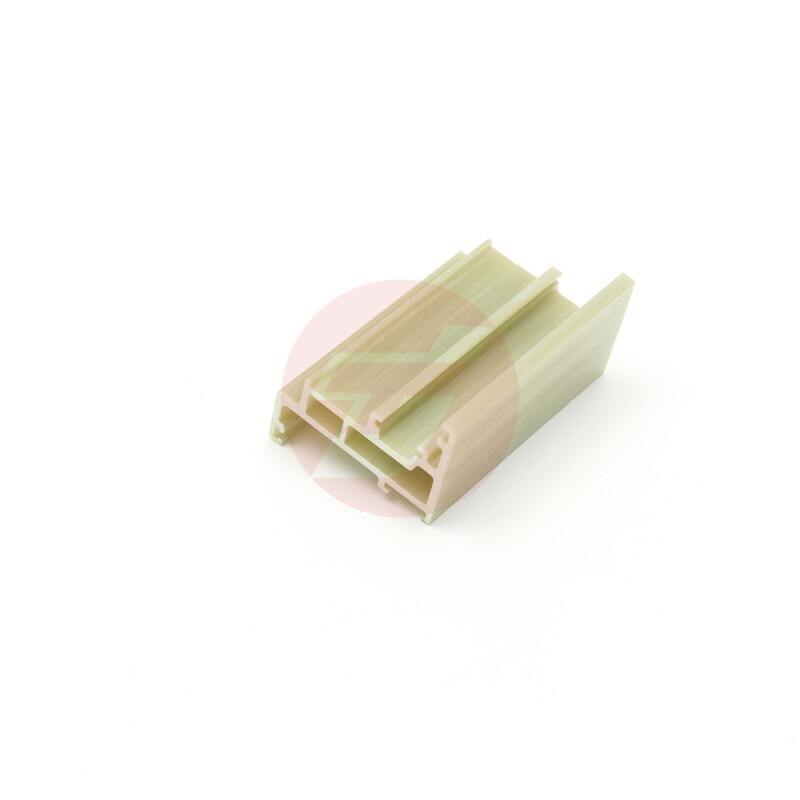
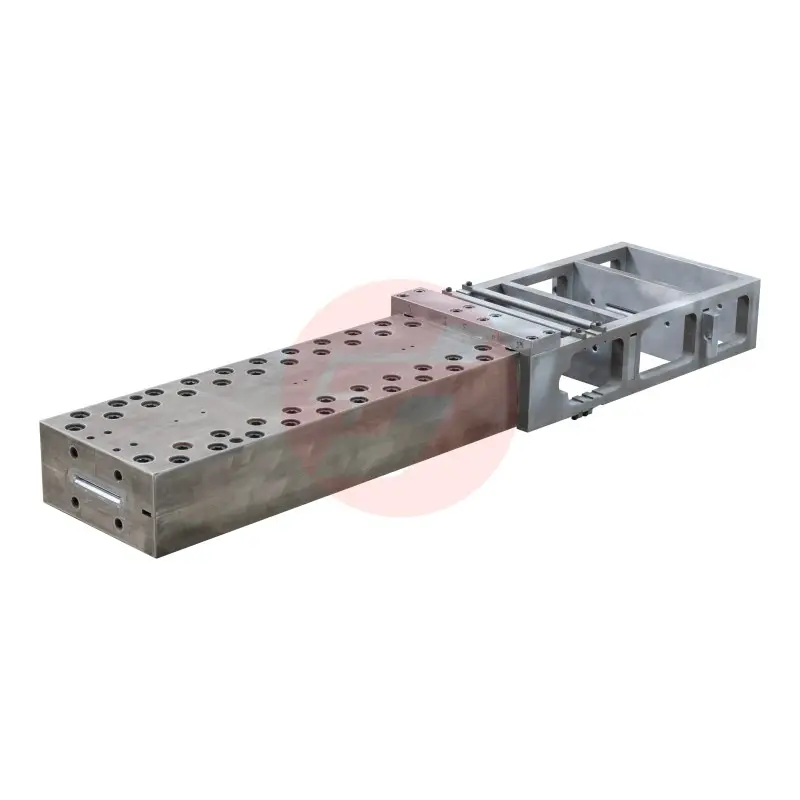
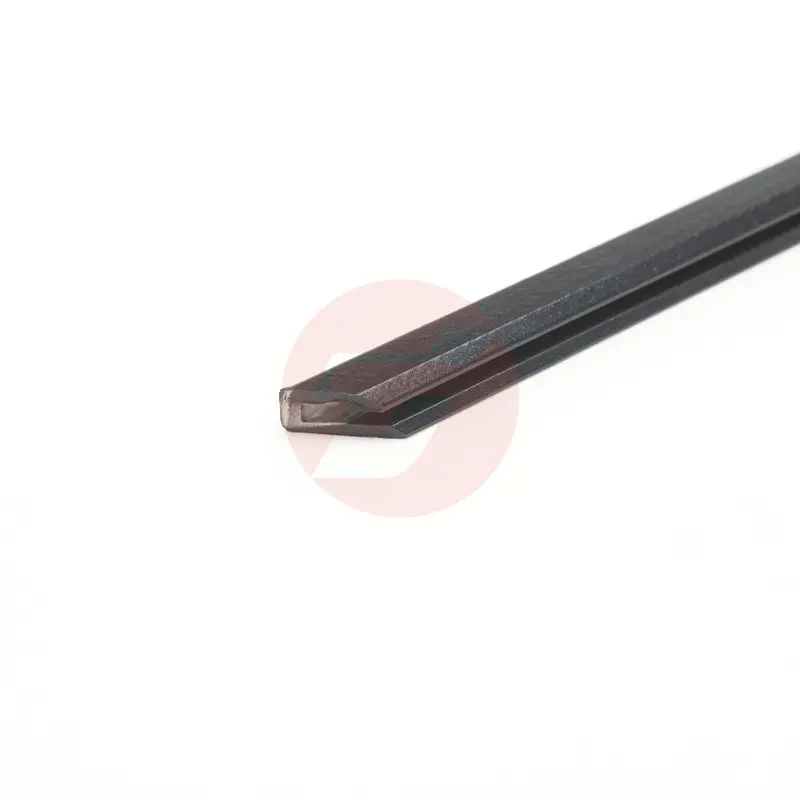
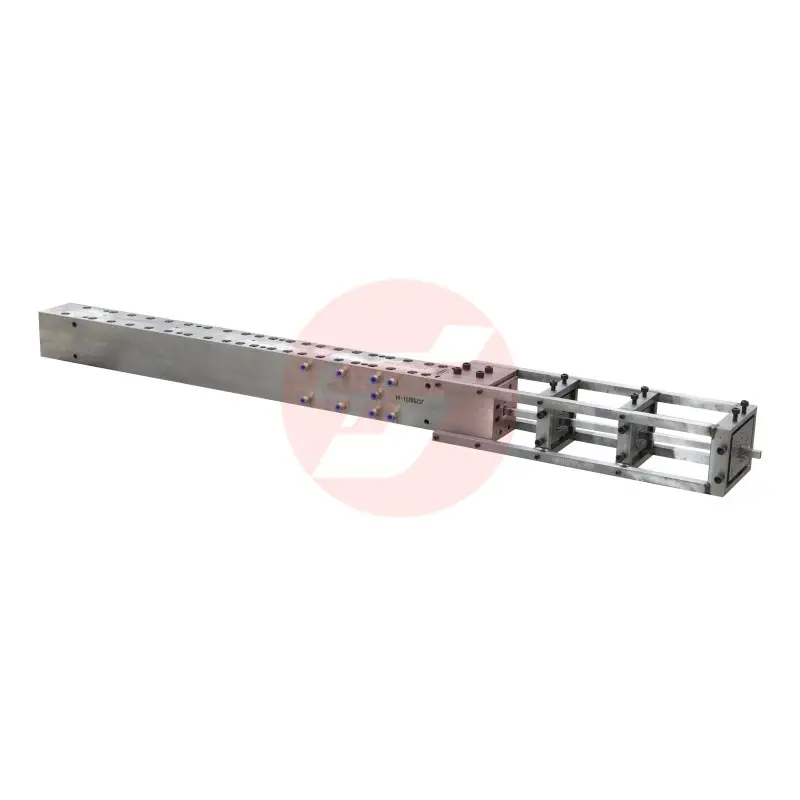
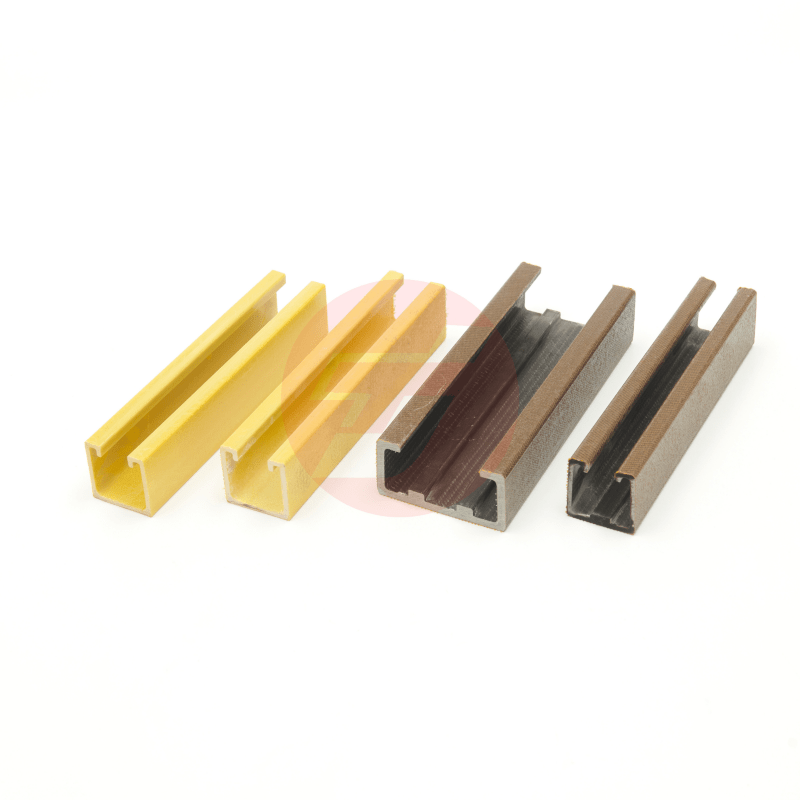
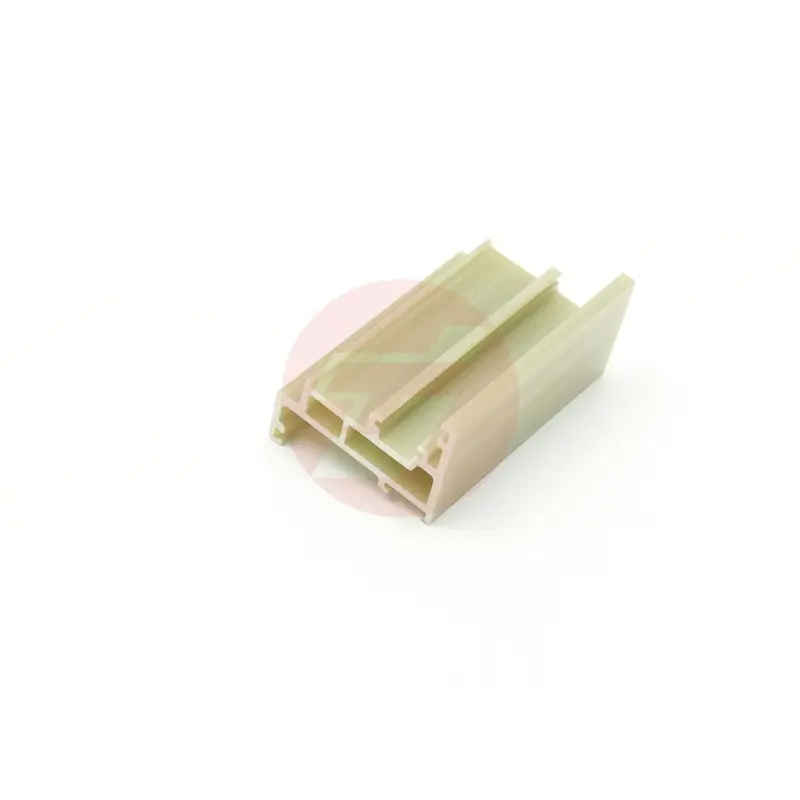
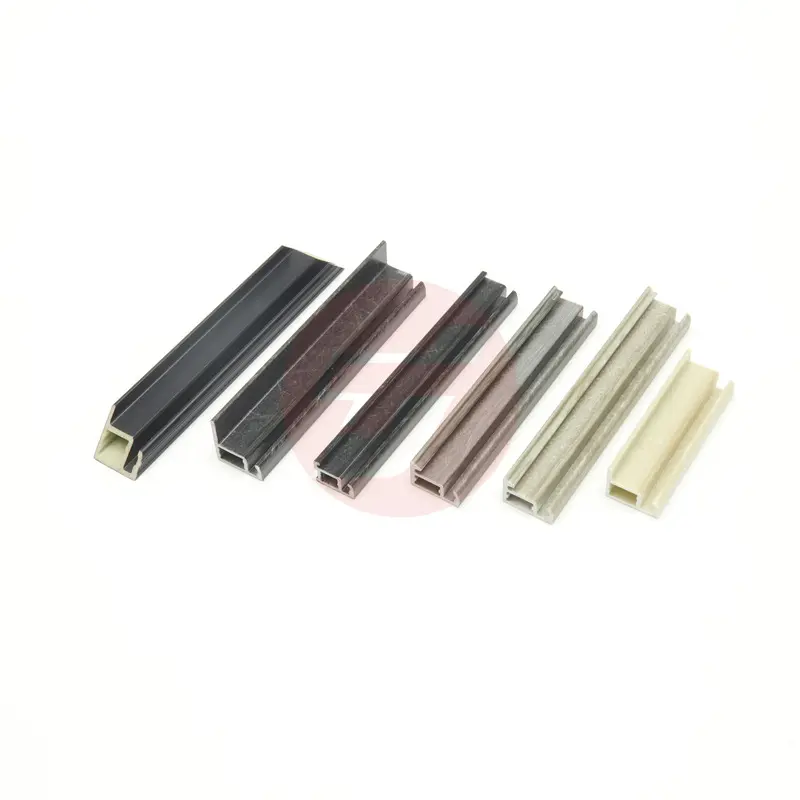
Building profile mold represents a cornerstone technology in modern construction and manufacturing industries, serving as specialized tooling equipment designed to create precise architectural profiles and structural components. This sophisticated molding system enables manufacturers to produce consistent, high-quality building elements including window frames, door frames, decorative trim, structural beams, and various architectural details with exceptional accuracy and efficiency. The building profile mold operates through advanced injection molding or extrusion processes, utilizing engineered materials such as PVC, aluminum, composite materials, and specialized polymers to create durable construction components. These molds feature intricate cavity designs that replicate exact specifications for building profiles, ensuring dimensional accuracy and surface finish quality that meets stringent construction standards. The technological foundation of building profile mold systems incorporates computer-aided design integration, precision machining capabilities, and temperature control mechanisms that optimize material flow and curing processes. Modern building profile mold configurations include multi-cavity designs that enable simultaneous production of multiple components, significantly enhancing manufacturing throughput while maintaining consistent quality standards. The versatility of these molding systems allows for customization according to specific architectural requirements, accommodating various profile geometries, sizes, and material specifications. Advanced building profile mold designs incorporate cooling channels, ejection systems, and automated handling mechanisms that streamline production workflows and minimize manual intervention. These molding solutions support sustainable construction practices by enabling efficient material utilization, reducing waste generation, and supporting recyclable material processing. The precision engineering inherent in building profile mold construction ensures long service life, reliable performance, and consistent output quality throughout extensive production runs, making them essential investments for construction component manufacturers and architectural fabrication facilities.


New Products

Building profile mold technology delivers substantial operational advantages that directly impact manufacturing efficiency, product quality, and overall business profitability for construction component producers. The primary advantage lies in achieving exceptional dimensional precision, where building profile mold systems consistently produce components within tight tolerances, eliminating costly rework and ensuring perfect fit during installation processes. This precision translates into reduced material waste, as manufacturers can optimize raw material usage while maintaining exact specifications required for architectural applications. The speed advantage of building profile mold operations significantly enhances production capacity, with modern systems capable of completing molding cycles in minutes rather than hours required by traditional manufacturing methods. This acceleration enables manufacturers to meet demanding project timelines while reducing labor costs associated with extended production periods. Quality consistency represents another critical advantage, as building profile mold systems eliminate human error variables that often compromise manual fabrication processes, ensuring every component meets identical standards regardless of production volume or operator variations. The versatility advantage allows manufacturers to adapt quickly to changing market demands by modifying building profile mold configurations to accommodate different profile designs, materials, or dimensions without requiring complete equipment replacement. Cost efficiency emerges through reduced labor requirements, minimized material waste, and extended equipment lifespan, where building profile mold systems typically operate reliably for years with minimal maintenance requirements. The scalability advantage enables businesses to expand production capacity by adding additional building profile mold units without proportional increases in facility space or workforce requirements. Surface finish quality achieved through building profile mold processes surpasses traditional methods, producing smooth, defect-free surfaces that often eliminate secondary finishing operations, further reducing production costs and time requirements. Environmental advantages include reduced energy consumption compared to alternative manufacturing methods, support for recyclable materials processing, and minimized waste generation throughout production cycles. The automation compatibility of building profile mold systems enables integration with robotic handling systems and computerized production management, reducing manual labor requirements while improving workplace safety and operational consistency for long-term business sustainability.

Latest News

How to Select Carbon Fiber Pultruded Profiles for Engineering Projects?

29

Dec

How to Select Carbon Fiber Pultruded Profiles for Engineering Projects?

Carbon fiber pultruded profiles represent one of the most advanced composite materials available for modern engineering applications. These lightweight yet incredibly strong structural components have revolutionized industries ranging from aerospace ...
View More
How to Evaluate the Quality of Glass Fiber Pultrusion Molds?

29

Dec

How to Evaluate the Quality of Glass Fiber Pultrusion Molds?

Manufacturing high-quality composite products requires precise tooling, and glass fiber pultrusion molds serve as the foundation for successful pultrusion processes. These specialized molds determine the dimensional accuracy, surface finish, and over...
View More
Why Are Photovoltaic Frame Pultrusion Molds Key to Panel Stability?

05

Jan

Why Are Photovoltaic Frame Pultrusion Molds Key to Panel Stability?

Solar panel manufacturing requires precision engineering at every stage, particularly when it comes to creating the structural frames that protect and support photovoltaic cells. The photovoltaic frame pultrusion mold represents a critical component ...
View More
What Factors Determine the Lifespan of Carbon Fiber Pultruded Products?

13

Feb

What Factors Determine the Lifespan of Carbon Fiber Pultruded Products?

Carbon fiber pultrusion represents one of the most advanced manufacturing processes for creating high-performance composite materials with exceptional strength-to-weight ratios. This innovative technique produces continuous fiber-reinforced profiles ...
View More

Get a Free Quote

A professional manufacturer of composite material molds.
Email
WhatsApp
Name
Company Name
Message
0/1000
Attachment
Please upload at least an attachment
Up to 3 files,more 30mb,suppor jpg、jpeg、png、pdf、doc、docx、xls、xlsx、csv、txt

building profile mold

Advanced Precision Engineering for Superior Component Quality

Advanced Precision Engineering for Superior Component Quality

Building profile mold systems incorporate cutting-edge precision engineering that revolutionizes the manufacturing of architectural components through meticulous attention to dimensional accuracy and surface quality standards. This advanced engineering approach begins with computer-aided design integration, where building profile mold cavities are precisely machined using state-of-the-art CNC equipment that achieves tolerances measured in thousandths of inches, ensuring perfect replication of architectural specifications. The precision engineering extends to temperature control systems within the building profile mold, featuring strategically placed heating and cooling channels that maintain optimal processing temperatures throughout the molding cycle, preventing material degradation while ensuring complete cavity filling and uniform curing. Advanced sensor technologies integrated into building profile mold systems continuously monitor pressure, temperature, and material flow parameters, providing real-time feedback that enables automatic adjustments to maintain consistent quality standards. The engineering excellence includes specialized ejection mechanisms designed to remove finished components without damage or distortion, utilizing graduated pressure application and synchronized movement patterns that protect delicate profile features during demolding processes. Material flow optimization represents another engineering achievement, where building profile mold designs incorporate scientifically calculated gate locations, runner systems, and venting arrangements that eliminate common defects such as air traps, weld lines, or incomplete filling. The precision engineering approach extends to mold alignment systems that ensure perfect registration between multiple mold sections, critical for complex profiles requiring intricate detail reproduction. Advanced wear-resistant coatings applied to building profile mold surfaces extend operational life while maintaining surface quality throughout extended production runs, reducing maintenance requirements and ensuring consistent component finish. This engineering sophistication enables building profile mold systems to achieve surface finishes that often eliminate secondary processing requirements, delivering components ready for immediate installation or requiring minimal finishing operations, significantly reducing overall production costs and time-to-market for architectural projects.
Exceptional Versatility and Customization Capabilities

Exceptional Versatility and Customization Capabilities

Building profile mold technology demonstrates remarkable versatility that enables manufacturers to adapt rapidly to diverse architectural requirements while maintaining consistent quality standards across varied component specifications and design complexities. This versatility begins with modular building profile mold designs that allow manufacturers to reconfigure cavity arrangements, accommodating different profile geometries without requiring complete mold replacement, significantly reducing capital investment requirements while expanding production capabilities. The customization potential of building profile mold systems extends to material compatibility, supporting diverse raw materials including rigid and flexible PVC, aluminum composites, wood-plastic composites, and specialty polymers, enabling manufacturers to respond to specific project requirements or market preferences without equipment limitations. Advanced building profile mold configurations support multi-component production, where single molding cycles can produce complex assemblies incorporating different materials or colors, eliminating assembly operations while ensuring perfect component integration and alignment. The design flexibility inherent in building profile mold systems accommodates architectural trends and regional preferences, enabling rapid prototype development and market testing of new profile designs without substantial investment in specialized tooling. Quick-change capabilities represent another versatility advantage, where building profile mold systems can transition between different product specifications within minutes using interchangeable cavity inserts or adjustable forming mechanisms, maximizing equipment utilization while minimizing production downtime. The scalability aspect of building profile mold versatility allows manufacturers to start with basic configurations and progressively add advanced features such as automated handling, quality monitoring systems, or additional cavity positions as business requirements evolve. Size adaptability enables building profile mold systems to accommodate profiles ranging from small decorative trim pieces to large structural components, providing comprehensive manufacturing solutions within single equipment investments. Color and finish versatility supports diverse aesthetic requirements, where building profile mold systems can process materials in unlimited colors, textures, or surface treatments, enabling manufacturers to offer comprehensive product catalogs without inventory complications. This exceptional versatility positions building profile mold technology as future-proof manufacturing solutions that adapt to evolving construction industry demands while maintaining operational efficiency and quality standards.
Enhanced Production Efficiency and Cost-Effectiveness

Enhanced Production Efficiency and Cost-Effectiveness

Building profile mold systems deliver unprecedented production efficiency gains that fundamentally transform manufacturing economics while reducing operational costs and improving overall business profitability for construction component producers. The efficiency advantages begin with rapid cycle times, where modern building profile mold systems complete complex molding operations in minutes, compared to hours required by traditional fabrication methods, enabling manufacturers to achieve production volumes that were previously impossible within existing facility constraints. Automation integration capabilities of building profile mold systems eliminate labor-intensive manual operations, reducing workforce requirements while improving production consistency and workplace safety through reduced operator exposure to hazardous processes or repetitive strain injuries. The multi-cavity design potential of building profile mold systems enables simultaneous production of multiple components, multiplying output capacity without proportional increases in energy consumption, floor space, or operator requirements, creating significant economies of scale for high-volume production scenarios. Material utilization efficiency represents another crucial advantage, where building profile mold systems optimize raw material consumption through precise cavity filling and minimal runner waste, often achieving material utilization rates exceeding ninety-five percent compared to traditional methods that generate substantial waste requiring disposal or recycling processing. Energy efficiency improvements inherent in building profile mold operations reduce utility costs through optimized heating and cooling cycles, insulation systems, and recovery mechanisms that capture and reuse waste heat, contributing to sustainable manufacturing practices while reducing operational expenses. Quality consistency achieved through building profile mold processes eliminates costly defect-related expenses including rework, material waste, customer complaints, and warranty claims, while improving customer satisfaction and business reputation for long-term market success. Setup time reduction capabilities enable building profile mold systems to transition between different products quickly, maximizing equipment utilization while accommodating diverse customer requirements without extended production delays or inventory accumulation. Maintenance efficiency advantages include simplified cleaning procedures, accessible component replacement, and predictive maintenance capabilities that minimize unplanned downtime while extending equipment lifespan through proper care and operation optimization strategies that protect manufacturing investments.

Get a Free Quote

A professional manufacturer of composite material molds.
Email
WhatsApp
Name
Company Name
Message
0/1000
Attachment
Please upload at least an attachment
Up to 3 files,more 30mb,suppor jpg、jpeg、png、pdf、doc、docx、xls、xlsx、csv、txt