Industrial Carbon Fiber Pultruded Molds: Advanced Manufacturing Solutions for Precision Composite Production

All Categories

Get a Free Quote

A professional manufacturer of composite material molds.
Email
WhatsApp
Name
Company Name
Message
0/1000
Attachment
Please upload at least an attachment
Up to 3 files,more 30mb,suppor jpg、jpeg、png、pdf、doc、docx、xls、xlsx、csv、txt

carbon fiber pultruded molds for industrial use

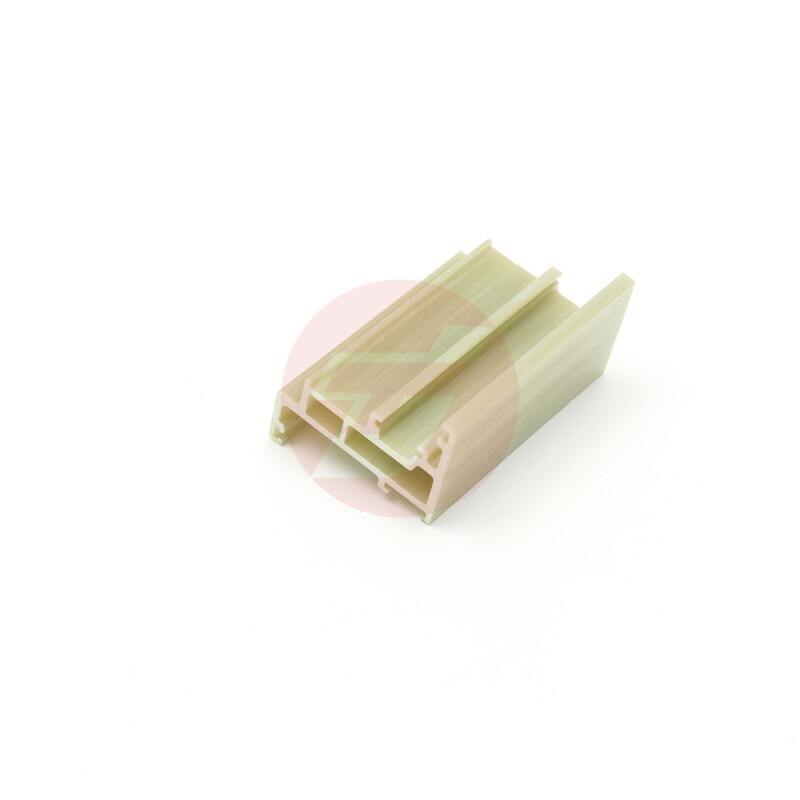
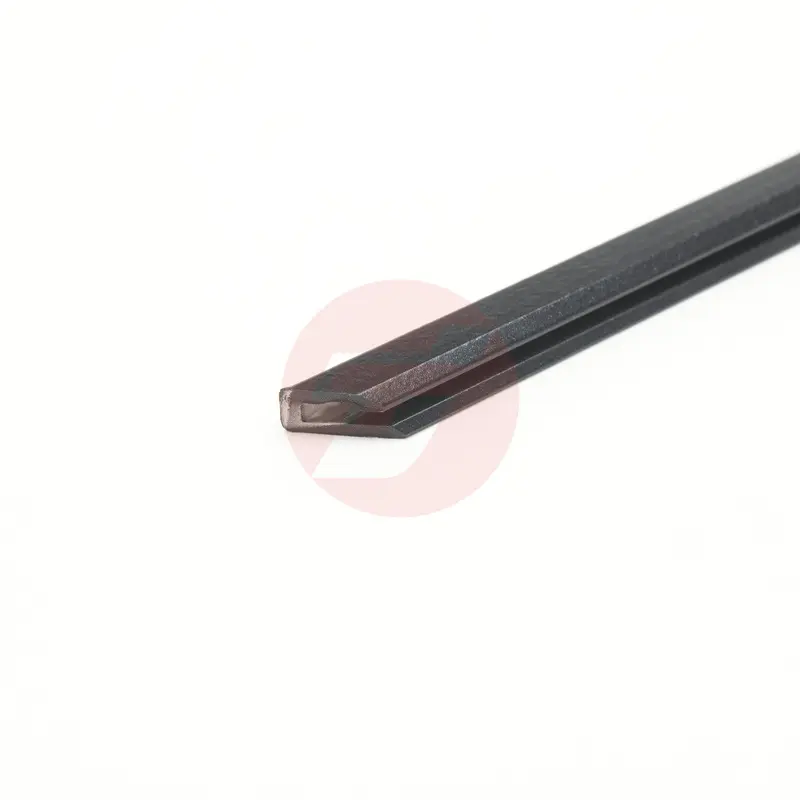
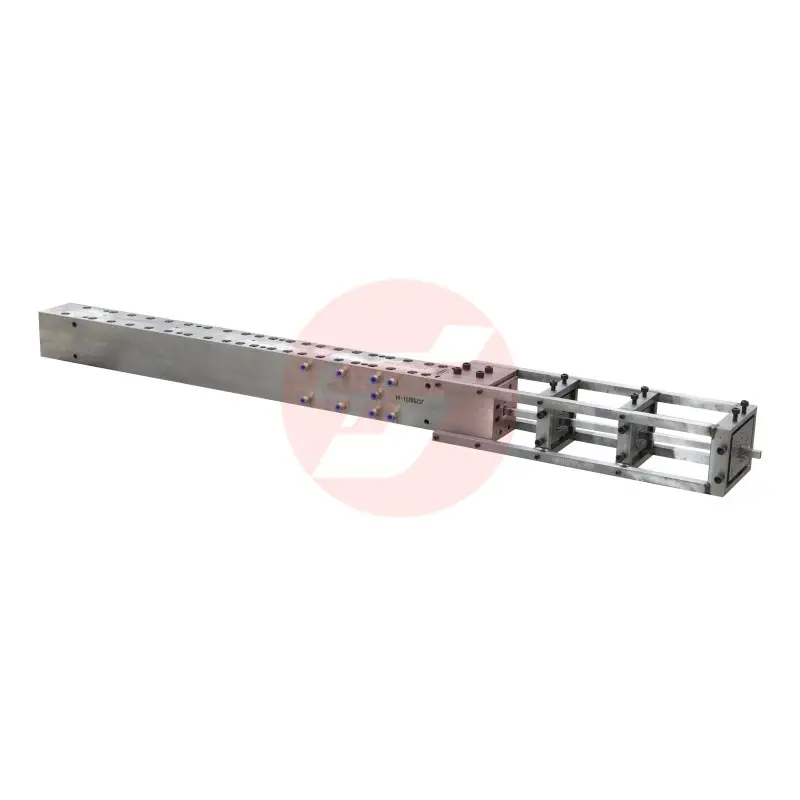
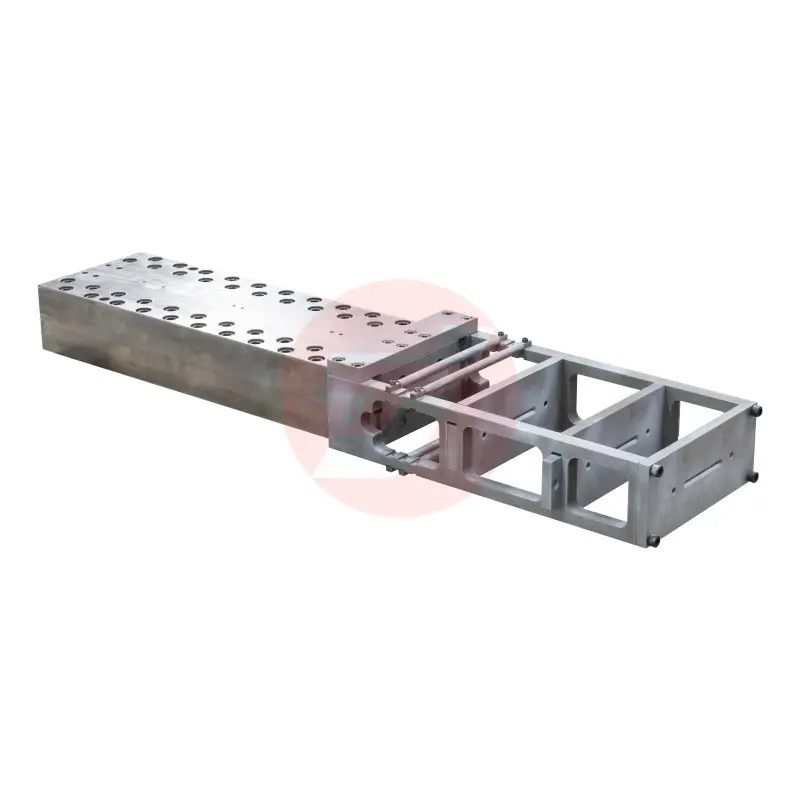
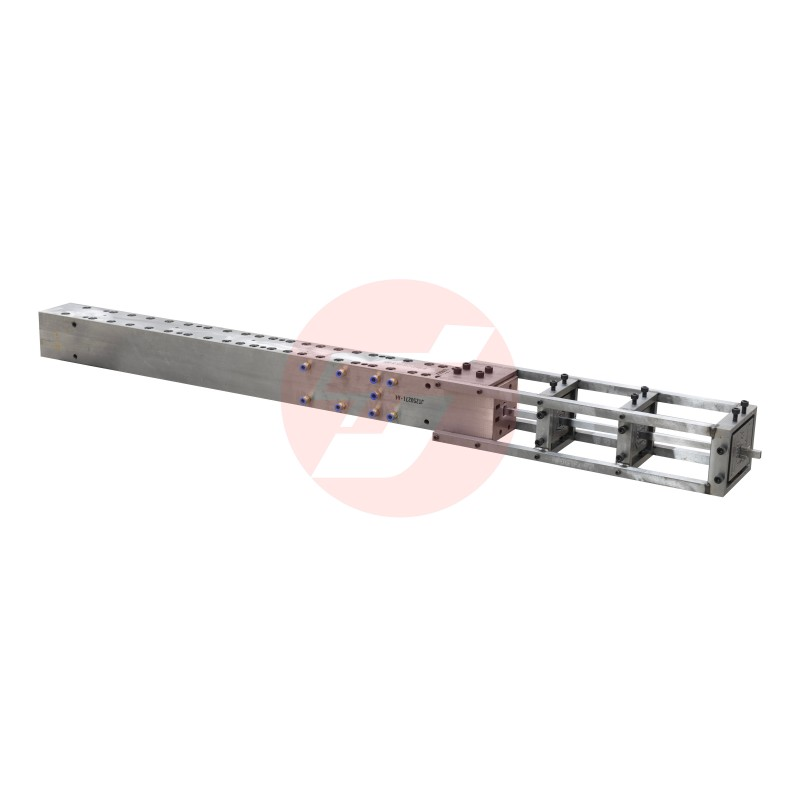
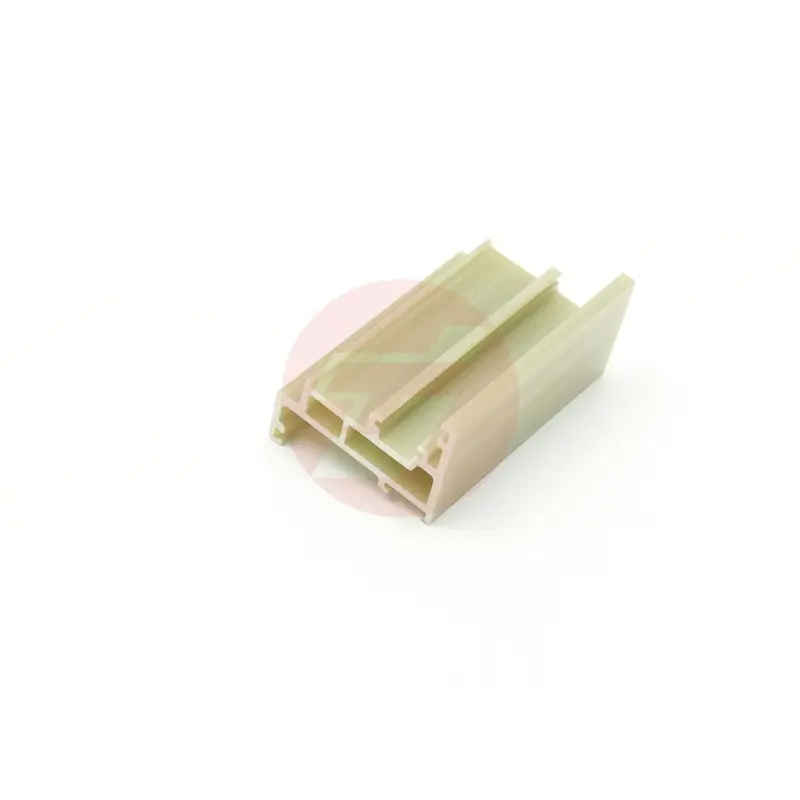
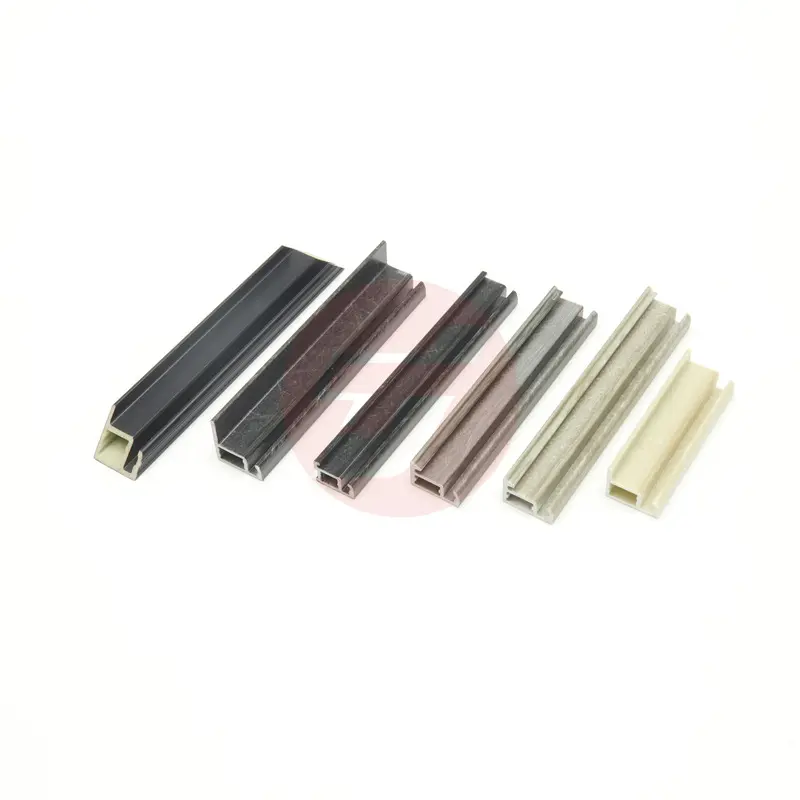
Carbon fiber pultruded molds for industrial use represent a revolutionary advancement in composite manufacturing technology, combining the exceptional strength-to-weight ratio of carbon fiber with the precision and efficiency of the pultrusion process. These specialized molds are designed to create continuous fiber-reinforced composite profiles through a controlled manufacturing method where carbon fiber reinforcements are pulled through a heated die system. The primary function of these molds involves shaping and curing composite materials into predetermined cross-sectional profiles while maintaining consistent dimensional accuracy and superior mechanical properties. The technological features of carbon fiber pultruded molds for industrial use include precise temperature control systems, advanced die geometry optimization, and integrated pulling mechanisms that ensure uniform fiber distribution throughout the final product. These molds incorporate sophisticated heating elements that maintain optimal curing temperatures, typically ranging from 120°C to 200°C, depending on the resin system being utilized. The design philosophy behind these molds emphasizes durability, precision, and repeatability, ensuring that each manufactured component meets stringent quality standards. Industrial applications for carbon fiber pultruded molds span across multiple sectors including aerospace, automotive, construction, and energy industries. In aerospace applications, these molds produce lightweight structural components such as wing spars, fuselage frames, and control surfaces. The automotive industry utilizes these molds for manufacturing drive shafts, suspension components, and body panels that require exceptional strength while minimizing weight. Construction applications include the production of structural beams, reinforcement bars, and architectural elements that demand high corrosion resistance and longevity. The energy sector employs these molds for creating wind turbine blades, power transmission components, and oil rig structures. The versatility of carbon fiber pultruded molds for industrial use extends to custom profile manufacturing, enabling the production of complex geometries including hollow sections, I-beams, channels, and specialized shapes tailored to specific engineering requirements.


New Products

The advantages of carbon fiber pultruded molds for industrial use extend far beyond traditional manufacturing methods, offering significant benefits that directly impact operational efficiency and product quality. These molds deliver exceptional durability, withstanding thousands of production cycles without compromising dimensional accuracy or surface finish quality. This longevity translates into reduced replacement costs and minimized downtime, providing substantial cost savings over the mold's operational lifetime. The precision engineering of these molds ensures consistent product dimensions, eliminating the variability often associated with hand lay-up or other manual composite manufacturing processes. This consistency reduces waste, improves quality control, and enhances customer satisfaction through reliable product performance. Carbon fiber pultruded molds for industrial use enable faster production cycles compared to autoclave or compression molding techniques. The continuous nature of the pultrusion process allows for uninterrupted manufacturing, significantly increasing throughput and reducing per-unit production costs. This efficiency advantage becomes particularly valuable in high-volume manufacturing scenarios where time-to-market considerations are critical. The thermal management capabilities of these molds represent another significant advantage, providing uniform heat distribution throughout the curing process. This controlled heating ensures complete resin cure and optimal mechanical properties in the finished products. The temperature control systems integrated into these molds allow for precise adjustment based on different resin systems and product requirements. Material waste reduction is a notable benefit of carbon fiber pultruded molds for industrial use. The controlled fiber placement and resin application minimize excess material usage, contributing to improved material efficiency and reduced environmental impact. This waste reduction directly impacts production costs and supports sustainable manufacturing practices. The versatility of these molds accommodates various fiber orientations and resin systems, providing manufacturers with flexibility to optimize material properties for specific applications. This adaptability allows for the production of components with tailored mechanical characteristics, including varying stiffness, strength, and impact resistance properties. Quality assurance benefits include improved surface finish consistency, reduced defect rates, and enhanced dimensional stability. These quality improvements reduce the need for secondary machining operations and finishing processes, further streamlining the manufacturing workflow and reducing overall production costs.

Latest News

What Affects the Dimensional Accuracy of Epoxy Pultruded Products?

05

Jan

What Affects the Dimensional Accuracy of Epoxy Pultruded Products?

The dimensional accuracy of epoxy pultruded products plays a crucial role in determining their performance and suitability for various industrial applications. Manufacturing professionals across aerospace, automotive, and construction industries rely...
View More
Why Are Photovoltaic Frame Pultrusion Molds Key to Panel Stability?

05

Jan

Why Are Photovoltaic Frame Pultrusion Molds Key to Panel Stability?

Solar panel manufacturing requires precision engineering at every stage, particularly when it comes to creating the structural frames that protect and support photovoltaic cells. The photovoltaic frame pultrusion mold represents a critical component ...
View More
Why Do Wind Turbine OEMs Prefer High-Accuracy Carbon Fiber Beam Molds?

05

Jan

Why Do Wind Turbine OEMs Prefer High-Accuracy Carbon Fiber Beam Molds?

The wind energy sector has experienced unprecedented growth as global demand for renewable energy solutions continues to surge. Original Equipment Manufacturers (OEMs) in the wind turbine industry face increasing pressure to deliver high-performance,...
View More
How to Maintain Carbon Fiber Pultrusion Molds for Long-Term Stability?

13

Feb

How to Maintain Carbon Fiber Pultrusion Molds for Long-Term Stability?

Carbon fiber pultrusion molds represent one of the most critical components in manufacturing high-performance composite materials for industries ranging from aerospace to renewable energy. These precision-engineered tools require meticulous maintenan...
View More

Get a Free Quote

A professional manufacturer of composite material molds.
Email
WhatsApp
Name
Company Name
Message
0/1000
Attachment
Please upload at least an attachment
Up to 3 files,more 30mb,suppor jpg、jpeg、png、pdf、doc、docx、xls、xlsx、csv、txt

carbon fiber pultruded molds for industrial use

Superior Thermal Management and Curing Control

Superior Thermal Management and Curing Control

The thermal management system integrated within carbon fiber pultruded molds for industrial use represents a breakthrough in composite manufacturing precision, delivering unparalleled control over the curing process that directly impacts final product quality and performance characteristics. These advanced molds incorporate sophisticated heating elements strategically positioned throughout the die structure to ensure uniform temperature distribution across the entire cross-sectional area of the composite profile being manufactured. The importance of this thermal control cannot be overstated, as it directly influences the degree of cure, mechanical properties, and dimensional stability of the finished components. The heating system typically consists of cartridge heaters, band heaters, or induction heating elements that can maintain precise temperatures within ±2°C of the target setpoint. This level of accuracy ensures complete polymerization of the resin matrix while preventing thermal degradation or over-curing that could compromise material properties. The thermal management system also features multiple temperature zones along the length of the mold, allowing for optimized cure profiles that accommodate different resin chemistries and fiber systems. This zonal control enables manufacturers to implement sophisticated curing strategies, such as ramped heating profiles or staged curing processes, that maximize mechanical properties while minimizing residual stresses. The value this brings to potential customers extends beyond improved product quality to include reduced cycle times and increased production efficiency. Faster, more controlled curing reduces the overall time required for each production cycle, directly impacting manufacturing throughput and cost per unit. Additionally, the consistent thermal environment eliminates the trial-and-error approach often required with less sophisticated heating systems, reducing setup time and material waste during process optimization. The thermal management capabilities of these carbon fiber pultruded molds for industrial use also contribute to extended mold life by preventing thermal shock and maintaining uniform thermal expansion characteristics throughout the die structure. This thermal stability reduces maintenance requirements and extends the operational lifetime of the tooling investment.
Enhanced Dimensional Accuracy and Surface Quality

Enhanced Dimensional Accuracy and Surface Quality

Carbon fiber pultruded molds for industrial use deliver exceptional dimensional accuracy and surface quality that surpasses traditional composite manufacturing methods, providing customers with components that meet the most stringent engineering specifications without requiring extensive secondary operations. The precision machining and advanced manufacturing techniques used in creating these molds result in dimensional tolerances typically within ±0.1mm for most profile geometries, a level of accuracy that enables direct assembly of components without additional fitting or machining operations. This precision stems from the rigid construction of the mold dies, which are manufactured from high-grade tool steels or specialized alloys that maintain dimensional stability under repeated thermal cycling and mechanical stress. The surface finish quality achieved through these molds consistently reaches Ra values of 1.6 μm or better, providing components with smooth, defect-free surfaces that enhance both aesthetic appeal and functional performance. The importance of this dimensional accuracy and surface quality extends across multiple aspects of component performance and manufacturing economics. Precise dimensions ensure proper fit and function in assembly applications, reducing the risk of interference issues or gaps that could compromise structural integrity. The superior surface quality minimizes air resistance in aerodynamic applications, reduces friction in mechanical systems, and provides an excellent foundation for paint, coatings, or bonding operations. For customers in the aerospace and automotive industries, these quality characteristics directly translate into improved performance, reduced assembly time, and lower overall system costs. The consistent dimensional accuracy also enables the implementation of lean manufacturing principles, as components can be produced to exact specifications without the need for extensive inspection, sorting, or rework operations. This reliability reduces inventory requirements and streamlines supply chain management. The enhanced surface quality eliminates the need for costly secondary finishing operations such as sanding, polishing, or filling, which are often required with other composite manufacturing methods. This reduction in post-processing requirements not only saves direct labor and material costs but also shortens lead times and improves production scheduling flexibility. Furthermore, the excellent surface quality provided by carbon fiber pultruded molds for industrial use enhances the durability and longevity of finished components by eliminating surface defects that could serve as stress concentration points or initiation sites for environmental degradation.
Exceptional Production Efficiency and Cost Optimization

Exceptional Production Efficiency and Cost Optimization

The production efficiency advantages offered by carbon fiber pultruded molds for industrial use revolutionize traditional composite manufacturing economics by enabling continuous, high-speed production processes that dramatically reduce per-unit costs while maintaining superior quality standards. These molds facilitate the pultrusion process, which operates as a continuous manufacturing method where fiber reinforcements are continuously pulled through the heated die at controlled speeds typically ranging from 0.5 to 3 meters per minute, depending on the profile complexity and curing requirements. This continuous operation eliminates the start-stop cycles inherent in batch processing methods, resulting in significantly higher throughput and improved equipment utilization rates. The efficiency gains extend beyond simple speed improvements to encompass reduced labor requirements, minimized material waste, and streamlined quality control processes that collectively deliver substantial cost advantages to manufacturers. The automated nature of the pultrusion process enabled by these specialized molds requires minimal operator intervention once the system reaches steady-state operation, allowing a single operator to manage multiple production lines simultaneously. This labor efficiency translates directly into reduced manufacturing costs and improved profit margins. Material utilization efficiency represents another critical advantage, as the controlled fiber placement and precise resin application inherent in the pultrusion process minimize waste generation compared to hand lay-up or prepreg manufacturing methods. Typical material utilization rates exceed 95%, with waste consisting primarily of startup and shutdown material that can often be recycled or reprocessed. The continuous production capability of carbon fiber pultruded molds for industrial use enables manufacturers to achieve economies of scale even in moderate volume applications, making advanced composite technology accessible to a broader range of industries and applications. The reduced setup time between different products or production runs further enhances efficiency, as mold changeovers can often be completed in less than an hour compared to the several hours or days required for autoclave or compression molding tooling changes. This flexibility allows manufacturers to respond quickly to changing market demands and customer requirements while maintaining efficient production schedules. The cost optimization benefits extend to reduced energy consumption per unit produced, as the continuous nature of the process eliminates the repeated heating and cooling cycles required in batch processes, resulting in more efficient energy utilization and lower environmental impact.

Get a Free Quote

A professional manufacturer of composite material molds.
Email
WhatsApp
Name
Company Name
Message
0/1000
Attachment
Please upload at least an attachment
Up to 3 files,more 30mb,suppor jpg、jpeg、png、pdf、doc、docx、xls、xlsx、csv、txt