Multicavity Compression Molds: Advanced Manufacturing Solutions for High-Volume Production

All Categories

Get a Free Quote

A professional manufacturer of composite material molds.
Email
WhatsApp
Name
Company Name
Message
0/1000
Attachment
Please upload at least an attachment
Up to 3 files,more 30mb,suppor jpg、jpeg、png、pdf、doc、docx、xls、xlsx、csv、txt

multicavity compression molds

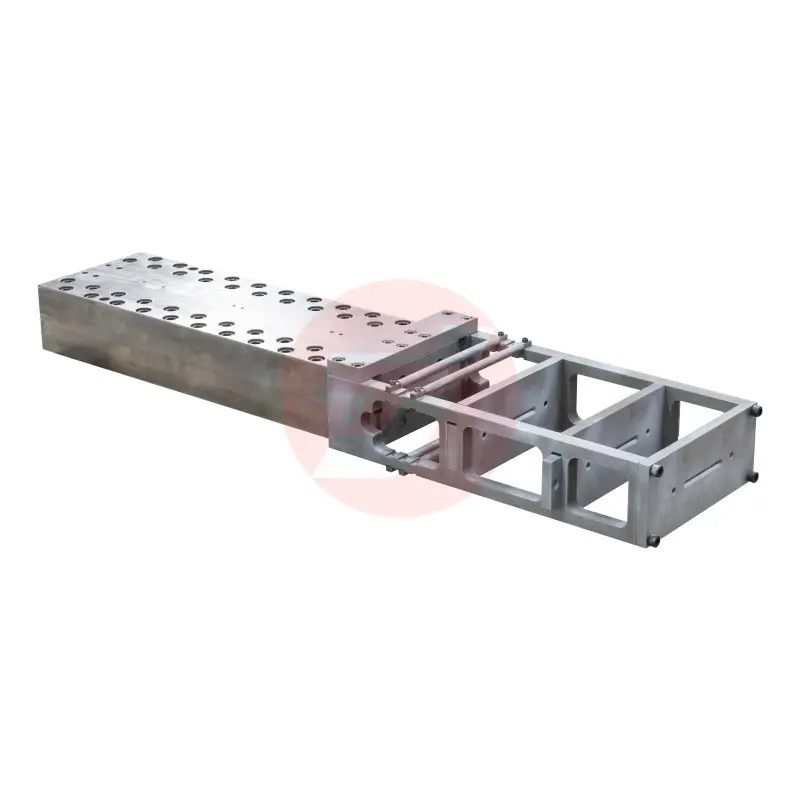
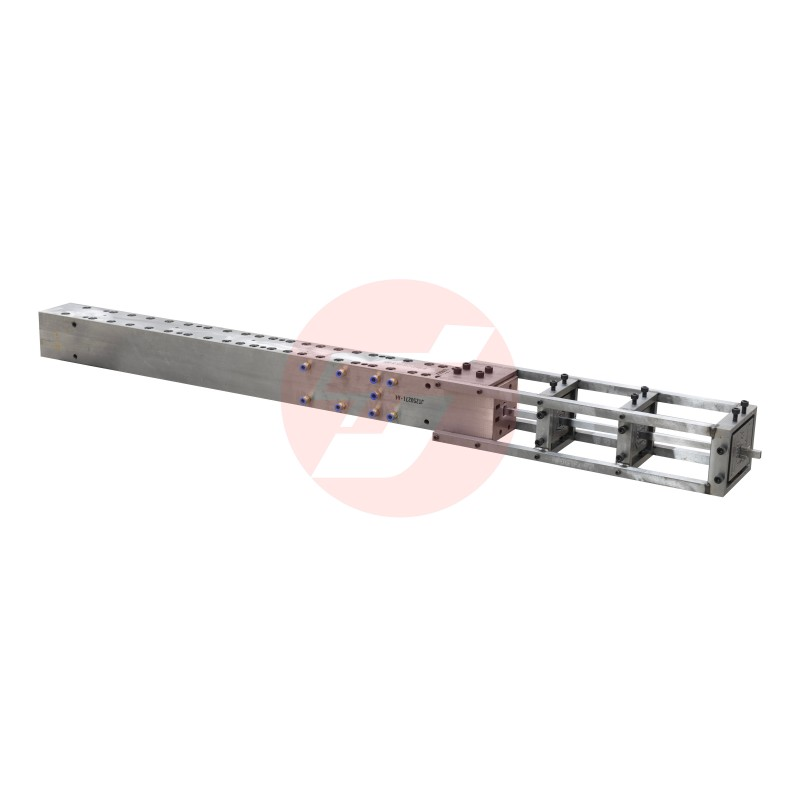
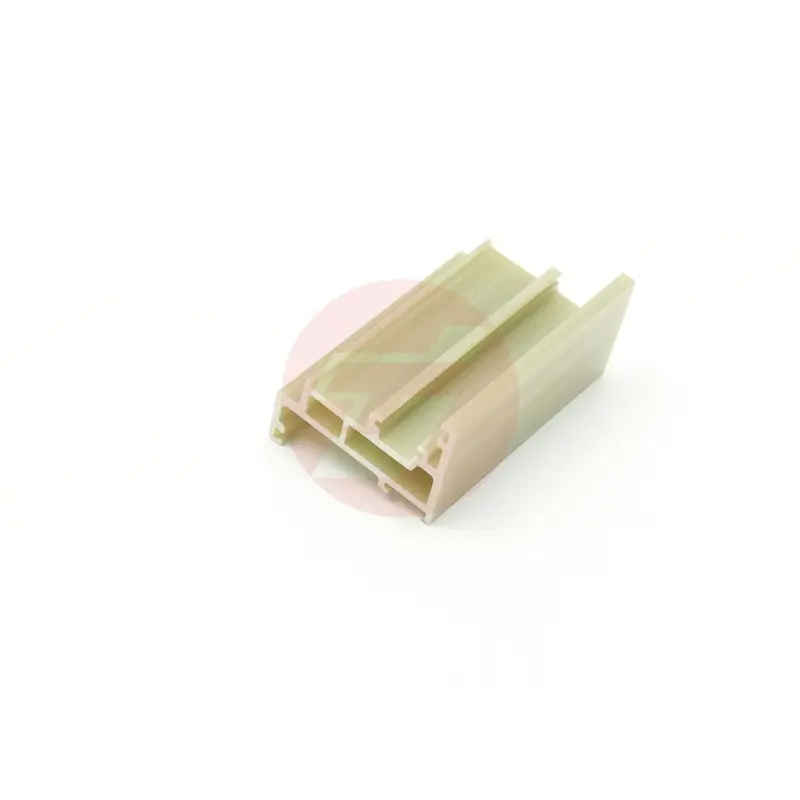
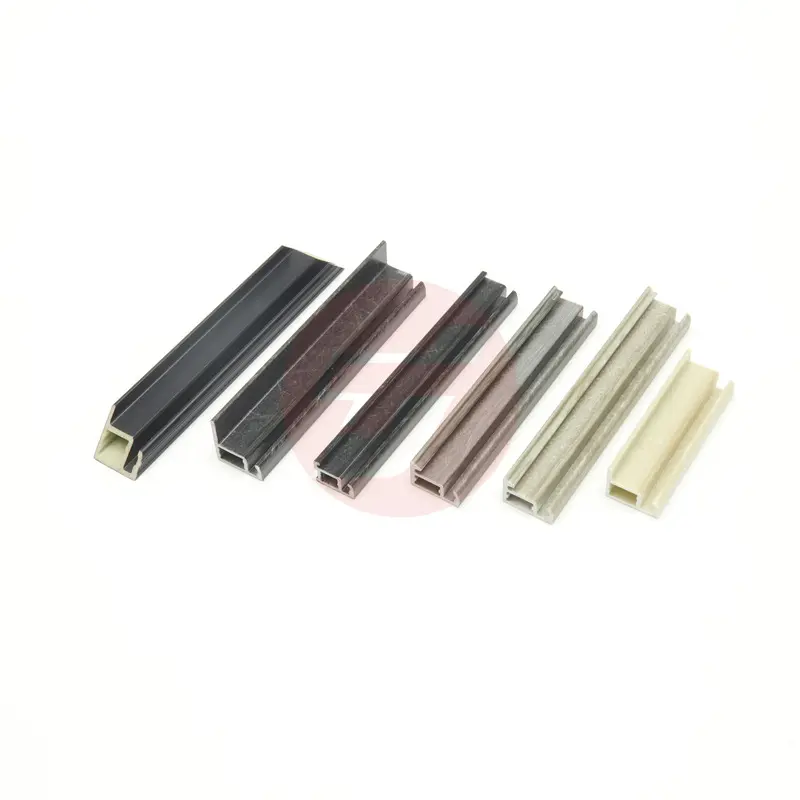
Multicavity compression molds represent a sophisticated manufacturing solution designed to produce multiple identical parts simultaneously through precision compression molding processes. These advanced tooling systems feature multiple cavities within a single mold structure, enabling manufacturers to achieve exceptional production efficiency while maintaining consistent quality across all molded components. The primary function of multicavity compression molds centers on simultaneous part formation, where raw materials are distributed evenly across multiple cavities and compressed under controlled pressure and temperature conditions. This parallel production approach significantly reduces cycle times and maximizes output capacity compared to traditional single-cavity alternatives. The technological framework of these molds incorporates precision-engineered cavity designs, advanced material distribution systems, and sophisticated temperature control mechanisms. Each cavity within the multicavity compression molds maintains identical dimensions and surface finishes, ensuring uniform part quality throughout the production run. The mold structure typically features robust steel construction with specialized coatings to enhance durability and resist wear during extended production cycles. Temperature regulation systems maintain optimal processing conditions across all cavities, while pressure distribution networks ensure consistent compression forces throughout the molding process. Applications for multicavity compression molds span numerous industries, including automotive component manufacturing, electrical connector production, consumer goods creation, and industrial part fabrication. These molds excel in producing rubber gaskets, plastic housings, metal components, and composite materials where high-volume production demands meet stringent quality requirements. The versatility of multicavity compression molds makes them particularly valuable for manufacturers seeking to scale production while controlling costs and maintaining product consistency across large batch quantities.


Popular Products

Multicavity compression molds deliver substantial production efficiency gains that directly impact manufacturing profitability and operational performance. The most significant advantage lies in their ability to produce multiple parts simultaneously, effectively multiplying output rates without proportional increases in labor costs or energy consumption. This parallel production capability allows manufacturers to achieve dramatic reductions in per-unit production costs while maintaining consistent quality standards across all molded components. The economies of scale generated by multicavity compression molds become particularly pronounced in high-volume production scenarios where traditional single-cavity approaches prove economically inefficient. Labor productivity improvements represent another crucial benefit, as operators can manage higher output levels without additional workforce requirements. The streamlined production process reduces handling time and minimizes manual intervention, leading to more predictable production schedules and improved overall equipment effectiveness. Quality consistency stands as a fundamental advantage of multicavity compression molds, with each cavity engineered to identical specifications ensuring uniform part dimensions and surface finishes. This consistency eliminates the variations often encountered in sequential single-cavity production, reducing quality control concerns and minimizing reject rates. Material utilization efficiency improves significantly with multicavity compression molds, as the optimized distribution systems ensure precise material allocation to each cavity while minimizing waste generation. The controlled environment within each cavity promotes optimal curing conditions, resulting in enhanced mechanical properties and dimensional stability across all produced parts. Maintenance advantages emerge from the consolidated nature of multicavity compression molds, where single maintenance procedures address multiple production cavities simultaneously. This approach reduces downtime frequency and simplifies preventive maintenance scheduling compared to managing multiple individual molds. Energy efficiency benefits accumulate through shared heating and cooling systems, distributing thermal energy across multiple cavities rather than requiring separate temperature control for individual molds. The rapid return on investment potential makes multicavity compression molds particularly attractive for manufacturers planning long-term production commitments, with cost savings typically realized within the first production year through improved efficiency and reduced operational expenses.

Latest News

How to Evaluate the Quality of Glass Fiber Pultrusion Molds?

29

Dec

How to Evaluate the Quality of Glass Fiber Pultrusion Molds?

Manufacturing high-quality composite products requires precise tooling, and glass fiber pultrusion molds serve as the foundation for successful pultrusion processes. These specialized molds determine the dimensional accuracy, surface finish, and over...
View More
Why Do Wind Turbine OEMs Prefer High-Accuracy Carbon Fiber Beam Molds?

05

Jan

Why Do Wind Turbine OEMs Prefer High-Accuracy Carbon Fiber Beam Molds?

The wind energy sector has experienced unprecedented growth as global demand for renewable energy solutions continues to surge. Original Equipment Manufacturers (OEMs) in the wind turbine industry face increasing pressure to deliver high-performance,...
View More
What Factors Determine the Lifespan of Carbon Fiber Pultruded Products?

13

Feb

What Factors Determine the Lifespan of Carbon Fiber Pultruded Products?

Carbon fiber pultrusion represents one of the most advanced manufacturing processes for creating high-performance composite materials with exceptional strength-to-weight ratios. This innovative technique produces continuous fiber-reinforced profiles ...
View More
How to Maintain Carbon Fiber Pultrusion Molds for Long-Term Stability?

13

Feb

How to Maintain Carbon Fiber Pultrusion Molds for Long-Term Stability?

Carbon fiber pultrusion molds represent one of the most critical components in manufacturing high-performance composite materials for industries ranging from aerospace to renewable energy. These precision-engineered tools require meticulous maintenan...
View More

Get a Free Quote

A professional manufacturer of composite material molds.
Email
WhatsApp
Name
Company Name
Message
0/1000
Attachment
Please upload at least an attachment
Up to 3 files,more 30mb,suppor jpg、jpeg、png、pdf、doc、docx、xls、xlsx、csv、txt

multicavity compression molds

Enhanced Production Capacity Through Parallel Manufacturing

Enhanced Production Capacity Through Parallel Manufacturing

The revolutionary design of multicavity compression molds fundamentally transforms manufacturing capacity by enabling simultaneous production of multiple identical components within a single molding cycle. This parallel manufacturing approach represents a paradigm shift from traditional sequential production methods, delivering exponential increases in output rates that directly correlate with the number of cavities incorporated into the mold design. Modern multicavity compression molds can accommodate anywhere from four to thirty-two or more cavities, depending on part size and complexity requirements, with each cavity functioning as an independent production unit while sharing common infrastructure systems. The engineering precision required to achieve this parallel production capability involves sophisticated cavity layout optimization, ensuring uniform material flow and consistent pressure distribution across all molding positions. Advanced computational fluid dynamics modeling guides the design process, predicting material behavior and optimizing gate locations to achieve balanced filling patterns throughout the multicavity compression molds. The resulting production capacity enhancement typically ranges from 400% to 3200% compared to single-cavity alternatives, representing transformative improvements that enable manufacturers to meet aggressive production targets while maintaining competitive pricing structures. This capacity multiplication effect becomes particularly valuable in industries with seasonal demand fluctuations or rapid market expansion requirements, where traditional production methods struggle to accommodate volume increases without substantial capital investments in additional equipment. The scalability inherent in multicavity compression molds provides manufacturers with flexible production solutions that can adapt to changing market demands without requiring complete tooling overhauls. Quality maintenance across multiple cavities demands precise engineering controls, with each cavity calibrated to identical specifications ensuring consistent part dimensions and material properties throughout the production run. The economic impact of enhanced production capacity extends beyond simple output multiplication, creating opportunities for improved inventory management, reduced storage requirements, and more responsive customer service capabilities that strengthen competitive market positioning.
Superior Cost Efficiency Through Optimized Resource Utilization

Superior Cost Efficiency Through Optimized Resource Utilization

Multicavity compression molds deliver exceptional cost efficiency advantages through intelligent resource optimization that maximizes value extraction from every input element in the manufacturing process. The fundamental cost reduction mechanism operates through shared infrastructure utilization, where heating systems, cooling networks, hydraulic pressure sources, and control systems serve multiple production cavities simultaneously rather than requiring individual resources for each molded part. This resource sharing approach generates significant reductions in energy consumption per unit produced, as the fixed costs associated with mold operation distribute across multiple output components. Energy efficiency improvements typically range from 60% to 80% per unit compared to single-cavity production methods, creating substantial operational cost savings that compound over extended production runs. Labor cost optimization emerges as another critical efficiency factor, with single operators capable of managing multicavity compression molds that produce output equivalent to multiple individual molding stations. The streamlined operation reduces labor requirements while improving productivity metrics, enabling manufacturers to allocate human resources more strategically across production facilities. Material utilization efficiency reaches optimal levels through precision distribution systems that eliminate waste while ensuring consistent material properties across all cavities. The controlled material flow patterns minimize flash formation and reduce secondary processing requirements, further contributing to overall cost reductions. Maintenance cost efficiencies develop through consolidated service procedures, where single maintenance interventions address multiple production cavities simultaneously. This approach reduces maintenance frequency, minimizes downtime duration, and optimizes spare parts inventory requirements compared to managing multiple individual molds. Setup time reductions contribute significantly to cost efficiency, as single changeover procedures enable rapid transitions between different production runs while maintaining all cavity functionalities. The cumulative effect of these efficiency improvements typically generates return on investment timelines of 12 to 24 months, making multicavity compression molds highly attractive for manufacturers seeking sustainable competitive advantages through operational excellence and cost leadership strategies in their respective markets.
Advanced Quality Control Through Precision Engineering Integration

Advanced Quality Control Through Precision Engineering Integration

The sophisticated quality control capabilities built into multicavity compression molds represent a technological advancement that ensures consistent part specifications across all production cavities while eliminating the variations commonly associated with sequential manufacturing processes. This precision engineering integration begins with cavity design standardization, where each molding chamber maintains identical dimensions within tolerances of ±0.001 inches, ensuring uniform part geometry regardless of cavity position within the mold structure. Advanced temperature control systems monitor and regulate thermal conditions across all cavities independently, preventing the temperature variations that can compromise material properties and dimensional accuracy. These thermal management systems typically incorporate multiple heating zones with individual temperature sensors, enabling precise control of heating and cooling cycles that optimize material flow characteristics and minimize internal stresses in finished components. Pressure distribution networks ensure uniform compression forces across all cavities, utilizing sophisticated hydraulic or pneumatic systems that maintain consistent molding pressures throughout the production cycle. This pressure uniformity proves critical for achieving consistent material density and mechanical properties across all molded parts. Quality monitoring integration includes real-time sensors that track key parameters such as cavity pressure, temperature profiles, and cycle timing, providing immediate feedback on production conditions that might affect part quality. Statistical process control capabilities enable continuous monitoring of dimensional variations across cavities, identifying potential issues before they impact production quality. The closed-loop feedback systems automatically adjust processing parameters to maintain optimal conditions, reducing quality variations and minimizing reject rates. Cavity wear monitoring systems track mold condition over time, predicting maintenance requirements and preventing quality degradation from progressive tool wear. Advanced surface treatment technologies applied to cavity surfaces ensure consistent part finish quality while extending mold life through enhanced wear resistance and reduced friction coefficients. The integration of quality control systems with multicavity compression molds creates manufacturing environments where quality consistency becomes inherent to the production process rather than dependent on post-production inspection procedures, resulting in improved customer satisfaction and reduced warranty costs.

Get a Free Quote

A professional manufacturer of composite material molds.
Email
WhatsApp
Name
Company Name
Message
0/1000
Attachment
Please upload at least an attachment
Up to 3 files,more 30mb,suppor jpg、jpeg、png、pdf、doc、docx、xls、xlsx、csv、txt