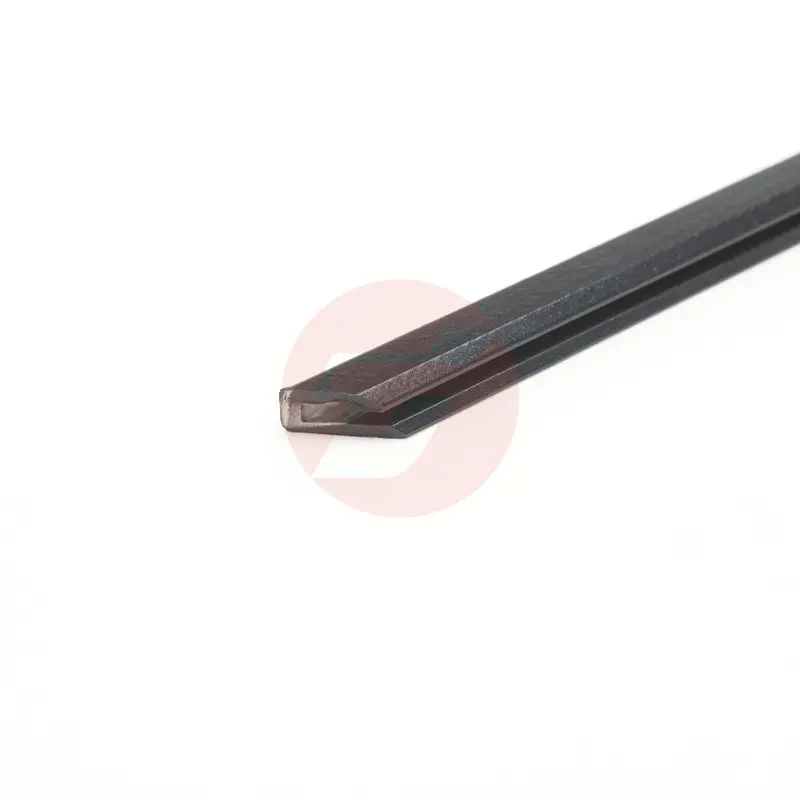
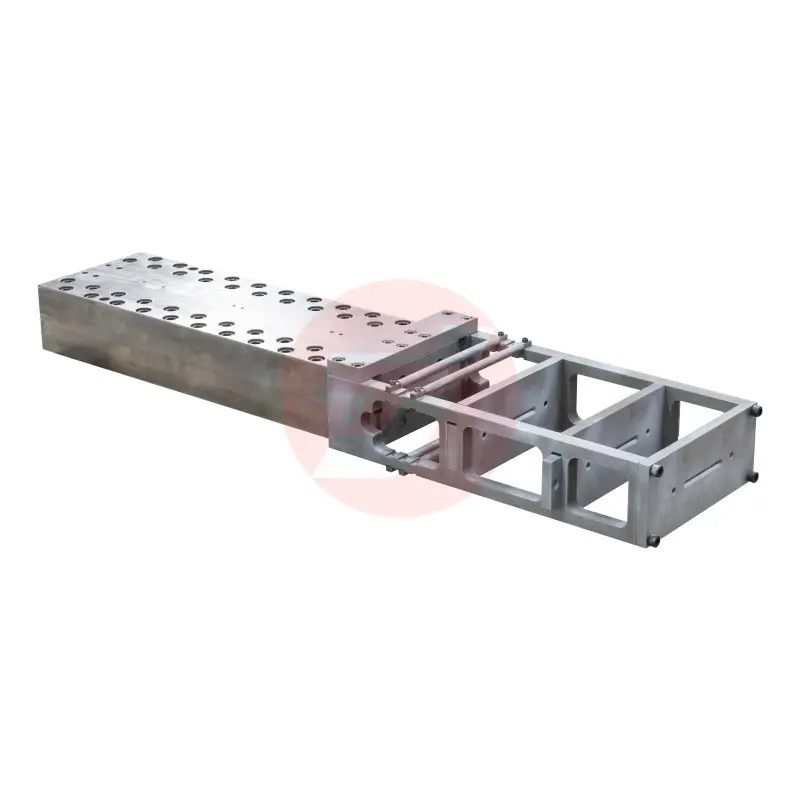
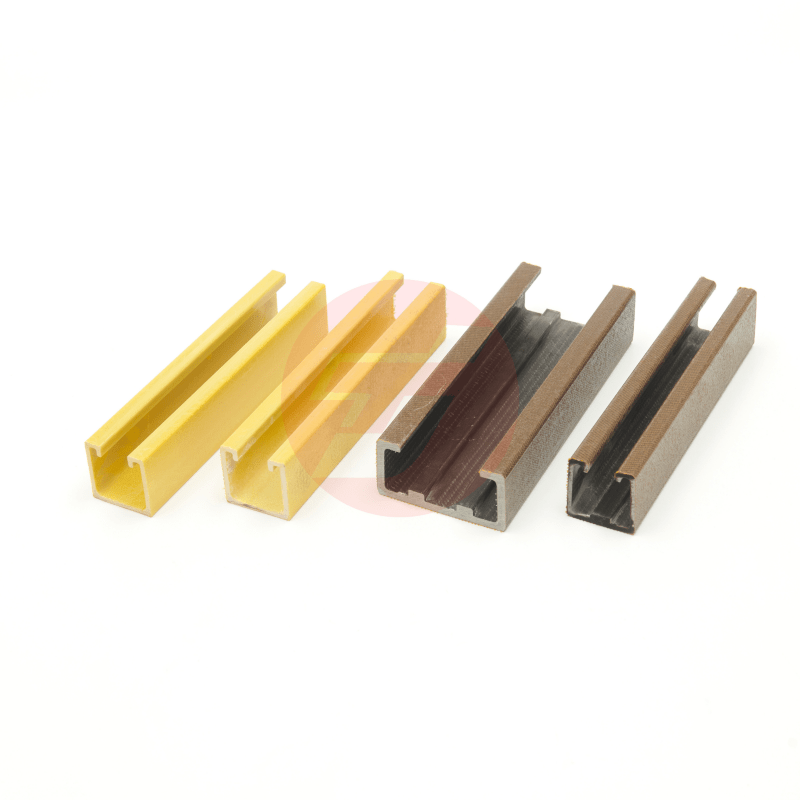
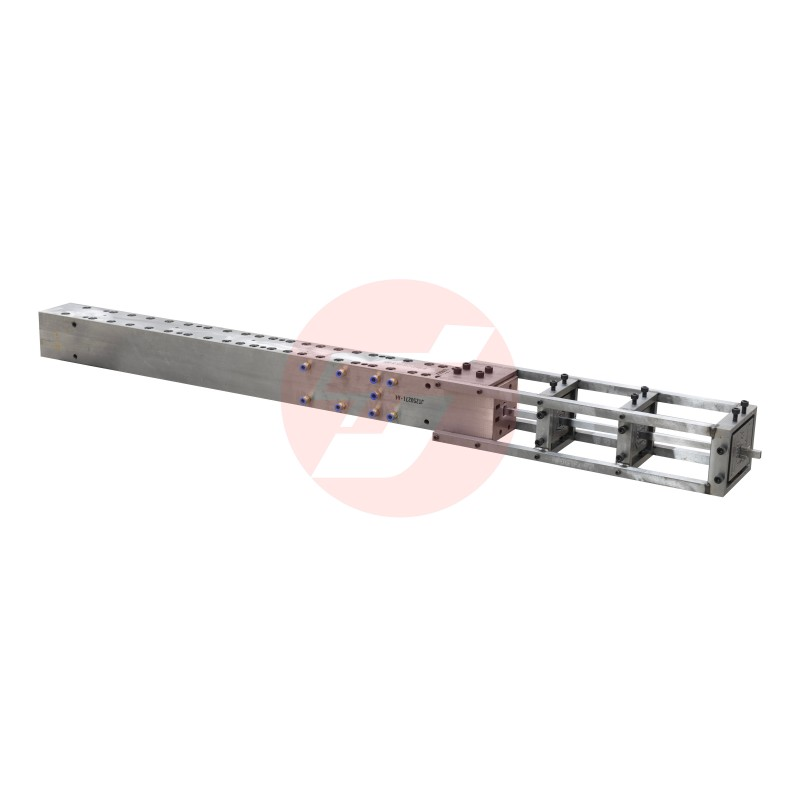
Professional Architectural Molding Polyurethane Molds - Precision Casting Solutions for Quality Construction

All Categories

Get a Free Quote

A professional manufacturer of composite material molds.
Email
WhatsApp
Name
Company Name
Message
0/1000
Attachment
Please upload at least an attachment
Up to 3 files,more 30mb,suppor jpg、jpeg、png、pdf、doc、docx、xls、xlsx、csv、txt

architectural molding polyurethane molds

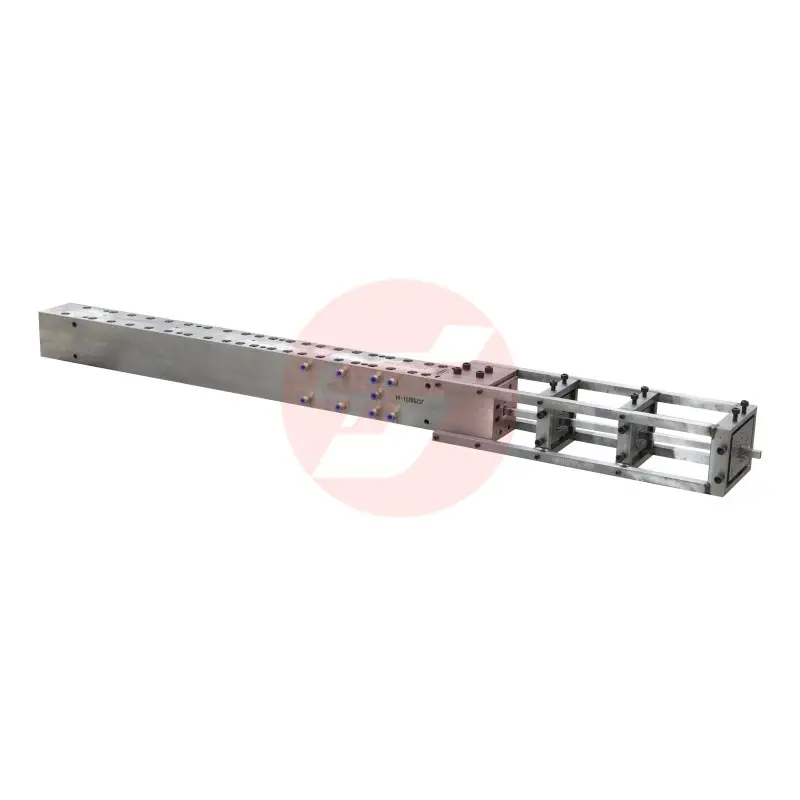
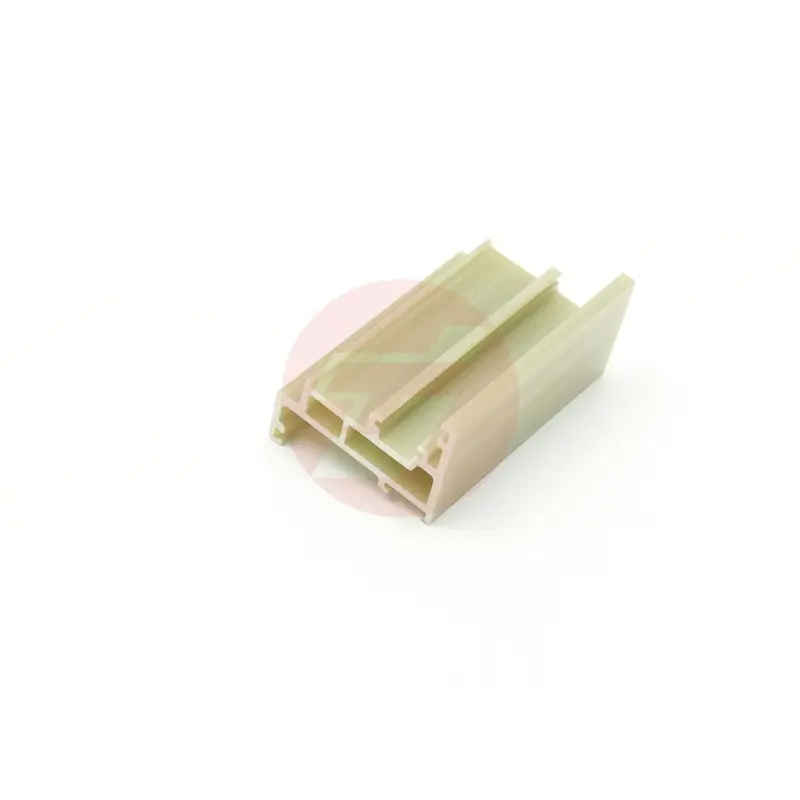
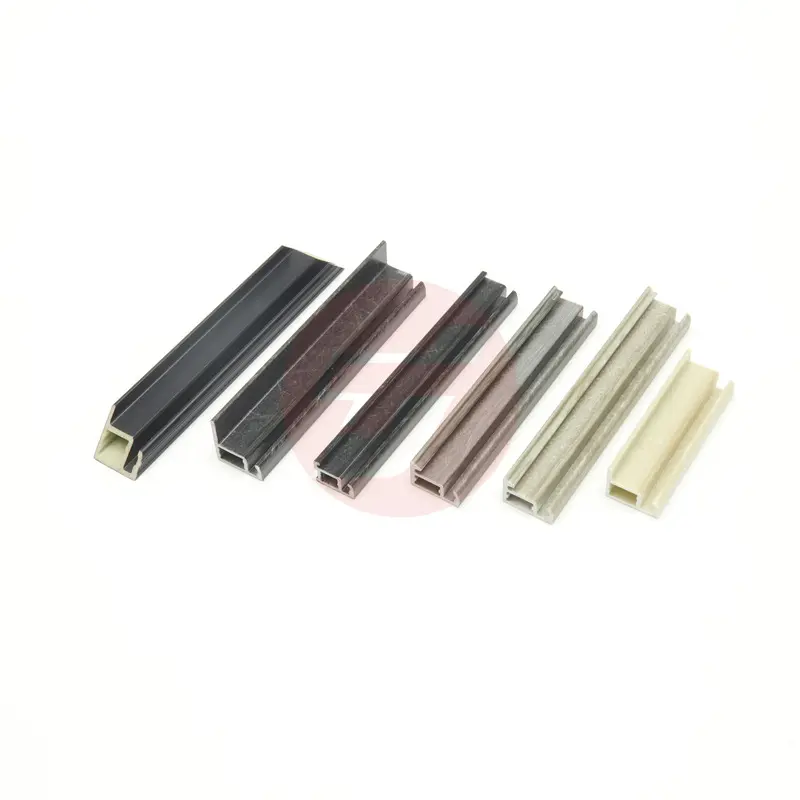
Architectural molding polyurethane molds represent a revolutionary solution for creating intricate decorative elements in construction and renovation projects. These specialized molds enable craftsmen and manufacturers to produce high-quality architectural details with exceptional precision and consistency. The primary function of architectural molding polyurethane molds centers on replicating complex geometric patterns, ornate designs, and traditional architectural features that would otherwise require extensive manual craftsmanship. These molds serve as templates for casting various materials including plaster, concrete, resin, and other moldable substances. The technological features of architectural molding polyurethane molds include superior flexibility that allows for easy demolding without damaging delicate details. The polyurethane material exhibits excellent tear resistance, ensuring longevity even with repeated use. Advanced manufacturing processes create molds with smooth interior surfaces that transfer fine textures and intricate patterns flawlessly to the final product. The dimensional stability of these molds maintains accurate proportions across multiple casting cycles. Temperature resistance properties allow the molds to withstand various curing processes without deformation. Applications span residential construction, commercial buildings, restoration projects, and theatrical set design. Contractors utilize architectural molding polyurethane molds for crown moldings, baseboards, window casings, door surrounds, corbels, and decorative panels. Historic preservation specialists rely on these molds to recreate period-appropriate architectural elements. Interior designers employ them for custom millwork that enhances aesthetic appeal. The versatility extends to outdoor applications including garden ornaments, fountain components, and facade decorations. Manufacturing facilities use these molds for mass production of standardized architectural components, ensuring uniformity across large-scale projects. The precision achievable with architectural molding polyurethane molds eliminates inconsistencies common in handcrafted work while maintaining the artistic integrity of traditional designs.


New Product Releases

Architectural molding polyurethane molds deliver substantial cost savings compared to traditional manufacturing methods. Custom millwork typically requires skilled craftsmen working for extended periods, driving up labor costs significantly. These molds enable rapid production of identical pieces, reducing project timelines and associated expenses. The reusability factor multiplies savings over time, as a single mold produces hundreds of castings before replacement becomes necessary. Material waste decreases dramatically because the precise dimensions eliminate guesswork and minimize cutting errors. Installation becomes faster and more efficient when components fit perfectly from the start. The lightweight nature of polyurethane molds simplifies handling and transportation, reducing logistics costs and safety concerns. Workers can manipulate these molds easily without heavy equipment or multiple personnel. Storage requirements remain minimal due to the compact design and stackable properties of many mold configurations. Quality consistency represents another major advantage that architectural molding polyurethane molds provide. Each casting emerges with identical dimensions, surface finish, and detail reproduction. This consistency eliminates the variations inherent in handcrafted work, ensuring professional results across entire projects. Quality control becomes straightforward when every piece matches specifications exactly. Customer satisfaction increases when architectural elements appear uniform and professionally executed. The durability of polyurethane construction means these molds withstand repeated use without degradation in casting quality. Chemical resistance protects against damage from release agents and casting materials. Flexibility prevents cracking under stress while maintaining shape integrity. Time efficiency stands as a crucial benefit for contractors and manufacturers using architectural molding polyurethane molds. Setup time remains minimal compared to traditional fabrication methods. Multiple molds can operate simultaneously, multiplying production capacity. Curing processes proceed predictably, enabling accurate scheduling and project planning. The learning curve for operators stays relatively shallow, allowing quick training of personnel. Maintenance requirements remain low, preventing unexpected downtime. Design flexibility allows customization to meet specific project requirements while maintaining the production advantages of molding technology.

Practical Tips

How to Evaluate the Quality of Glass Fiber Pultrusion Molds?

29

Dec

How to Evaluate the Quality of Glass Fiber Pultrusion Molds?

Manufacturing high-quality composite products requires precise tooling, and glass fiber pultrusion molds serve as the foundation for successful pultrusion processes. These specialized molds determine the dimensional accuracy, surface finish, and over...
View More
Why Do Wind Turbine OEMs Prefer High-Accuracy Carbon Fiber Beam Molds?

05

Jan

Why Do Wind Turbine OEMs Prefer High-Accuracy Carbon Fiber Beam Molds?

The wind energy sector has experienced unprecedented growth as global demand for renewable energy solutions continues to surge. Original Equipment Manufacturers (OEMs) in the wind turbine industry face increasing pressure to deliver high-performance,...
View More
What Factors Determine the Lifespan of Carbon Fiber Pultruded Products?

13

Feb

What Factors Determine the Lifespan of Carbon Fiber Pultruded Products?

Carbon fiber pultrusion represents one of the most advanced manufacturing processes for creating high-performance composite materials with exceptional strength-to-weight ratios. This innovative technique produces continuous fiber-reinforced profiles ...
View More
How to Maintain Carbon Fiber Pultrusion Molds for Long-Term Stability?

13

Feb

How to Maintain Carbon Fiber Pultrusion Molds for Long-Term Stability?

Carbon fiber pultrusion molds represent one of the most critical components in manufacturing high-performance composite materials for industries ranging from aerospace to renewable energy. These precision-engineered tools require meticulous maintenan...
View More

Get a Free Quote

A professional manufacturer of composite material molds.
Email
WhatsApp
Name
Company Name
Message
0/1000
Attachment
Please upload at least an attachment
Up to 3 files,more 30mb,suppor jpg、jpeg、png、pdf、doc、docx、xls、xlsx、csv、txt

architectural molding polyurethane molds

Superior Detail Reproduction and Surface Quality

Superior Detail Reproduction and Surface Quality

Architectural molding polyurethane molds excel at capturing and reproducing the finest architectural details with unmatched precision. The molecular structure of polyurethane allows these molds to conform to the most intricate surface textures during the molding process, creating negative impressions that transfer every nuance to the final casting. This capability proves invaluable when replicating historical architectural elements where authenticity depends on precise detail reproduction. Traditional hand-carving methods cannot match the consistency achieved through architectural molding polyurethane molds, especially when multiple identical pieces are required. The smooth interior surfaces of these molds eliminate the need for extensive finishing work on cast pieces. Fine grain patterns, delicate scrollwork, and complex geometric designs emerge from the mold with crisp edges and clean surfaces. This precision extends to dimensional accuracy, where measurements remain consistent across hundreds of castings. The polyurethane material maintains its shape memory, preventing distortion that could compromise detail quality over time. Surface defects become virtually non-existent when proper molding techniques are employed with high-quality polyurethane molds. The material's non-porous nature prevents casting materials from adhering to the mold surface, ensuring clean release and pristine surface finish. This characteristic eliminates the need for aggressive release agents that might compromise surface quality. Professional contractors appreciate how architectural molding polyurethane molds deliver exhibition-quality results without requiring specialized finishing skills. The time saved on post-casting cleanup and refinishing translates directly into project efficiency and profitability. Quality assurance becomes simplified when every piece emerges from the mold meeting specifications without additional work. The consistent surface quality enables predictable painting and finishing schedules, as surface preparation requirements remain uniform across all cast pieces.
Exceptional Durability and Longevity Performance

Exceptional Durability and Longevity Performance

The exceptional durability of architectural molding polyurethane molds provides outstanding value through extended service life and reliable performance under demanding conditions. Polyurethane chemistry creates a material matrix that resists the common failure modes that plague other molding materials. Tear resistance prevents the edge failures and detail loss that compromise mold integrity over time. The material maintains its flexibility throughout its service life, preventing the brittleness that leads to cracking in aged molds. This durability translates directly into economic benefits, as replacement costs remain minimal over the mold's operational lifetime. Heavy-duty applications that would destroy conventional molds pose no threat to properly manufactured architectural molding polyurethane molds. The chemical resistance of polyurethane protects against degradation from release agents, casting materials, and cleaning solvents commonly used in molding operations. This resistance ensures that mold dimensions remain stable and surface quality stays consistent throughout hundreds of casting cycles. Temperature cycling effects that cause expansion and contraction in other materials have minimal impact on polyurethane molds. The material's thermal properties allow it to return to its original dimensions after exposure to elevated temperatures during curing processes. UV resistance prevents degradation when molds are used in outdoor applications or stored in areas with natural light exposure. The abrasion resistance of polyurethane withstands the mechanical stresses of demolding operations without surface damage. This durability extends to storage conditions, where architectural molding polyurethane molds resist damage from stacking, handling, and environmental factors. Impact resistance prevents damage from accidental drops or rough handling during transportation and setup. The long-term dimensional stability ensures that molds continue producing accurate castings even after years of service, maintaining the investment value and production capability that makes polyurethane molds the preferred choice for serious architectural molding applications.
Versatile Applications and Universal Compatibility

Versatile Applications and Universal Compatibility

Architectural molding polyurethane molds demonstrate remarkable versatility in their compatibility with diverse casting materials and applications across multiple industries. This universal compatibility stems from the unique properties of polyurethane that make it suitable for use with plaster, concrete, resins, waxes, and various composite materials. The chemical inertness of the mold surface prevents unwanted reactions with casting materials, ensuring consistent results regardless of the chosen medium. This versatility allows contractors and craftsmen to select the most appropriate casting material for each specific application while using the same mold. Temperature tolerance enables the use of architectural molding polyurethane molds with both room-temperature and elevated-temperature curing systems. The molds accommodate quick-setting materials for rapid production schedules as well as slow-curing systems that require extended working times. Flexibility in application extends to both interior and exterior architectural projects. Indoor applications benefit from the precision and consistency of these molds for crown moldings, chair rails, ceiling medallions, and decorative panels. Exterior applications utilize the weather resistance and durability for creating architectural details, garden ornaments, and facade elements. The molds adapt equally well to restoration projects where historical accuracy demands precise replication of original architectural elements. Custom applications showcase the design flexibility of architectural molding polyurethane molds, where unique patterns and profiles can be incorporated to meet specific aesthetic requirements. Scale versatility allows these molds to produce everything from miniature decorative details to large-scale architectural components. The production environment flexibility means these molds function effectively in professional manufacturing facilities, construction sites, and workshop settings. Setup requirements remain minimal regardless of the application scale or location. The molds integrate seamlessly with existing production workflows and equipment. Training requirements stay manageable, allowing personnel to achieve proficiency quickly regardless of their prior experience with molding technologies. This universal compatibility ensures that architectural molding polyurethane molds provide value across diverse applications while maintaining consistent quality standards.

Get a Free Quote

A professional manufacturer of composite material molds.
Email
WhatsApp
Name
Company Name
Message
0/1000
Attachment
Please upload at least an attachment
Up to 3 files,more 30mb,suppor jpg、jpeg、png、pdf、doc、docx、xls、xlsx、csv、txt