
 EN
EN
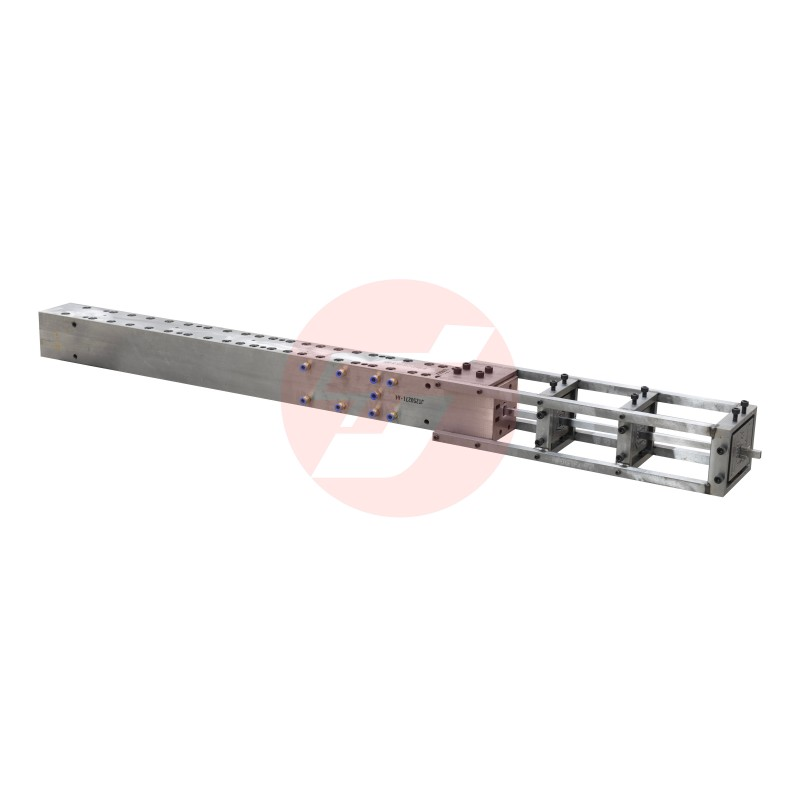
Carbon fiber pultrusion molds represent one of the most critical components in manufacturing high-performance composite materials for industries ranging from aerospace to renewable energy. These precision-engineered tools require meticulous maintenance protocols to ensure consistent product quality and extended operational lifespan. The complexity of carbon fiber pultrusion processes demands that manufacturers implement comprehensive maintenance strategies that address both mechanical wear patterns and thermal cycling effects. Understanding the fundamental principles of mold preservation not only protects your investment but also guarantees the dimensional accuracy and surface finish quality that carbon fiber applications demand.
Essential Pre-Operation Inspection Procedures
Visual Assessment Techniques
Before initiating any pultrusion cycle, conducting thorough visual inspections of your carbon fiber pultrusion mold ensures optimal performance and prevents costly production delays. Begin by examining the mold cavity surfaces for any signs of resin buildup, scratches, or dimensional deviations that could compromise part quality. Pay particular attention to the die entrance and exit zones where mechanical stress concentrations typically occur during the pulling process. Document any anomalies using standardized inspection sheets that include photographic evidence and dimensional measurements taken at predetermined checkpoints.
The inspection protocol should encompass all mold components including heating elements, temperature sensors, and cooling channels to verify their operational integrity. Check for proper alignment between mold halves and ensure that all fastening mechanisms maintain specified torque values. Any deviation from established parameters requires immediate attention to prevent progressive wear that could necessitate expensive mold refurbishment or replacement. Regular photographic documentation creates a valuable historical record that helps identify gradual degradation patterns and optimize maintenance intervals.
Dimensional Verification Methods
Precision measurement techniques form the cornerstone of effective carbon fiber pultrusion mold maintenance programs. Utilize calibrated measuring instruments such as coordinate measuring machines or precision bore gauges to verify critical dimensions against engineering specifications. Focus measurements on areas subject to the highest stress levels including the forming zone where fiber consolidation occurs and the curing section where thermal expansion effects are most pronounced. Establish measurement protocols that account for thermal expansion coefficients at operating temperatures.
Maintain detailed measurement logs that track dimensional changes over time, enabling predictive maintenance scheduling based on actual wear rates rather than arbitrary time intervals. This data-driven approach allows manufacturers to optimize production schedules while minimizing unexpected downtime. Consider implementing statistical process control methods to identify trends that might indicate accelerated wear conditions requiring immediate investigation and corrective action.
Cleaning and Surface Treatment Protocols
Resin Removal Strategies
Effective resin removal represents perhaps the most critical aspect of carbon fiber pultrusion mold maintenance, as accumulated residue directly impacts part quality and dimensional accuracy. Develop cleaning protocols that utilize appropriate solvents and mechanical methods based on the specific resin systems employed in your production processes. Thermosetting resins require different removal techniques compared to thermoplastic systems, and the cleaning approach must account for these material property differences. Never use abrasive methods that could damage the precision-machined mold surfaces.
Implement a multi-stage cleaning process that begins with gentle solvent application followed by careful mechanical removal using non-metallic scrapers or brushes. Steam cleaning can be particularly effective for stubborn resin deposits, but temperature control is essential to prevent thermal shock that could cause mold distortion. Always allow the mold to return to room temperature gradually before conducting post-cleaning inspections. The cleaning frequency should be adjusted based on production volume and the tendency of specific resin formulations to adhere to mold surfaces.
Surface Conditioning Applications
Proper surface conditioning of your carbon fiber pultrusion mold significantly influences both part release characteristics and mold longevity. Apply release agents using consistent techniques that ensure complete coverage without creating thick buildup that could transfer to finished parts. The selection of release agent systems should consider compatibility with both the resin matrix and the carbon fiber reinforcement to prevent contamination issues that could compromise mechanical properties.
Establish standardized application procedures that specify the number of coats, curing requirements, and inspection criteria for release agent systems. Some advanced mold designs incorporate permanent release coatings that reduce maintenance requirements while providing superior release characteristics. However, these systems require specialized application techniques and periodic renewal based on production volume and operating conditions. Monitor release agent performance through systematic evaluation of part release forces and surface quality characteristics.
Temperature Management and Thermal Cycling
Heating System Maintenance
The heating systems integrated into carbon fiber pultrusion mold assemblies require regular maintenance to ensure uniform temperature distribution and prevent hot spots that could cause localized overheating. Inspect electrical heating elements for signs of degradation such as discoloration, cracking, or resistance changes that indicate impending failure. Cartridge heaters and band heaters commonly used in pultrusion applications have finite service lives that depend on operating temperatures and thermal cycling frequency.
Implement preventive replacement schedules based on manufacturer recommendations and operational experience rather than waiting for complete failure. Unplanned heating element failures can cause significant production delays and potentially damage the carbon fiber pultrusion mold if temperature control is lost during active production cycles. Maintain spare heating elements in inventory and ensure that replacement procedures can be executed quickly to minimize downtime impact.
Thermal Expansion Compensation
Understanding and managing thermal expansion effects in carbon fiber pultrusion molds prevents dimensional problems and reduces mechanical stress on mold components. Different materials used in mold construction exhibit varying coefficients of thermal expansion, creating potential alignment issues as operating temperatures fluctuate. Design maintenance procedures that account for these thermal effects and include provisions for periodic realignment as necessary.
Monitor temperature uniformity across the mold length using multiple sensor locations and maintain calibration records for all temperature measurement devices. Thermal mapping studies can reveal hot spots or cold zones that might indicate heating system problems or inadequate insulation. Address thermal imbalances promptly to prevent warping or distortion that could compromise part geometry and require expensive mold corrections.
Lubrication and Mechanical Component Care
Moving Parts Maintenance
Carbon fiber pultrusion molds often incorporate moving components such as cutting systems, clamping mechanisms, or adjustable die sections that require regular lubrication and mechanical maintenance. Develop lubrication schedules based on manufacturer specifications and operating conditions, using lubricants compatible with the high-temperature environment typical of pultrusion processes. Avoid over-lubrication that could contaminate the mold cavity or finished parts.
Inspect mechanical components for wear patterns that might indicate alignment problems or excessive loading conditions. Bearing assemblies, linear guides, and actuating mechanisms should operate smoothly without binding or excessive play that could affect positioning accuracy. Replace worn components before complete failure occurs to prevent damage to other mold elements and maintain production consistency.
Alignment and Calibration Procedures
Maintaining precise alignment between mold components ensures consistent part geometry and prevents premature wear caused by binding or interference conditions. Establish calibration procedures that verify the positioning accuracy of all adjustable elements using appropriate measurement techniques. Laser alignment systems can provide highly accurate positioning verification for critical components.
Document alignment specifications and maintain adjustment records that enable quick restoration of optimal settings following maintenance activities. Consider implementing kinematic mounting systems that facilitate repeatable positioning while allowing for thermal expansion effects. Regular alignment checks should be integrated into routine maintenance schedules to detect gradual changes that might indicate wear or settling of mold support structures.
Storage and Environmental Considerations
Climate Control Requirements
Proper storage conditions for carbon fiber pultrusion molds during extended periods of inactivity prevent corrosion, dimensional changes, and contamination that could affect subsequent production runs. Maintain controlled temperature and humidity levels in storage areas to minimize condensation formation that could cause corrosion of steel components or dimensional instability in composite mold elements.
Implement protective covering systems that prevent dust accumulation while allowing air circulation to prevent moisture entrapment. Consider using desiccant systems or dehumidification equipment in storage areas where environmental control is challenging. Regular inspection of stored molds ensures that protective measures remain effective and allows for early detection of any deterioration that might require corrective action.
Protective Coating Applications
Apply appropriate protective coatings to exposed surfaces of carbon fiber pultrusion molds during storage periods to prevent oxidation and contamination. The selection of protective materials must consider compatibility with subsequent cleaning procedures and avoid leaving residues that could affect part quality. Temporary protective films or specialized storage compounds can provide effective protection while remaining easily removable.
Establish procedures for applying and removing protective coatings that ensure complete coverage without creating thickness variations that could affect mold dimensions. Document the types and application dates of protective treatments to enable proper removal procedures and prevent compatibility issues with production materials. Regular inspection of protected surfaces ensures that coating integrity is maintained throughout the storage period.
Documentation and Record Keeping
Maintenance Log Systems
Comprehensive documentation of all maintenance activities performed on carbon fiber pultrusion molds creates valuable historical records that support predictive maintenance programs and quality assurance initiatives. Establish standardized logging procedures that capture essential information including maintenance dates, procedures performed, materials used, and personnel involved. Digital record-keeping systems facilitate data analysis and trend identification.
Include photographic documentation of mold conditions before and after maintenance activities to provide visual references for future comparisons. Measurement data, inspection results, and any anomalies discovered during maintenance should be recorded with sufficient detail to enable accurate trend analysis. Regular review of maintenance logs helps identify recurring issues that might indicate design modifications or procedural improvements.
Performance Tracking Methods
Implement systematic tracking of mold performance metrics that correlate maintenance activities with production outcomes such as part quality, dimensional accuracy, and production rates. This data enables optimization of maintenance intervals and procedures based on actual performance requirements rather than conservative estimates that might result in unnecessary maintenance costs.
Establish key performance indicators that reflect mold condition and production efficiency, including cycle times, part rejection rates, and surface quality measurements. Statistical analysis of performance data can reveal correlations between maintenance practices and production outcomes, enabling continuous improvement of maintenance procedures. Regular performance reviews should involve production and maintenance personnel to ensure that maintenance strategies align with operational requirements.
FAQ
How often should carbon fiber pultrusion molds be thoroughly cleaned
The cleaning frequency for carbon fiber pultrusion molds depends on several factors including production volume, resin type, and operating conditions. Generally, light cleaning should occur after every production shift, while thorough deep cleaning is recommended weekly or after every 100-200 production cycles. High-volume operations or aggressive resin systems may require more frequent cleaning to prevent buildup that could affect part quality. Monitor resin accumulation patterns and adjust cleaning schedules based on actual mold conditions rather than fixed intervals.
What are the most common signs of carbon fiber pultrusion mold wear
Common indicators of mold wear include dimensional changes in the cavity, surface roughening or scoring, difficulty in part removal, and temperature control problems. Visual inspection may reveal discoloration, cracking, or erosion of mold surfaces, particularly in high-stress areas. Measurement verification often detects gradual dimensional changes before they become visible. Production indicators such as increased cycle times, higher rejection rates, or surface quality issues can also signal developing mold problems requiring attention.
Can damaged carbon fiber pultrusion molds be repaired or must they be replaced
Many types of mold damage can be successfully repaired using appropriate restoration techniques. Minor surface damage, dimensional deviations within tolerance limits, and heating element failures are typically repairable. However, severe wear, cracking through critical sections, or major dimensional changes may require complete replacement. The decision between repair and replacement should consider repair costs, expected service life extension, and production requirements. Consult with mold manufacturers or specialized repair services to evaluate repair feasibility and cost-effectiveness.
What temperature ranges are optimal for carbon fiber pultrusion mold storage
Carbon fiber pultrusion molds should be stored in controlled environments maintained between 60-80°F with relative humidity below 50% to prevent condensation and corrosion. Avoid temperature fluctuations that could cause thermal cycling stress in mold materials. For extended storage periods, consider slightly lower temperatures around 65-70°F to minimize oxidation rates while ensuring adequate ventilation to prevent moisture accumulation. Always allow gradual temperature equalization before returning stored molds to production service to prevent thermal shock effects.