
 EN
EN
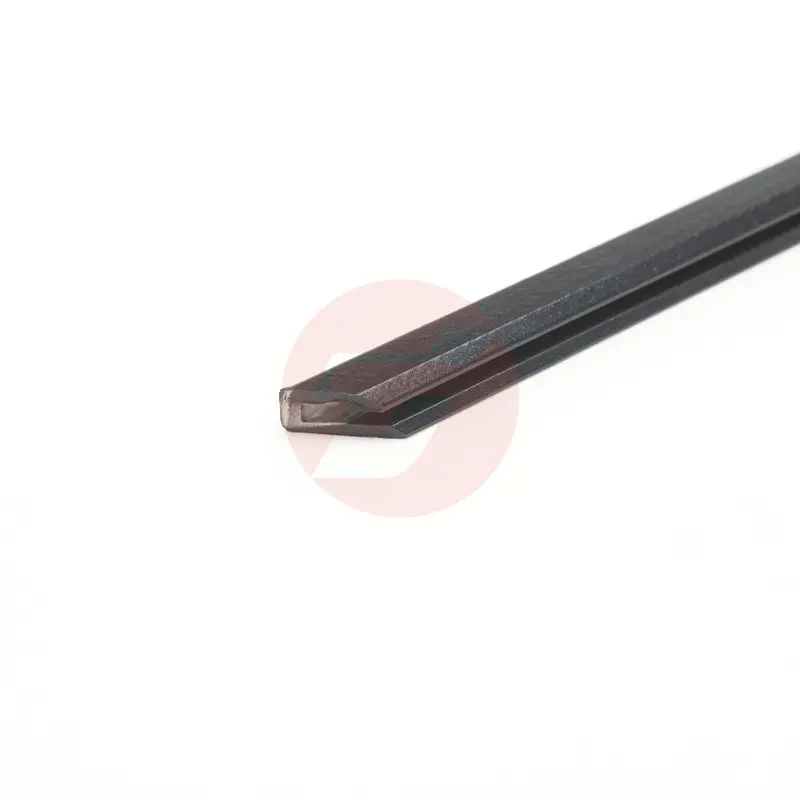
Manufacturing high-quality composite products requires precise tooling, and glass fiber pultrusion molds serve as the foundation for successful pultrusion processes. These specialized molds determine the dimensional accuracy, surface finish, and overall quality of pultruded profiles used across aerospace, construction, and industrial applications. Understanding how to evaluate mold quality becomes crucial for manufacturers seeking consistent production outcomes and long-term operational efficiency.
Material Composition and Construction Standards
Steel Grade Selection and Heat Treatment
The foundation of quality glass fiber pultrusion molds begins with appropriate steel selection and heat treatment processes. Premium molds utilize high-grade tool steels such as P20, H13, or specialized stainless steel alloys that offer superior wear resistance and thermal stability. These materials undergo precise heat treatment cycles to achieve optimal hardness levels typically ranging from 28-32 HRC, ensuring durability under continuous production conditions.
Heat treatment quality directly impacts mold performance and longevity. Properly treated glass fiber pultrusion molds exhibit uniform hardness distribution throughout the cavity surfaces, preventing premature wear patterns that could compromise product quality. Advanced heat treatment processes include vacuum hardening and tempering cycles that minimize distortion while maximizing material properties.
Surface Finishing and Coating Technologies
Surface finish quality significantly influences the final product appearance and release characteristics of glass fiber pultrusion molds. Premium molds feature mirror-polished cavity surfaces with roughness values below Ra 0.2 micrometers, achieved through progressive polishing techniques using diamond compounds and specialized equipment.
Advanced coating technologies further enhance mold performance by providing additional protection against resin adhesion and chemical attack. Specialized coatings such as chromium plating, nickel-based treatments, or ceramic applications create non-stick surfaces that facilitate easy part removal while extending mold service life.
Dimensional Accuracy and Geometric Precision
Tolerance Specifications and Measurement Methods
Evaluating dimensional accuracy requires comprehensive measurement protocols using precision instruments such as coordinate measuring machines (CMMs) and laser scanning systems. High-quality glass fiber pultrusion molds maintain dimensional tolerances within ±0.05mm for critical dimensions, ensuring consistent product geometry across production runs.
Geometric precision encompasses various aspects including straightness, flatness, and angular accuracy. Professional mold manufacturers provide detailed inspection reports documenting dimensional compliance, with measurements traceable to international standards. These reports serve as quality benchmarks for ongoing production monitoring and mold performance assessment.
Cavity Profile Consistency
Profile consistency across the entire mold length represents a critical quality indicator for glass fiber pultrusion molds. Advanced manufacturing techniques ensure uniform cross-sectional geometry from die entry to exit, preventing dimensional variations that could affect product performance or assembly requirements.
Cross-sectional analysis using optical measurement systems reveals profile variations that might not be apparent through traditional measurement methods. Quality molds demonstrate profile consistency within 0.1mm deviation across their entire working length, maintaining product uniformity throughout the pultrusion process.
Thermal Management and Heat Distribution
Heating System Integration
Effective thermal management systems distinguish superior glass fiber pultrusion molds from basic alternatives. Quality molds incorporate strategically positioned heating channels that ensure uniform temperature distribution across the entire cavity surface. These channels typically utilize electric cartridge heaters or hot oil circulation systems, depending on specific application requirements.
Temperature uniformity directly affects resin curing characteristics and final product quality. Advanced mold designs feature multiple heating zones with independent temperature control, allowing operators to optimize thermal profiles for different resin systems and production speeds.
Thermal Insulation and Energy Efficiency
Quality glass fiber pultrusion molds incorporate effective thermal insulation systems that minimize heat loss while maintaining precise temperature control. Proper insulation reduces energy consumption and improves temperature stability, contributing to consistent product quality and reduced operating costs.
Thermal monitoring systems provide real-time temperature feedback across multiple mold zones, enabling operators to identify thermal inconsistencies before they impact product quality. Advanced systems include data logging capabilities that track thermal performance over extended periods.
Surface Treatment and Release Properties
Anti-Adhesion Technologies
Release properties represent a fundamental aspect of glass fiber pultrusion molds quality evaluation. Superior molds feature advanced anti-adhesion treatments that prevent resin buildup and facilitate smooth part extraction. These treatments may include specialized surface texturing, chemical treatments, or advanced coating applications.
Release agent compatibility becomes crucial for maintaining consistent production operations. Quality molds work effectively with minimal release agent application, reducing contamination risks and improving surface finish quality. Advanced surface treatments maintain their effectiveness over extended production cycles without degradation.
Corrosion Resistance and Chemical Compatibility
Chemical resistance evaluation ensures glass fiber pultrusion molds maintain their integrity when exposed to various resin systems and additives. Quality molds demonstrate excellent resistance to common pultrusion materials including polyester, vinyl ester, and epoxy resin systems without surface degradation or dimensional changes.
Long-term chemical exposure testing reveals potential compatibility issues before they affect production operations. Premium molds maintain their surface properties and dimensional stability even after extended exposure to aggressive chemical environments.
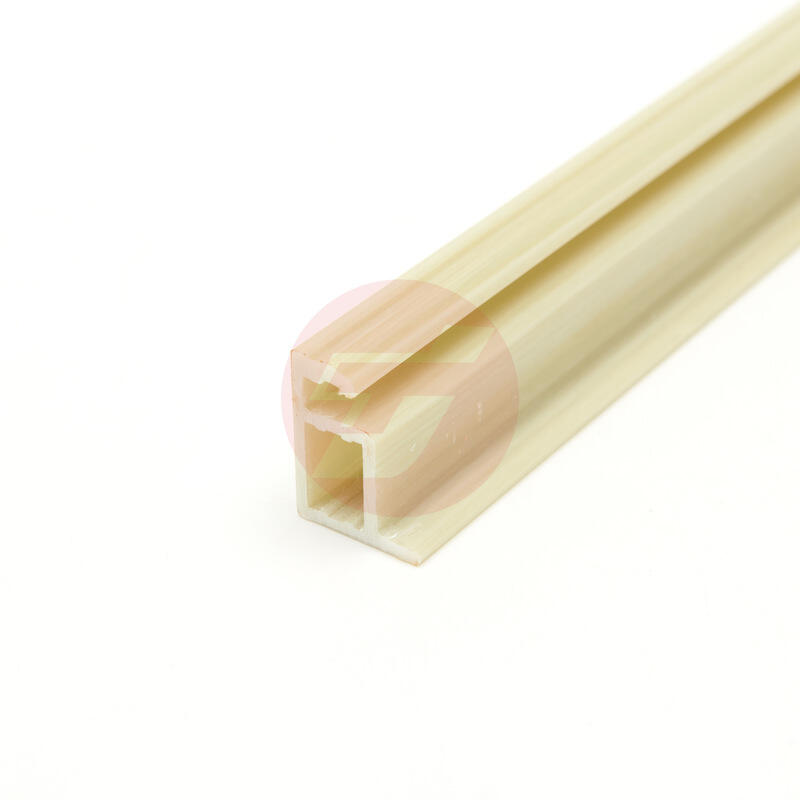
Manufacturing Quality Control Processes
Inspection Protocols and Documentation
Comprehensive quality control processes distinguish professional glass fiber pultrusion molds manufacturers from basic suppliers. Quality manufacturers implement rigorous inspection protocols at every manufacturing stage, from raw material verification through final assembly testing.
Documentation packages include material certificates, dimensional inspection reports, surface finish measurements, and performance test results. These documents provide complete traceability and serve as reference standards for ongoing quality monitoring throughout the mold's service life.
Performance Testing and Validation
Pre-delivery testing protocols verify mold performance under actual production conditions. Quality glass fiber pultrusion molds undergo trial runs using customer-specified materials and processing parameters, ensuring optimal performance from initial installation.
Validation testing includes thermal cycling, dimensional stability assessment, and release performance evaluation. These tests identify potential issues before delivery, allowing manufacturers to address concerns during the manufacturing phase rather than after installation.
Long-term Performance and Maintenance Considerations
Wear Resistance and Service Life
Evaluating long-term performance characteristics helps determine the true value of glass fiber pultrusion molds investments. Quality molds demonstrate consistent performance over thousands of production cycles without significant dimensional changes or surface degradation.
Wear pattern analysis reveals mold design effectiveness and material selection appropriateness. Superior molds exhibit minimal wear in critical areas while maintaining dimensional accuracy throughout their service life. Regular performance monitoring helps optimize maintenance schedules and identify potential improvement opportunities.
Maintenance Requirements and Serviceability
Maintenance accessibility represents an often-overlooked quality factor for glass fiber pultrusion molds. Well-designed molds feature accessible heating elements, temperature sensors, and cooling channels that facilitate routine maintenance operations without extensive disassembly.
Service documentation includes detailed maintenance procedures, recommended service intervals, and replacement part specifications. Quality manufacturers provide comprehensive technical support throughout the mold's service life, ensuring optimal performance and maximum return on investment.
FAQ
What are the key indicators of high-quality glass fiber pultrusion molds?
High-quality glass fiber pultrusion molds exhibit several key indicators including dimensional accuracy within ±0.05mm tolerances, uniform surface finish below Ra 0.2 micrometers, consistent thermal distribution across heating zones, and superior release properties requiring minimal release agent application. Additionally, quality molds feature robust construction using appropriate tool steels with proper heat treatment, comprehensive documentation packages, and demonstrated long-term performance under production conditions.
How do I assess the thermal management capabilities of pultrusion molds?
Thermal management assessment involves evaluating heating system design, temperature uniformity across mold surfaces, insulation effectiveness, and control system sophistication. Quality glass fiber pultrusion molds demonstrate temperature uniformity within ±5°C across the entire cavity surface, feature multiple independent heating zones, and include comprehensive thermal monitoring systems with data logging capabilities. Thermal cycling tests reveal temperature stability and response characteristics under varying production conditions.
What maintenance factors should I consider when evaluating mold quality?
Maintenance evaluation should focus on component accessibility, service interval requirements, wear resistance characteristics, and manufacturer support availability. Quality glass fiber pultrusion molds feature easily accessible heating elements and sensors, demonstrate minimal wear patterns over extended service periods, and come with comprehensive maintenance documentation. Additionally, manufacturer technical support availability and replacement part accessibility significantly impact long-term operational costs and downtime minimization.
How can I verify the dimensional accuracy of pultrusion molds before purchase?
Dimensional accuracy verification requires comprehensive inspection using precision measurement equipment such as coordinate measuring machines (CMMs) or laser scanning systems. Reputable manufacturers provide detailed inspection reports documenting dimensional compliance with specified tolerances. Additionally, requesting sample parts produced using the specific glass fiber pultrusion molds under consideration allows direct assessment of achievable dimensional accuracy and surface quality under actual production conditions.