High-Performance FRP Mold Solutions: Advanced Composite Manufacturing Technology

All Categories

Get a Free Quote

A professional manufacturer of composite material molds.
Email
WhatsApp
Name
Company Name
Message
0/1000
Attachment
Please upload at least an attachment
Up to 3 files,more 30mb,suppor jpg、jpeg、png、pdf、doc、docx、xls、xlsx、csv、txt

frp mold

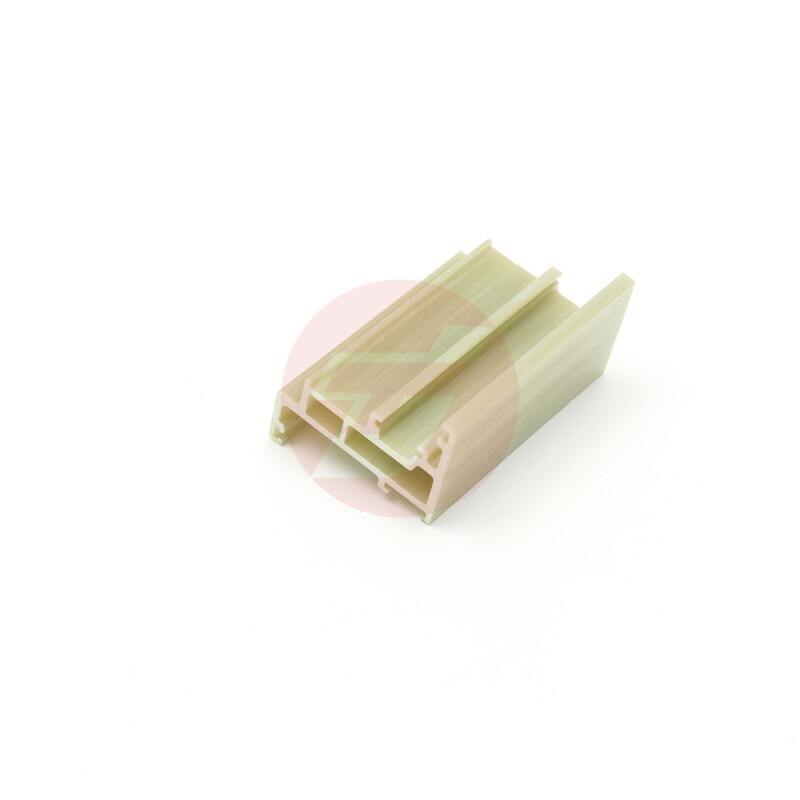
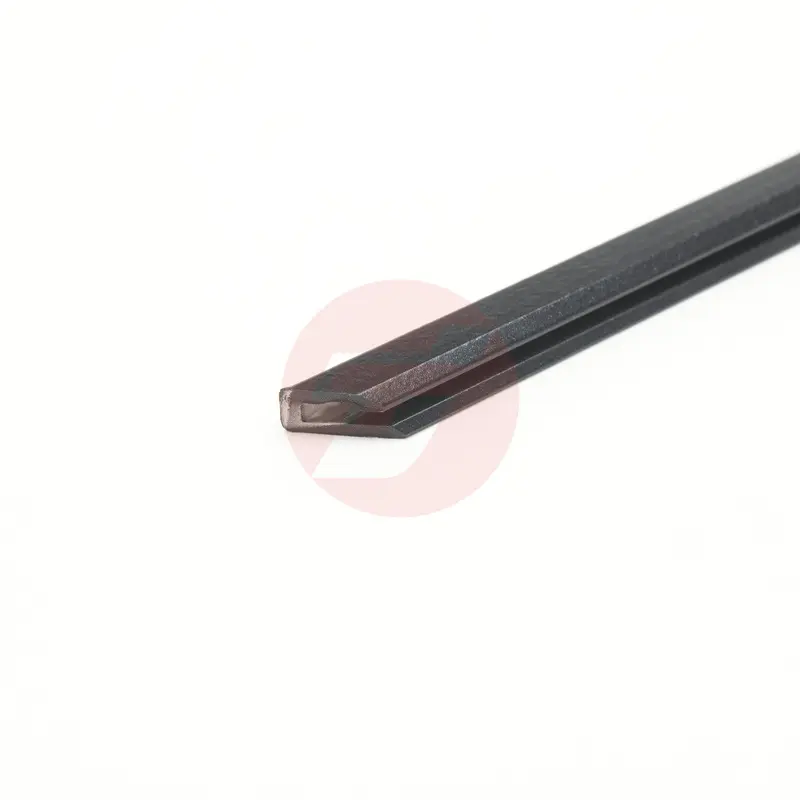
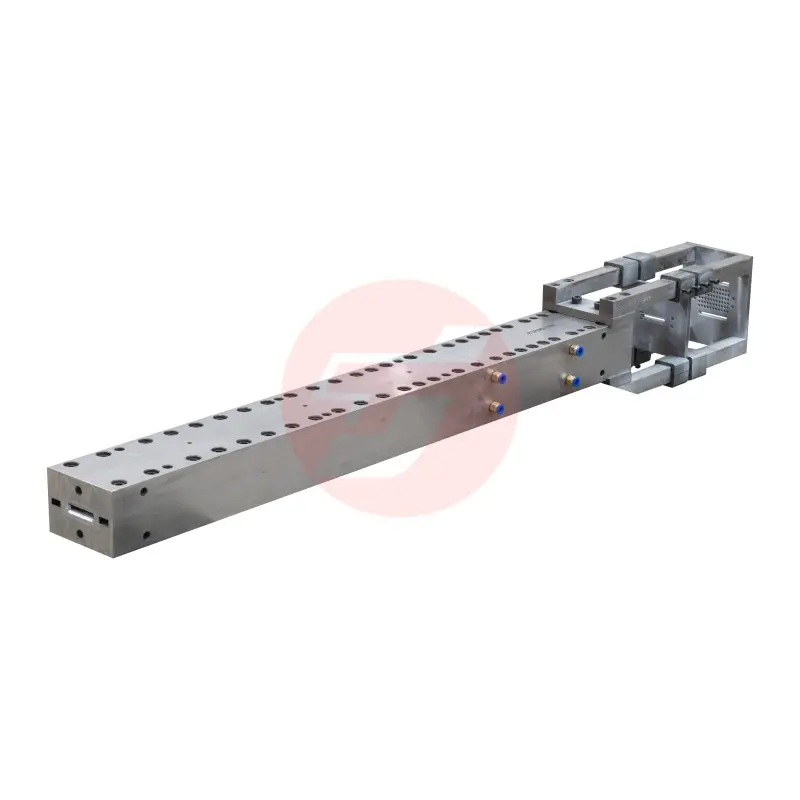
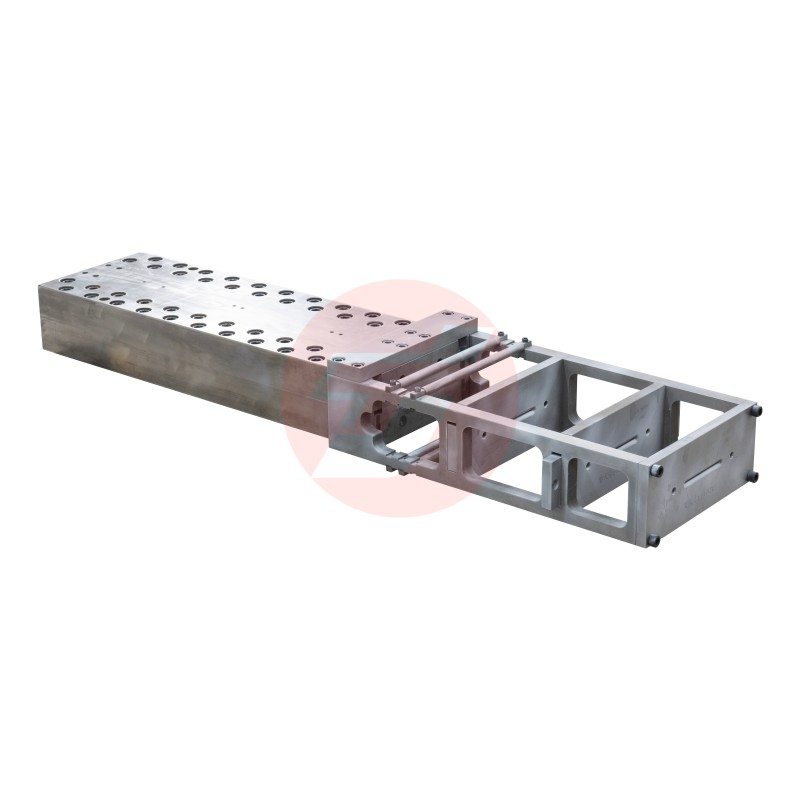
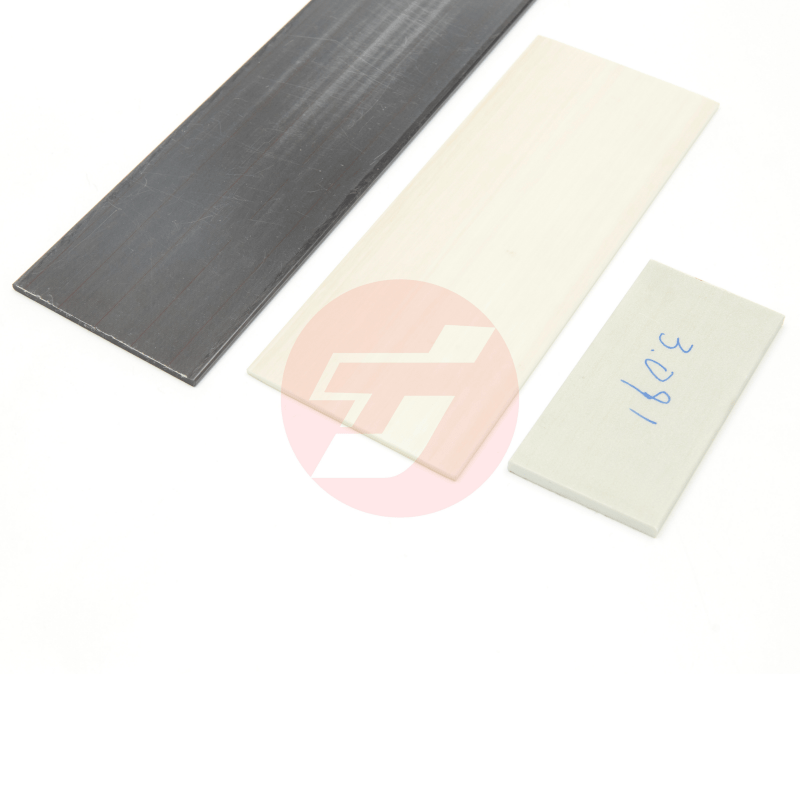
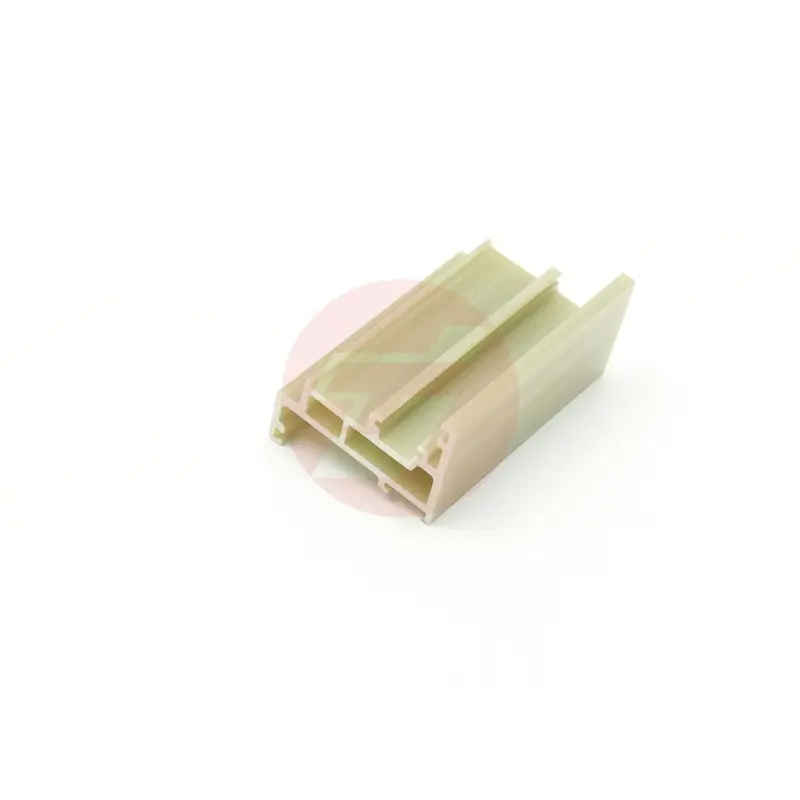
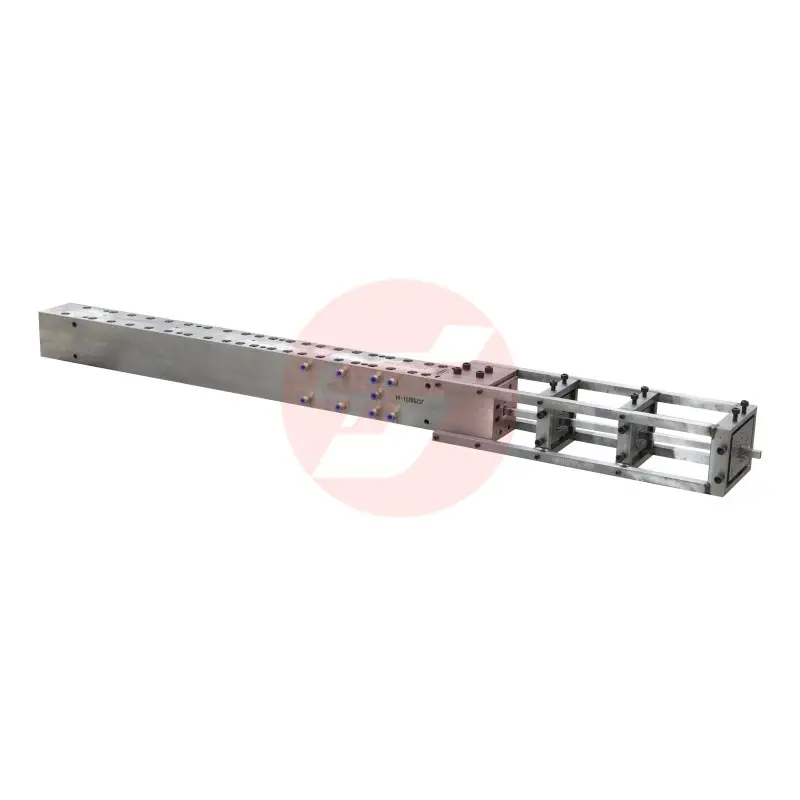
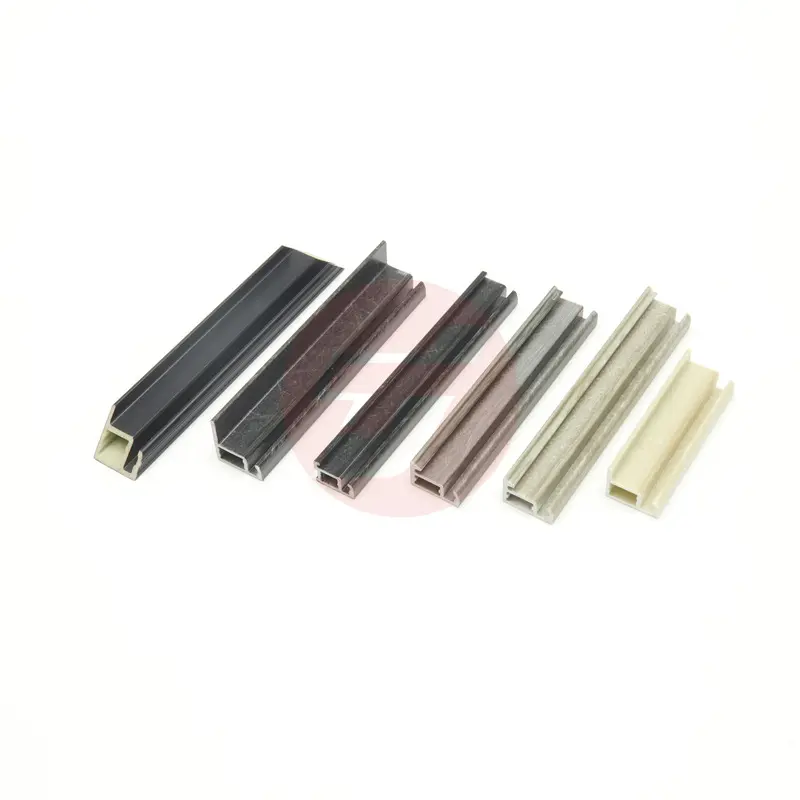
FRP mold technology represents a revolutionary advancement in composite manufacturing, offering unprecedented flexibility and precision for creating fiber-reinforced plastic components. These specialized molds utilize advanced fiberglass construction techniques to deliver superior performance across diverse industrial applications. The fundamental design of an FRP mold incorporates multiple layers of reinforced materials, creating a robust framework capable of withstanding extreme temperatures and pressures during the molding process. Manufacturing professionals rely on these molds to produce high-quality composite parts with exceptional dimensional accuracy and surface finish quality. The technological foundation of FRP mold systems centers around their unique ability to maintain structural integrity while providing excellent thermal conductivity properties. This combination ensures optimal heat distribution throughout the molding process, resulting in consistent curing patterns and reduced cycle times. Modern FRP mold designs incorporate sophisticated release mechanisms that facilitate easy part removal without compromising surface quality or dimensional tolerances. The versatility of these molding systems extends across numerous industries, including aerospace, automotive, marine, and construction sectors. Aerospace manufacturers particularly value FRP mold technology for producing lightweight yet strong components that meet stringent safety requirements. The automotive industry leverages these molds to create aerodynamic body panels and structural elements that enhance vehicle performance while reducing overall weight. Marine applications benefit from the corrosion-resistant properties inherent in FRP mold construction, making them ideal for producing boat hulls, decks, and other water-exposed components. Construction professionals utilize these molds for architectural elements, structural panels, and decorative features that combine aesthetic appeal with functional durability. The precision capabilities of FRP mold technology enable manufacturers to achieve complex geometries and intricate details that would be challenging or impossible with traditional molding methods.

New Product Releases

FRP mold technology delivers exceptional cost-effectiveness compared to traditional metal molds, significantly reducing initial investment requirements while maintaining superior performance standards. Manufacturing operations benefit from lower tooling costs, as FRP mold construction requires less expensive materials and shorter production timeframes. The lightweight nature of these molds reduces handling complications and transportation expenses, allowing facilities to optimize their workflow efficiency and reduce operational overhead. Workers can easily maneuver FRP mold units without requiring heavy machinery or specialized lifting equipment, improving workplace safety and productivity levels. The thermal properties of FRP mold systems provide superior heat distribution characteristics, ensuring uniform temperature control throughout the molding process. This enhanced thermal management translates to more consistent product quality and reduced defect rates, ultimately improving manufacturing yield and customer satisfaction. The rapid heating and cooling cycles achievable with FRP mold technology significantly reduce production times, enabling manufacturers to meet tight delivery schedules and increase overall throughput capacity. Quality control becomes more manageable with FRP mold systems, as their stable dimensional properties minimize variations between production runs. Surface finish quality remains consistently high across extended production campaigns, reducing post-processing requirements and associated labor costs. The durability of FRP mold construction ensures long service life even under demanding production conditions, providing excellent return on investment for manufacturing operations. Maintenance requirements remain minimal compared to traditional molding systems, as FRP mold surfaces resist wear and corrosion that typically affect metal alternatives. The flexibility of FRP mold design allows for easy modifications and repairs, enabling manufacturers to adapt quickly to changing product requirements or design improvements. Environmental considerations favor FRP mold technology, as these systems typically consume less energy during operation and generate fewer harmful emissions compared to conventional molding processes. The recyclable nature of FRP mold materials aligns with sustainable manufacturing practices, supporting corporate environmental responsibility initiatives while reducing waste disposal costs.

Tips And Tricks

What Affects the Dimensional Accuracy of Epoxy Pultruded Products?

05

Jan

What Affects the Dimensional Accuracy of Epoxy Pultruded Products?

The dimensional accuracy of epoxy pultruded products plays a crucial role in determining their performance and suitability for various industrial applications. Manufacturing professionals across aerospace, automotive, and construction industries rely...
View More
How Does Polyurethane Enhance Performance in Pultruded Components?

05

Jan

How Does Polyurethane Enhance Performance in Pultruded Components?

The construction and manufacturing industries are constantly seeking materials that deliver superior performance while maintaining cost-effectiveness. Polyurethane pultrusion has emerged as a revolutionary process that combines the excellent properti...
View More
How Do Carbon Fiber Pultruded Products Improve Structural Strength?

13

Feb

How Do Carbon Fiber Pultruded Products Improve Structural Strength?

Carbon fiber pultruded products represent a revolutionary advancement in structural engineering, offering exceptional strength-to-weight ratios that surpass traditional materials like steel and aluminum. These advanced composite materials are manufac...
View More
Which Applications Benefit Most From Carbon Fiber Pultruded Components?

13

Feb

Which Applications Benefit Most From Carbon Fiber Pultruded Components?

Carbon fiber pultruded components have revolutionized manufacturing across numerous industries, offering exceptional strength-to-weight ratios and superior durability compared to traditional materials. These advanced composite structures are created ...
View More

Get a Free Quote

A professional manufacturer of composite material molds.
Email
WhatsApp
Name
Company Name
Message
0/1000
Attachment
Please upload at least an attachment
Up to 3 files,more 30mb,suppor jpg、jpeg、png、pdf、doc、docx、xls、xlsx、csv、txt

frp mold

Advanced Thermal Management System

Advanced Thermal Management System

The sophisticated thermal management capabilities of FRP mold technology revolutionize composite manufacturing by providing precise temperature control throughout the entire molding process. This advanced system incorporates strategically positioned heating elements and thermal distribution channels that ensure uniform heat transfer across all mold surfaces. The unique material composition of the FRP mold allows for rapid thermal response, enabling quick heating cycles that significantly reduce production time while maintaining consistent temperature profiles. Manufacturing professionals benefit from the enhanced thermal stability that prevents hot spots and temperature variations that could compromise product quality. The thermal conductivity properties of FRP mold construction facilitate efficient energy transfer, resulting in lower energy consumption compared to traditional molding systems. This improved efficiency translates directly into reduced operational costs and enhanced environmental sustainability for manufacturing operations. The precise thermal control achievable with FRP mold technology enables manufacturers to optimize curing cycles for different resin systems and composite materials, ensuring proper cross-linking and maximum material properties in finished products. Temperature monitoring systems integrated into modern FRP mold designs provide real-time feedback, allowing operators to make immediate adjustments and maintain optimal processing conditions throughout production runs. The thermal mass characteristics of FRP mold construction provide excellent temperature stability, minimizing fluctuations that could affect dimensional accuracy or surface finish quality. Advanced insulation techniques employed in FRP mold design help maintain consistent temperatures while reducing heat loss to the surrounding environment, further improving energy efficiency and process control. The ability to achieve precise thermal gradients within the FRP mold enables manufacturers to create complex composite structures with varying material properties and performance characteristics tailored to specific application requirements.
Superior Dimensional Accuracy and Surface Quality

Superior Dimensional Accuracy and Surface Quality

FRP mold technology delivers unparalleled dimensional precision and surface finish excellence, establishing new standards for composite part manufacturing across diverse industrial applications. The inherent stability of FRP mold construction ensures consistent dimensional accuracy throughout extended production runs, eliminating the warping and distortion issues commonly associated with traditional molding systems. This dimensional stability results from the carefully engineered fiber reinforcement patterns and resin matrix combinations that provide exceptional structural integrity under varying thermal and mechanical stresses. Manufacturing operations benefit from the smooth, non-porous surface characteristics of properly constructed FRP mold systems, which directly transfer to the finished composite parts without requiring extensive post-processing operations. The surface quality achieved with FRP mold technology often eliminates the need for additional finishing steps, reducing labor costs and production time while improving overall manufacturing efficiency. Precision machining capabilities allow FRP mold surfaces to be finished to extremely tight tolerances, enabling the production of high-precision components that meet demanding aerospace, automotive, and industrial specifications. The consistent surface texture provided by FRP mold technology ensures uniform appearance across all manufactured parts, crucial for applications where aesthetic considerations are important alongside functional performance requirements. Quality control becomes more predictable with FRP mold systems, as their stable properties minimize variation between production cycles and enable manufacturers to achieve repeatable results with confidence. The excellent detail reproduction capabilities of FRP mold surfaces allow for the creation of complex geometric features, intricate patterns, and fine surface textures that enhance both functional performance and visual appeal of finished products. Long-term dimensional stability ensures that FRP mold systems maintain their precision characteristics throughout their service life, providing consistent results even after thousands of molding cycles and contributing to sustained manufacturing quality standards.
Exceptional Durability and Maintenance Efficiency

Exceptional Durability and Maintenance Efficiency

The exceptional durability characteristics of FRP mold systems provide manufacturers with long-lasting, reliable tooling solutions that maintain performance excellence throughout extended service periods. Advanced composite construction techniques used in FRP mold manufacturing create structures that resist the wear, corrosion, and thermal cycling damage that commonly affects traditional metal molds. This enhanced durability translates into significantly extended service life, reducing replacement frequency and associated downtime costs that can severely impact manufacturing productivity. The chemical resistance properties inherent in FRP mold construction protect against degradation from aggressive chemicals, solvents, and cleaning agents commonly used in composite manufacturing processes. This chemical stability ensures that mold surfaces remain smooth and dimensionally accurate even after repeated exposure to harsh processing environments and cleaning procedures. Maintenance requirements for FRP mold systems remain minimal compared to traditional alternatives, as their non-metallic construction eliminates concerns about rust, oxidation, and galvanic corrosion that plague metal molds. When maintenance is required, FRP mold repairs can often be performed in-house using standard composite repair techniques, reducing downtime and external service costs. The impact resistance of properly designed FRP mold construction provides protection against accidental damage during handling, storage, and production operations, minimizing the risk of costly repairs or premature replacement. Thermal cycling resistance ensures that FRP mold systems maintain their structural integrity and dimensional stability even under demanding production schedules involving frequent heating and cooling cycles. The lightweight nature of FRP mold construction reduces mechanical stress on supporting equipment and handling systems, contributing to extended equipment life and reduced maintenance requirements throughout the manufacturing facility. Surface treatments available for FRP mold systems can further enhance durability and performance characteristics, providing additional protection against specific environmental challenges or processing requirements encountered in specialized manufacturing applications.


Get a Free Quote

A professional manufacturer of composite material molds.
Email
WhatsApp
Name
Company Name
Message
0/1000
Attachment
Please upload at least an attachment
Up to 3 files,more 30mb,suppor jpg、jpeg、png、pdf、doc、docx、xls、xlsx、csv、txt