Superior Environmental Resistance and Durability
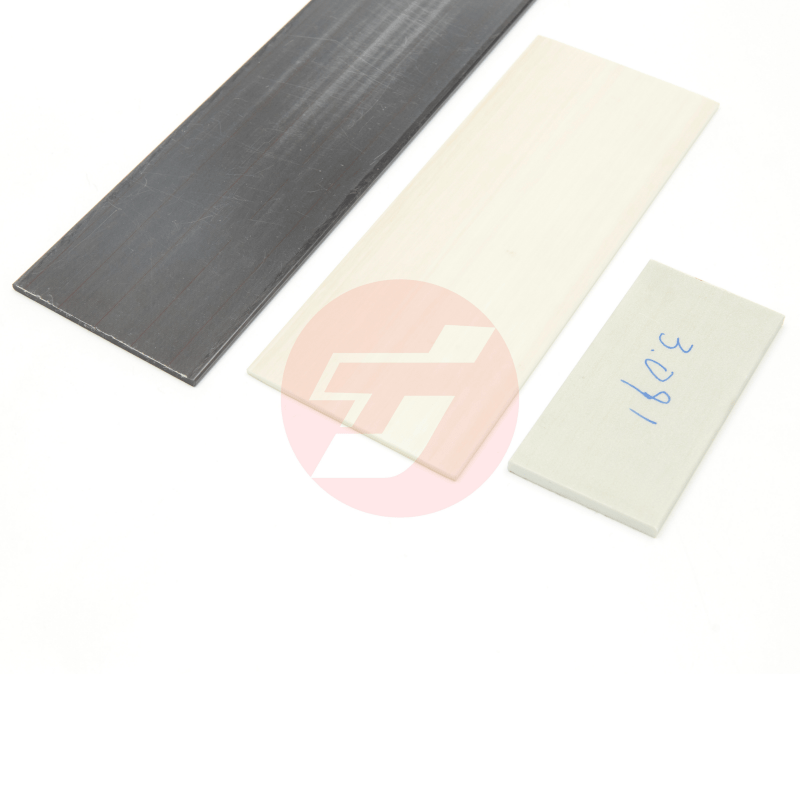
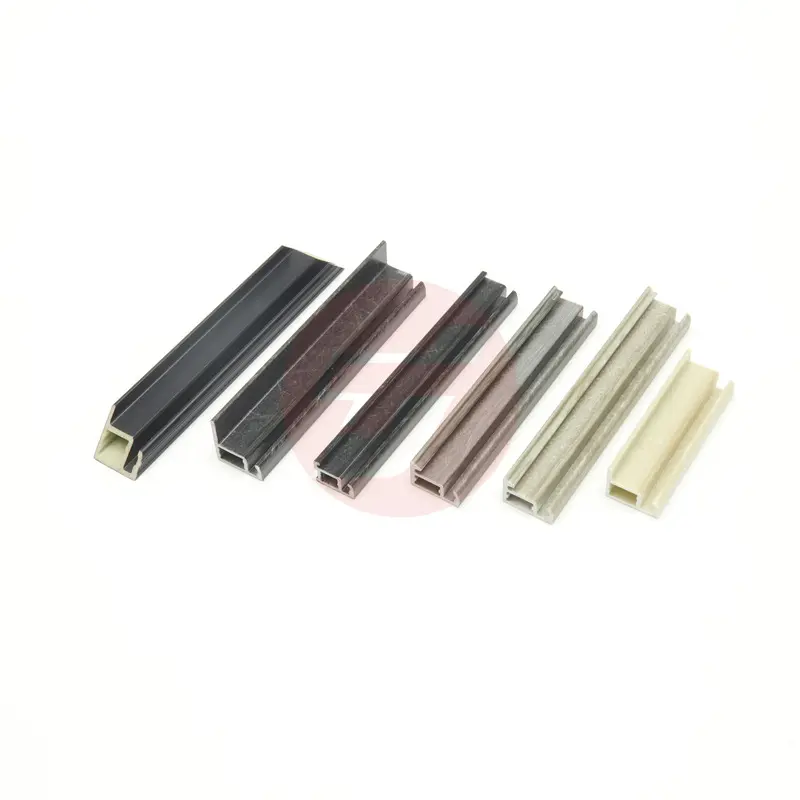
Superior environmental resistance and durability characteristics of lightweight composites provide users with long-term value propositions that significantly exceed those of traditional materials in challenging operating environments. Unlike metallic materials that suffer from galvanic corrosion, oxidation, and chemical degradation, lightweight composites maintain their structural integrity and appearance across decades of exposure to harsh environmental conditions. This resistance encompasses protection against saltwater corrosion, ultraviolet radiation, temperature cycling, chemical exposure, and biological attack, making these materials ideal for marine, offshore, chemical processing, and outdoor infrastructure applications. The polymer matrix systems used in lightweight composites can be formulated to resist specific environmental challenges, with epoxy systems providing excellent chemical resistance, vinyl ester resins offering superior corrosion protection, and specialized formulations designed for extreme temperature service. Glass fiber reinforced composites demonstrate remarkable longevity in corrosive environments, with documented service lives exceeding 50 years in marine applications where steel structures would require replacement multiple times. Carbon fiber composites exhibit exceptional fatigue resistance, withstanding millions of load cycles without the crack initiation and propagation that plague metallic structures, particularly valuable in rotating machinery and cyclically loaded applications. The dimensional stability of lightweight composites under thermal cycling prevents the expansion and contraction stresses that cause joint failures and seal degradation in traditional structures. This stability proves crucial in precision applications where maintaining tight tolerances over extended periods ensures continued performance and eliminates costly recalibration or adjustment procedures. Maintenance cost reductions represent a primary economic benefit of superior environmental resistance, as lightweight composites eliminate the need for protective coatings, cathodic protection systems, and scheduled replacement programs required for metallic alternatives. Infrastructure owners report maintenance cost savings of 70-90% over the design life of composite structures compared to steel or concrete alternatives. The resistance to biological attack prevents the degradation associated with bacterial corrosion and marine fouling, maintaining structural performance and aesthetic appearance without costly cleaning or treatment procedures. Fire resistance properties can be engineered into lightweight composites through flame-retardant additives and specialized fiber treatments, providing safety performance that meets or exceeds building codes and transportation regulations while maintaining the fundamental advantages of reduced weight and corrosion resistance.

 EN
EN