epoxy pultrusion profiles for aerospace
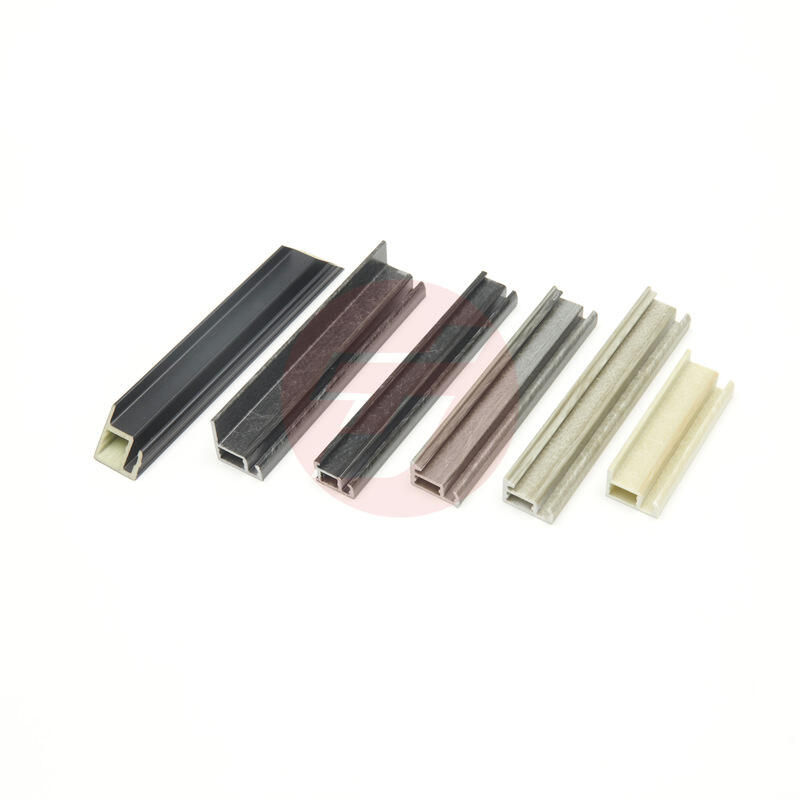
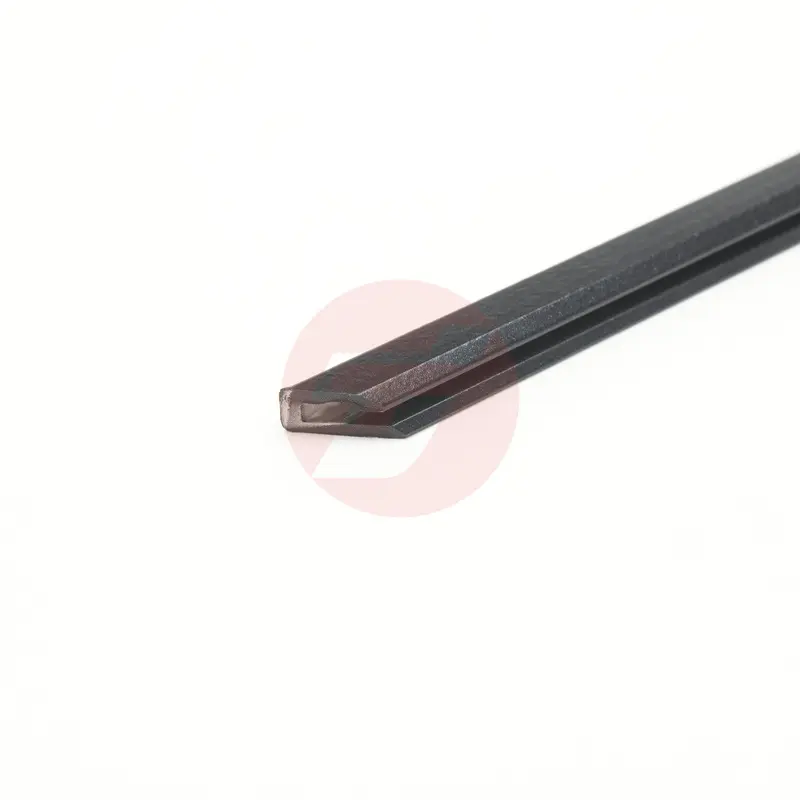
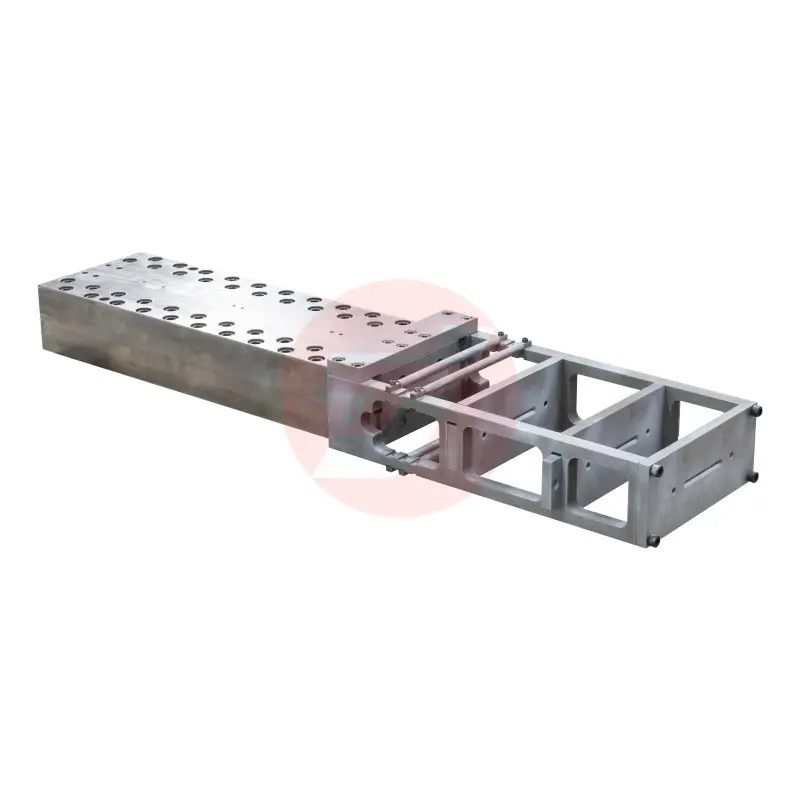
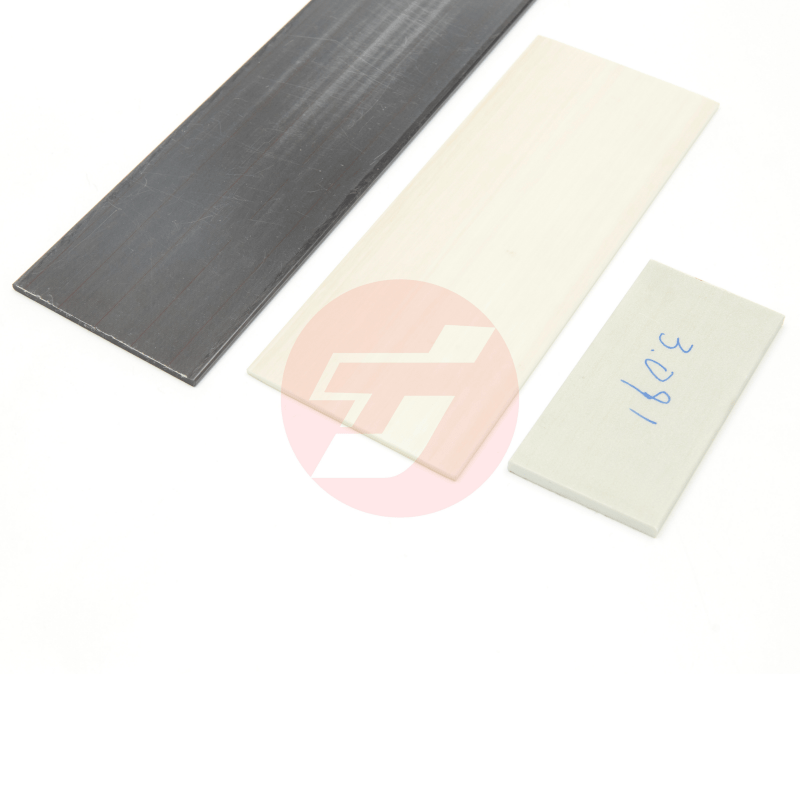
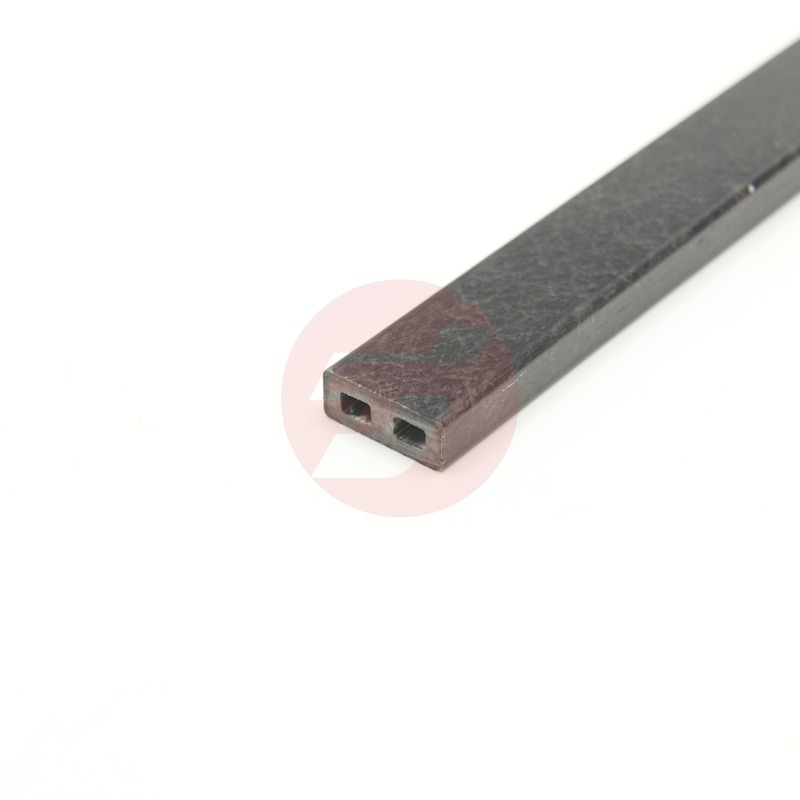
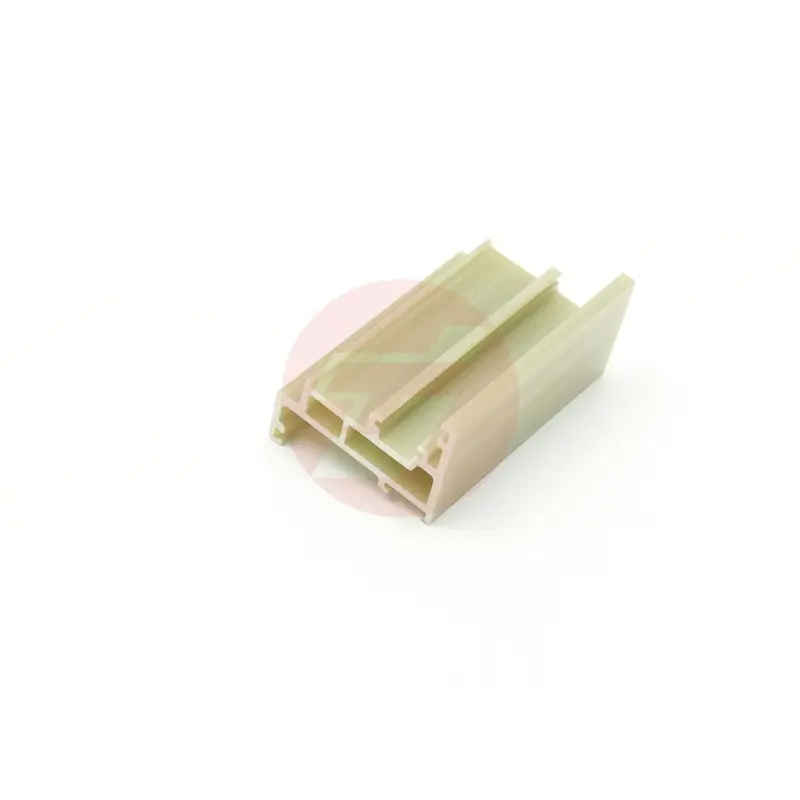
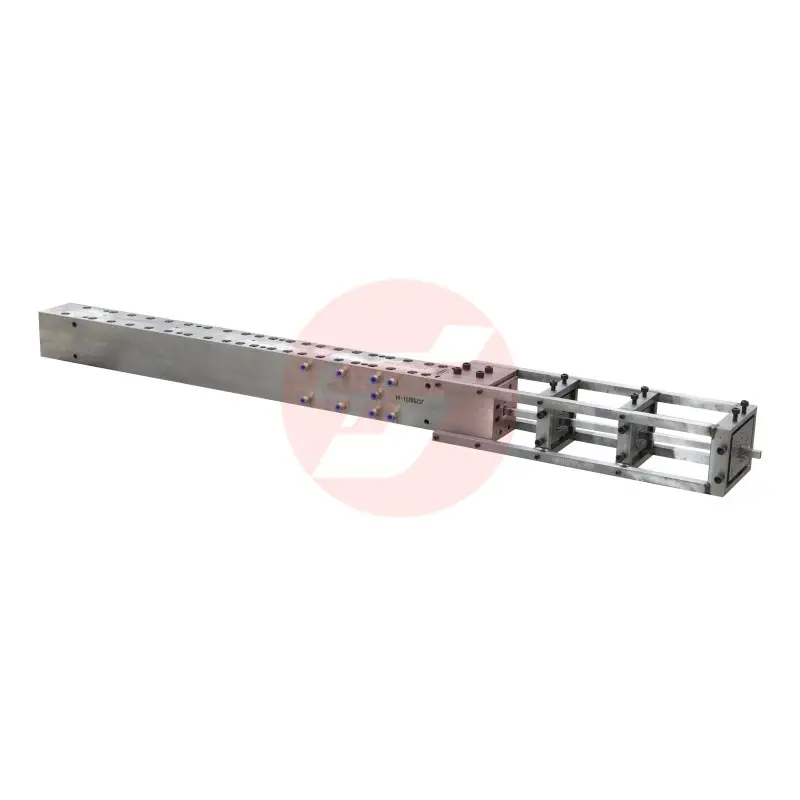
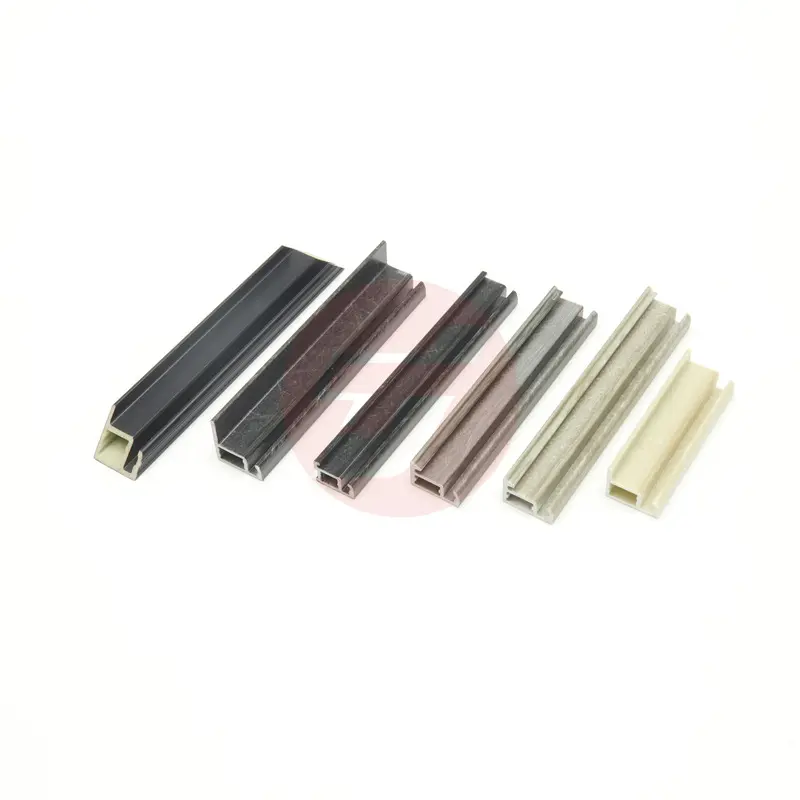
Epoxy pultrusion profiles for aerospace represent a revolutionary advancement in composite manufacturing technology, specifically engineered to meet the demanding requirements of modern aviation and space applications. These specialized structural components are produced through a continuous pultrusion process that combines high-performance epoxy resin systems with reinforcing fibers, typically carbon or glass, to create profiles with exceptional strength-to-weight ratios and superior mechanical properties. The pultrusion manufacturing process involves pulling continuous fiber reinforcements through a heated die while simultaneously impregnating them with epoxy resin, resulting in profiles with consistent cross-sectional geometry and uniform material properties throughout their length. The main functions of epoxy pultrusion profiles for aerospace include providing structural support in aircraft frames, wing components, fuselage sections, and satellite structures where weight reduction and strength optimization are critical factors. These profiles serve as load-bearing elements that can withstand extreme environmental conditions including temperature fluctuations, moisture exposure, and mechanical stress cycles common in aerospace operations. Technological features of epoxy pultrusion profiles for aerospace encompass advanced fiber architecture designs, customized resin formulations with enhanced fire resistance, and precise dimensional tolerances that ensure seamless integration into complex aerospace assemblies. The manufacturing process enables the incorporation of multiple fiber orientations within a single profile, optimizing directional strength properties to match specific load requirements. Additionally, these profiles can be engineered with integrated features such as mounting points, channels for wiring or fluid lines, and aerodynamic surfaces that eliminate the need for secondary machining operations. Applications for epoxy pultrusion profiles for aerospace span across commercial aviation, military aircraft, unmanned aerial vehicles, spacecraft structures, and ground support equipment. In commercial aircraft, these profiles are utilized in cabin interior frameworks, cargo compartment structures, and wing trailing edge components where weight savings directly translate to fuel efficiency improvements. Military applications leverage the profiles' ability to withstand harsh operational environments while maintaining structural integrity under combat conditions.

 EN
EN