Advanced Epoxy Composite Products: Superior Performance Materials for Industrial Applications

All Categories

Get a Free Quote

A professional manufacturer of composite material molds.
Email
WhatsApp
Name
Company Name
Message
0/1000
Attachment
Please upload at least an attachment
Up to 3 files,more 30mb,suppor jpg、jpeg、png、pdf、doc、docx、xls、xlsx、csv、txt

epoxy composite products

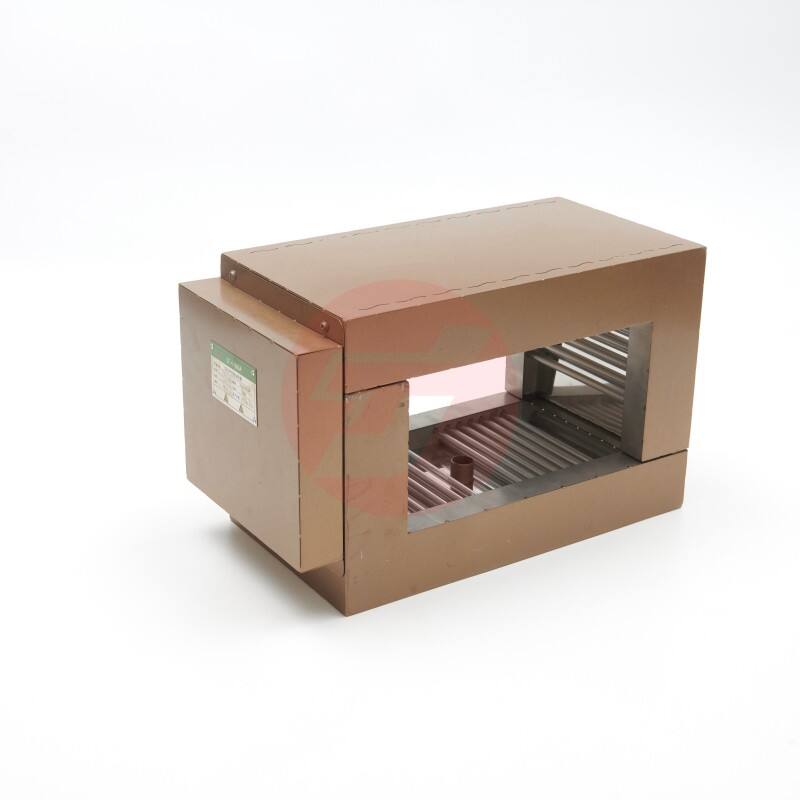
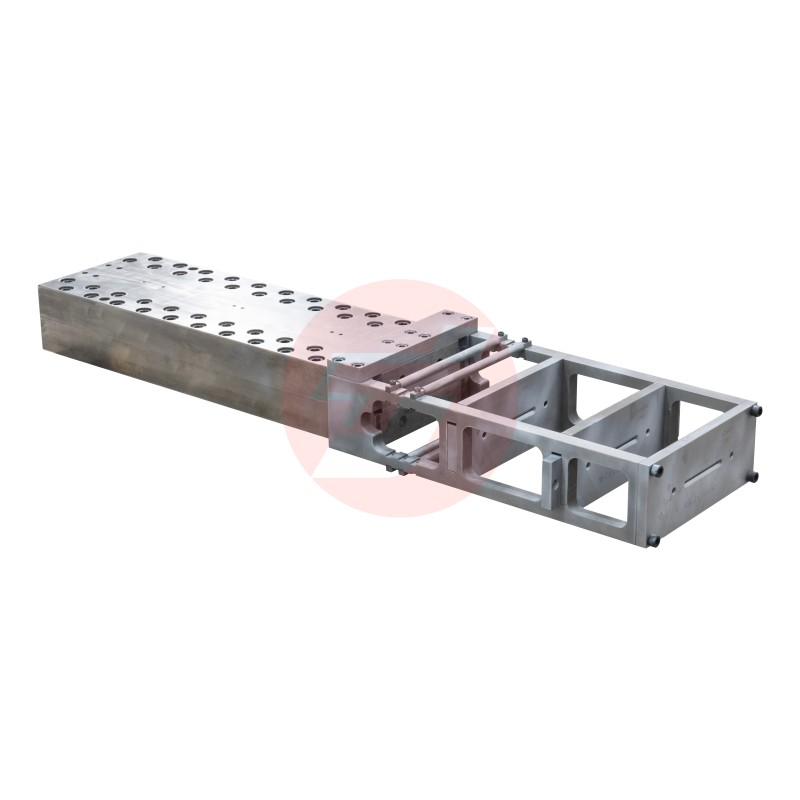
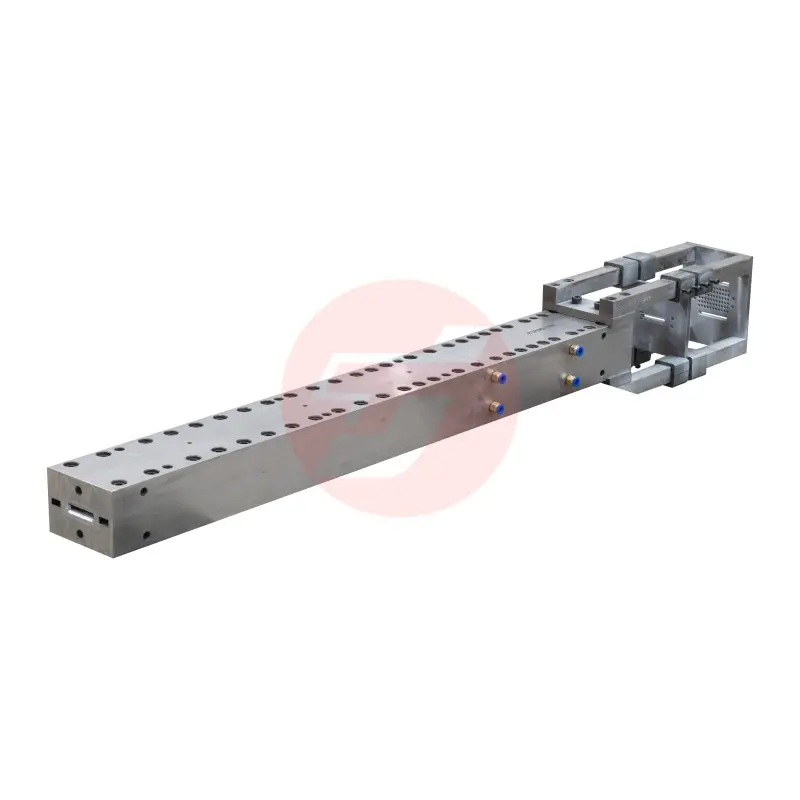
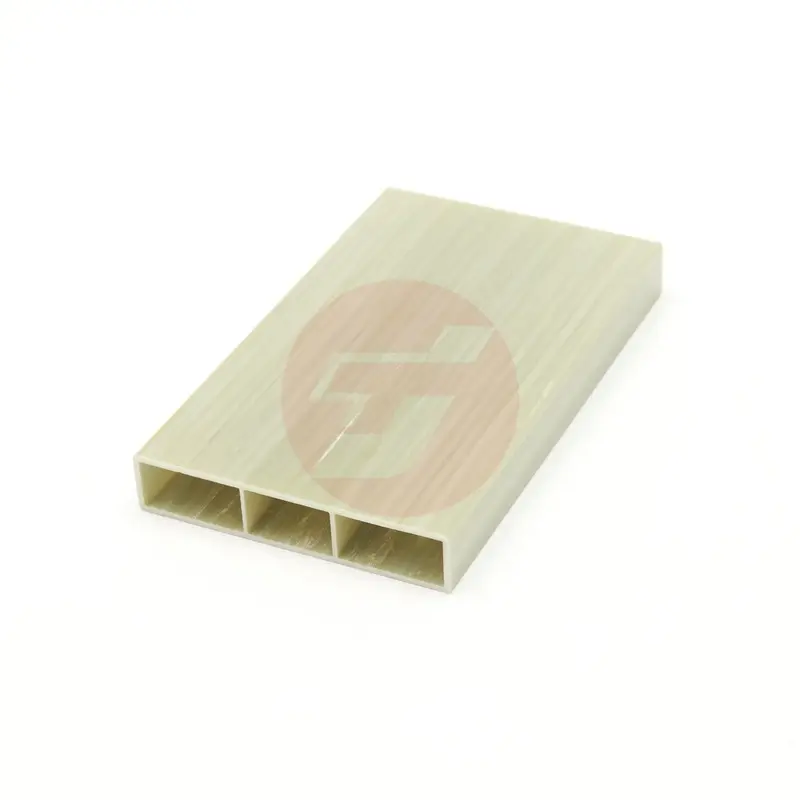
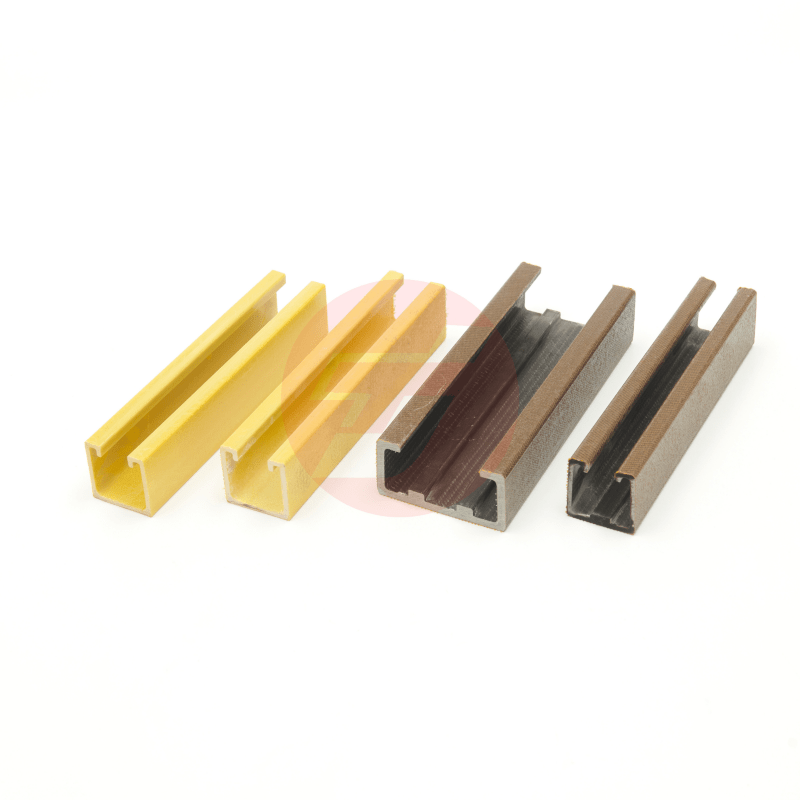
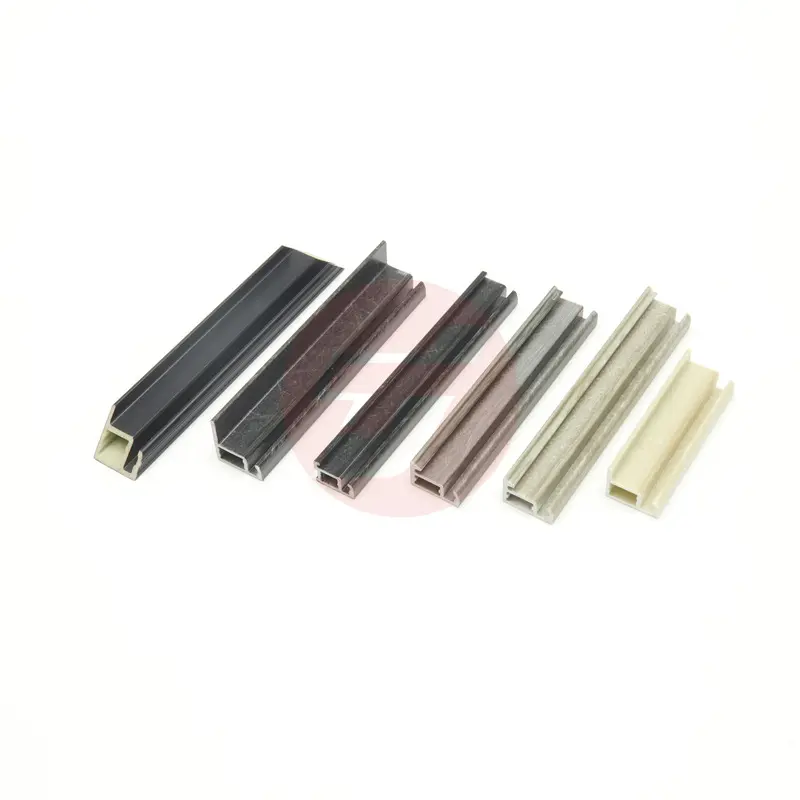
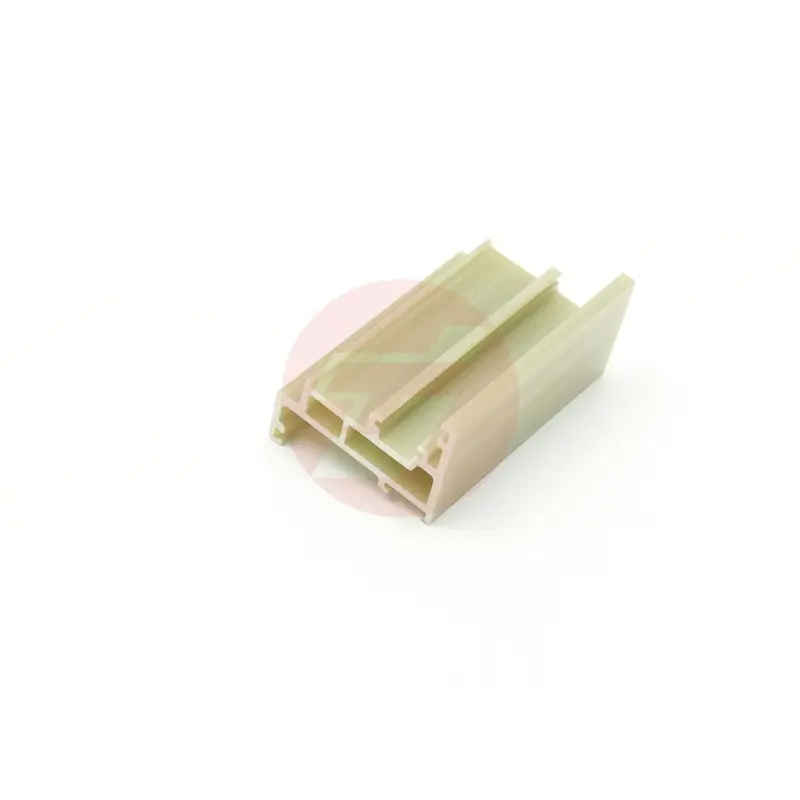
Epoxy composite products represent a revolutionary class of advanced materials that combine epoxy resin matrices with reinforcing fibers to create exceptionally strong and versatile solutions for modern industrial applications. These sophisticated materials leverage the outstanding adhesive properties of epoxy resins while incorporating various reinforcing elements such as carbon fiber, glass fiber, or aramid fibers to achieve superior mechanical performance characteristics. The primary functions of epoxy composite products encompass structural reinforcement, corrosion resistance, electrical insulation, and thermal stability across diverse operating environments. These materials excel in applications requiring high strength-to-weight ratios, dimensional stability, and long-term durability under challenging conditions. The technological features of epoxy composite products include exceptional tensile strength, outstanding chemical resistance, superior fatigue performance, and excellent adhesion properties that make them ideal for demanding engineering applications. Manufacturing processes for these materials typically involve advanced techniques such as resin transfer molding, vacuum infusion, or prepreg layup procedures that ensure optimal fiber-to-resin ratios and minimal void content. The curing process of epoxy composite products can be tailored through temperature and time parameters to achieve specific mechanical properties and performance characteristics. Key applications span aerospace components, automotive parts, marine structures, wind energy systems, sporting goods, and industrial equipment where traditional materials fall short of performance requirements. In aerospace applications, epoxy composite products provide critical weight savings while maintaining structural integrity for aircraft fuselages, wing components, and interior panels. The automotive industry utilizes these materials for body panels, chassis components, and interior elements that require both strength and lightweight characteristics. Marine applications benefit from the inherent corrosion resistance and water-resistant properties that make epoxy composite products ideal for boat hulls, deck structures, and offshore installations. Wind energy systems rely heavily on these materials for turbine blades and nacelle components that must withstand extreme weather conditions and cyclic loading over decades of operation.


New Products

Epoxy composite products deliver numerous practical advantages that translate directly into cost savings and performance improvements for businesses and manufacturers across various industries. The exceptional strength-to-weight ratio of these materials allows engineers to design lighter structures without compromising structural integrity, resulting in reduced material usage and transportation costs. This weight reduction proves particularly valuable in aerospace and automotive applications where every pound saved contributes to improved fuel efficiency and enhanced performance metrics. The outstanding corrosion resistance of epoxy composite products eliminates the need for frequent maintenance cycles and protective coatings that traditional metal components require, significantly reducing long-term operational expenses. These materials maintain their structural properties and appearance even when exposed to harsh chemicals, saltwater environments, and extreme temperature fluctuations that would rapidly degrade conventional materials. The dimensional stability of epoxy composite products ensures that critical tolerances remain consistent throughout the service life of components, reducing warranty claims and replacement costs for manufacturers. Manufacturing flexibility represents another significant advantage, as epoxy composite products can be molded into complex geometries that would be impossible or prohibitively expensive to achieve with traditional materials like metals or ceramics. This design freedom allows engineers to optimize part functionality while minimizing assembly requirements and reducing overall system complexity. The excellent fatigue resistance of these materials means components can withstand millions of loading cycles without developing cracks or failures that plague metal alternatives. Electrical insulation properties make epoxy composite products ideal for applications in power generation, transmission systems, and electronic equipment where safety and reliability are paramount concerns. The rapid prototyping capabilities enabled by epoxy composite products allow manufacturers to accelerate product development cycles and bring innovations to market faster than competitors using traditional materials. Quality control advantages include consistent material properties from batch to batch, reducing variability in final product performance and improving manufacturing yield rates. Environmental benefits include recyclability options for certain epoxy composite products and reduced energy consumption during production compared to energy-intensive processes required for metal fabrication. The versatility of these materials allows manufacturers to consolidate multiple components into single integrated structures, reducing inventory requirements, simplifying supply chains, and minimizing assembly labor costs while improving overall product reliability and performance.

Tips And Tricks

How Can Carbon Fiber Pultrusion Reduce Manufacturing Costs for B2B Buyers?

29

Dec

How Can Carbon Fiber Pultrusion Reduce Manufacturing Costs for B2B Buyers?

Manufacturing costs continue to challenge B2B buyers across industries, driving the need for innovative production methods that deliver superior performance while maintaining economic efficiency. Carbon fiber pultrusion has emerged as a transformativ...
View More
How Does Polyurethane Enhance Performance in Pultruded Components?

05

Jan

How Does Polyurethane Enhance Performance in Pultruded Components?

The construction and manufacturing industries are constantly seeking materials that deliver superior performance while maintaining cost-effectiveness. Polyurethane pultrusion has emerged as a revolutionary process that combines the excellent properti...
View More
How Do Pultrusion Molds Enhance Durability in Solar Frame Manufacturing?

05

Jan

How Do Pultrusion Molds Enhance Durability in Solar Frame Manufacturing?

Solar frame manufacturing has undergone significant technological advancement in recent years, with pultrusion molds emerging as a critical component in producing durable, high-performance photovoltaic frames. The integration of advanced pultrusion t...
View More
What Factors Determine the Lifespan of Carbon Fiber Pultruded Products?

13

Feb

What Factors Determine the Lifespan of Carbon Fiber Pultruded Products?

Carbon fiber pultrusion represents one of the most advanced manufacturing processes for creating high-performance composite materials with exceptional strength-to-weight ratios. This innovative technique produces continuous fiber-reinforced profiles ...
View More

Get a Free Quote

A professional manufacturer of composite material molds.
Email
WhatsApp
Name
Company Name
Message
0/1000
Attachment
Please upload at least an attachment
Up to 3 files,more 30mb,suppor jpg、jpeg、png、pdf、doc、docx、xls、xlsx、csv、txt

epoxy composite products

Superior Durability and Longevity Performance

Superior Durability and Longevity Performance

The exceptional durability characteristics of epoxy composite products stem from their unique molecular structure that creates an inherently stable material matrix capable of withstanding decades of service under demanding operational conditions. Unlike traditional materials that suffer from gradual degradation through oxidation, galvanic corrosion, or fatigue crack propagation, epoxy composite products maintain their structural integrity and performance characteristics throughout extended service lives that often exceed 25-30 years in critical applications. This remarkable longevity results from the cross-linked polymer network within the epoxy matrix that prevents moisture infiltration, chemical attack, and UV degradation that commonly affect other material systems. The reinforcing fibers embedded within the epoxy matrix distribute loads efficiently across the entire structure, preventing localized stress concentrations that typically initiate failure modes in homogeneous materials. Environmental resistance capabilities enable epoxy composite products to operate effectively in temperature ranges from cryogenic conditions to elevated service temperatures exceeding 200 degrees Celsius, while maintaining dimensional stability and mechanical properties that ensure consistent performance throughout thermal cycling. The inherent resistance to biological degradation means these materials remain unaffected by marine organisms, fungi, or bacteria that can compromise traditional materials in outdoor or marine environments. Fatigue resistance properties allow epoxy composite products to endure millions of loading cycles without developing the micro-cracks or stress concentrations that lead to catastrophic failures in metal components, making them ideal for rotating machinery, vibrating structures, and cyclically loaded applications. Impact resistance characteristics enable these materials to absorb and dissipate energy from sudden loading events without permanent deformation or structural damage, providing enhanced safety margins in critical applications. The self-reinforcing nature of damage in epoxy composite products means that local fiber breakage redistributes loads to adjacent fibers rather than propagating catastrophic failures, resulting in graceful degradation patterns that provide warning signs before complete structural failure occurs.
Exceptional Design Flexibility and Manufacturing Efficiency

Exceptional Design Flexibility and Manufacturing Efficiency

Epoxy composite products offer unparalleled design flexibility that enables engineers to create optimized structures with complex geometries, integrated functionality, and consolidated assemblies that would be impossible to achieve using conventional manufacturing methods and traditional materials. The moldability of these materials during the curing process allows manufacturers to produce components with intricate internal passages, varying wall thicknesses, and embedded features that eliminate secondary machining operations and reduce assembly requirements. This design freedom extends to the ability to tailor material properties directionally by controlling fiber orientation patterns, creating structures with optimized stiffness and strength characteristics precisely where needed while minimizing weight in less critical areas. The consolidation capabilities of epoxy composite products enable designers to integrate multiple functions into single components, eliminating joints, fasteners, and interfaces that typically represent potential failure points and sources of manufacturing variability in traditional assemblies. Advanced manufacturing techniques such as automated fiber placement and resin transfer molding allow for precise control over fiber volume fractions, void content, and cure parameters that ensure consistent quality and repeatable performance characteristics across production runs. The rapid prototyping advantages of epoxy composite products accelerate product development cycles by enabling engineers to quickly fabricate and test design iterations without the lengthy tooling development and setup costs associated with metal fabrication processes. Net-shape manufacturing capabilities minimize material waste and eliminate expensive secondary operations such as machining, welding, or surface finishing that add cost and complexity to traditional manufacturing processes. The scalability of production methods allows manufacturers to efficiently transition from prototype quantities to full production volumes using the same basic processes and tooling, reducing development risks and time-to-market pressures. Quality assurance benefits include the ability to embed sensors, monitoring systems, and smart materials directly into the structure during manufacturing, enabling real-time health monitoring and predictive maintenance capabilities that enhance operational safety and reliability while reducing maintenance costs throughout the service life of critical components and systems.
Outstanding Cost-Effectiveness and Return on Investment

Outstanding Cost-Effectiveness and Return on Investment

The long-term economic benefits of epoxy composite products far exceed initial material costs through reduced maintenance requirements, extended service life, and enhanced operational efficiency that deliver substantial return on investment for businesses across diverse industry sectors. Total cost of ownership calculations consistently demonstrate that epoxy composite products provide superior value compared to traditional materials when lifecycle costs including maintenance, replacement, downtime, and operational efficiency factors are properly considered in economic analyses. The maintenance reduction benefits stem from the inherent corrosion resistance and dimensional stability of these materials that eliminate the need for periodic painting, coating renewal, and protective treatments required by metal components in corrosive environments, resulting in significant labor and material cost savings over the operational lifetime of structures and equipment. Energy efficiency improvements achieved through weight reduction translate directly into fuel savings for transportation applications, reduced structural loads for buildings and bridges, and decreased power requirements for rotating machinery that compounds cost savings over years of operation. The enhanced performance characteristics of epoxy composite products enable system optimization that reduces the number of components required, simplifies assemblies, and improves overall reliability while reducing inventory carrying costs and supply chain complexity for manufacturers and end users. Manufacturing cost advantages include reduced tooling expenses for complex geometries, elimination of expensive joining processes, and higher production rates achievable through automated manufacturing techniques that improve labor productivity and reduce unit costs in high-volume applications. The customization capabilities of epoxy composite products enable manufacturers to optimize designs for specific applications without the tooling change costs and minimum order quantities associated with traditional materials, providing flexibility to serve niche markets and specialized requirements profitably. Insurance and liability benefits result from the superior safety performance and predictable failure modes of epoxy composite products that reduce accident risks and associated costs while potentially qualifying for reduced insurance premiums in safety-critical applications. The recyclability and environmental advantages of certain epoxy composite products provide additional economic benefits through reduced disposal costs and potential material recovery value at end-of-life, while supporting corporate sustainability initiatives that enhance brand value and market positioning for environmentally conscious customers and stakeholders.

Get a Free Quote

A professional manufacturer of composite material molds.
Email
WhatsApp
Name
Company Name
Message
0/1000
Attachment
Please upload at least an attachment
Up to 3 files,more 30mb,suppor jpg、jpeg、png、pdf、doc、docx、xls、xlsx、csv、txt