Premium Glass Fiber Pultruded Sheets - Superior Strength, Corrosion Resistance & Electrical Insulation

All Categories

Get a Free Quote

A professional manufacturer of composite material molds.
Email
WhatsApp
Name
Company Name
Message
0/1000
Attachment
Please upload at least an attachment
Up to 3 files,more 30mb,suppor jpg、jpeg、png、pdf、doc、docx、xls、xlsx、csv、txt

glass fiber pultruded sheets

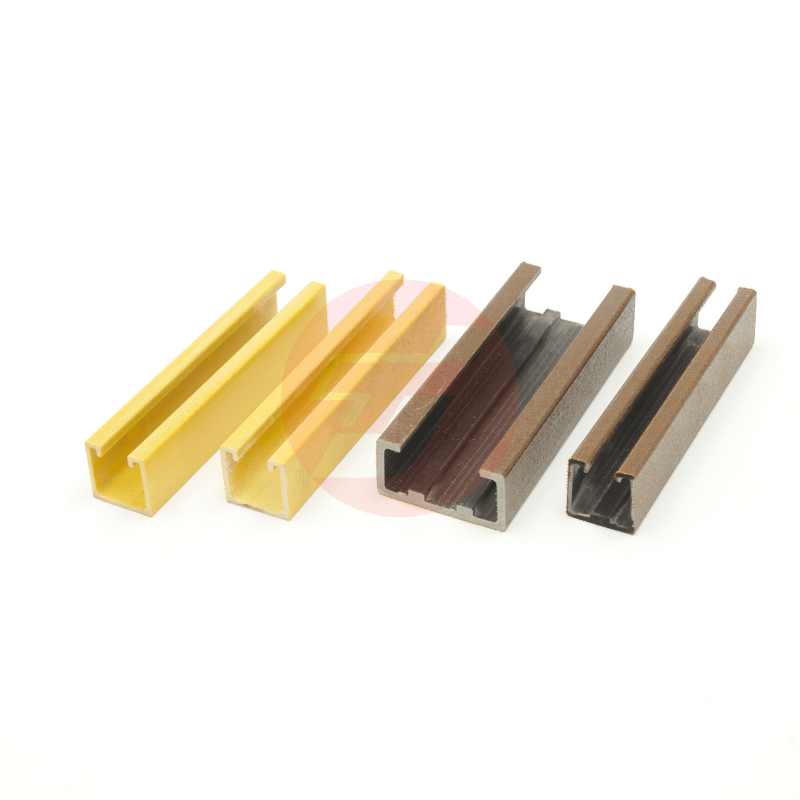
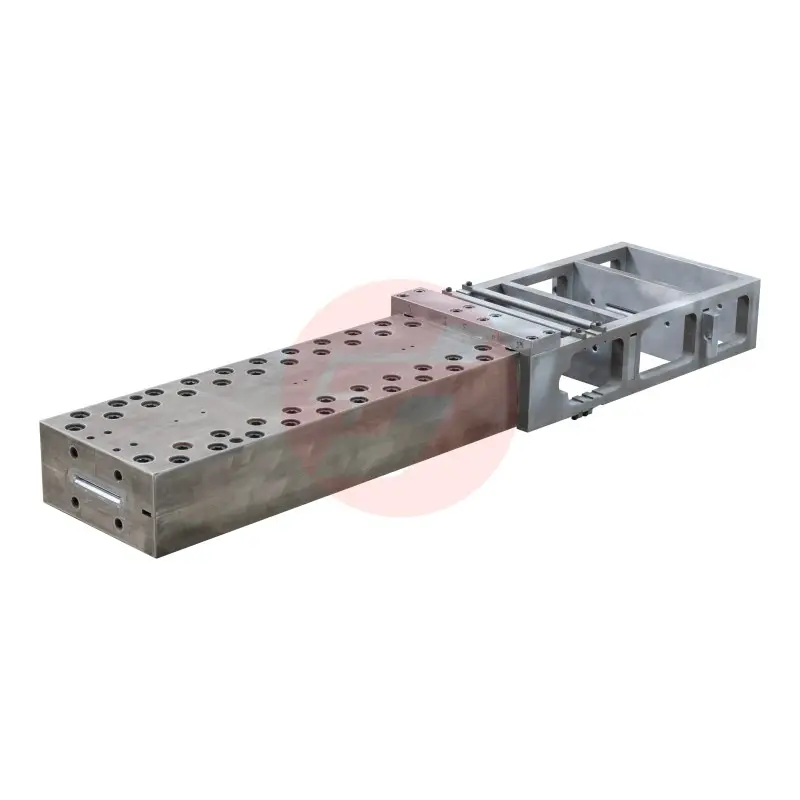
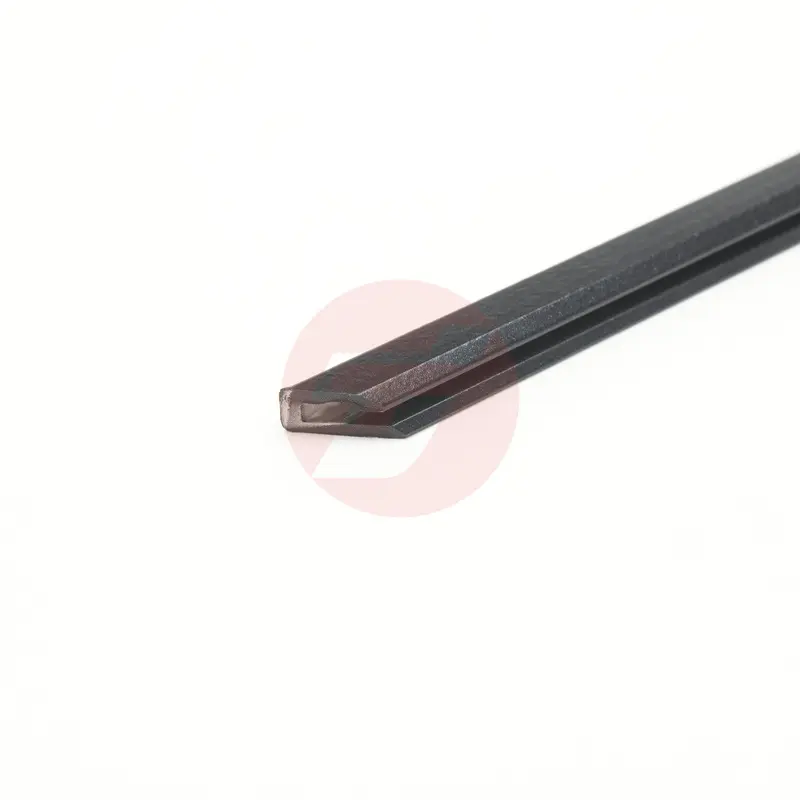
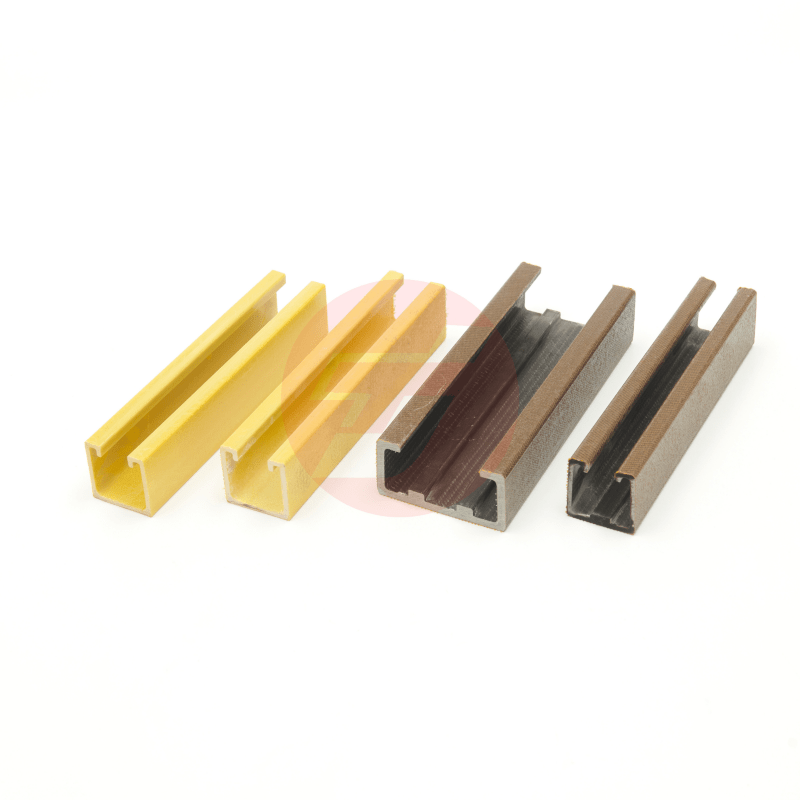
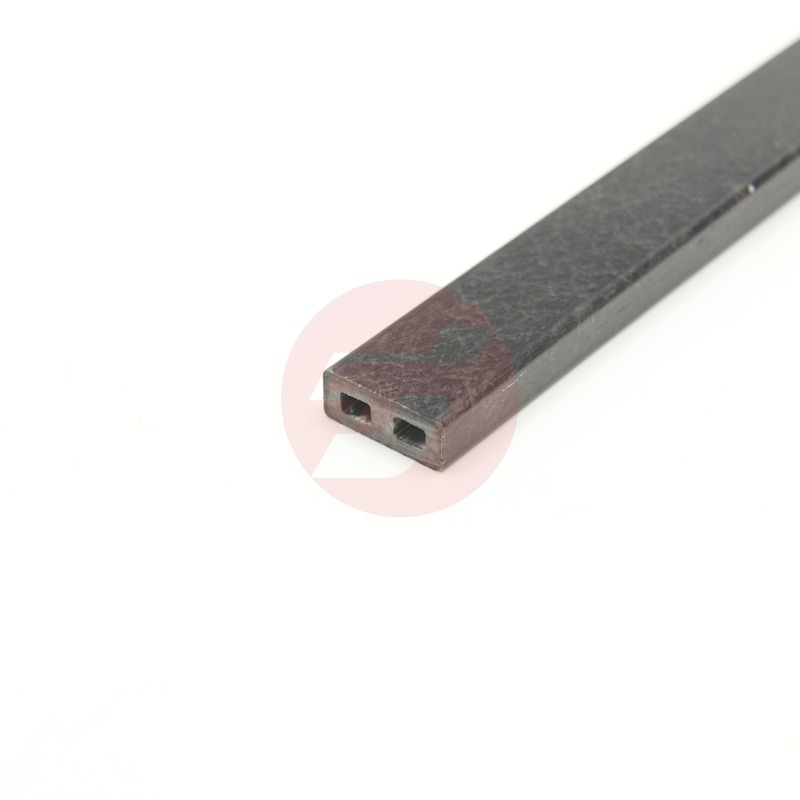
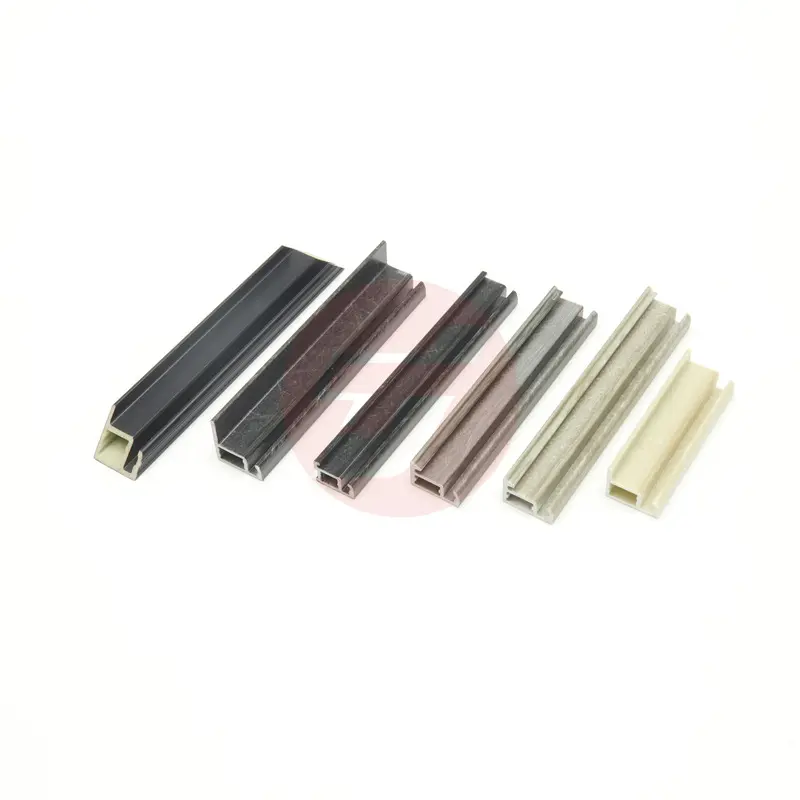
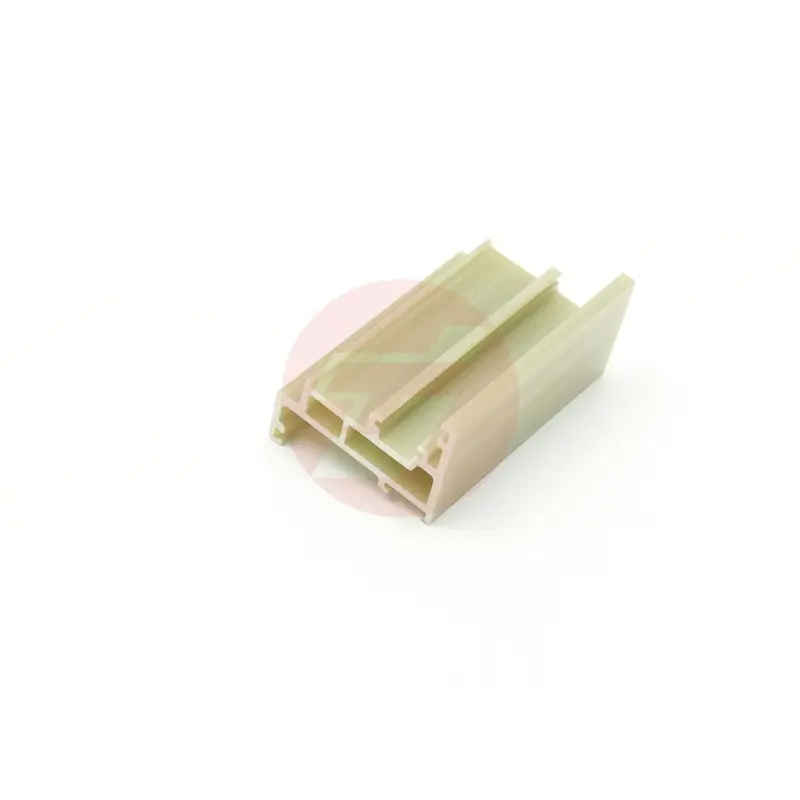
Glass fiber pultruded sheets represent a revolutionary composite material manufactured through an advanced pultrusion process that combines continuous glass fibers with thermosetting resins. This sophisticated manufacturing technique involves pulling glass fiber reinforcements through a heated die while saturating them with resin, creating uniform cross-sectional profiles with exceptional structural integrity. The pultrusion process ensures consistent fiber distribution and optimal resin-to-fiber ratios, resulting in superior mechanical properties and dimensional stability. These glass fiber pultruded sheets exhibit remarkable strength-to-weight ratios, making them ideal for applications requiring lightweight yet robust structural components. The technological features of glass fiber pultruded sheets include excellent corrosion resistance, outstanding electrical insulation properties, and superior fatigue resistance compared to traditional materials like steel or aluminum. The manufacturing process allows for precise control over fiber orientation, typically featuring unidirectional fibers along the length of the sheet, which maximizes tensile strength and stiffness in the primary load direction. Glass fiber pultruded sheets maintain their structural properties across wide temperature ranges, demonstrating excellent thermal stability and low thermal expansion coefficients. The main functions of these composite sheets encompass structural reinforcement, load-bearing applications, and protective barriers in harsh environments. Their non-conductive nature makes them particularly valuable in electrical applications where metal alternatives would pose safety risks. Glass fiber pultruded sheets find extensive applications across diverse industries, including construction, transportation, marine, electrical, and chemical processing sectors. In construction, these sheets serve as structural elements, walkways, and architectural components. The transportation industry utilizes glass fiber pultruded sheets for automotive parts, railcar components, and aerospace applications. Marine environments benefit from their corrosion resistance in boat hulls, offshore platforms, and dock structures, while the electrical sector employs them for insulating panels, switchgear components, and cable management systems.

New Product Recommendations

Glass fiber pultruded sheets deliver exceptional durability that significantly outperforms traditional materials in challenging environments. These composite sheets resist corrosion from chemicals, saltwater, and environmental pollutants, eliminating the need for frequent maintenance and replacement cycles that plague metal alternatives. This corrosion resistance translates directly into cost savings for businesses and organizations, as glass fiber pultruded sheets maintain their structural integrity for decades without requiring protective coatings or treatments. The lightweight nature of these sheets provides substantial advantages during installation and transportation. Workers can handle glass fiber pultruded sheets more easily than heavy steel or concrete alternatives, reducing labor costs and installation time. The reduced weight also decreases shipping expenses and enables applications where weight restrictions are critical factors. Despite their light weight, glass fiber pultruded sheets maintain impressive strength characteristics, offering tensile strengths comparable to steel while weighing approximately 75 percent less. The electrical insulation properties of glass fiber pultruded sheets create significant safety advantages in applications involving electrical systems. Unlike metal sheets that conduct electricity and pose electrocution risks, these composite materials provide inherent electrical insulation, protecting workers and equipment from electrical hazards. This non-conductive nature eliminates the need for additional insulation layers or safety measures, simplifying system designs and reducing overall project costs. Glass fiber pultruded sheets demonstrate remarkable dimensional stability, maintaining their shape and size across temperature variations and environmental conditions. This stability ensures consistent performance in structural applications and eliminates concerns about expansion and contraction that affect other materials. The fire-retardant properties available in specially formulated glass fiber pultruded sheets enhance safety in critical applications. These sheets can be manufactured to meet specific fire rating requirements, providing passive fire protection without compromising structural performance. The smooth, non-porous surface of glass fiber pultruded sheets resists bacterial growth and facilitates easy cleaning, making them ideal for food processing facilities, medical environments, and other sanitary applications. Manufacturing flexibility allows for custom colors, textures, and profiles, enabling designers to achieve specific aesthetic and functional requirements without sacrificing performance. The long-term economic benefits of glass fiber pultruded sheets include reduced maintenance costs, extended service life, and lower total cost of ownership compared to traditional materials, making them a smart investment for forward-thinking organizations.

Latest News

How to Select Carbon Fiber Pultruded Profiles for Engineering Projects?

29

Dec

How to Select Carbon Fiber Pultruded Profiles for Engineering Projects?

Carbon fiber pultruded profiles represent one of the most advanced composite materials available for modern engineering applications. These lightweight yet incredibly strong structural components have revolutionized industries ranging from aerospace ...
View More
What Affects the Dimensional Accuracy of Epoxy Pultruded Products?

05

Jan

What Affects the Dimensional Accuracy of Epoxy Pultruded Products?

The dimensional accuracy of epoxy pultruded products plays a crucial role in determining their performance and suitability for various industrial applications. Manufacturing professionals across aerospace, automotive, and construction industries rely...
View More
What Factors Determine the Lifespan of Carbon Fiber Pultruded Products?

13

Feb

What Factors Determine the Lifespan of Carbon Fiber Pultruded Products?

Carbon fiber pultrusion represents one of the most advanced manufacturing processes for creating high-performance composite materials with exceptional strength-to-weight ratios. This innovative technique produces continuous fiber-reinforced profiles ...
View More
Which Industries Rely Most on Glass Fiber Pultruded Profiles?

13

Feb

Which Industries Rely Most on Glass Fiber Pultruded Profiles?

Modern manufacturing across diverse industries increasingly depends on advanced composite materials that deliver exceptional strength, durability, and versatility. Glass fiber pultruded profiles have emerged as a cornerstone solution for applications...
View More

Get a Free Quote

A professional manufacturer of composite material molds.
Email
WhatsApp
Name
Company Name
Message
0/1000
Attachment
Please upload at least an attachment
Up to 3 files,more 30mb,suppor jpg、jpeg、png、pdf、doc、docx、xls、xlsx、csv、txt

glass fiber pultruded sheets

Superior Strength-to-Weight Performance Engineering

Superior Strength-to-Weight Performance Engineering

Glass fiber pultruded sheets deliver unmatched strength-to-weight performance that revolutionizes structural design possibilities across multiple industries. The pultrusion manufacturing process creates a unique fiber architecture where continuous glass fibers are precisely oriented and fully saturated with high-performance resins, resulting in composite sheets that achieve tensile strengths exceeding 500 MPa while maintaining densities of only 1.8-2.1 g/cm³. This exceptional strength-to-weight ratio enables engineers to design lighter structures without compromising load-bearing capacity, opening new possibilities for applications where weight reduction is critical. The engineering advantages extend beyond simple weight savings, as glass fiber pultruded sheets exhibit superior fatigue resistance compared to metals, maintaining their structural properties through millions of load cycles without degradation. This fatigue resistance proves particularly valuable in dynamic applications such as transportation components, vibrating machinery supports, and structures subject to wind or seismic loads. The fiber reinforcement architecture in glass fiber pultruded sheets provides excellent stiffness characteristics, with flexural moduli typically ranging from 20-45 GPa depending on fiber content and orientation. This stiffness ensures minimal deflection under load, critical for maintaining structural integrity in demanding applications. The predictable and consistent mechanical properties of glass fiber pultruded sheets enable precise engineering calculations and reliable performance predictions, unlike natural materials that exhibit significant property variations. Advanced manufacturing control systems ensure uniform fiber distribution and consistent resin content throughout each sheet, eliminating weak points and ensuring reliable performance across the entire component. The anisotropic nature of glass fiber pultruded sheets, with maximum strength in the fiber direction, allows engineers to optimize designs by aligning primary loads with fiber orientation. This directional strength characteristic enables more efficient material utilization and cost-effective structural solutions. Quality control measures during production include continuous monitoring of fiber tension, resin cure temperature, and pulling speed, ensuring that each glass fiber pultruded sheet meets strict performance specifications and delivers the expected strength-to-weight advantages that make these materials indispensable for modern structural applications.
Uncompromising Corrosion and Environmental Resistance

Uncompromising Corrosion and Environmental Resistance

Glass fiber pultruded sheets provide uncompromising corrosion and environmental resistance that ensures long-term performance in the most challenging operating conditions. The thermoset resin matrix, typically consisting of polyester, vinyl ester, or epoxy formulations, creates an impermeable barrier that protects the internal glass fibers from chemical attack, moisture penetration, and environmental degradation. This resistance extends to a broad spectrum of corrosive substances, including acids, alkalis, salts, and organic solvents, making glass fiber pultruded sheets suitable for chemical processing plants, water treatment facilities, and marine environments where traditional materials fail rapidly. The molecular structure of the resin matrix provides inherent resistance to ultraviolet radiation, preventing the photodegradation that affects many polymer materials exposed to sunlight. Specialized UV-resistant formulations and surface treatments further enhance this protection, ensuring that glass fiber pultruded sheets maintain their mechanical properties and appearance after years of outdoor exposure. Temperature resistance capabilities allow glass fiber pultruded sheets to function effectively across temperature ranges from -40°C to over 150°C, depending on resin selection, without experiencing thermal degradation or significant property changes. The low thermal expansion coefficient of glass fiber pultruded sheets, typically 5-10 times lower than metals, minimizes thermal stress and dimensional changes during temperature cycling. Moisture absorption rates remain extremely low, typically less than 0.5 percent by weight, preventing swelling, warping, or strength reduction in humid environments. This moisture resistance proves critical in applications such as cooling tower components, offshore structures, and buried infrastructure where constant moisture exposure would rapidly degrade alternative materials. The galvanic corrosion immunity of glass fiber pultruded sheets eliminates electrochemical reactions that occur when dissimilar metals contact in the presence of electrolytes. This immunity allows direct contact with various metals without protective barriers, simplifying assembly procedures and reducing maintenance requirements. Long-term exposure testing demonstrates that properly formulated glass fiber pultruded sheets maintain over 90 percent of their original strength after decades of service in aggressive environments, providing exceptional value through extended service life and reduced replacement costs. The environmental resistance of these sheets contributes to sustainability goals by reducing material waste and extending infrastructure lifecycles.
Electrical Insulation and Safety Excellence

Electrical Insulation and Safety Excellence

Glass fiber pultruded sheets excel as electrical insulators, providing superior safety and performance characteristics that make them indispensable for electrical and electronic applications. The inherent dielectric properties of glass fibers combined with non-conductive thermosetting resins create composite sheets with exceptional electrical insulation capabilities, featuring dielectric strengths typically exceeding 15 kV/mm and volume resistivities greater than 10¹⁴ ohm-cm. These outstanding electrical properties ensure reliable insulation performance across a wide range of voltages and frequencies, from low-voltage control systems to high-voltage transmission applications. The electrical safety advantages of glass fiber pultruded sheets extend beyond simple insulation, as they eliminate the risk of electrical conduction that poses serious hazards with metallic alternatives. Workers can safely handle and install these sheets around energized electrical equipment without risk of electrocution, significantly improving workplace safety standards. The non-magnetic properties of glass fiber pultruded sheets prevent interference with sensitive electrical and electronic equipment, making them ideal for applications near magnetic resonance imaging systems, precision measuring instruments, and electromagnetic compatibility-sensitive environments. Arc resistance properties of specially formulated glass fiber pultruded sheets provide protection against electrical tracking and surface flashover, crucial for high-voltage switchgear and transformer applications. The dimensional stability under electrical stress ensures that glass fiber pultruded sheets maintain their insulating properties without developing conductive paths through thermal expansion or mechanical deformation. Flame-retardant formulations meet stringent electrical safety standards, including UL 94 V-0 ratings, providing both electrical insulation and fire protection in critical applications. The smooth, non-porous surface finish of glass fiber pultruded sheets resists contamination buildup that could compromise electrical performance, while facilitating easy cleaning and maintenance. Manufacturing quality control ensures consistent electrical properties throughout each sheet, eliminating weak spots that could lead to electrical failure. The long-term stability of electrical properties makes glass fiber pultruded sheets reliable for applications requiring decades of service without degradation. Customizable formulations allow optimization of electrical properties for specific applications, whether requiring maximum dielectric strength, low dielectric constant, or specific tracking resistance characteristics. Testing and certification to international electrical safety standards provide assurance that glass fiber pultruded sheets meet the rigorous requirements of modern electrical infrastructure applications.

Get a Free Quote

A professional manufacturer of composite material molds.
Email
WhatsApp
Name
Company Name
Message
0/1000
Attachment
Please upload at least an attachment
Up to 3 files,more 30mb,suppor jpg、jpeg、png、pdf、doc、docx、xls、xlsx、csv、txt