Superior Durability and Longevity Performance
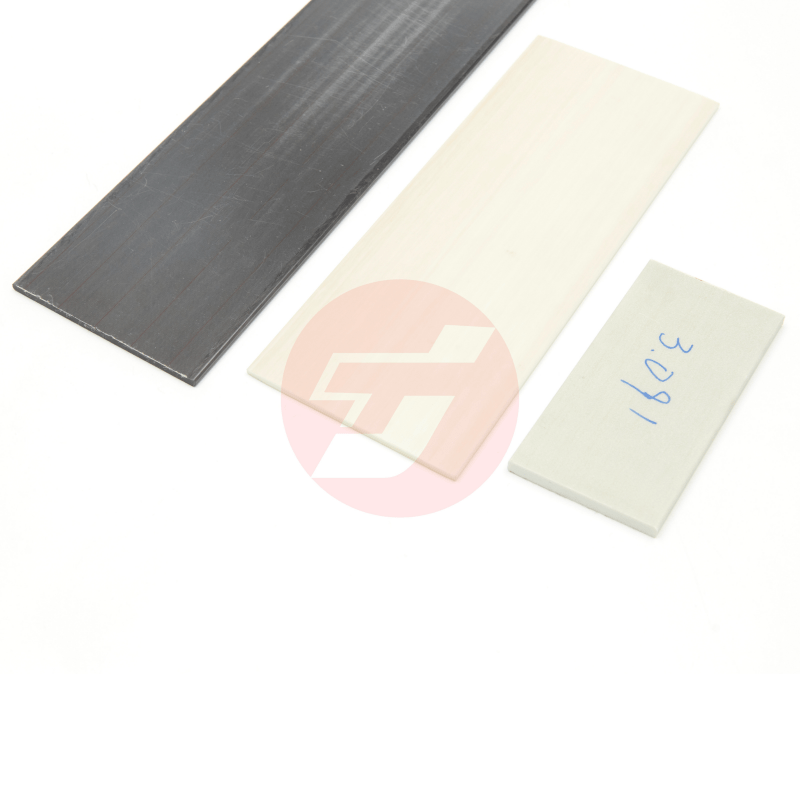
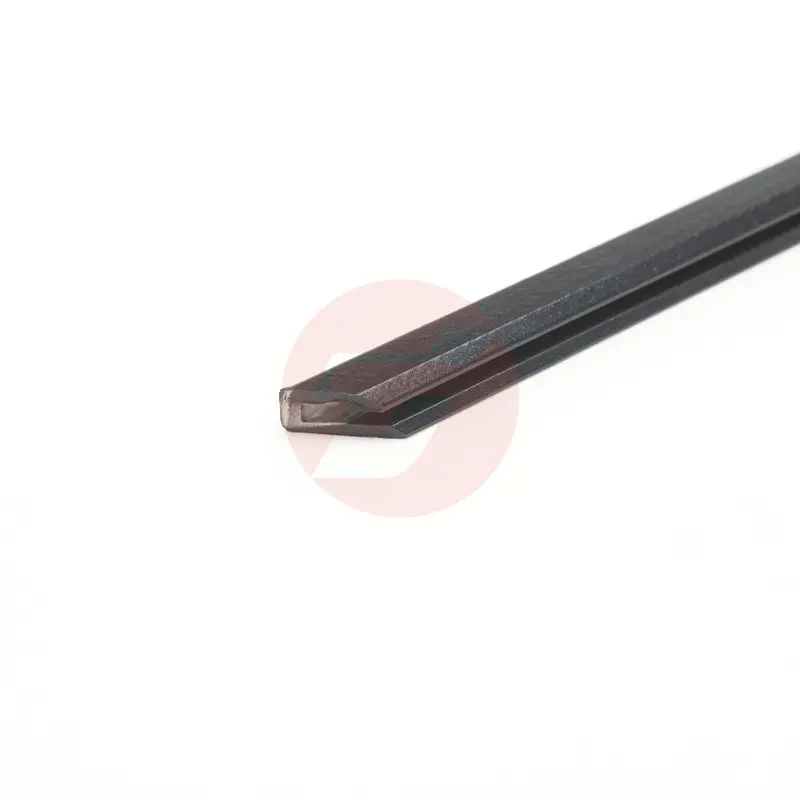
Building composite products deliver exceptional durability that far exceeds traditional construction materials, providing decades of reliable service with minimal maintenance requirements. The inherent properties of building composite products include resistance to corrosion, rot, and degradation from environmental factors that commonly affect steel, wood, and concrete structures. This remarkable durability stems from the advanced polymer matrix systems that protect internal fiber reinforcements from moisture penetration and chemical attack. Unlike steel components that require regular painting and rust prevention treatments, building composite products maintain their structural integrity without protective coatings or ongoing maintenance interventions. The molecular structure of building composite products prevents water absorption, eliminating freeze-thaw damage that frequently compromises concrete and masonry structures in cold climates. UV resistance ensures that building composite products retain their color and surface properties even under intense solar exposure, preventing the fading and degradation common in traditional materials. Chemical resistance makes building composite products ideal for industrial applications where exposure to acids, bases, and solvents would rapidly deteriorate conventional materials. This chemical stability extends to marine environments where saltwater exposure destroys metal components but leaves building composite products unaffected. The fatigue resistance of building composite products surpasses that of metals under cyclic loading conditions, making them perfect for structures subjected to wind loads, vibrations, and dynamic forces. Temperature stability ensures that building composite products maintain their mechanical properties across wide temperature ranges without becoming brittle in cold conditions or softening in extreme heat. The dimensional stability of building composite products prevents warping, twisting, and dimensional changes that plague wood and plastic materials, ensuring long-term structural alignment and performance. This combination of durability characteristics results in building composite products that provide superior lifecycle value through reduced replacement costs, lower maintenance expenses, and extended service life that can span multiple decades without significant performance degradation.

 EN
EN