High-Performance Carbon Fiber Brackets - Lightweight Structural Solutions for Industrial Applications

All Categories

Get a Free Quote

A professional manufacturer of composite material molds.
Email
WhatsApp
Name
Company Name
Message
0/1000
Attachment
Please upload at least an attachment
Up to 3 files,more 30mb,suppor jpg、jpeg、png、pdf、doc、docx、xls、xlsx、csv、txt

carbon fiber brackets

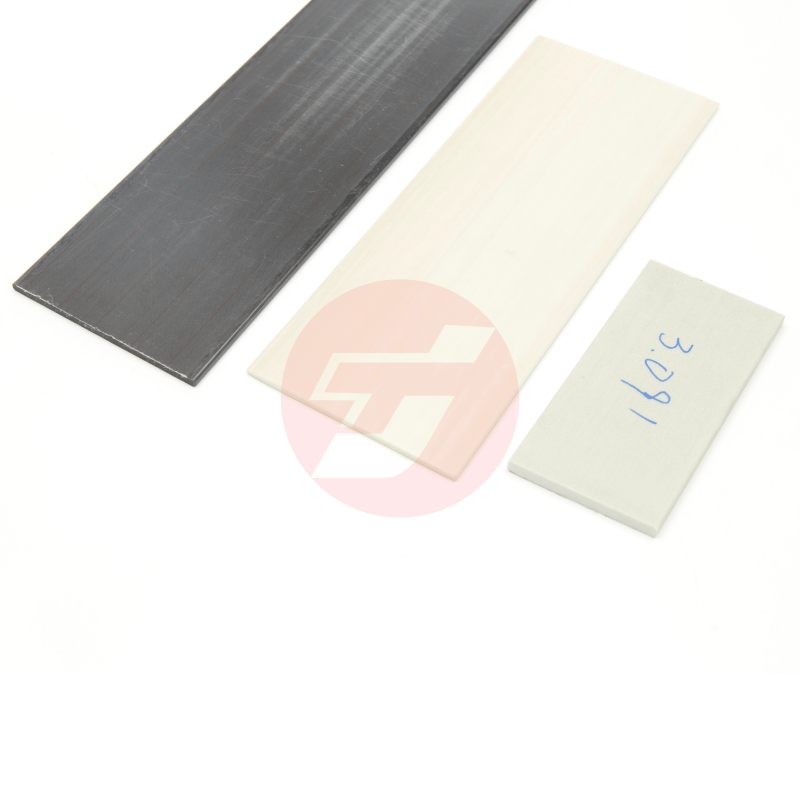
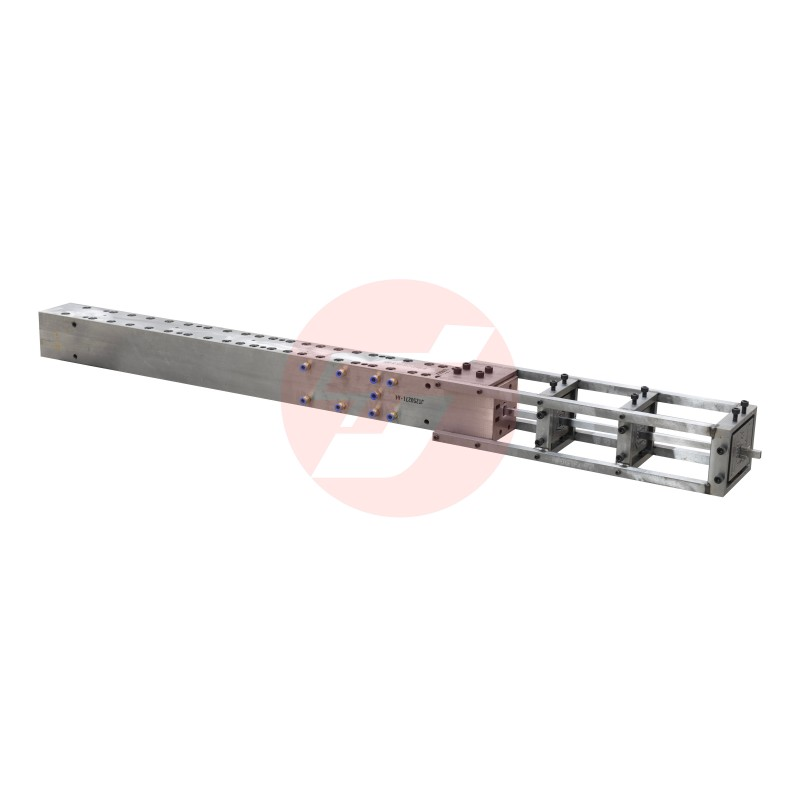
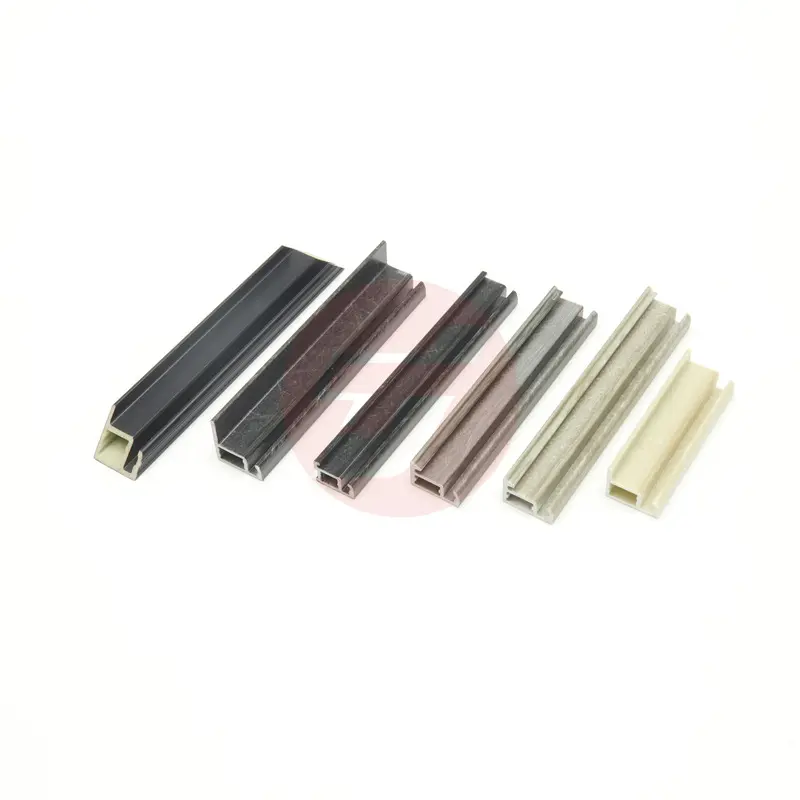
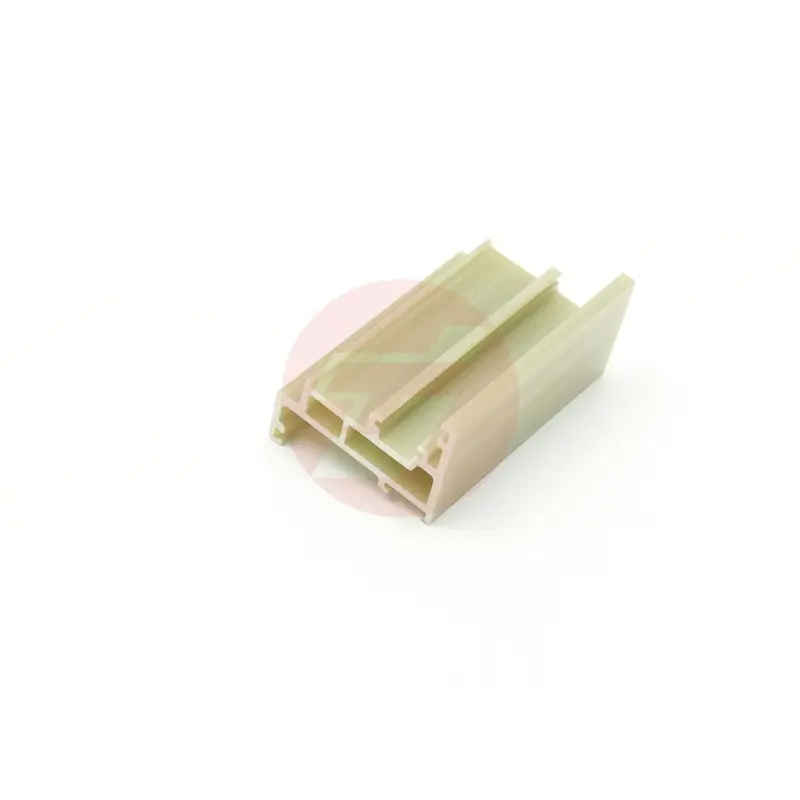
Carbon fiber brackets represent a revolutionary advancement in structural support technology, combining exceptional strength with remarkable lightweight properties. These sophisticated components are manufactured using high-grade carbon fiber reinforced polymer materials, creating brackets that deliver superior performance across diverse industrial applications. The manufacturing process involves weaving carbon fiber strands into precise patterns, then impregnating them with specialized resin systems under controlled temperature and pressure conditions. This meticulous production method ensures consistent quality and optimal mechanical properties throughout each carbon fiber bracket. The resulting components exhibit extraordinary tensile strength, often exceeding traditional materials by substantial margins while maintaining significantly reduced weight profiles. Carbon fiber brackets serve critical functions in aerospace engineering, automotive manufacturing, marine construction, and high-performance sporting equipment. Their primary purpose involves providing structural support, load distribution, and component mounting solutions where weight reduction remains paramount. The advanced material composition enables these brackets to withstand extreme environmental conditions, including temperature fluctuations, moisture exposure, and chemical interactions that would compromise conventional materials. Modern carbon fiber brackets incorporate sophisticated design elements such as optimized fiber orientation, strategic reinforcement zones, and precision-engineered mounting interfaces. These technological features ensure maximum load-bearing capacity while minimizing material usage and overall component weight. The manufacturing precision allows for complex geometries and custom configurations that address specific application requirements. Quality control measures throughout production guarantee consistent performance characteristics and dimensional accuracy across production batches. Carbon fiber brackets demonstrate exceptional fatigue resistance, maintaining structural integrity through repeated loading cycles that would cause failure in traditional materials. This durability translates into extended service life and reduced maintenance requirements, making them ideal for critical applications where reliability cannot be compromised.

Popular Products

Carbon fiber brackets deliver remarkable weight reduction benefits that transform equipment performance and operational efficiency. These components typically weigh 60-70 percent less than equivalent steel or aluminum alternatives, dramatically reducing overall system weight without sacrificing structural integrity. This weight advantage translates directly into improved fuel efficiency for automotive and aerospace applications, enhanced portability for equipment designs, and reduced shipping costs throughout the supply chain. The exceptional strength-to-weight ratio of carbon fiber brackets enables engineers to design more efficient structures while maintaining required safety factors. Users experience immediate benefits through easier installation processes, reduced handling requirements, and decreased structural loading on supporting frameworks. The corrosion resistance properties of carbon fiber brackets eliminate the need for protective coatings, painting, or regular maintenance treatments that traditional metal brackets require. This resistance extends to saltwater environments, chemical exposure, and extreme weather conditions, ensuring consistent performance throughout extended service periods. Maintenance costs decrease significantly as carbon fiber brackets resist oxidation, galvanic corrosion, and environmental degradation that plague conventional materials. The dimensional stability of these brackets maintains precise tolerances across temperature ranges, preventing loosening, binding, or alignment issues that occur with materials having different thermal expansion rates. Carbon fiber brackets demonstrate superior vibration damping characteristics, reducing noise transmission and protecting sensitive components from harmful oscillations. This vibration control improves equipment longevity and user comfort while maintaining precise positioning accuracy. The electrical insulation properties of carbon fiber brackets prevent galvanic corrosion between dissimilar metals and eliminate concerns about electrical conductivity in sensitive applications. Manufacturing flexibility allows carbon fiber brackets to incorporate complex shapes, integrated features, and custom mounting configurations that would be expensive or impossible with traditional materials. Design freedom enables optimization for specific load paths, stress distributions, and geometric constraints without compromising material efficiency. The high fatigue resistance of carbon fiber brackets ensures reliable performance through millions of loading cycles, reducing replacement frequency and minimizing downtime. These brackets maintain consistent mechanical properties throughout their service life, providing predictable performance that engineers can rely upon for critical applications.

Practical Tips

What Advantages Do Glass Fiber Pultruded Products Offer in Construction?

29

Dec

What Advantages Do Glass Fiber Pultruded Products Offer in Construction?

Construction professionals are increasingly turning to advanced composite materials to meet the demanding requirements of modern infrastructure projects. Among these innovative solutions, glass fiber pultruded products have emerged as a superior alte...
View More
How to Evaluate the Quality of Glass Fiber Pultrusion Molds?

29

Dec

How to Evaluate the Quality of Glass Fiber Pultrusion Molds?

Manufacturing high-quality composite products requires precise tooling, and glass fiber pultrusion molds serve as the foundation for successful pultrusion processes. These specialized molds determine the dimensional accuracy, surface finish, and over...
View More
What Factors Determine the Lifespan of Carbon Fiber Pultruded Products?

13

Feb

What Factors Determine the Lifespan of Carbon Fiber Pultruded Products?

Carbon fiber pultrusion represents one of the most advanced manufacturing processes for creating high-performance composite materials with exceptional strength-to-weight ratios. This innovative technique produces continuous fiber-reinforced profiles ...
View More
How to Maintain Carbon Fiber Pultrusion Molds for Long-Term Stability?

13

Feb

How to Maintain Carbon Fiber Pultrusion Molds for Long-Term Stability?

Carbon fiber pultrusion molds represent one of the most critical components in manufacturing high-performance composite materials for industries ranging from aerospace to renewable energy. These precision-engineered tools require meticulous maintenan...
View More

Get a Free Quote

A professional manufacturer of composite material molds.
Email
WhatsApp
Name
Company Name
Message
0/1000
Attachment
Please upload at least an attachment
Up to 3 files,more 30mb,suppor jpg、jpeg、png、pdf、doc、docx、xls、xlsx、csv、txt

carbon fiber brackets

Exceptional Strength-to-Weight Performance Revolution

Exceptional Strength-to-Weight Performance Revolution

Carbon fiber brackets deliver an unprecedented strength-to-weight ratio that fundamentally transforms engineering possibilities across industries. This remarkable characteristic stems from the unique molecular structure of carbon fiber materials, where individual carbon atoms form strong covalent bonds in crystalline arrangements that create exceptional tensile strength. The manufacturing process aligns these carbon fiber strands in strategic orientations, maximizing load-bearing capacity in primary stress directions while minimizing material usage. This optimization results in brackets that can withstand loads equivalent to steel components while weighing only a fraction of traditional alternatives. The practical implications of this strength-to-weight advantage extend far beyond simple weight reduction. In aerospace applications, every pound saved in structural components translates to increased payload capacity or extended range capabilities. Automotive engineers leverage this advantage to improve vehicle dynamics, acceleration, and fuel economy without compromising safety or durability. Marine applications benefit from reduced hull stress and improved buoyancy characteristics when carbon fiber brackets replace heavier metal alternatives. The strength characteristics of carbon fiber brackets remain consistent across varying load conditions, providing reliable performance from initial installation through extended service periods. Unlike materials that experience strength degradation over time, carbon fiber maintains its mechanical properties, ensuring long-term structural integrity. The directional strength properties can be customized during manufacturing to match specific loading requirements, creating brackets optimized for particular applications. This customization capability allows engineers to achieve maximum efficiency by placing reinforcement exactly where needed most. Testing demonstrates that carbon fiber brackets can handle sudden impact loads, cyclic loading, and sustained stress conditions that would cause failure in conventional materials. The elastic properties provide appropriate deflection characteristics while maintaining structural integrity, preventing catastrophic failure modes. Quality manufacturing processes ensure consistent strength properties throughout production runs, giving engineers confidence in design calculations and safety factors. This reliability enables more aggressive design optimization, reducing overall system weight while maintaining required performance margins.
Superior Environmental Resistance and Durability

Superior Environmental Resistance and Durability

Carbon fiber brackets exhibit exceptional resistance to environmental factors that commonly degrade traditional materials, providing unmatched longevity in challenging operating conditions. The inherent chemical stability of carbon fiber reinforced polymers creates immunity to corrosion, oxidation, and chemical attack that destroys metal brackets over time. This resistance extends to saltwater marine environments, industrial chemical exposures, and atmospheric conditions that would rapidly compromise steel or aluminum components. The polymer matrix systems used in carbon fiber brackets resist moisture absorption, preventing dimensional changes and strength degradation associated with water exposure. Temperature stability represents another crucial advantage, as carbon fiber brackets maintain their mechanical properties across wide temperature ranges without experiencing the thermal expansion issues that affect metal components. This thermal stability prevents loosening of connections, binding in sliding applications, and stress concentrations that develop when materials expand at different rates. UV radiation resistance protects carbon fiber brackets from degradation in outdoor applications, maintaining appearance and mechanical properties throughout years of sun exposure. The fatigue resistance of carbon fiber brackets surpasses traditional materials by substantial margins, withstanding millions of loading cycles without crack initiation or propagation. This durability translates into extended service intervals and reduced maintenance requirements, lowering total ownership costs over equipment lifetimes. Field testing in harsh environments demonstrates consistent performance through extreme temperature cycling, vibration exposure, and chemical contact scenarios. The non-porous surface characteristics prevent contamination buildup and facilitate easy cleaning when required. Unlike painted or coated metal surfaces that chip, peel, or wear through use, carbon fiber brackets maintain their protective properties throughout their service life. Electrical insulation properties remain stable over time, preventing galvanic corrosion between dissimilar metals and maintaining safe operation in electrical environments. The combination of these environmental resistance characteristics makes carbon fiber brackets ideal for applications where replacement access is difficult or expensive, such as offshore installations, aerospace components, or embedded structural elements.
Advanced Manufacturing Precision and Design Flexibility

Advanced Manufacturing Precision and Design Flexibility

Carbon fiber brackets benefit from sophisticated manufacturing processes that enable unprecedented design flexibility and precision engineering capabilities. The molding and forming techniques used in carbon fiber production allow complex three-dimensional shapes that would be impossible or prohibitively expensive to achieve with traditional machining methods. This manufacturing freedom enables engineers to optimize bracket designs for specific load paths, eliminating stress concentrations and unnecessary material usage. The precision molding process maintains tight dimensional tolerances throughout production, ensuring consistent fit and alignment in assembly applications. Custom fiber orientations can be programmed into the manufacturing process, placing reinforcement exactly where structural analysis indicates maximum benefit. This directed reinforcement approach maximizes strength efficiency while minimizing weight, creating brackets optimized for their intended applications. The manufacturing process accommodates integrated features such as mounting bosses, alignment guides, and interface details that eliminate secondary operations and additional components. These integrated elements reduce assembly complexity while maintaining structural continuity throughout the component. Quality control systems monitor fiber placement, resin distribution, and curing parameters to ensure consistent mechanical properties across production batches. Advanced non-destructive testing methods verify internal structure quality, preventing defective components from reaching service applications. The manufacturing flexibility extends to production volume optimization, accommodating both prototype quantities and large-scale production runs with appropriate tooling strategies. Rapid prototyping capabilities enable design validation and testing before committing to production tooling, reducing development time and costs. Surface finish quality achieves levels that often eliminate secondary finishing operations, providing components ready for immediate installation. The manufacturing process can incorporate color pigments, surface textures, and functional coatings during production rather than as post-processing steps. This integration reduces handling, improves bond strength, and ensures uniform application of desired characteristics. Design modifications can be implemented quickly through tooling changes or layup adjustments, providing responsiveness to evolving application requirements. The precision manufacturing capabilities enable tight integration with existing systems while providing opportunities for performance improvements through optimized designs that leverage the unique properties of carbon fiber materials.

Get a Free Quote

A professional manufacturer of composite material molds.
Email
WhatsApp
Name
Company Name
Message
0/1000
Attachment
Please upload at least an attachment
Up to 3 files,more 30mb,suppor jpg、jpeg、png、pdf、doc、docx、xls、xlsx、csv、txt