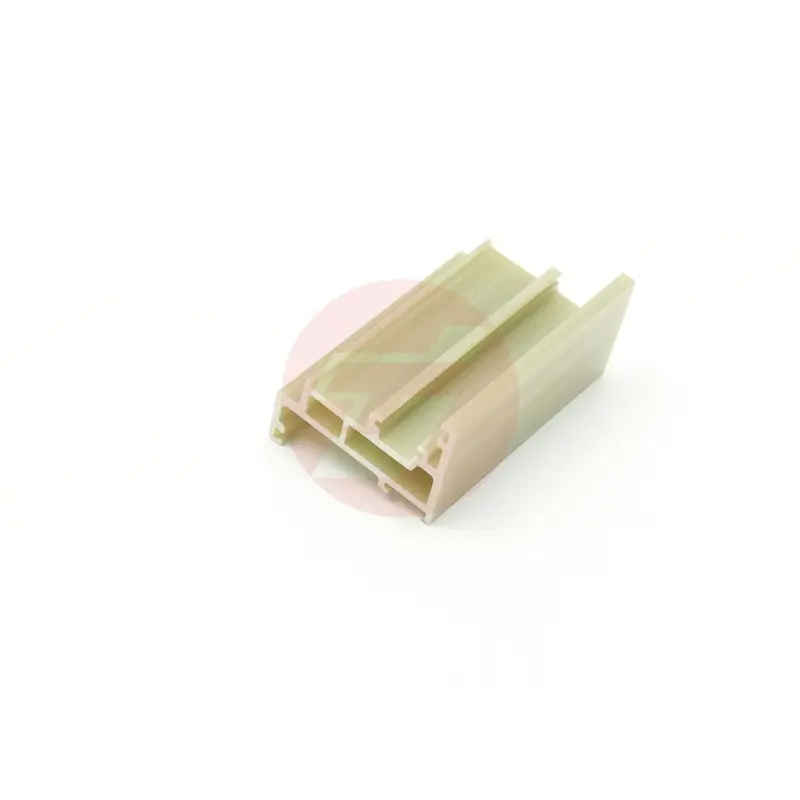
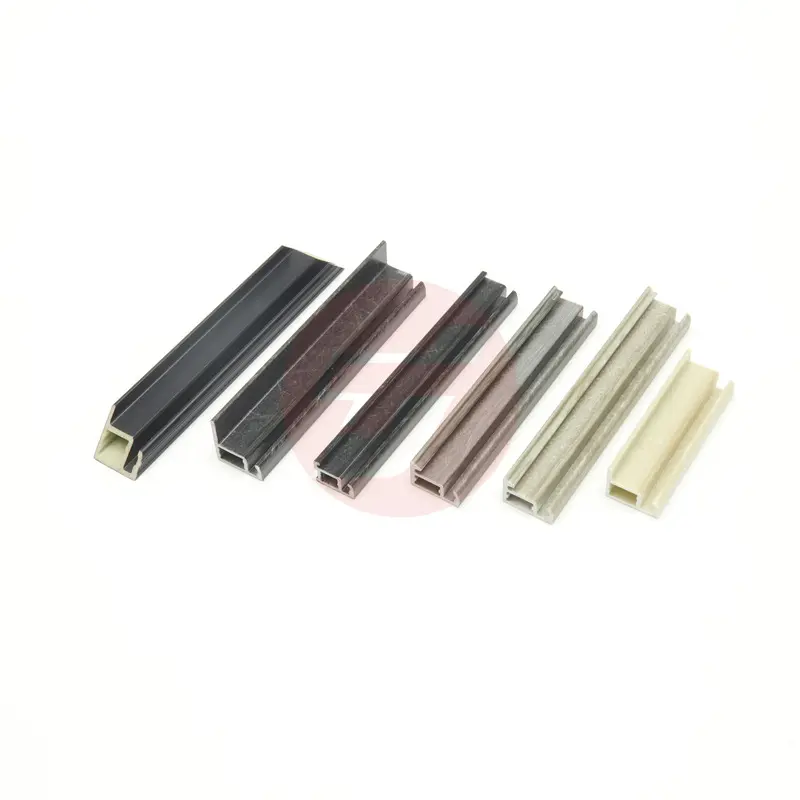
gfrp profile mold
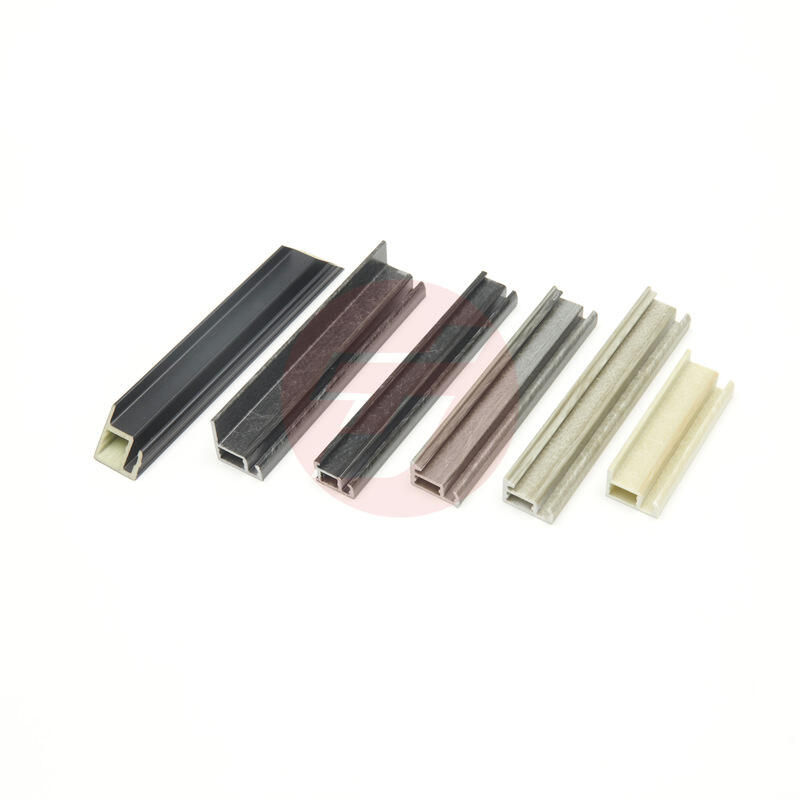
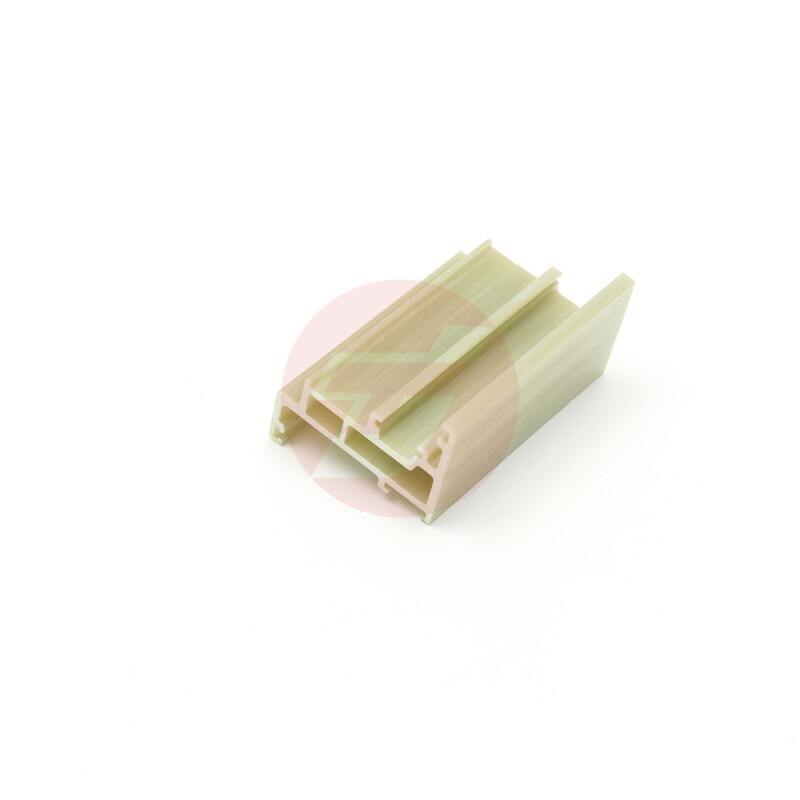
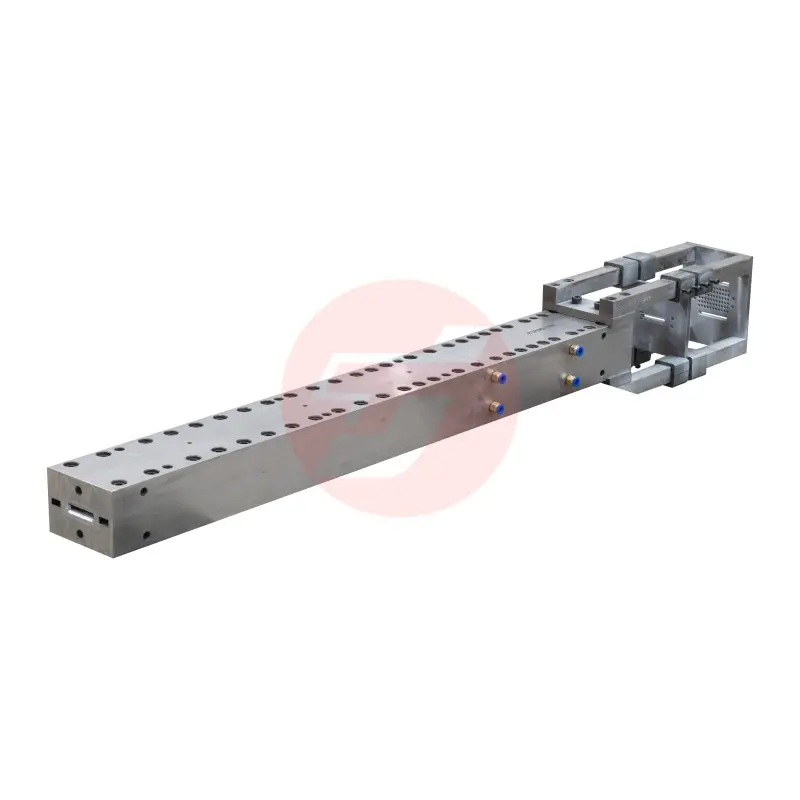
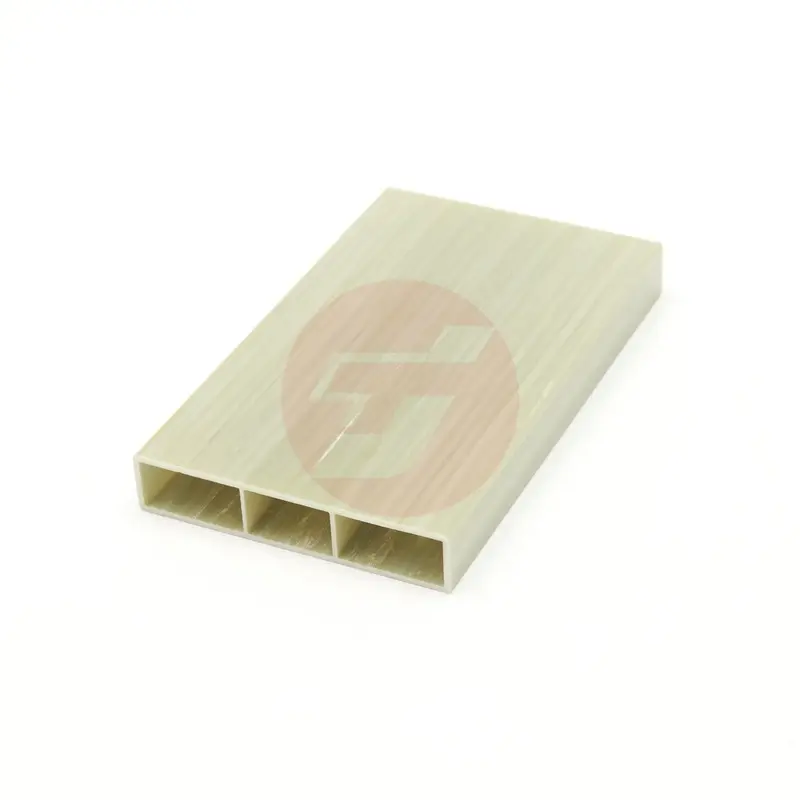
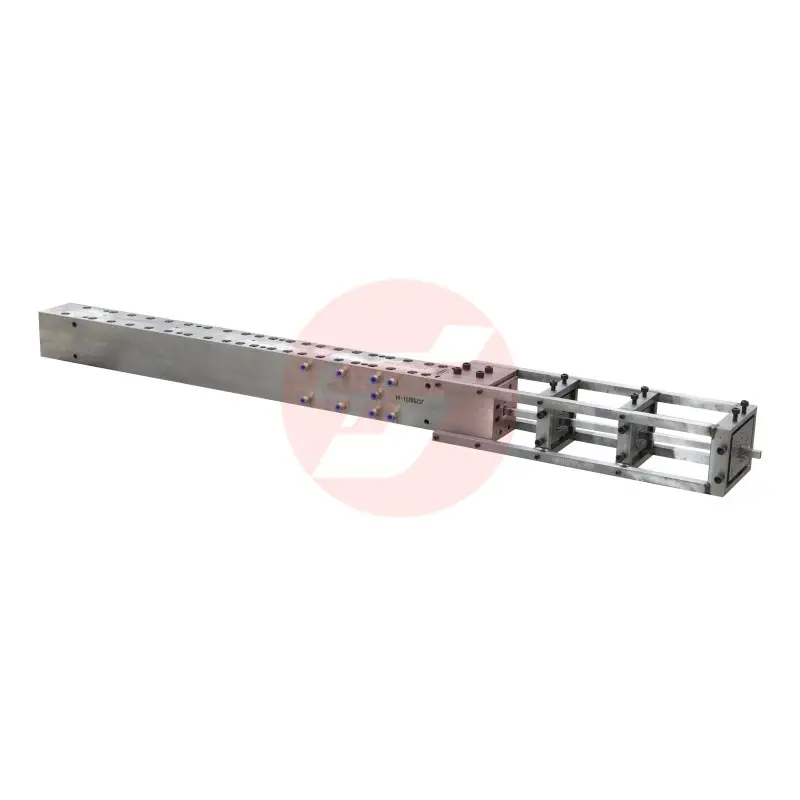
The GFRP profile mold represents a cutting-edge manufacturing solution designed to produce high-quality glass fiber reinforced plastic profiles with exceptional precision and consistency. This specialized tooling system serves as the foundation for creating structural components that meet demanding industrial standards across multiple sectors. The GFRP profile mold incorporates advanced engineering principles to ensure optimal fiber distribution, dimensional accuracy, and surface quality in every produced component. Manufacturing facilities worldwide rely on these sophisticated molds to create lightweight yet robust profiles that replace traditional materials in construction, transportation, and infrastructure applications. The technological framework of the GFRP profile mold integrates temperature control systems, pressure distribution mechanisms, and material flow optimization features. These elements work together to create an environment where resin and fiber materials combine seamlessly, resulting in profiles with superior mechanical properties. The mold design accommodates various profile geometries, from simple rectangular sections to complex hollow configurations with intricate internal structures. Quality control measures built into the GFRP profile mold system ensure consistent wall thickness, smooth surface finishes, and precise dimensional tolerances. The manufacturing process begins with careful preparation of the mold surfaces, followed by strategic placement of reinforcement materials and controlled resin injection. Temperature monitoring throughout the curing cycle guarantees proper cross-linking of polymer chains, creating profiles with maximum strength-to-weight ratios. Applications for products manufactured using GFRP profile molds span numerous industries, including marine construction, chemical processing facilities, architectural elements, and renewable energy systems. The versatility of these molds enables manufacturers to produce custom profiles tailored to specific project requirements while maintaining cost-effectiveness and production efficiency.

 EN
EN