
 EN
EN
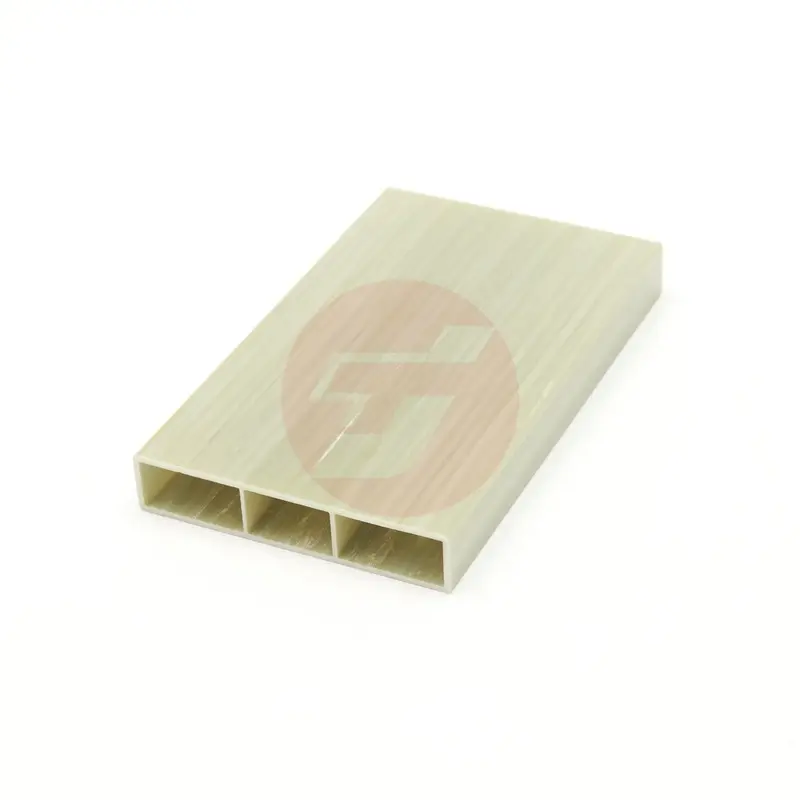
Solar frame manufacturing has undergone significant technological advancement in recent years, with pultrusion molds emerging as a critical component in producing durable, high-performance photovoltaic frames. The integration of advanced pultrusion technology has revolutionized how manufacturers approach solar panel infrastructure, delivering enhanced structural integrity and longevity that directly impacts renewable energy system performance. Modern pultrusion molds enable precise control over material properties and dimensional accuracy, ensuring solar frames meet stringent industry standards while maintaining cost-effectiveness in large-scale production environments.
Understanding Pultrusion Technology in Solar Manufacturing
Fundamental Principles of Pultrusion Processing
Pultrusion represents a continuous manufacturing process where reinforcing fibers are pulled through a resin bath and then through heated pultrusion molds to create composite profiles with consistent cross-sectional geometry. This method ensures uniform material distribution and optimal fiber-to-resin ratios, resulting in superior mechanical properties compared to traditional manufacturing approaches. The controlled environment within pultrusion molds allows for precise temperature and pressure management, facilitating complete resin curing and eliminating common defects such as voids or incomplete bonding.
The process begins with continuous reinforcement materials, typically glass or carbon fibers, being drawn through a resin impregnation system before entering the heated die section of pultrusion molds. Temperature profiles within the molds are carefully calibrated to ensure optimal curing kinetics while preventing thermal degradation of the composite matrix. This systematic approach to composite formation enables manufacturers to achieve consistent quality standards across extensive production runs, making pultrusion molds indispensable for high-volume solar frame manufacturing.
Material Compatibility and Selection Criteria
Modern pultrusion molds accommodate various resin systems and reinforcement configurations, allowing manufacturers to tailor material properties to specific application requirements. Thermosetting resins such as vinyl ester, polyester, and epoxy systems each offer distinct advantages when processed through specialized pultrusion molds designed for optimal heat transfer and curing characteristics. The selection of appropriate resin systems directly influences the final product's resistance to environmental degradation, UV exposure, and thermal cycling conditions commonly encountered in solar installations.
Reinforcement architecture within pultrusion molds can incorporate unidirectional rovings, woven fabrics, and surface veils to achieve desired strength-to-weight ratios and surface finish quality. Advanced pultrusion molds feature multiple reinforcement placement zones, enabling precise control over fiber orientation and density distribution throughout the cross-section. This capability allows solar frame manufacturers to optimize structural performance while minimizing material usage and production costs.
Durability Enhancement Through Advanced Mold Design
Thermal Management and Curing Optimization
Temperature control systems integrated within pultrusion molds play a crucial role in achieving optimal composite durability by ensuring complete resin cross-linking and minimizing residual stresses. Modern pultrusion molds incorporate multiple heating zones with independent temperature control, allowing manufacturers to establish ideal curing profiles that maximize material properties while preventing thermal damage. The precise thermal management capabilities of advanced pultrusion molds enable consistent processing of high-performance resin systems that provide superior long-term durability in outdoor environments.
Heat distribution uniformity across the cross-section is critical for eliminating weak zones that could compromise structural integrity over time. Advanced pultrusion molds utilize computational fluid dynamics modeling to optimize internal geometry and heating element placement, ensuring uniform temperature profiles throughout the curing process. This attention to thermal uniformity directly translates to enhanced durability characteristics in the finished solar frames, reducing the likelihood of delamination, cracking, or other failure modes during extended service life.
Surface Quality and Environmental Protection
Surface finish quality achieved through precision pultrusion molds significantly impacts the long-term durability of solar frames by influencing their resistance to environmental degradation and contamination retention. High-quality surface finishes produced by properly maintained pultrusion molds minimize surface irregularities that could serve as initiation sites for environmental attack or stress concentration. The smooth, consistent surfaces achievable through advanced pultrusion molds also facilitate easier cleaning and maintenance of solar installations, contributing to sustained system performance over decades of operation.
Protective surface layers can be integrated into the pultrusion process through specialized mold designs that accommodate surface veils or co-extruded protective films. These surface enhancement techniques, when properly implemented through advanced pultrusion molds, provide additional barriers against UV radiation, moisture ingress, and chemical attack from atmospheric pollutants. The result is solar frames with enhanced durability characteristics that maintain structural integrity and appearance throughout extended exposure to harsh environmental conditions.
Manufacturing Precision and Quality Control
Dimensional Accuracy and Repeatability
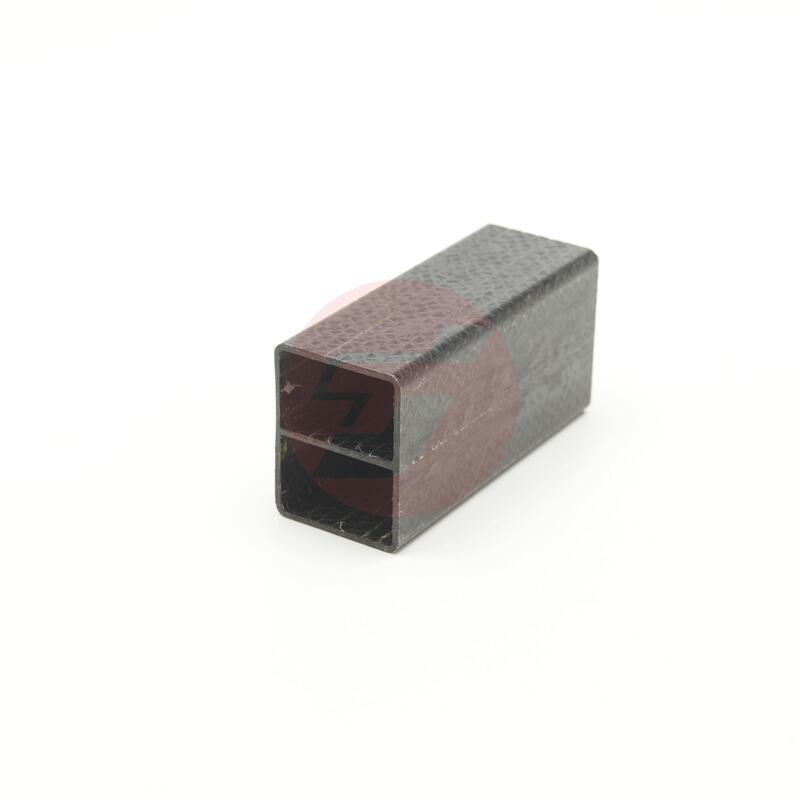
Precision manufacturing capabilities of modern pultrusion molds ensure consistent dimensional accuracy across extensive production runs, eliminating variations that could compromise assembly tolerances or structural performance. Advanced pultrusion molds incorporate precision-machined die cavities with tolerances measured in hundredths of millimeters, enabling manufacturers to produce solar frames that meet stringent dimensional specifications required for automated assembly processes. This level of precision directly contributes to overall system durability by ensuring proper fit-up and load distribution throughout the photovoltaic mounting structure.
Quality monitoring systems integrated with pultrusion molds provide real-time feedback on process parameters and product dimensions, enabling immediate corrective actions when deviations occur. Modern pultrusion molds feature sensor systems that monitor temperature, pressure, and pulling force continuously throughout the production cycle, providing comprehensive process control data that ensures consistent product quality. This systematic approach to quality management through advanced pultrusion molds eliminates variability that could compromise long-term durability of solar frame components.
Defect Prevention and Process Optimization
Advanced pultrusion molds incorporate design features specifically engineered to prevent common manufacturing defects that could compromise product durability, such as resin-rich or resin-starved areas, fiber waviness, or incomplete impregnation. Optimized resin flow patterns within pultrusion molds ensure complete fiber wet-out while preventing air entrapment that could create weak zones susceptible to environmental attack. The sophisticated flow management capabilities of modern pultrusion molds enable manufacturers to process challenging material combinations while maintaining consistent quality standards.
Process optimization through advanced pultrusion molds extends beyond basic defect prevention to include enhancement of material properties through controlled processing conditions. Variable processing parameters such as pulling speed, temperature profiles, and pressure application can be optimized for specific material systems through the flexibility built into modern pultrusion molds. This optimization capability allows manufacturers to maximize the durability potential of their chosen material systems while maintaining economical production rates suitable for commercial solar frame manufacturing.
Performance Benefits in Solar Applications
Structural Integrity and Load Resistance
Solar frames produced using advanced pultrusion molds demonstrate superior structural performance under the various loading conditions encountered in photovoltaic installations, including wind loads, snow loads, and thermal expansion forces. The precise fiber orientation control achievable through modern pultrusion molds enables optimization of strength properties in critical loading directions while minimizing material usage in less critical areas. This tailored approach to structural design through advanced pultrusion molds results in solar frames that provide reliable support for expensive photovoltaic modules throughout their intended service life.
Long-term structural integrity of pultruded solar frames depends heavily on the quality of the manufacturing process, particularly the complete resin curing achieved through proper temperature control in pultrusion molds. Incomplete curing can result in continued chemical reactions during service that may cause dimensional changes, reduced mechanical properties, or premature failure. Advanced pultrusion molds with sophisticated temperature control systems ensure complete resin cross-linking, providing the foundation for sustained structural performance over decades of service in demanding outdoor environments.
Environmental Resistance and Longevity
Environmental durability of pultruded solar frames is directly influenced by the material quality and processing conditions achieved through advanced pultrusion molds, particularly regarding resistance to UV radiation, thermal cycling, and moisture exposure. Properly processed composite materials exhibit exceptional resistance to environmental degradation when manufactured using optimized temperature profiles and resin systems compatible with the capabilities of modern pultrusion molds. This environmental resistance translates directly to reduced maintenance requirements and extended service life for solar installations.
Thermal stability of pultruded solar frames manufactured using advanced pultrusion molds enables them to withstand the temperature extremes commonly encountered in solar applications without significant dimensional changes or property degradation. The controlled curing environment provided by precision pultrusion molds ensures development of optimal glass transition temperatures and thermal expansion characteristics that minimize thermal stresses during daily temperature cycling. This thermal stability contributes significantly to the long-term durability and reliability of solar frame structures.
Economic and Production Advantages
Manufacturing Efficiency and Cost Optimization
The continuous production capability of pultrusion molds provides significant economic advantages for solar frame manufacturing by eliminating the batch-to-batch variations and setup times associated with traditional manufacturing methods. High-speed production rates achievable with modern pultrusion molds enable manufacturers to meet growing demand for solar components while maintaining competitive pricing structures. The automated nature of pultrusion processing through advanced molds reduces labor costs and minimizes the potential for human error that could compromise product quality or durability.
Material efficiency achieved through precision pultrusion molds contributes to overall cost optimization by minimizing waste and ensuring optimal utilization of expensive reinforcement materials and specialized resins. Advanced pultrusion molds enable near-net-shape manufacturing with minimal secondary processing requirements, reducing both material costs and production time. This efficiency in material utilization, combined with the high production rates possible with modern pultrusion molds, provides solar frame manufacturers with significant competitive advantages in increasingly cost-sensitive markets.
Scalability and Production Flexibility
Modular design concepts incorporated into modern pultrusion molds facilitate rapid changeover between different solar frame profiles, enabling manufacturers to respond quickly to market demands for various module sizes and mounting configurations. The flexibility built into advanced pultrusion molds allows for efficient production of both standard and custom solar frame profiles without significant tooling investments or lengthy setup procedures. This production flexibility is essential for manufacturers serving diverse markets with varying technical requirements and specifications.
Scalability of pultrusion manufacturing through advanced mold systems enables solar frame producers to expand production capacity incrementally as market demand grows, minimizing capital investment risks while maintaining operational efficiency. Multiple pultrusion molds can operate simultaneously to increase throughput, or individual molds can be configured for specialized applications requiring unique material combinations or processing conditions. This scalable approach to manufacturing infrastructure provides solar frame producers with the flexibility needed to adapt to rapidly evolving market conditions while maintaining consistent product quality and durability standards.
FAQ
What materials can be processed using pultrusion molds for solar frame manufacturing
Pultrusion molds can accommodate a wide range of thermosetting resin systems including vinyl ester, polyester, and epoxy formulations, each offering specific advantages for solar applications. Reinforcement options include glass fibers, carbon fibers, and hybrid configurations that can be precisely positioned within the mold cavity to optimize mechanical properties. Material selection depends on specific performance requirements, environmental conditions, and cost considerations, with modern pultrusion molds providing the flexibility to process various combinations effectively.
How do pultrusion molds ensure consistent quality across large production runs
Advanced pultrusion molds incorporate sophisticated temperature control systems, pressure monitoring capabilities, and dimensional measurement tools that provide real-time feedback throughout the manufacturing process. Automated process controls maintain consistent pulling speeds, temperature profiles, and resin flow rates to eliminate variations that could affect product quality. Quality monitoring systems integrated with pultrusion molds enable immediate detection and correction of process deviations, ensuring consistent durability characteristics across extensive production volumes.
What maintenance requirements are associated with pultrusion molds in solar manufacturing
Regular maintenance of pultrusion molds includes cleaning of die surfaces to prevent resin buildup, inspection of heating elements and temperature sensors, and verification of dimensional accuracy through precision measurement tools. Preventive maintenance schedules should include periodic replacement of wear components, calibration of control systems, and inspection of structural components for signs of fatigue or damage. Proper maintenance of pultrusion molds is essential for maintaining product quality, dimensional consistency, and optimal production efficiency throughout the equipment's service life.
How do pultrusion molds contribute to the environmental sustainability of solar frame manufacturing
Pultrusion molds enable efficient material utilization with minimal waste generation, contributing to sustainable manufacturing practices through reduced raw material consumption and waste disposal requirements. The durability of products manufactured using advanced pultrusion molds extends service life of solar installations, reducing the frequency of component replacement and associated environmental impacts. Energy-efficient heating systems incorporated into modern pultrusion molds minimize energy consumption during the manufacturing process, further enhancing the environmental benefits of pultruded solar frame production.
Table of Contents
- Understanding Pultrusion Technology in Solar Manufacturing
- Durability Enhancement Through Advanced Mold Design
- Manufacturing Precision and Quality Control
- Performance Benefits in Solar Applications
- Economic and Production Advantages
-
FAQ
- What materials can be processed using pultrusion molds for solar frame manufacturing
- How do pultrusion molds ensure consistent quality across large production runs
- What maintenance requirements are associated with pultrusion molds in solar manufacturing
- How do pultrusion molds contribute to the environmental sustainability of solar frame manufacturing